Pediatric Uti Treatment: How It Works, Results and What to Expect

A urine sample and, when possible, a urine culture help confirm a UTI and guide antibiotic selection. Most uncomplicated UTIs in children can be treated at home with oral antibiotics prescribed by a clinician.
Key Takeaways
- A urine sample and, when possible, a urine culture help confirm a UTI and guide antibiotic selection.
- Most uncomplicated UTIs in children can be treated at home with oral antibiotics prescribed by a clinician.
- Infants, children who are very unwell, or those unable to take fluids or medicine may need hospital assessment and intravenous treatment.
- Symptoms often begin to improve within 24 to 48 hours, but the full prescribed antibiotic course should be completed.
- A child with fever, vomiting, back pain, poor feeding, or worsening symptoms needs timely medical assessment.
- Repeated UTIs may lead to imaging or specialist review to look for urinary tract differences or bladder and bowel issues.
Pediatric UTI treatment usually starts with a urine test to confirm infection and identify the most suitable antibiotic. Most children improve with prompt treatment, good hydration, and follow-up tailored to their age, symptoms, and history of previous infections.
Pediatric UTI treatment: how it works
Pediatric UTI treatment means treating a urinary tract infection in an infant, child, or teenager. A UTI occurs when germs, usually bacteria from the bowel, enter and multiply in the urinary tract. Infection may affect the bladder, which can cause pain or frequent urination, or involve the kidneys, which more often causes fever, vomiting, flank or back pain, and a child who appears generally unwell.
Treatment is based on the child’s age, symptoms, examination findings, and urine test results. When bacterial infection is likely or confirmed, a clinician prescribes an antibiotic that is appropriate for the child and adjusted if urine culture results show a different medicine would work better. Pain relief, regular fluids when tolerated, and close observation are also important parts of care.
The aim is not only to relieve symptoms but also to prevent infection from spreading to the kidneys or bloodstream. Most children recover well, particularly when treatment begins promptly and the prescribed plan is followed carefully.
Who needs treatment and how clinicians assess a child
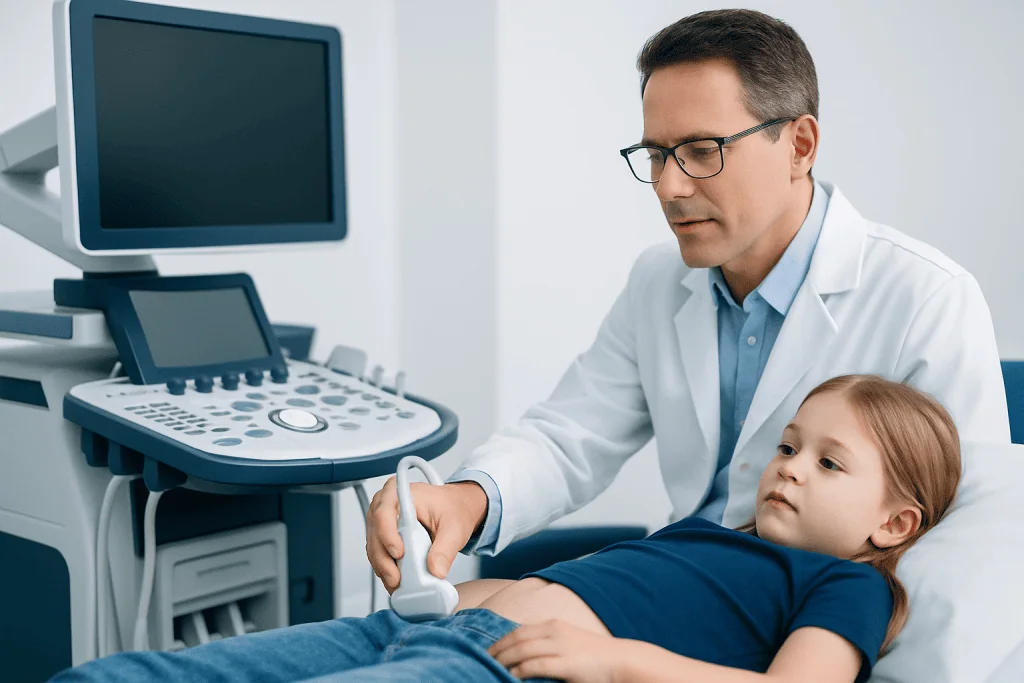
Any child with a suspected UTI should be assessed by a qualified healthcare professional. Symptoms vary by age. Babies may have fever, poor feeding, vomiting, irritability, unusual sleepiness, or poor weight gain. Older children may report burning when urinating, needing to pass urine often, urgency, lower abdominal discomfort, new daytime wetting, cloudy urine, or blood in the urine.
A clinician will ask about symptoms, fever, fluid intake, bowel habits, prior UTIs, allergies, medicines, and any known kidney or urinary tract condition. The examination may include checking temperature, hydration, abdominal tenderness, the back or sides, and the child’s general appearance. Constipation and incomplete bladder emptying can contribute to repeat infections, so these issues may also be discussed.
A urine sample is central to diagnosis. Older children may provide a clean-catch sample; in younger children, the collection method depends on age and toilet training. A dipstick test can provide quick information, while a urine culture identifies bacteria and helps determine which antibiotics are likely to be effective. Whenever possible, the urine sample is collected before antibiotics are started.
Step-by-step: what pediatric UTI treatment involves

For a child who is well enough to be treated at home, the process commonly begins with urine testing and a clinical assessment. If the symptoms and initial test suggest a UTI, the clinician may begin an oral antibiotic while waiting for the culture result. The medicine is chosen according to likely bacteria, local resistance patterns, the child’s age, allergies, and whether there are signs of kidney involvement.
Parents or caregivers should give the antibiotic exactly as prescribed and use the supplied measuring device for liquid medicines. The clinician may contact the family after culture results return to confirm that the original antibiotic is suitable or to change it. Medication should not be stopped early simply because the child seems better, unless the prescribing clinician specifically advises this.
Children should be encouraged to drink appropriate fluids regularly, although forcing excessive amounts is not necessary. Rest, regular toilet visits, and age-appropriate pain or fever relief recommended by the child’s clinician can improve comfort. Avoid using leftover antibiotics, sharing medicines, or relying on home remedies instead of assessment when a UTI is suspected.
Some children need a different approach. Very young infants, children with high fever or signs of serious illness, those who are vomiting or dehydrated, and children unable to take oral medicine may require hospital care. In hospital, fluids and antibiotics may be given through a vein, with monitoring until the child is stable enough to continue care at home.
How long does it take to treat pediatric UTI?
The length of pediatric UTI treatment depends on where the infection is located, the child’s age, illness severity, urine culture results, and the antibiotic selected. A simple bladder infection is often treated with a short oral antibiotic course, while a febrile UTI or possible kidney infection may require a longer course and closer follow-up. The prescribing clinician will provide the appropriate duration for that child.
Many children start to feel better within 24 to 48 hours after beginning an effective antibiotic. Fever, pain, poor appetite, and urinary symptoms should gradually improve, although full recovery can take longer if the child has been unwell or dehydrated. Completing the whole prescribed course remains important even when symptoms improve early.
If a child has no improvement after about two days, develops new symptoms, or becomes more unwell at any point, the family should contact the clinician promptly. The urine culture may show that the bacteria are resistant to the first antibiotic, or another condition may need to be considered.
How to know if a UTI treatment is working
Signs that treatment is working include a reduction in fever, less pain or crying during urination, improved appetite and drinking, more normal energy, and fewer urgent or frequent toilet trips. In infants and toddlers, caregivers may notice better feeding, more settled behavior, and a return toward usual alertness and activity.
Improvement should be steady rather than immediate. A child may remain tired for a short time after fever settles, but they should not appear progressively sicker. It is useful to monitor temperature, fluid intake, urine output, vomiting, pain, and the timing of each antibiotic dose.
Parents should seek medical advice if fever persists or returns, the child is still in significant discomfort after 48 hours, vomiting prevents medication or fluids from staying down, urine output becomes low, or the child becomes unusually sleepy, confused, or difficult to wake. A clinician may review the culture result, check for dehydration, or arrange further assessment.
How is a 3-year-old child treated for a UTI?
A 3-year-old with possible UTI is usually assessed with a history, examination, and urine testing. If the child is toilet trained, a carefully collected clean-catch urine sample is often possible. If not, the healthcare team will advise the most reliable collection method. The sample may be tested immediately and sent for culture when infection is suspected.
If the child is stable, drinking adequately, and able to take oral medicine, treatment is commonly provided at home with a child-appropriate oral antibiotic. The clinician may recommend medicine for fever or discomfort and will explain how to give the antibiotic, what side effects to watch for, and when to call back. Caregivers should offer normal, regular fluids and encourage the child to use the toilet without holding urine for long periods.
A 3-year-old with high fever, repeated vomiting, marked lethargy, abdominal or back pain, dehydration, or concern for a kidney infection may need urgent hospital assessment. Children with repeated UTIs may also need review for constipation, bladder habits, or structural urinary tract conditions. Related kidney and urinary conditions can be assessed through kidney disease evaluation when clinically appropriate.
What will a pediatrician do for a UTI?
A pediatrician will first determine how unwell the child is and whether symptoms are likely caused by a UTI or another condition. They will ask about the pattern of fever and urination, examine the child, arrange urine testing, and decide whether antibiotics are needed immediately. In some cases, especially when symptoms are mild and the diagnosis is uncertain, the clinician may wait for test information before choosing treatment.
If a UTI is diagnosed, the pediatrician will prescribe or adjust treatment based on the urine culture and the child’s clinical response. They will also explain follow-up, including when repeat urine testing is or is not needed. Repeat cultures are not always necessary in a child who has clearly recovered, but follow-up plans differ for infants, recurrent infections, atypical infections, and children with urinary tract abnormalities.
For recurrent UTIs or a severe first infection in selected children, the pediatrician may request kidney and bladder ultrasound or refer to pediatric nephrology or urology. Imaging can help identify anatomical differences, urine flow problems, or other factors that may raise the risk of future infections. Specialist-led pediatric urology care may be helpful for children who need further investigation or ongoing management.
Benefits, possible side effects, prevention and when to seek medical care
The main benefit of timely treatment is that it clears bacterial infection, relieves discomfort, and lowers the risk of complications from an untreated upper urinary tract infection. Antibiotics can cause side effects such as nausea, loose stools, abdominal upset, rash, or thrush. Severe allergic reactions are uncommon but need emergency care; urgent help is needed for breathing difficulty, facial swelling, widespread hives, or collapse.
To reduce the chance of future UTIs, children can be encouraged to drink regularly, urinate when needed rather than holding urine, and fully empty the bladder. Addressing constipation is especially important because it can interfere with normal bladder function. Gentle front-to-back wiping after bowel movements may help reduce the transfer of bacteria, particularly for girls. Strongly scented bath products may irritate the genital area in some children, though they do not directly cause bacterial UTIs.
When to seek medical care: A child should receive prompt medical assessment for possible UTI if they have fever without a clear cause, pain when urinating, blood in urine, new wetting, side or back pain, or repeated vomiting. Urgent assessment is particularly important for babies under 3 months with fever, children who look very unwell, have trouble breathing, cannot keep fluids down, pass very little urine, or are difficult to wake.
Acibadem International’s multidisciplinary pediatric, urology, and nephrology specialists in JCI-accredited hospitals can assess and treat urinary infections and related urinary tract concerns for international patients. Families should seek care from a qualified clinician for a treatment plan suited to the child’s individual health needs.
Frequently asked questions
Can a pediatric UTI go away without antibiotics?
A confirmed bacterial UTI in a child usually requires medical assessment and often antibiotic treatment. Untreated infection can persist or move toward the kidneys, especially in younger children. A clinician should decide whether antibiotics are appropriate based on symptoms and urine testing.
Should a child have a urine culture for a suspected UTI?
A urine culture is often important because it confirms whether bacteria are present and shows which antibiotics are likely to work. It is especially useful in infants, children with fever, recurrent UTIs, severe symptoms, or an unclear diagnosis. The best sample is collected before antibiotics when possible.
Can a child go to school or daycare while being treated for a UTI?
A child may return when they feel well enough to participate, have no significant fever, are drinking adequately, and can take medication as prescribed. A UTI itself is not generally spread from one child to another. The family should follow the clinician’s advice and the school or daycare illness policy.
What happens if a child keeps getting UTIs?
Repeated UTIs should be reviewed by a pediatrician because constipation, delayed toileting, incomplete bladder emptying, or urinary tract differences can contribute. The clinician may recommend changes in bladder and bowel habits, urine testing during symptoms, imaging, or referral to a specialist. Not every child with recurrent symptoms has the same underlying cause.
Are cranberry products useful for preventing UTIs in children?
Evidence for cranberry products in children is limited and they should not replace medical care or prescribed antibiotics. Some products contain substantial sugar, and supplements may not be suitable for every child. A pediatrician can advise whether any preventive strategy is appropriate for a child with recurring UTIs.
When should a child be taken to the emergency department for a UTI?
Emergency assessment is appropriate if a child is very unwell, difficult to wake, has signs of dehydration, persistent vomiting, breathing difficulty, severe pain, or very little urine output. Babies younger than 3 months with fever need urgent assessment even if other symptoms are subtle. Caregivers should also seek urgent help if there is concern about a serious medication reaction.
References
- American Academy of Pediatrics
- National Institute for Health and Care Excellence
- Centers for Disease Control and Prevention
- National Institute of Diabetes and Digestive and Kidney Diseases
- European Association of Urology
This article is for general information only and is not a substitute for professional medical advice. Please consult a qualified doctor about your individual situation.
Medical weight-loss options in Turkey — costs & eligibility
JCI-accredited · board-certified surgeons · reply within 24h
Add us as a Preferred Source to see more of our trusted health content across Google Search, AI Overviews and Discover.