Post Mastectomy Pain Syndrome: An Evidence-Based Patient Guide

Post mastectomy pain syndrome refers to persistent pain lasting beyond normal surgical healing, often for three months or longer. Symptoms may include burning, shooting, tingling, numbness, sensitivity to touch, aching, or a pulling sensation.
Key Takeaways
- Post mastectomy pain syndrome refers to persistent pain lasting beyond normal surgical healing, often for three months or longer.
- Symptoms may include burning, shooting, tingling, numbness, sensitivity to touch, aching, or a pulling sensation.
- Nerve-related pain, scar tissue, muscle tightness, radiation effects, and shoulder problems may all contribute.
- Assessment should also rule out treatable causes such as infection, fluid collection, lymphedema, and cancer recurrence.
- Care may include physical therapy, medicines for nerve pain, topical treatments, psychological support, and selected procedures.
Post mastectomy pain syndrome is ongoing pain, altered sensation, or tightness affecting the chest wall, armpit, shoulder, or upper arm after breast surgery. It is commonly related to nerve irritation or injury and can often be managed with an individualized plan that addresses pain, movement, scar tissue, sleep, and emotional wellbeing.
Overview: What Is Post Mastectomy Pain Syndrome?
Post mastectomy pain syndrome (PMPS) is persistent pain or uncomfortable altered sensation after surgery for breast cancer or breast risk reduction. Despite its name, it can occur after mastectomy, breast-conserving surgery, lymph node surgery, breast reconstruction, or other procedures involving the breast and chest wall. The pain is often neuropathic, meaning it arises from irritation, stretching, trapping, or injury of nerves during or after surgery.
Normal postoperative discomfort usually eases steadily as tissue heals. PMPS describes symptoms that continue beyond the expected healing period, commonly three months or longer, and affect daily comfort or function. It does not mean that surgery was unsuccessful, that a person has done anything wrong, or that pain must be permanent. Early recognition and a coordinated treatment plan can make a meaningful difference.
The condition may affect the chest wall, breast area, armpit, shoulder, upper back, or inner upper arm. Symptoms may be constant or intermittent and can fluctuate with movement, stress, temperature, sleep, clothing pressure, or scar sensitivity.
Symptoms and Their Effect on Daily Life
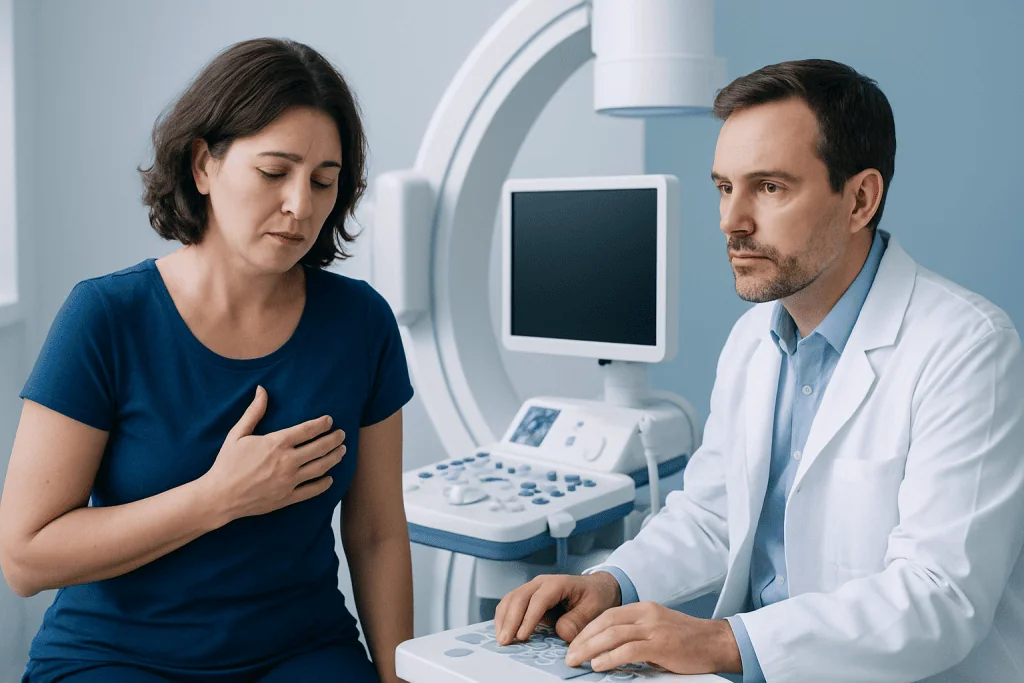
People describe PMPS in different ways. Common sensations include burning, electric-shock-like pain, stabbing or shooting pain, tingling, pins and needles, itching, numbness, tightness, aching, or heightened sensitivity. Even light contact from clothing, a seat belt, or bedding may feel uncomfortable when the skin or nerves are unusually sensitive.
Symptoms may be accompanied by reduced shoulder movement, weakness, protective postures, or discomfort when reaching overhead. Some people develop a cord-like tight area in the armpit or arm after lymph node procedures, while others notice pulling around a scar or reconstructed breast. Persistent pain can also affect concentration, work, intimacy, mood, and sleep.
Pain should not automatically be attributed to PMPS without assessment. New swelling, redness, fever, a growing lump, worsening shortness of breath, or rapidly increasing pain can signal a separate problem that needs timely medical review.
Why It Happens: Causes and Risk Factors

PMPS is usually multifactorial. During breast or axillary surgery, small sensory nerves may be cut, stretched, compressed, or become caught within scar tissue. The intercostobrachial nerve, which supplies feeling to part of the armpit and inner upper arm, is one nerve that may be affected. Nerve healing can produce temporary sensations, but in some cases the nervous system remains sensitized and pain persists.
Scar formation, chest-wall muscle tightness, altered shoulder mechanics, and reduced movement during recovery can add to discomfort. Radiation therapy may also contribute to skin, soft-tissue, and nerve changes. Lymphedema, fluid collections, infection, implant-related concerns, and problems involving the neck or shoulder can cause similar or additional symptoms and should be considered.
Risk may be higher after more extensive axillary surgery, severe acute postoperative pain, younger age, prior chronic pain, anxiety or depression, and radiation treatment. These factors do not determine an individual outcome. They simply help clinicians identify people who may benefit from closer symptom monitoring and early supportive care.
Diagnosis: A Structured Assessment
There is no single laboratory test for post mastectomy pain syndrome. Diagnosis is based on the timing, location, quality, and impact of pain, together with a clinical examination. A clinician will ask about surgery, reconstruction, radiation, current cancer treatments, other health conditions, sleep, mood, and how symptoms affect movement and daily activities.
The physical examination may include checking the scar, chest wall, breast or reconstruction, arm swelling, sensation, shoulder range of motion, posture, and areas where gentle pressure reproduces pain. Depending on the symptoms, imaging or additional tests may be recommended to assess a fluid collection, infection, shoulder condition, implant concern, or possible cancer recurrence.
A pain diary can be helpful before an appointment. Recording where pain occurs, its intensity, triggers, relieving measures, medication use, and associated symptoms gives the care team useful information. Assessment is also an opportunity to discuss fears about recurrence and to make a clear plan for follow-up.
Treatment Options: Personalized and Multidisciplinary Care
PMPS treatment is tailored to the likely pain mechanisms and the person’s goals. Many people benefit from combining approaches rather than relying on a single treatment. A breast surgeon, oncologist, rehabilitation specialist, pain physician, physiotherapist, nurse, psychologist, and plastic surgeon may each have a role, particularly when symptoms are persistent or complex.
Physical therapy can improve shoulder motion, posture, strength, scar mobility, and confidence with movement. Gentle desensitization techniques may help an area that is overly sensitive to touch. A therapist can also assess lymphedema risk or symptoms and guide safe activity. For people with arm swelling or heaviness, evaluation and management of lymphedema may be an important part of the plan.
Clinicians may recommend non-opioid pain relief, topical treatments, or prescription medicines that are used for nerve-related pain. Choice depends on the person’s symptoms, other medications, medical history, and potential side effects. Opioid medicines are generally not a long-term solution for neuropathic pain and require careful individualized consideration when used.
For a well-defined painful nerve or scar area, a pain specialist may discuss targeted injections, nerve blocks, or other interventional options. In selected cases, surgical assessment may be appropriate if a neuroma, scar tethering, reconstruction issue, or another correctable cause is suspected. Care for chronic pain may also include cognitive behavioral therapy, relaxation techniques, and sleep support; these approaches address the nervous system’s pain response and do not suggest that pain is imagined.
Recovery, Procedures, and What to Expect
There is no single procedure that is suitable for everyone with PMPS. If a clinician recommends an intervention, the first step is confirming the pain source and discussing realistic goals, such as reducing pain flares, improving sleep, or making arm movement easier. A diagnostic nerve block may sometimes be used to help identify whether a specific nerve is contributing to symptoms before a longer-lasting treatment is considered.
For an injection or nerve block, the area is cleaned and numbed, and medication is delivered near the suspected nerve or painful tissue, sometimes with ultrasound guidance. The procedure is usually brief, and patients are monitored afterward. Temporary soreness, numbness, or weakness can occur, so the care team will advise when normal driving, activity, and exercise can resume.
When surgery is considered, candidacy depends on the pattern of pain, examination findings, imaging when needed, prior operations, reconstruction status, cancer treatment plan, and overall health. The exact operation varies by cause and may involve scar release, management of a painful neuroma, or revision of a reconstruction-related problem. Recovery timelines also vary, but early follow-up typically focuses on wound healing, pain control, gentle movement, and rehabilitation.
Potential benefits of an intervention include reduced localized pain and improved function, but results cannot be guaranteed. Risks depend on the treatment and may include bleeding, infection, bruising, temporary or lasting numbness, weakness, worsening pain, or lack of benefit. A specialist should explain alternatives, expected recovery, and warning signs before any procedure.
Self-Care and Prevention During Recovery
Not all cases of PMPS can be prevented, but good symptom control and supported recovery may lower the risk of prolonged disability. Patients should follow their surgical team’s advice about wound care, drain care if applicable, lifting restrictions, and gradual return to daily activity. Reporting severe pain early allows the team to adjust treatment rather than waiting until pain becomes harder to manage.
Regular gentle shoulder and arm movement, when approved by the surgical team, can help prevent stiffness and restore confidence. A physiotherapist can provide exercises suited to the procedure and recovery stage. It is best to avoid forcing painful stretches or beginning intensive exercise too quickly, especially after reconstruction or when complications are possible.
Comfortable clothing, soft fabrics, supportive pillows, scar care recommended by the clinical team, paced activity, and regular sleep routines can be useful. Slow breathing, mindfulness, and counseling may reduce the stress response that can amplify pain. These measures work best alongside medical evaluation rather than as a substitute for it.
When to Seek Medical Care
Contact the surgical or oncology team if pain is persistent, worsening, or limiting sleep, arm movement, work, or daily life. Medical review is also appropriate for new numbness, burning pain, tightness, swelling, or sensitivity that continues after the initial recovery period. Timely assessment can identify problems that respond to rehabilitation, medication changes, or targeted treatment.
Seek urgent medical advice for fever, spreading redness, wound drainage, sudden marked swelling, severe shortness of breath, chest pain, or a rapidly worsening condition. New lumps, unexplained weight loss, or persistent new bone pain should also be discussed promptly with the oncology team, even though these symptoms often have causes other than recurrence.
Acibadem International’s multidisciplinary specialists and JCI-accredited hospitals support international patients with assessment and treatment planning for persistent pain after breast surgery. Coordinated care can involve breast surgery, oncology, pain medicine, rehabilitation, and psychological support according to each patient’s needs.
Frequently asked questions
How long does post mastectomy pain syndrome last?
The duration varies widely. Some symptoms gradually improve over months as nerves and tissues heal, while others persist longer and need active treatment. A clinician can reassess ongoing pain and adjust the care plan based on its cause and effect on daily life.
Is post mastectomy pain syndrome a sign that breast cancer has returned?
Persistent pain after surgery is often related to nerves, scar tissue, muscles, or treatment effects and does not by itself mean cancer has returned. However, new or changing symptoms should be reviewed by the breast or oncology team. They can determine whether examination, imaging, or other tests are needed.
Can post mastectomy pain syndrome occur after lumpectomy?
Yes. Persistent pain can occur after breast-conserving surgery, lymph node surgery, reconstruction, and radiation as well as after mastectomy. The term PMPS is commonly used for chronic pain syndromes following several types of breast surgery.
What does nerve pain after breast surgery feel like?
Nerve pain may feel burning, shooting, stabbing, electric, tingling, itchy, numb, or unusually sensitive to light touch. It may occur around the scar, chest wall, armpit, shoulder, or inner upper arm. Describing the sensation and triggers can help guide treatment.
Will physical therapy make the pain worse?
Appropriately paced physical therapy is designed to restore movement and reduce stiffness without overloading healing tissues. Some mild temporary soreness can occur as activity increases, but sharp or worsening pain should be reported. A therapist can modify exercises for surgery type, reconstruction, radiation history, and current symptoms.
Are nerve blocks used for post mastectomy pain syndrome?
A nerve block may be considered when pain appears to come from a specific nerve or localized region. It can sometimes provide relief and may also help clarify the pain source. Suitability, expected benefit, and risks should be discussed with a qualified pain specialist.
References
- American Cancer Society
- National Cancer Institute
- International Association for the Study of Pain
- American Society of Clinical Oncology
- Breast Cancer Now
This article is for general information only and is not a substitute for professional medical advice. Please consult a qualified doctor about your individual situation.
Joint and spine care in Turkey — expert assessment & treatment
JCI-accredited · board-certified surgeons · reply within 24h
Add us as a Preferred Source to see more of our trusted health content across Google Search, AI Overviews and Discover.