Colon Cancer Radiation: How It Works, Results and What to Expect

Radiation is used less often for colon cancer than for rectal cancer because the colon moves within the abdomen and surgery is usually the main local treatment. A multidisciplinary team may recommend radiation to shrink or control a tumor, treat recurrence, or relieve symptoms such as pain or bleeding.
Key Takeaways
- Radiation is used less often for colon cancer than for rectal cancer because the colon moves within the abdomen and surgery is usually the main local treatment.
- A multidisciplinary team may recommend radiation to shrink or control a tumor, treat recurrence, or relieve symptoms such as pain or bleeding.
- Treatment planning is individualized and may involve daily sessions over days or weeks, depending on the goal and technique.
- Short-term effects may include tiredness, bowel changes, nausea, skin irritation, and bladder symptoms; the care team can help manage them.
- New or worsening severe abdominal pain, persistent vomiting, heavy bleeding, fever, or inability to pass stool or gas needs urgent medical assessment.
Colon cancer radiation uses high-energy beams to damage cancer cells while limiting exposure to nearby healthy tissue. It is not routinely used after surgery for most early colon cancers, but it can be important for selected locally advanced, recurrent, or symptom-causing disease.
Overview: What Is Colon Cancer Radiation?
Colon cancer radiation, also called radiotherapy or radiation therapy, delivers carefully planned high-energy radiation to a cancerous area. It works by damaging the DNA of rapidly dividing cells, making it harder for cancer cells to grow and survive. Treatment is designed to target the tumor area as precisely as possible while protecting surrounding organs.
Radiation is not a standard part of treatment for every person with colon cancer. In many early-stage cases, surgery is the main local treatment, often followed by chemotherapy when indicated. Radiation may be considered when a tumor is fixed to nearby structures, has returned in the abdomen or pelvis, cannot be fully removed surgically, or is causing symptoms that need relief.
It is useful to distinguish colon cancer from rectal cancer. The rectum sits lower in the pelvis and is more fixed in position, so radiation has a more routine role in many rectal cancer treatment plans. For a broader overview of the disease, readers may find colon cancer information helpful.
How Radiation Works and When It May Be Recommended
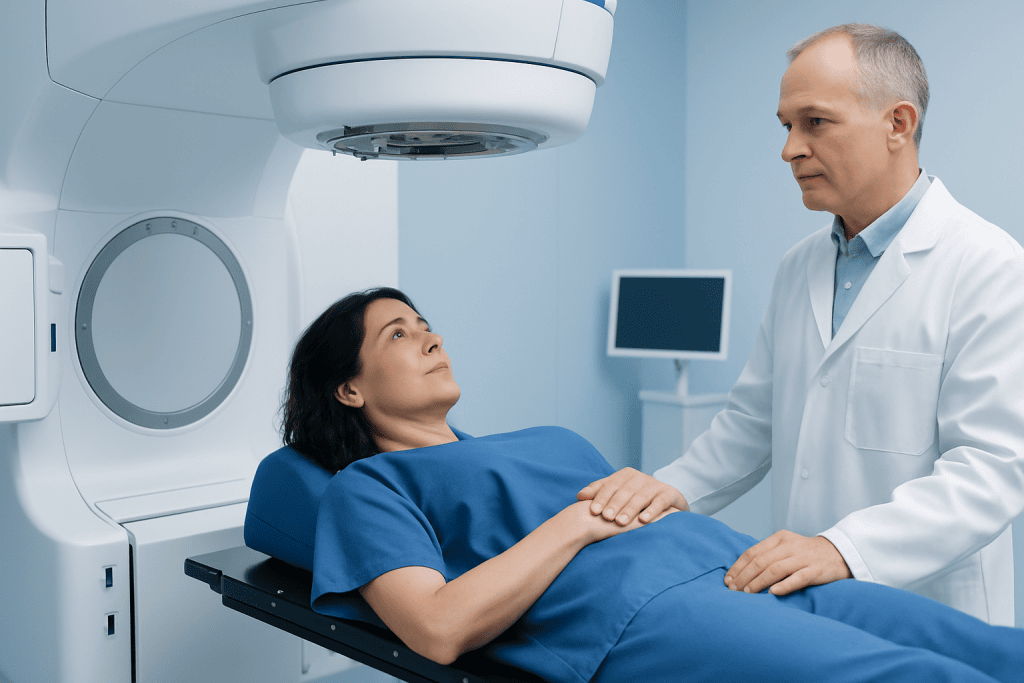
External beam radiation therapy is the approach used most often. A machine outside the body directs radiation beams toward the planned treatment area. Modern planning methods use imaging and computer software to shape beams around the target and reduce radiation reaching normal bowel, kidneys, bladder, bone marrow, and other nearby tissues.
The treatment goal matters. Radiation may be used before an operation in selected situations to reduce tumor size or improve the chance of complete removal. It may be used after surgery if there is concern about cancer remaining locally, although this is uncommon in routine colon cancer care. In some situations, radiation is delivered with chemotherapy, because certain medicines can make cancer cells more sensitive to radiation.
For cancer that has returned locally or cannot be removed, radiation may help slow growth and reduce symptoms. Palliative radiation is intended to improve comfort or control problems such as pain, bleeding, or pressure from a tumor; it is not necessarily intended to cure the cancer. The oncology team weighs likely benefit against possible effects on nearby organs and any previous radiation treatment.
Who May Be a Candidate for Colon Cancer Radiation?
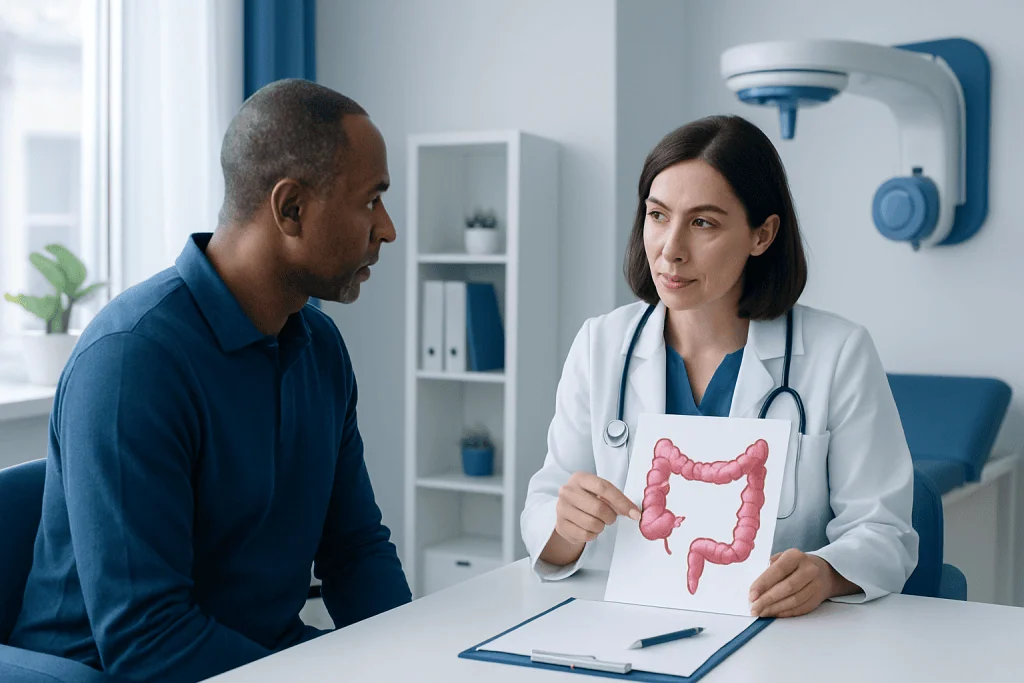
Candidacy is decided individually by a multidisciplinary team, commonly including a medical oncologist, radiation oncologist, colorectal surgeon, radiologist, pathologist, and specialist nurses. The team considers the cancer stage, exact location, tumor size, whether it involves nearby tissues, prior surgery or treatment, overall health, and a person’s own goals and preferences.
Radiation may be more likely to be discussed for locally advanced cancer that cannot be safely removed at first surgery, cancer that has recurred near the original site, or a tumor causing troublesome local symptoms. It may also be considered if surgery would carry an especially high risk or is not possible. Imaging findings are particularly important because the small intestine is sensitive to radiation and can move close to the colon.
Before recommending treatment, doctors assess whether a person can lie still for planning and daily sessions, whether bowel or urinary symptoms need attention, and whether chemotherapy may be safely combined with radiation. Previous abdominal or pelvic radiation does not always rule out further treatment, but it requires particularly careful review because normal tissues have already received radiation exposure.
Step by Step: What Happens During Radiation Therapy?
Radiation treatment begins with a planning appointment, often called simulation. The patient has a CT scan in the treatment position, sometimes with additional MRI or PET imaging used to clarify the target. Small positioning marks may be placed on the skin, and the team may give instructions about eating, drinking, bladder filling, or bowel preparation before certain appointments.
A radiation oncologist and planning team outline the tumor area and nearby organs on the scans. They then create a treatment plan that specifies the dose, number of sessions, and beam angles. This planning stage may take several days or longer. The treatment team reviews the plan carefully before the first session begins.
At each treatment visit, radiographers position the patient on the treatment table and may take verification images. The machine moves around the body but does not touch the patient. The radiation itself is painless, and the beam is on only for a short time, although the full appointment may take 15 to 30 minutes. People are not radioactive after external beam treatment and can safely be around family members.
Regular review appointments allow the team to check symptoms, weight, nutrition, hydration, and blood counts when relevant. If radiation is being combined with systemic treatment, coordination with chemotherapy appointments and monitoring is an important part of care.
Benefits, Risks and Recovery Timeline
The potential benefit of radiation depends on why it is being used. It can improve local tumor control in carefully selected cases, support an operation when a tumor is difficult to remove, or reduce distressing symptoms from cancer. Results are usually assessed over time with symptom review, physical examination, blood tests where appropriate, and follow-up imaging rather than immediately after the final session.
During treatment or in the weeks afterward, some people experience fatigue, reduced appetite, nausea, loose stools, cramping, increased bowel urgency, gas, skin sensitivity in the treatment area, or urinary frequency. Side effects vary with the area treated, total dose, use of chemotherapy, and individual health. They often build gradually during a course of treatment and begin improving in the weeks after it ends.
Less common but important longer-term effects can include persistent bowel changes, narrowing or inflammation of bowel tissue, bladder irritation, sexual health concerns, infertility risk depending on the treatment field, and rarely bowel obstruction or fistula formation. The radiation oncologist explains the relevant risks before treatment and may discuss fertility preservation when appropriate.
Recovery is usually gradual. Many people can continue some usual activities during treatment, but may need to reduce their pace, rest more, and adapt meals around bowel symptoms. The care team can advise on nutrition, anti-nausea treatment, skin care, pain relief, diarrhea management, and emotional support. Radiation is often one component of a wider plan that may also include colon cancer surgery.
Practical Self-care Before, During and After Treatment
Preparation is often simpler when practical details are arranged early. Patients may wish to ask about transport, appointment timing, dietary instructions, work plans, and who to contact outside clinic hours. Keeping a brief symptom diary can help the team identify patterns in bowel movements, appetite, pain, fatigue, and urinary changes.
Hydration and adequate nutrition are particularly important if diarrhea, nausea, or low appetite develops. Smaller, more frequent meals may be easier for some people. The oncology team or dietitian can give individual guidance, especially for people with weight loss, diabetes, a stoma, kidney disease, or previous bowel surgery. It is best not to start supplements, herbal products, or restrictive diets without discussing them with the treating team.
Gentle activity, such as short walks when able, may support energy and sleep, while planned rest can help manage fatigue. Skin in the treatment area should be washed gently and protected from friction, heat, and unapproved creams. Patients should tell the radiation team about any skin reaction rather than trying new products independently.
Follow-up is essential even when treatment has finished. Care may include surveillance scans, colonoscopy, blood tests, and monitoring for late effects, with the timing based on stage and the full treatment plan. Radiotherapy follow-up gives patients an opportunity to discuss recovery concerns and ongoing symptom management.
When to Seek Medical Care
Patients should contact their cancer team promptly for symptoms that are new, severe, or rapidly worsening. These include persistent vomiting, inability to keep fluids down, severe or increasing abdominal pain, a swollen abdomen, inability to pass stool or gas, heavy rectal bleeding, fever, chills, marked dizziness, or signs of dehydration. These symptoms can have several causes and should be assessed without delay.
It is also important to report frequent diarrhea, worsening fatigue, painful urination, new skin breakdown, or symptoms that interfere with eating, drinking, sleeping, or daily activities. Early support can often reduce discomfort and prevent symptoms from becoming harder to manage.
For people with a new diagnosis or complex treatment decision, a second opinion from an experienced colorectal cancer team can be helpful. Acibadem International’s multidisciplinary specialists and JCI-accredited hospitals diagnose and treat colon cancer for international patients, with care plans tailored to the individual clinical situation.
Frequently asked questions
How many rounds of radiation is normal for colon cancer?
There is no single normal number of radiation sessions for colon cancer. A short symptom-relief course may be completed over a few days, while treatment intended for local control may be given on weekdays over several weeks. The schedule depends on the tumor location, treatment goal, prior therapy, and the need to protect nearby organs.
What I wish I knew before radiation?
Many people find it helpful to know that external radiation is painless and does not make them radioactive. Side effects usually develop gradually rather than appearing all at once, and the team can often treat bowel symptoms, nausea, fatigue, or skin irritation early. Asking about dietary instructions, transport, work plans, fertility, sexual health, and who to call after hours can make treatment more manageable.
How will I feel after 5 days of radiotherapy?
After five treatment days, some people feel little change, while others notice mild fatigue, nausea, bowel urgency, looser stools, or abdominal discomfort. Effects can build during subsequent treatment days and may continue briefly after therapy finishes. Any severe pain, dehydration, vomiting, fever, heavy bleeding, or inability to pass stool or gas should be reported urgently.
How long does colon cancer stay in stage 1?
Stage 1 describes how far the cancer has grown at the time it is assessed; it is not a timed phase that lasts for a predictable period. Without treatment, a cancer can potentially grow or spread, but the pace differs greatly among individuals and cannot be reliably predicted. After successful treatment, follow-up checks look for recurrence rather than referring to the cancer as remaining in stage 1.
Is radiation commonly used for stage 1 colon cancer?
Radiation is generally not routinely used for stage 1 colon cancer. Surgery is usually the main treatment because early tumors can often be removed completely. Radiation may be considered only in unusual circumstances, based on tumor location, surgical feasibility, and individual medical factors.
Can radiation cure colon cancer?
In selected situations, radiation can contribute to a treatment plan intended to control cancer locally, often alongside surgery and/or chemotherapy. However, it is used less commonly as a curative treatment for colon cancer than for rectal cancer. The treating oncology team can explain whether the aim is cure, reducing recurrence risk, local control, or symptom relief.
References
- National Cancer Institute
- American Cancer Society
- National Comprehensive Cancer Network
- European Society for Medical Oncology
- Cancer Research UK
This article is for general information only and is not a substitute for professional medical advice. Please consult a qualified doctor about your individual situation.
Colon Cancer in Turkey — costs, top hospitals & a free quote
JCI-accredited · board-certified surgeons · reply within 24h
Add us as a Preferred Source to see more of our trusted health content across Google Search, AI Overviews and Discover.