

Treatment for Blurry Vision: How It Works, Results and What to Expect

Blurry vision is a symptom, not a diagnosis, so the right treatment depends on its underlying cause. Refractive errors, dry eye, cataracts, diabetes-related eye changes and medication effects are common possible causes.
Key Takeaways
- Blurry vision is a symptom, not a diagnosis, so the right treatment depends on its underlying cause.
- Refractive errors, dry eye, cataracts, diabetes-related eye changes and medication effects are common possible causes.
- A comprehensive eye examination can identify whether the problem is on the eye surface, in the lens, retina, optic nerve or visual pathways.
- Sudden blurry vision, especially with pain, flashes, a curtain-like shadow, weakness or speech difficulty, needs urgent medical care.
- Recovery varies widely: some cases clear within hours or days, while others require ongoing treatment or a procedure.
Treatment for blurry vision begins with identifying why vision is unclear. Some causes improve quickly with updated glasses, rest, lubricating drops or treatment of an eye condition, while sudden or persistent changes need timely medical assessment.
Overview: How Treatment for Blurry Vision Works
Treatment for blurry vision works by finding and addressing the reason vision has become unclear. In many people, the cause is straightforward, such as an uncorrected glasses prescription, contact lens problem, dry eyes or eye strain. In others, blurring may be linked to cataracts, glaucoma, inflammation, diabetes-related retinal changes, migraine, medication effects or a neurological condition.
An eye specialist does not treat blurred vision as a single disease. Instead, they assess which part of the visual system is affected: the tear film and cornea at the front of the eye, the lens, the retina at the back of the eye, the optic nerve or, less commonly, the brain’s visual pathways. This approach helps ensure that treatment is appropriate and that important causes are not missed.
Blur can affect one eye or both, arise gradually or suddenly, and occur at distance, near or all viewing ranges. These details, together with symptoms such as pain, redness, headache, floaters or light sensitivity, can help guide the assessment. A new, sudden or severe visual change should not be managed by self-treatment alone.
Common Causes and the Best-Fit Treatments
Refractive errors are among the most common reasons for blurry vision. Nearsightedness, farsightedness, astigmatism and age-related difficulty focusing close up can usually be corrected with glasses or contact lenses. Some eligible adults may consider vision-correction procedures after a detailed assessment, but these procedures are not suitable for every type of blur or every eye.
Dry eye disease can cause fluctuating blur, burning, grittiness or vision that clears temporarily after blinking. Care may include reducing environmental triggers, taking regular screen breaks, using clinician-recommended lubricating drops and treating eyelid or tear-gland problems when present. Contact lens wearers may need changes to lens type, fit, cleaning routine or wearing time.
Cataracts cause gradual cloudy, faded or glare-prone vision because the natural lens becomes less transparent. When cataracts interfere with daily life, cataract surgery can remove the cloudy lens and replace it with an artificial intraocular lens. Retinal diseases, including diabetes-related changes, may need monitoring, injections, laser treatment or surgery depending on the diagnosis.
Some systemic conditions can also affect sight. High blood sugar can temporarily change focusing and, over time, damage retinal blood vessels. High blood pressure, autoimmune disease and certain medicines may contribute in selected cases. Managing the broader health condition alongside specialist eye care is often an important part of treatment.
Assessment and Candidacy: What Happens Before Treatment

A comprehensive assessment usually begins with a discussion of when the blur started, whether it affects one or both eyes, and whether it is constant or intermittent. The clinician will ask about glasses and contact lens use, recent injury or infection, medical conditions, medicines, family history and associated symptoms. Sharing the exact timing of symptoms is particularly helpful when the change was sudden.
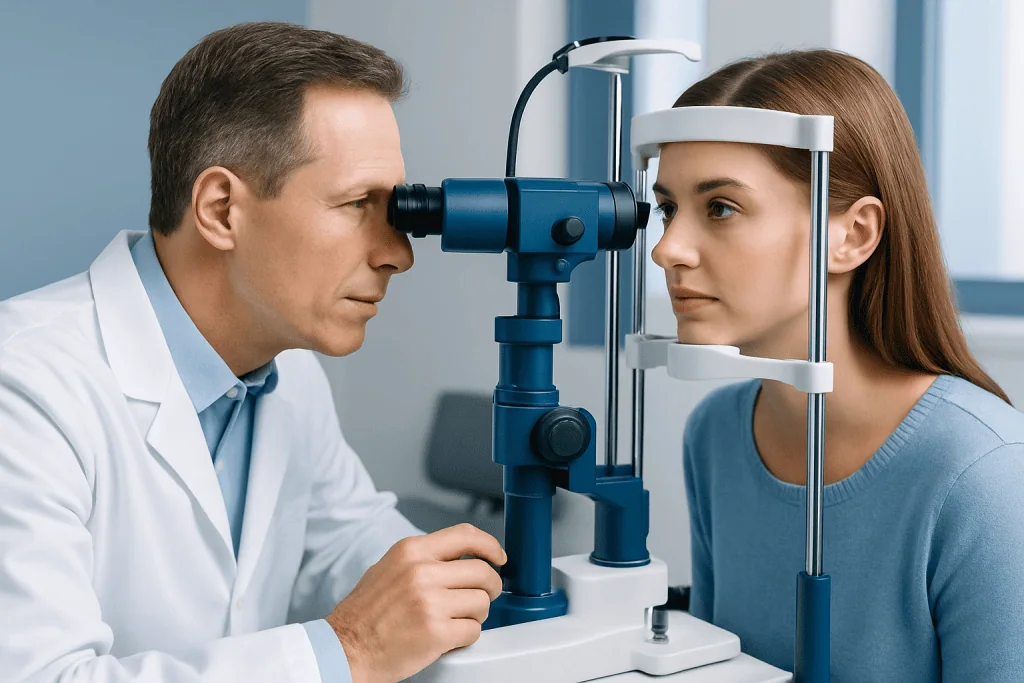
Tests may include visual acuity measurements, refraction to determine an eyeglass prescription, eye-pressure testing, slit-lamp examination of the front of the eye and pupil dilation to examine the retina and optic nerve. Optical coherence tomography, visual-field testing, corneal mapping or retinal imaging may be used when clinically indicated.
Candidacy for a specific treatment depends on the diagnosis, the health of the eye and the person’s goals. For example, cataract surgery is generally considered when lens clouding affects daily activities and the expected benefit outweighs the risks. Laser refractive surgery requires stable vision, adequate corneal health and an assessment of conditions such as dry eye, keratoconus or retinal disease.
People with diabetes should have regular dilated eye examinations because retinal changes may develop before noticeable symptoms. If diabetic eye disease is found, coordinated care with an ophthalmologist and the clinician managing diabetes can help protect vision. Related information is available on diabetic retinopathy.
What to Expect: Step-by-Step Treatment and Recovery
Non-procedural treatment often starts immediately after the cause is identified. This may mean receiving a new prescription, adjusting contact lens use, beginning eye-surface treatment, improving blood sugar management or changing a medicine only under the guidance of the prescribing clinician. Follow-up is arranged to check that vision and eye health are improving.
When a procedure is recommended, the steps depend on the condition. For cataract surgery, the eye is numbed, a small incision is made, the cloudy natural lens is removed and an artificial lens is placed. It is commonly an outpatient procedure. The care team explains preparation, the type of lens being considered, postoperative drops, activity restrictions and follow-up visits before treatment.
Recovery after a procedure can include temporary blur, light sensitivity, irritation or a foreign-body sensation. After cataract surgery, many people notice improvement over the following days, while vision may continue settling over several weeks. The individual recovery period depends on healing, pre-existing eye conditions and whether treatment is needed in one or both eyes.
Benefits of treating the underlying cause may include clearer vision, less glare, improved comfort and safer performance of daily tasks. Every treatment also has possible risks. Eye procedures may carry risks such as infection, inflammation, pressure changes, retinal complications or a need for further treatment, although the individual likelihood varies. A specialist can explain the expected benefits and relevant risks in the context of each person’s eye health.
How Long Does It Take for Blurry Vision to Heal?
How long blurry vision takes to improve depends entirely on its cause. Blur from eye strain, a mild dry-eye flare, temporary blood-sugar changes or a contact lens issue may improve within hours to days once the trigger is addressed. A new glasses prescription may require a short adaptation period, particularly with stronger prescriptions or multifocal lenses.
Conditions involving inflammation, infection, corneal injury or retinal disease may take days to weeks or longer and require close follow-up. Cataract-related blur does not usually reverse on its own, but vision often improves after cataract surgery as the eye heals. Long-standing damage to the retina or optic nerve may limit how much vision can recover.
It is important not to judge recovery only by whether the blur feels better. Follow-up examinations can confirm that the eye is healing properly and that eye pressure, the cornea and retina remain healthy. Any worsening rather than improvement should be reported promptly.
Can Blurry Vision Be Completely Resolved? Can Your Eyes Recover?
Blurry vision can be completely resolved when the cause is reversible and treated effectively. Examples may include an inaccurate prescription, dry eye, some medication effects, a removable contact lens problem or a cataract that is successfully treated. Even in these situations, ongoing eye care may still be needed because vision can change with age or health conditions.
Eyes can recover from blurry vision in many circumstances, particularly after temporary irritation, strain or short-term focusing changes. However, recovery is less predictable when blur results from damage to the retina, optic nerve or brain pathways. Early assessment and treatment offer the best opportunity to preserve vision when a serious cause is present.
Glaucoma is an example of a condition in which lost vision generally cannot be restored, but treatment can often help prevent further damage. People diagnosed with glaucoma need regular monitoring and individualized management. Learn more about glaucoma and why early detection matters.
A clinician should avoid promising a complete recovery before identifying the diagnosis. Asking about the likely outcome, the purpose of treatment and signs that require urgent review can help people make informed decisions.
What Vitamin Are You Lacking if You Have Blurry Vision?
Blurry vision does not reliably point to a single vitamin deficiency. Vitamin A deficiency can affect vision, especially night vision, and severe deficiency can harm the eye surface; however, it is not the most common explanation for blurred vision in people with access to a varied diet. Other nutritional deficiencies can affect eye or nerve health in specific circumstances, but they are not diagnosed from blurred vision alone.
Taking high-dose vitamins without medical advice is not a safe or proven treatment for unexplained blur. Excess supplements can interact with medicines or cause harm, and they may delay assessment of a treatable eye condition. A clinician may recommend blood tests if a nutritional deficiency is plausible because of diet, digestive disease, alcohol use disorder, surgery affecting nutrient absorption or other medical factors.
A balanced diet that includes a variety of vegetables, fruits, protein sources and healthy fats supports general health, but it cannot replace prescribed eye treatment. People with diabetes, restrictive diets or conditions affecting nutrient absorption may benefit from individualized advice from their healthcare team.
When to Seek Medical Care
Prompt assessment is appropriate for persistent, recurrent or gradually worsening blurry vision, even when there is no pain. An eye examination is especially important when blur affects driving, reading, work or everyday safety, or when a person has diabetes, high blood pressure, a strong family history of eye disease or recent eye surgery.
Emergency medical care is needed for sudden vision loss or a major new change in vision, particularly if it occurs in one eye. Urgent symptoms also include severe eye pain, a red eye with nausea, flashes of light, a sudden increase in floaters, a dark curtain or shadow across vision, double vision, facial weakness, weakness of an arm or leg, severe headache or difficulty speaking.
Until reviewed, people should avoid driving or operating machinery if their vision is not reliable. They should not use leftover prescription eye drops or borrow someone else’s drops, as the wrong treatment can delay appropriate care. Acibadem International’s multidisciplinary specialists and JCI-accredited hospitals assess and treat eye conditions for international patients when specialist care is needed.
Frequently asked questions
What is the most common treatment for blurry vision?
The most common treatment depends on the cause. Updated glasses or contact lenses are often helpful for refractive errors, while lubricating treatment may help dry eye. An eye examination is the best way to determine which option is appropriate.
Can stress cause blurry vision?
Stress can contribute indirectly to blurry vision through eye strain, dry eye, migraine, poor sleep or changes in blood sugar in some people. However, persistent or sudden blur should not be assumed to be stress-related. An eye professional can help rule out eye and medical causes.
Should I use eye drops for blurry vision?
Lubricating drops may help when dry eye is the cause, but they will not treat every type of blur. Redness-relieving drops are not a substitute for an eye examination and may be unsuitable for some people. Prescription drops should only be used as directed by a clinician.
Can diabetes make vision blurry?
Yes. Changes in blood sugar can temporarily affect the eye’s focusing ability, and diabetes can also lead to retinal disease over time. Regular dilated eye examinations and good diabetes management are important for protecting sight.
Why is one eye suddenly blurry?
Sudden blur in one eye may have causes ranging from a surface problem to a retinal or blood-flow emergency. It needs urgent medical assessment, especially if it is painless, severe, associated with flashes or floaters, or accompanied by neurological symptoms. Do not wait to see if it resolves on its own.
Will cataract surgery fix blurry vision?
Cataract surgery can improve blurry or cloudy vision when a cataract is the main cause. The result may be affected by other eye conditions, such as retinal disease, glaucoma or corneal problems. A preoperative examination helps clarify the likely benefit for the individual.
References
- American Academy of Ophthalmology
- National Eye Institute
- Mayo Clinic
- World Health Organization
This article is for general information only and is not a substitute for professional medical advice. Please consult a qualified doctor about your individual situation.
Explore treatments in Turkey — costs, top hospitals & a free quote
JCI-accredited · board-certified surgeons · reply within 24h
Add us as a Preferred Source to see more of our trusted health content across Google Search, AI Overviews and Discover.
Check your numbers in seconds
BMI, calories, due date, blood pressure and 30+ more clinical calculators — free, instant, doctor-reviewed ranges.

More from the Health Library



Related Specialists

Dt. Doğa Baysal
Oral and Dental Health
Prof. Dr. Sabahattin Kaymakoğlu
Gastroenterology
Dr. Salih Gülten
Urology
Prof. Dr. M. Nadir Şener
Orthopedic Surgery & Traumatology