Cvs Procedure: An Evidence-Based Patient Guide

Chorionic villus sampling usually takes place between 10 and 13 weeks of pregnancy. The test analyzes chorionic villi, which are small placental structures that usually have the same genetic makeup as the fetus.
Key Takeaways
- Chorionic villus sampling usually takes place between 10 and 13 weeks of pregnancy.
- The test analyzes chorionic villi, which are small placental structures that usually have the same genetic makeup as the fetus.
- CVS can diagnose many chromosome and inherited genetic conditions, but it does not assess neural tube defects.
- The sampling part typically takes only a few minutes, although the full appointment is longer because of ultrasound, counseling and preparation.
- CVS carries a small procedure-related risk of pregnancy loss, so its benefits and alternatives should be discussed with a prenatal specialist.
A CVS procedure, also called chorionic villus sampling, is an invasive prenatal diagnostic test that examines a small sample of placental tissue for specific chromosome and genetic conditions. It can provide early, detailed information during pregnancy, but it has a small risk of miscarriage and is offered after individualized counseling.
Overview: What Is a CVS Procedure?
A CVS procedure, or chorionic villus sampling, is a prenatal diagnostic test. A clinician collects a very small sample of tissue from the placenta and sends it to a laboratory for genetic analysis. The placenta develops from the same fertilized egg as the fetus, so its cells usually reflect the fetus’s chromosomes and many inherited genetic changes.
CVS is generally performed between weeks 10 and 13 of pregnancy. It may be considered when screening results suggest an increased chance of a chromosome condition, when there is a known inherited condition in the family, or when one or both parents carry a genetic variant that could be passed on.
Unlike screening tests, such as blood tests or cell-free DNA testing, CVS can provide a diagnostic result for the specific conditions being tested. However, it does not test for every possible health condition and does not diagnose open neural tube defects, such as spina bifida. A pregnancy care team may recommend blood testing or ultrasound later in pregnancy for that purpose.
Who May Be Offered Chorionic Villus Sampling?
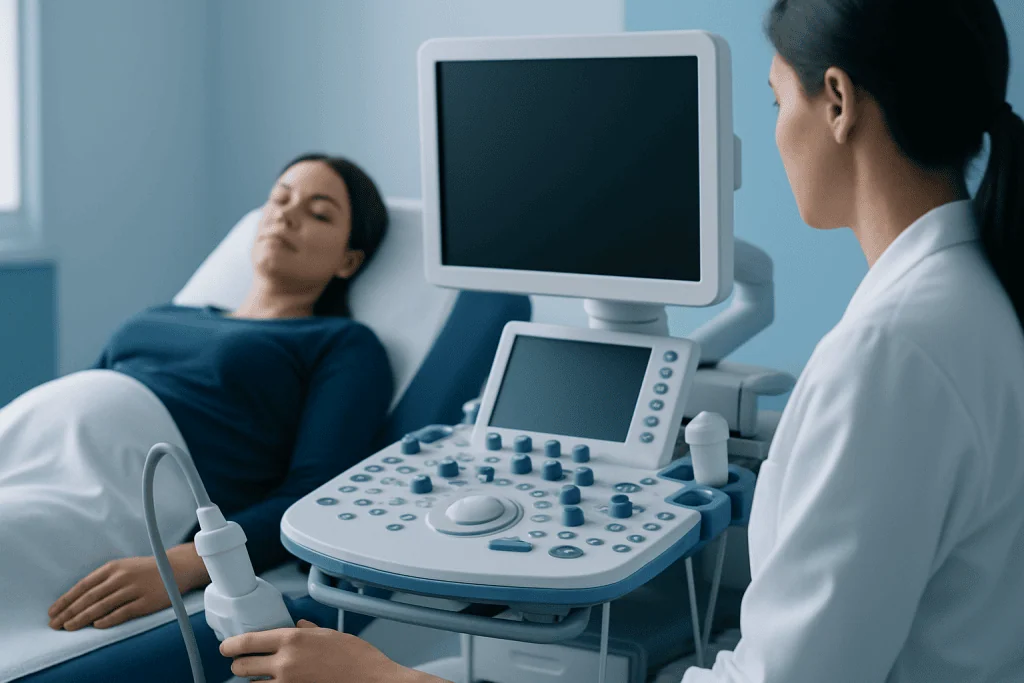
CVS is not a routine test for every pregnancy. It is usually offered when the expected value of an early diagnostic answer is likely to outweigh the small risks of an invasive procedure. Genetic counseling can help prospective parents understand what the test can and cannot show, what results may mean, and whether another testing option better fits their circumstances.
Reasons a clinician may discuss CVS include a previous pregnancy or child affected by a chromosome or genetic condition, a parent with a known genetic condition or balanced chromosome rearrangement, or an abnormal prenatal screening result. Certain ultrasound findings or a family history of a specific inherited disorder may also lead to a discussion about diagnostic testing.
Timing, placental position, maternal health, medications, bleeding, infection symptoms and the pregnancy’s ultrasound findings can affect whether CVS is appropriate on a particular day. The clinician will use ultrasound to confirm gestational age, fetal heartbeat, the number of fetuses and the safest route for collecting the sample.
Some people prefer to begin with noninvasive screening, while others want a diagnostic test sooner because a known familial condition can be specifically assessed. There is no single right choice; informed consent and non-directive counseling are important parts of prenatal care.
How the CVS Procedure Works Step by Step

Before the procedure, an ultrasound examination is performed to locate the placenta and guide the sampling. The care team explains the planned approach, reviews possible complications, and asks for consent. Depending on the clinic and the route used, patients may be asked to arrive with a comfortably full bladder, although individual instructions vary.
There are two main approaches. In transabdominal CVS, the clinician cleans the abdomen and passes a thin needle through the abdominal wall into the placenta while continuously using ultrasound guidance. In transcervical CVS, a thin catheter is guided through the vagina and cervix to the placenta. The choice depends mainly on placental location and the clinician’s assessment of safety.
A small amount of chorionic villus tissue is collected and sent for the requested laboratory studies, which may include chromosome analysis, microarray testing, or targeted testing for a known genetic condition. The needle or catheter does not enter the amniotic sac or directly touch the fetus. An ultrasound may be repeated after sampling to check the fetal heartbeat.
Patients sometimes encounter administrative phrases such as “CVS procedure codes” or a “CVS procedure CPT code” when reviewing insurance paperwork. These billing terms can vary according to the laboratory tests and services provided, so the clinic’s billing or insurance team is best placed to explain a particular claim.
How Painful Is a CVS Procedure?
Most people describe the CVS procedure as uncomfortable rather than severely painful, but experiences differ. During a transabdominal procedure, there may be a brief sting when the skin is cleaned or numbed if local anesthetic is used, followed by pressure or cramping while the sample is taken. A transcervical procedure may feel similar to a pelvic examination, with pressure and short-lived cramping.
The actual collection usually lasts a few minutes. Slow breathing, asking the clinician to describe each step, and having a support person when permitted may make the experience more manageable. The team should be told immediately if pain is severe, if there is dizziness, or if anxiety makes it difficult to proceed.
Mild cramping, tenderness or light spotting can occur afterward and often settles within a day or two. Pain that becomes intense, persistent or worsening should not be managed alone; it requires prompt advice from the pregnancy care team.
How Long Does a CVS Procedure Take?
The tissue sampling part of CVS often takes only a few minutes. However, a patient should allow more time for the full visit, which can include an ultrasound, discussion of the procedure, consent, preparation, the sampling itself and a short period of observation afterward.
Laboratory turnaround time depends on the type of testing ordered. Some preliminary chromosome results may be available sooner than full testing, while targeted or more detailed genetic tests can take longer. The clinician or genetic counselor can explain which result is expected first and how results will be communicated.
After the appointment, many clinicians advise taking it easy for the rest of the day. Instructions about work, exercise, sexual activity, travel and lifting vary by individual circumstances and local practice, so patients should follow the plan provided by their own care team.
Benefits, Risks and CVS Compared With Amniocentesis
A central benefit of CVS is timing. It can be performed earlier in pregnancy than amniocentesis, which is commonly done from around 15 weeks onward. For families facing a known genetic concern or a high-risk screening result, an earlier diagnostic answer may support planning, specialist referral and decision-making.
CVS has limitations. Because it examines placental rather than fetal cells directly, a rare finding called confined placental mosaicism can sometimes make results unclear or different from the fetal genetic makeup. In that situation, amniocentesis may be recommended to clarify the result. CVS also does not assess neural tube defects, whereas amniocentesis can help evaluate them.
Both CVS and amniocentesis are invasive procedures with a small risk of miscarriage. Comparing exact risk figures is difficult because risk depends on clinician experience, procedure technique, gestational age, pregnancy factors and how studies measure outcomes. In experienced hands, the additional procedure-related risk for either test is considered low, but neither procedure is risk-free.
Other uncommon complications include bleeding, infection, fluid leakage, cramping, or an inconclusive sample. The question “Is CVS more risky than amniocentesis?” therefore has no universal answer for an individual pregnancy. A maternal-fetal medicine specialist can compare the expected benefit, timing and risks based on the person’s own medical and pregnancy details.
Recovery, Results and When to Seek Medical Care
After CVS, light spotting or mild cramps may occur. Resting at home and monitoring symptoms is often all that is needed, but patients should follow the specific aftercare instructions given by the procedural team. If blood type is Rh-negative, an anti-D immune globulin injection may be recommended after an invasive prenatal procedure to help prevent Rh sensitization.
Patients should contact their pregnancy care team promptly for heavy vaginal bleeding, fluid leakage, fever, chills, severe or persistent abdominal pain, contractions, fainting, or any symptom that feels concerning. These symptoms do not always mean a serious complication, but they should be assessed without delay.
CVS is a prenatal genetic test, not a paternity test. A “CVS procedure paternity test” is not a standard use of chorionic villus sampling, and invasive prenatal sampling should not be undertaken solely for this purpose without expert medical and genetic counseling. Questions about relationship testing, legal requirements and test reliability should be discussed with qualified specialists.
Acibadem International’s multidisciplinary obstetric, maternal-fetal medicine and genetics specialists can evaluate prenatal diagnostic options, including CVS, for international patients in JCI-accredited hospitals. The aim is to help families understand results and next steps with respectful, individualized care.
Frequently asked questions
What is a CVS procedure?
A CVS procedure is chorionic villus sampling, a prenatal diagnostic test that collects a small sample of placental tissue. The sample can be analyzed for certain chromosome differences and inherited genetic conditions. It is usually performed between 10 and 13 weeks of pregnancy.
How painful is a CVS procedure?
Many people feel brief pressure, cramping or discomfort rather than severe pain. Sensations vary according to the sampling route, individual pain sensitivity and anxiety level. The clinician should be told immediately about severe pain or distress during the procedure.
How long does a CVS procedure take?
Collecting the tissue sample commonly takes only a few minutes. The entire appointment is longer because it includes ultrasound guidance, counseling, consent, preparation and post-procedure checks. Results can take from several days to longer depending on the laboratory test requested.
Is CVS more risky than amniocentesis?
Both CVS and amniocentesis have a small risk of miscarriage and other uncommon complications. CVS is performed earlier, while amniocentesis is generally performed later and can also assess neural tube defects. A specialist can explain which option is most suitable based on the pregnancy and the reason for testing.
Can CVS detect all genetic conditions?
No. CVS can diagnose many chromosome conditions and can be tailored to look for a known inherited condition, but it does not identify every genetic or developmental condition. It also does not assess open neural tube defects. Genetic counseling can clarify what a proposed test is designed to detect.
When should someone seek medical care after CVS?
The pregnancy care team should be contacted urgently for heavy bleeding, fluid leakage, fever, chills, severe or worsening abdominal pain, regular contractions or fainting. Mild cramping or light spotting may occur, but any symptom that feels unusual or concerning deserves professional advice. Patients should use the emergency contact instructions provided by their clinic.
References
- American College of Obstetricians and Gynecologists
- Society for Maternal-Fetal Medicine
- National Health Service
- Mayo Clinic
- MedlinePlus
This article is for general information only and is not a substitute for professional medical advice. Please consult a qualified doctor about your individual situation.
Explore treatments in Turkey — costs, top hospitals & a free quote
JCI-accredited · board-certified surgeons · reply within 24h
Add us as a Preferred Source to see more of our trusted health content across Google Search, AI Overviews and Discover.