Cancer Recovery: A Week-by-Week Timeline

Cancer recovery is different for every person and depends on the cancer type, stage, treatment plan, age and other health conditions. The first weeks often focus on managing symptoms, wound care, nutrition, hydration, sleep and safe movement.
Key Takeaways
- Cancer recovery is different for every person and depends on the cancer type, stage, treatment plan, age and other health conditions.
- The first weeks often focus on managing symptoms, wound care, nutrition, hydration, sleep and safe movement.
- Fatigue, emotional changes and changes in appetite can continue after active treatment has ended, but support and rehabilitation can help.
- Follow-up appointments are an essential part of recovery because they monitor healing, treatment effects and signs that need attention.
- Urgent symptoms such as fever during treatment, sudden breathing difficulty, chest pain or uncontrolled bleeding need prompt medical assessment.
Cancer recovery is a gradual process that may begin with healing from surgery or treatment side effects and continue for months or longer as strength, function and emotional wellbeing return. A week-by-week timeline can offer practical expectations, but each person’s recovery plan should be individualized by their oncology team.
Cancer Recovery: What to Expect
Cancer recovery describes the period of physical, emotional and practical adjustment during and after cancer treatment. It may involve recovery from surgery, chemotherapy, radiation therapy, immunotherapy, targeted therapy, hormone therapy, stem cell transplant, or a combination of treatments. Some people feel steadily better over several weeks, while others need many months to regain stamina or manage longer-term effects.
A useful way to think about recovery is as a series of milestones rather than a fixed deadline. The body needs time to repair tissue, restore blood counts, rebuild muscle and adjust to changes caused by treatment. At the same time, people may be adapting to uncertainty, work and family responsibilities, body-image changes or new follow-up routines.
Recovery does not always mean returning to exactly how life was before cancer. For many people, it means finding a stable and fulfilling new routine while managing health needs. The oncology team can help create a survivorship plan that explains follow-up visits, recommended screening, possible late effects and whom to contact with concerns.
How Cancer Treatment Affects Recovery
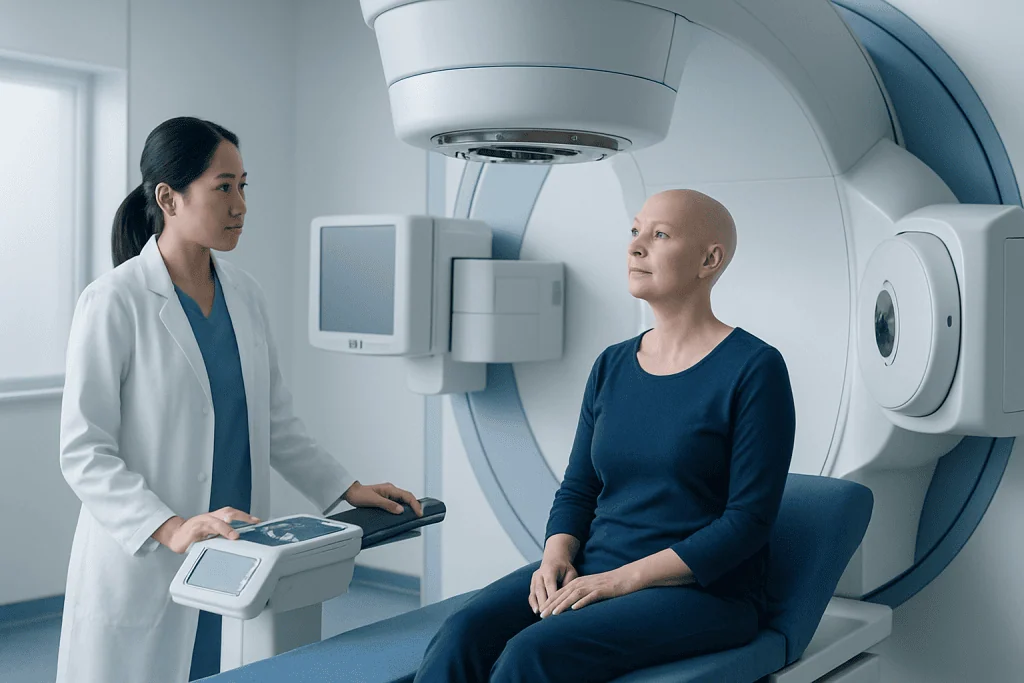
The recovery experience depends greatly on the treatment received. Surgery may cause pain, reduced mobility, swelling and temporary limits on lifting, driving or exercise. The extent of surgery, whether reconstruction was performed and the area of the body involved all influence the pace of healing.
Systemic treatments travel through the bloodstream and can affect healthy cells as well as cancer cells. Chemotherapy may cause fatigue, nausea, bowel changes, mouth soreness, nerve symptoms and lowered blood counts. Immunotherapy and targeted treatments have different side-effect patterns, including skin, bowel, hormonal or inflammatory problems that should be discussed with the treating team.
Radiation therapy usually affects the treated area. Tiredness and skin irritation can build up through treatment and may continue for a few weeks afterward. Depending on the body area treated, recovery may also include swallowing support, pelvic-floor rehabilitation, lung exercises or help with bowel and bladder changes.
Before treatment begins, clinicians assess whether a person is medically ready for the planned approach. This includes the cancer diagnosis and stage, physical function, nutrition, medical history, current medicines and personal priorities. Cancer treatment is tailored to the individual, and the recovery plan should be tailored in the same way.
Cancer Recovery Timeline: Week by Week

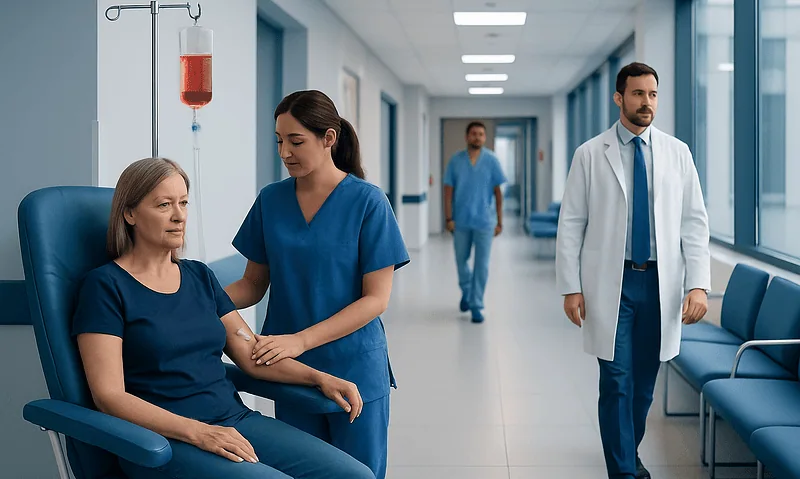
Days 1 to 7: The first week commonly centers on rest, pain or symptom control, hydration and understanding discharge instructions. After surgery, the team may monitor wounds, drains, bowel function and mobility. After chemotherapy or radiation, side effects can begin immediately or develop over the following days. Taking medicines as prescribed and reporting symptoms early can prevent small problems from becoming more difficult to manage.
Weeks 2 to 4: Many people begin short, frequent walks or other gentle activity as advised. Energy may still be limited, and it is normal to need help with daily tasks. Surgical follow-up may include checking the incision, removing staples or drains when appropriate, reviewing pathology results and discussing the next stage of treatment. Nutrition remains important, especially if appetite, taste or swallowing has changed.
Weeks 4 to 8: Healing often becomes more noticeable, although fatigue may remain significant. People may gradually resume household activities, work or structured rehabilitation, depending on medical advice. For those completing radiation or chemotherapy, some effects may peak or persist during this period before beginning to improve. New or worsening symptoms should not be assumed to be a normal part of recovery.
Months 2 to 6 and beyond: Stamina, mood, sleep and concentration can improve gradually, but recovery may continue well beyond six months. Some treatment effects resolve, while others need ongoing care, such as neuropathy, lymphedema, hormonal symptoms, fertility concerns or changes in bowel and bladder function. Follow-up care helps manage these needs and supports a safe return to exercise, travel, employment and daily life.
What Are Some Tips for Recovering From Cancer?
Recovery is usually supported by small, consistent steps rather than pushing through exhaustion. Patients should follow the individualized advice of their oncology and surgical teams, especially about wound care, activity restrictions, medicines and follow-up testing. It can help to keep a simple symptom record, including temperature if advised, pain, bowel habits, appetite, sleep and changes in energy.
Eating regular, nourishing meals and drinking enough fluids can support healing. A registered dietitian can help when nausea, mouth sores, swallowing difficulties, weight loss or altered taste make eating challenging. Gentle movement, such as short walks, stretching or prescribed rehabilitation exercises, can improve strength, mood and fatigue when it is medically safe.
Emotional recovery deserves the same attention as physical recovery. Speaking with trusted family members, a counselor, social worker, support group or spiritual care professional can help people process the experience. Rest is important, but a predictable daily routine and manageable goals can also restore confidence.
- Bring a family member or friend to important appointments when possible.
- Ask the team which symptoms are expected and which require urgent contact.
- Avoid smoking and limit alcohol, as advised by a clinician.
- Discuss vitamins, herbal products and supplements before using them, because some can interact with treatment.
- Request cancer rehabilitation support for pain, weakness, mobility issues or difficulty returning to everyday activities.
What Is a Good Prayer for Cancer Patients to Receive Healing?
Prayer can be a meaningful source of comfort, hope and connection for people with cancer and for those supporting them. The wording should reflect the person’s own faith, beliefs and preferences. Spiritual care can complement medical treatment, but it should not replace appointments, prescribed medicines or recommended cancer care.
One simple prayer is: “May you be surrounded by peace, strength and compassionate support. May your medical team have wisdom, may your body be supported through treatment, and may each day bring comfort and hope.” A person may adapt these words to their religious tradition or use a familiar prayer, scripture, meditation or quiet reflection.
Hospitals may offer chaplaincy or spiritual-care services for patients of many faiths and for people who do not follow a religion. Asking for this support can be especially helpful when cancer brings fear, uncertainty, grief or difficult decisions.
How Long Does It Take to Recover From Cancer Treatment?
There is no single recovery time for cancer treatment. Recovery after a minor procedure may take days to weeks, while healing after major surgery can take several weeks to months. Chemotherapy-related fatigue and changes in blood counts may improve between cycles or in the months after treatment, whereas radiation effects can continue for several weeks after the final session.
Some effects need longer-term management. For example, nerve symptoms after certain chemotherapy medicines, fatigue after intensive treatment, lymphedema after lymph-node procedures, or hormonal effects from endocrine therapy can last months or longer. This does not mean recovery has stopped; it means the care plan may need rehabilitation, symptom treatment and regular review.
People should avoid comparing their progress with another patient’s experience. The care team can give more realistic guidance based on the diagnosis, treatment intensity, complications, nutrition, physical condition and whether further treatment is planned. A survivorship care plan can make the next steps clearer after active treatment ends.
What Is the Life Expectancy for Someone With Stage 2 Cancer?
Stage 2 cancer does not have one life-expectancy figure. Cancer stage means different things depending on the organ involved, the tumor’s biological features, lymph-node involvement and whether cancer has spread. Outcomes also depend on the person’s age, overall health, response to treatment and access to appropriate follow-up care.
For many cancer types, stage 2 is considered an earlier or localized stage than advanced metastatic disease, and treatment may be given with the aim of removing or controlling the cancer. However, prognosis should be discussed with the oncology team, which can interpret pathology results and current evidence for that specific cancer type.
Statistics describe groups of people and cannot predict what will happen to one individual. They may also be based on people treated years earlier and may not fully reflect newer tests and therapies. Patients can ask their doctor to explain the goal of treatment, factors affecting prognosis and what follow-up will involve.
When to Seek Medical Care During Cancer Recovery
Patients should contact their oncology or surgical team promptly for symptoms that are new, severe, worsening or concerning. During chemotherapy or other treatments that may lower infection-fighting blood cells, a fever can be urgent and should be reported immediately according to the instructions provided by the treatment center.
Urgent medical assessment is also important for chest pain, sudden shortness of breath, coughing up blood, fainting, confusion, uncontrolled bleeding, a swollen or painful leg, severe dehydration, persistent vomiting, severe diarrhea, uncontrolled pain, or signs of a wound infection such as spreading redness, pus or worsening swelling. These symptoms can have several causes and should not be managed by waiting for the next routine visit.
New lumps, unexplained weight loss, continuing symptoms or persistent changes in bowel, bladder, breathing or neurological function should also be discussed with a doctor. Acibadem International’s multidisciplinary specialists and JCI-accredited hospitals support diagnosis, treatment and follow-up care for international patients with cancer.
Frequently asked questions
Is it normal to feel tired after cancer treatment ends?
Yes. Cancer-related fatigue is common during treatment and can continue afterward, even when a person is sleeping well. It often improves gradually, but persistent or worsening fatigue should be discussed with the oncology team because anemia, infection, pain, emotional distress or other conditions may contribute.
Can exercise help with cancer recovery?
For many people, appropriately paced physical activity can improve strength, function, sleep, mood and fatigue. The type and amount should be adapted to the treatment received, current symptoms and any surgical restrictions. A clinician or cancer rehabilitation professional can recommend a safe plan.
How often are follow-up visits needed after cancer treatment?
Follow-up schedules vary by cancer type, treatment and individual risk factors. Visits may be more frequent in the first years after treatment and become less frequent over time. The care team will explain which examinations, blood tests or imaging studies are appropriate.
What foods support healing after cancer treatment?
A balanced pattern that includes protein, vegetables and fruits, whole grains and adequate fluids can support recovery for many people. Specific needs can differ when there is weight loss, nausea, diarrhea, constipation, diabetes, kidney disease or swallowing difficulty. A registered dietitian can provide individualized guidance.
When can someone return to work after cancer treatment?
Return-to-work timing depends on the job, treatment effects, energy levels and medical restrictions. Some people return gradually with shorter hours or adjusted duties, while others need more time. Discussing workplace demands with the oncology team can help create a realistic plan.
Can emotional distress continue after successful cancer treatment?
Yes. Anxiety, sadness, fear of recurrence and difficulty adjusting after treatment are common and valid experiences. Counseling, peer support, mental health care and spiritual support can be helpful. Anyone with persistent low mood, severe anxiety or thoughts of self-harm should seek urgent professional support.
References
- American Cancer Society
- National Cancer Institute
- American Society of Clinical Oncology
- World Health Organization
This article is for general information only and is not a substitute for professional medical advice. Please consult a qualified doctor about your individual situation.
Persistent digestive symptoms? Get evaluated in Turkey
JCI-accredited · board-certified surgeons · reply within 24h
Add us as a Preferred Source to see more of our trusted health content across Google Search, AI Overviews and Discover.