Jefferson Meadowbrook Neurology & Infusion Center: Procedure, Recovery and Results

Neurology infusion care combines specialist assessment, medication administration and monitoring in an outpatient setting. Infusions are used for selected immune-mediated, inflammatory, headache-related and neuromuscular neurological conditions.
Key Takeaways
- Neurology infusion care combines specialist assessment, medication administration and monitoring in an outpatient setting.
- Infusions are used for selected immune-mediated, inflammatory, headache-related and neuromuscular neurological conditions.
- A person’s diagnosis, symptoms, prior treatments, infection risk and medical history help determine candidacy.
- Most infusions do not require a hospital stay, but observation during and after treatment is common.
- Benefits and side effects vary widely by medication, so individualized follow-up is an essential part of care.
Jefferson Meadowbrook Neurology & Infusion Center refers to a setting where people with neurological conditions may receive specialist evaluation and monitored infusion-based treatments. The exact procedure, recovery needs and expected results depend on the underlying condition, the medicine used and the individual’s health status.
Overview: What a Neurology and Infusion Center Does
A neurology and infusion center is an outpatient clinical setting for people who need neurological evaluation and intravenous (IV) treatment. It typically brings together neurologists, infusion nurses, pharmacists and other clinicians to assess symptoms, confirm that an infusion is appropriate, administer treatment safely and monitor the person afterward.
There is no single “Jefferson Meadowbrook Neurology & Infusion Center procedure.” The care pathway depends on why a person has been referred. Some people receive disease-modifying medicines for immune-mediated disorders, while others may need IV therapies for acute symptom control, prevention of complications or management of a chronic neurological condition.
An infusion visit is only one part of neurological care. Before treatment, the clinical team reviews the diagnosis, current symptoms, prior medicines, relevant blood tests and medical history. Afterward, follow-up helps determine whether the treatment is helping and whether the plan should continue, change or stop.
How Infusion-Based Neurology Treatment Works
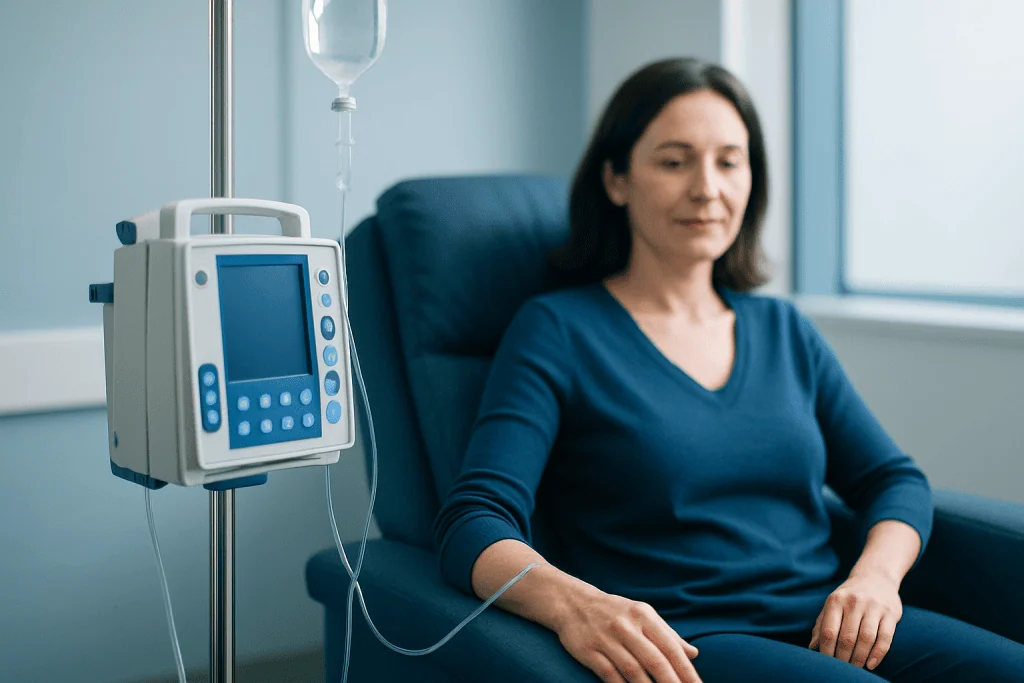
Infusion therapy delivers a medicine directly into a vein through a small IV cannula. This route may be chosen when a medicine is not available as a tablet, needs to reach a reliable blood level, must be given slowly under observation or is used intermittently rather than every day. The medicine and infusion schedule are selected by the treating neurologist.
Depending on the condition, neurological infusions may reduce inflammation, alter immune activity, replace missing antibodies, prevent attacks or help control specific symptoms. For example, immune-directed therapy can be part of care for conditions such as multiple sclerosis, while other infusion protocols may be considered for selected neuromuscular or inflammatory disorders.
Infusion care is not the same as a cure. Treatment goals may include fewer relapses, slower disease activity, improved function, symptom relief or prevention of complications. The expected benefit should be discussed in relation to the individual diagnosis, the available alternatives and the possible risks of the particular medicine.
Who May Be a Candidate

Candidacy begins with an accurate diagnosis. A neurologist considers the pattern and duration of symptoms, examination findings, imaging and laboratory results, and whether other conditions could explain the problem. They also review medicines already tried and whether the potential benefit of infusion treatment outweighs its risks.
People may be considered for infusion treatment when they have a neurological condition for which an IV medicine is recommended, when oral treatment is ineffective or poorly tolerated, or when close observation is advisable. Some treatments are used in relapsing or active disease; others are used for acute episodes or for carefully selected long-term management.
Before proceeding, clinicians commonly ask about previous reactions to infusions, allergies, infections, vaccination history, pregnancy or breastfeeding, liver or kidney problems, cancer history and other medicines. Screening tests may be required because some immune-modifying treatments can affect the body’s ability to fight infection.
- Symptoms and test results support a condition that may respond to infusion therapy.
- The person can attend scheduled monitoring and follow-up appointments.
- Potential safety concerns, including active infection, are addressed before treatment.
- The person understands the intended benefit, alternatives and possible side effects.
What Happens During an Infusion Visit
Before the appointment, the center may provide instructions about meals, fluids, regular medicines, laboratory testing and transportation. On arrival, staff confirm identity, review recent symptoms and medications, check vital signs and ask about possible infection or previous treatment reactions. If new concerns arise, the infusion may be postponed while the clinical team reassesses safety.
A nurse inserts an IV line, usually into a vein in the arm or hand. Some medicines require pre-treatment with other medicines to reduce the chance of an infusion reaction, although this varies by drug and patient. The prescribed medicine is then given over a scheduled period, which can range from relatively brief to several hours.
During the infusion, nurses monitor for symptoms such as itching, rash, flushing, headache, nausea, shortness of breath, feverishness or changes in blood pressure. If a reaction occurs, the infusion can be slowed or paused and the team can provide appropriate care. After a short observation period when needed, the IV is removed and the person can usually go home.
For people exploring specialist neurological treatment pathways, neurology care may include diagnostic evaluation, medication planning, infusion monitoring and coordinated rehabilitation or supportive care when appropriate.
Recovery Timeline and Follow-Up
Recovery after an outpatient infusion is often straightforward. Many people return home on the same day and can resume light activities if they feel well. However, tiredness, headache, mild nausea, muscle aches or temporary flu-like symptoms can occur with some treatments. The team may recommend rest, fluids and following the medication-specific aftercare instructions.
It is sensible to avoid making demanding plans immediately after a first infusion, particularly if pre-treatment medicines cause drowsiness or if a person has previously felt fatigued afterward. Someone else may need to drive the patient home in these circumstances. The timing of return to work, exercise and travel depends on how the person feels and on the treatment received.
Results are rarely assessed from one day to the next. Some treatments are intended to help symptoms over days or weeks, while disease-modifying therapies may be evaluated over months through symptom review, neurological examination, blood testing or imaging. Keeping a record of symptoms, infections and possible side effects can make follow-up discussions more useful.
Potential Benefits and Risks
The potential benefit of an infusion depends on the diagnosis and medicine. For some people, treatment can reduce inflammatory activity, lower the frequency of disease attacks, improve stability of symptoms or support daily function. For others, the main aim may be to manage a short-term neurological flare or prevent a known complication.
Risks also differ substantially between medicines. Possible short-term effects include discomfort or bruising at the IV site, fatigue, headache, nausea, rash, fever, chills or an infusion reaction. Some medicines can affect blood counts, liver function, kidney function or immune defenses, which is why laboratory monitoring and symptom checks may be needed.
Immune-modifying therapy can increase susceptibility to certain infections. Rarely, serious allergic reactions or other significant complications occur. A treating team should explain the warning signs specific to the medicine being used, along with when to call the center, seek urgent help or delay a scheduled treatment.
Shared decision-making is important. A person should feel able to ask what the medicine is expected to achieve, how treatment response will be measured, what alternatives exist and what monitoring will be required over time.
When to Seek Medical Care
Anyone who develops new, worsening or unexplained neurological symptoms should contact a qualified clinician rather than assuming that an infusion is the right answer. New weakness, loss of coordination, persistent numbness, changes in vision, severe headache, seizures, confusion or difficulty speaking require timely medical assessment.
Emergency care is needed for sudden symptoms that may indicate a stroke, including facial drooping, weakness or numbness on one side, trouble speaking or understanding speech, sudden severe imbalance, or sudden vision loss. Severe breathing difficulty, chest pain, fainting, swelling of the face or throat, or widespread hives during or soon after an infusion also require urgent emergency evaluation.
Before a scheduled infusion, patients should notify the clinical team about fever, a new cough, painful urination, a new rash, recent antibiotic use, possible exposure to a contagious illness or pregnancy. These issues do not always prevent treatment, but they may affect whether it is safe to proceed that day.
Acibadem International’s multidisciplinary specialists and JCI-accredited hospitals provide neurological assessment and treatment planning for international patients, including coordinated care when infusion-based therapy is clinically appropriate.
Frequently asked questions
What is a neurology infusion center?
A neurology infusion center is an outpatient setting where specialist-prescribed IV medicines are administered with clinical monitoring. It may support care for several neurological disorders, depending on the medicines and services available. The treating neurologist determines whether infusion therapy is suitable.
How long does a neurological infusion appointment take?
Appointment length varies by medicine, dose, first versus repeat treatment, pre-treatment medicines and observation requirements. Some visits are relatively short, while others can take several hours. The center should provide a time estimate before the appointment.
Can a person drive home after an infusion?
Some people can drive home if they feel well and have not received medicines that impair alertness. Others may feel tired or drowsy, particularly after a first treatment or pre-medication. It is best to ask the treating team in advance whether a driver is recommended.
What should a patient tell the team before an infusion?
Patients should report new illness, fever, infection symptoms, pregnancy, new medicines, recent vaccinations and any prior infusion reaction. They should also mention changes in neurological symptoms or other major health events. This information helps the team decide whether treatment can proceed safely.
How soon will results be noticeable?
The timeline depends on the condition and the medicine. Some treatments may affect symptoms within days or weeks, while others are assessed over months by tracking relapses, function, examinations, blood tests or imaging. A lack of immediate change does not necessarily mean the treatment is ineffective.
Are infusion reactions common?
Mild reactions such as headache, flushing, nausea, rash or fatigue can occur with some infused medicines, but frequency differs by drug and individual. Infusion staff monitor patients so that symptoms can be addressed promptly. Serious reactions are uncommon but require urgent assessment.
References
- American Academy of Neurology
- National Institute of Neurological Disorders and Stroke
- Multiple Sclerosis Association of America
- U.S. Food and Drug Administration
- World Health Organization
This article is for general information only and is not a substitute for professional medical advice. Please consult a qualified doctor about your individual situation.
Explore treatments in Turkey — costs, top hospitals & a free quote
JCI-accredited · board-certified surgeons · reply within 24h
Add us as a Preferred Source to see more of our trusted health content across Google Search, AI Overviews and Discover.
Check your numbers in seconds
BMI, calories, due date, blood pressure and 30+ more clinical calculators — free, instant, doctor-reviewed ranges.

More from the Health Library



Related Specialists

Prof. Dr. Gökşel Dikmen
Orthopedic Surgery & Traumatology
Dr. Adem Savur
Radiology
Fzt. Yaren Yıldız
Physical Medicine and Rehabilitation
Selvî Yüce
Physical Medicine & Rehabilitation