Integrative Cancer Treatment in Maryland: How It Works, Results and What to Expect

Integrative oncology adds supportive therapies to standard cancer treatment; it does not replace proven cancer therapies. Care plans may include nutrition support, exercise guidance, counseling, rehabilitation, sleep support and selected mind-body approaches.
Key Takeaways
- Integrative oncology adds supportive therapies to standard cancer treatment; it does not replace proven cancer therapies.
- Care plans may include nutrition support, exercise guidance, counseling, rehabilitation, sleep support and selected mind-body approaches.
- A qualified oncology team should review all supplements and complementary therapies because some can interact with cancer medicines or radiation.
- Eligibility depends on cancer type, stage, current treatment, symptoms, overall health and personal goals.
- Insurance coverage varies widely, with standard medical treatment generally covered more often than complementary services.
- Urgent symptoms during cancer treatment, including fever, breathing difficulty or sudden confusion, need prompt medical assessment.
Integrative cancer treatment in Maryland combines standard cancer treatments, such as surgery, chemotherapy, radiation therapy and immunotherapy, with evidence-informed supportive care. It is designed to help manage symptoms, support daily functioning and improve quality of life without replacing treatment recommended by an oncology team.
Overview: How Integrative Cancer Treatment Works
Integrative cancer treatment in Maryland refers to coordinated cancer care that combines conventional, evidence-based treatment with supportive therapies. Conventional treatments may include surgery, radiation therapy, chemotherapy, targeted therapy, hormone therapy, immunotherapy or stem cell transplantation when appropriate. Supportive approaches are selected to help a person manage symptoms, maintain strength and cope with the practical and emotional effects of cancer.
Integrative oncology is different from alternative cancer treatment. Alternative therapies are used instead of standard care and may delay effective treatment. Integrative care is used alongside oncology-directed treatment, with the goal of improving comfort, function and quality of life while preserving safety.
A plan is individualized and may involve medical oncologists, surgeons, radiation oncologists, nurses, dietitians, psycho-oncology professionals, rehabilitation specialists, palliative care clinicians, pharmacists and social workers. The team considers the cancer diagnosis, treatment goals, symptoms, other health conditions, medications and the person’s preferences.
Examples of supportive care can include nutritional counseling, supervised physical activity, pain and symptom management, psychological support, meditation or relaxation training, acupuncture for selected symptoms, sleep strategies and rehabilitation. The evidence and safety of each option should be reviewed in the context of the individual’s cancer treatment.
Who May Benefit and How Candidacy Is Assessed
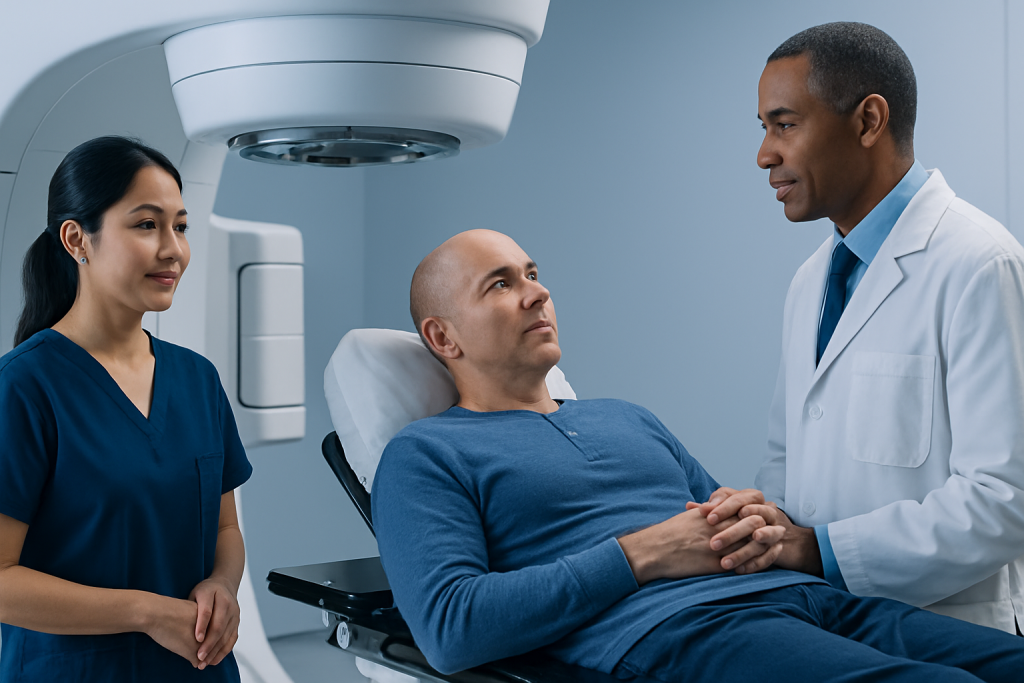
Most people with cancer can benefit from some form of supportive or integrative care, whether they are newly diagnosed, receiving active treatment, recovering after treatment or living with advanced cancer. It can be particularly useful for concerns such as fatigue, nausea, pain, appetite changes, anxiety, sleep disruption, reduced mobility, distress or difficulty returning to usual activities.
Candidacy is not based on one diagnosis alone. The oncology team reviews the cancer type and stage, treatment schedule, blood counts, immune status, nutritional state, symptoms, medical history and current medicines. They also ask what matters most to the patient, such as maintaining independence, managing treatment side effects, continuing work or family roles, or addressing emotional wellbeing.
Some therapies require additional caution. For example, people with low blood counts, infection risk, bone metastases, bleeding risk, neuropathy, severe weight loss or recent surgery may need modifications to exercise, hands-on therapies or acupuncture. Supplements and herbal products should never be started without the oncology team’s approval, since they may affect blood clotting, liver metabolism, anesthesia, chemotherapy, targeted medicines or radiation response.
Integrative support can also be part of care for related cancer concerns, including breast cancer and lung cancer, where symptom management and rehabilitation needs may change throughout treatment.
What Happens Step by Step
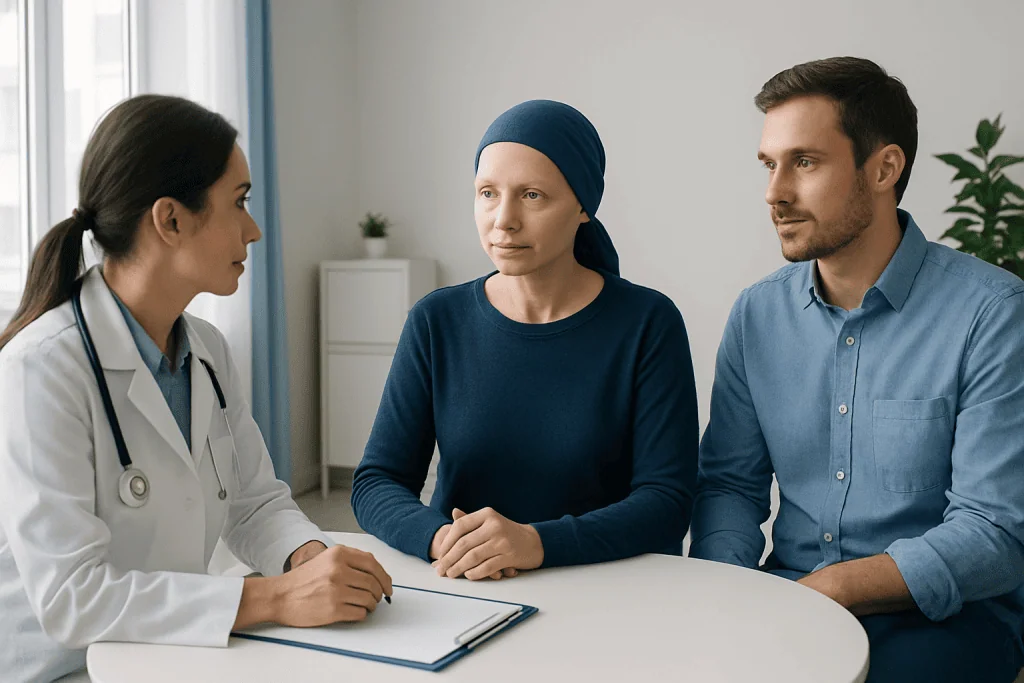
Integrative cancer care usually begins with an oncology assessment and treatment-planning discussion. The team confirms the diagnosis and stage, reviews pathology and imaging when needed, and explains the recommended cancer-directed therapies. A supportive-care assessment then identifies current symptoms, nutrition concerns, emotional needs, mobility limitations, medications, supplements and practical barriers to care.
Next, the care team creates a plan with realistic goals. A person receiving chemotherapy for nausea and fatigue, for example, may be referred for anti-nausea medication review, dietitian support, gentle activity guidance and a mind-body program. Someone preparing for surgery may receive prehabilitation advice focused on nutrition, physical conditioning, smoking cessation where relevant and recovery planning.
Supportive therapies are coordinated around the treatment schedule. This can include chemotherapy side-effect management, rehabilitation after an operation, nutritional strategies for appetite or swallowing difficulties, and counseling to support adjustment to a diagnosis. The plan is reviewed regularly because symptoms, test results and treatment goals can change.
Communication is essential. Patients should tell every clinician about vitamins, teas, herbs, topical products, restrictive diets and treatments received outside the oncology clinic. This allows the team to identify possible interactions and to recommend options with the best available evidence.
Benefits, Limits and Possible Risks
The potential benefit of integrative oncology is not a guarantee of cancer control or cure. Its strongest role is supportive: helping people manage treatment-related symptoms, improve physical function, reduce distress, support sleep and nutrition, and participate more comfortably in their cancer care. Some approaches, such as exercise programs and psycho-oncology support, may also help people maintain wellbeing during and after treatment.
Benefits depend on the individual, the therapy used and the underlying cancer treatment. For example, carefully planned physical activity can support strength and reduce fatigue for many people, while nutritional counseling can help address inadequate intake, weight changes or treatment-related eating difficulties. Palliative care can be integrated at any stage to improve symptom control and support decision-making; it is not limited to end-of-life care.
Risks can arise when supportive therapies are poorly coordinated. Certain supplements may interfere with prescribed medicines, increase bleeding risk or contribute to liver or kidney problems. Unregulated products may have variable ingredients or contamination. Intensive massage, high-impact exercise or needling techniques may be unsuitable in some situations, including low platelet counts, fragile bones or active infection.
The safest approach is to choose qualified practitioners, use therapies supported by credible evidence where possible, and involve the oncology team in every decision. Cancer treatment itself should remain guided by specialists using established diagnostic and treatment standards.
Recovery Timeline and Ongoing Support
There is no single recovery timeline because cancer treatments and individual needs differ. Some supportive measures start before treatment, such as nutritional planning, emotional support and physical conditioning. Others are introduced during treatment to address symptoms as they arise, while rehabilitation and survivorship support may continue for months or longer after treatment ends.
During active treatment, follow-up may be frequent so clinicians can monitor symptoms, blood tests, treatment tolerance and nutrition. After surgery, recovery support may focus on pain control, wound care, mobility, breathing exercises and gradual return to activity. After chemotherapy or radiation therapy, fatigue, appetite changes, skin effects, neuropathy or emotional adjustment may improve gradually, though the timing varies.
Long-term follow-up commonly includes surveillance for recurrence when appropriate, management of late effects, prevention and lifestyle counseling, and support for work, relationships and mental health. Radiation therapy and other cancer treatments may have effects that develop or resolve over different timeframes, so patients should keep scheduled follow-up appointments and report new symptoms.
For international patients, Acibadem International’s multidisciplinary specialists and JCI-accredited hospitals can coordinate cancer diagnosis, treatment and supportive care planning. A clear written care plan can also help patients continue follow-up with their local medical team after returning home.
Does Insurance Pay for Integrative Oncology?
Insurance coverage for integrative oncology varies by insurance plan, location, medical indication and provider network. Standard cancer treatments and medically necessary supportive services, such as oncology visits, prescription medicines, rehabilitation, mental health care, nutritional counseling in some settings and palliative care, are more likely to have coverage than complementary therapies.
Coverage for acupuncture, massage therapy, meditation programs, wellness coaching or certain nutrition services may be limited, require prior authorization or be available only through specific providers. Coverage can also depend on whether a service is billed for a documented cancer-related symptom, such as pain or chemotherapy-related nausea.
Before starting a service, patients can contact their insurer and ask whether the provider is in network, whether a referral or authorization is needed, what diagnosis codes are accepted and what out-of-pocket costs may apply. The cancer center’s financial counseling or patient-navigation team may be able to assist with this process.
Insurance decisions should not determine whether a person tells their oncology team about complementary therapies. Open discussion remains important for safety, including when a therapy is paid for privately.
What Is the 62 Day Rule for Cancer?
The “62 day rule” is a United Kingdom cancer-care performance standard, not a Maryland or United States law. It has been used within the UK National Health Service to measure the time from an urgent suspected-cancer referral to the start of first definitive treatment for many patients.
It is a system-level target intended to support timely diagnosis and treatment pathways. It does not mean that every cancer must be treated within exactly 62 days, and it does not determine what treatment is medically appropriate for an individual person.
In Maryland and elsewhere in the United States, timing is shaped by the urgency of symptoms, cancer type and stage, the need for staging tests or pathology review, the availability of specialists, and the treatment plan. Some cancers require urgent treatment, while others benefit from careful planning before therapy begins.
People who are concerned about delays should ask their clinician what tests remain, when results are expected, whether a referral is needed and what symptoms should prompt earlier contact. A patient navigator can often help coordinate appointments and clarify next steps.
What New Cancer Treatment Has a 100% Success Rate?
No cancer treatment has a 100% success rate across all cancers and all patients. Cancer is a broad group of diseases with different biology, stages and responses to treatment. Even highly effective therapies may not work for every person, and results depend on factors such as cancer type, molecular features, extent of disease and overall health.
Research continues to improve outcomes through targeted therapies, immunotherapies, precision medicine, advanced radiation techniques, surgical approaches and clinical trials. Some treatments can produce excellent outcomes for selected early-stage cancers or for tumors with particular molecular characteristics, but these results should be discussed in the context of an individual diagnosis.
Patients may hear promising claims about new treatments online or through advertisements. A reliable cancer specialist can explain whether a treatment is approved for a particular cancer, what evidence supports it, possible side effects, alternatives and whether a clinical trial may be appropriate.
A treatment plan should be based on pathology, imaging, staging and, when relevant, biomarker testing—not on guarantees. Seeking a second opinion can be reasonable when facing a complex diagnosis or major treatment decision.
Frequently asked questions
What is the best cancer center in Maryland?
There is no single best cancer center for every person. The most suitable center depends on the cancer type, stage, available specialists, access to clinical trials, multidisciplinary care, location, insurance network and personal preferences. Patients can ask whether a center has expertise in their diagnosis and whether their case will be reviewed by a multidisciplinary tumor board.
Is integrative cancer treatment the same as alternative medicine?
No. Integrative cancer treatment uses supportive therapies alongside standard cancer care and coordinates them with the oncology team. Alternative medicine is used instead of proven cancer treatment, which can be unsafe if it delays diagnosis or effective therapy.
Can supplements be used during chemotherapy or radiation therapy?
Some supplements may be appropriate, but they should be reviewed by an oncologist or oncology pharmacist before use. Certain vitamins, herbs and concentrated extracts can interact with treatment, affect bleeding or change how medicines are processed. “Natural” does not always mean safe during cancer treatment.
Can integrative oncology help with cancer fatigue?
It may help when fatigue is addressed through a personalized plan that considers anemia, sleep, pain, nutrition, mood, medication effects and activity level. Depending on the cause, clinicians may recommend gentle exercise, rehabilitation, sleep support, nutrition counseling or treatment adjustments. New or worsening fatigue should be reported because it can sometimes signal a medical issue needing assessment.
Is acupuncture safe for people with cancer?
Acupuncture may be considered for selected symptoms, such as pain, nausea or some treatment-related side effects, when provided by a trained clinician and approved by the oncology team. It may not be suitable for people with very low blood counts, bleeding risk, active infection or certain skin problems. The practitioner should know the patient’s diagnosis, treatment plan and recent blood test results.
When should a person seek medical care during cancer treatment?
Patients should contact their cancer team promptly for fever, chills, shortness of breath, chest pain, uncontrolled vomiting, severe diarrhea, sudden confusion, unusual bleeding, severe pain, signs of dehydration or a rapidly worsening symptom. Emergency care is appropriate for severe breathing difficulty, chest pain, loss of consciousness, stroke-like symptoms or other life-threatening concerns. The oncology team can provide individualized instructions based on the treatment being received.
References
- National Cancer Institute
- American Society of Clinical Oncology
- Society for Integrative Oncology
- National Center for Complementary and Integrative Health
- American Cancer Society
This article is for general information only and is not a substitute for professional medical advice. Please consult a qualified doctor about your individual situation.
Oncology care in Turkey — second opinion and treatment plan
JCI-accredited · board-certified surgeons · reply within 24h
Add us as a Preferred Source to see more of our trusted health content across Google Search, AI Overviews and Discover.