Driving After Surgery: Medication, Mobility, and Safety Considerations

Patients should not drive while taking opioid pain medicines, sedatives, or any medication that causes drowsiness, dizziness, or slowed reaction time. Safe driving requires the ability to sit comfortably, turn the body and head, control the steering wheel, and press the pedals quickly without pain or hesitation.
Key Takeaways
- Patients should not drive while taking opioid pain medicines, sedatives, or any medication that causes drowsiness, dizziness, or slowed reaction time.
- Safe driving requires the ability to sit comfortably, turn the body and head, control the steering wheel, and press the pedals quickly without pain or hesitation.
- The timing for returning to driving varies widely by procedure, anesthesia type, and individual recovery, so surgeon clearance is important.
- After major surgery, patients should arrange reliable transportation for follow-up visits, pharmacy trips, and everyday needs until driving is safe.
- If pain, weakness, dizziness, visual changes, or wound problems interfere with driving movements, patients should wait and contact their healthcare team.
Driving after surgery depends on more than the number of days since an operation. Medication effects, pain control, mobility, reaction time, wound healing, and a doctor's advice all help determine when it is safe to return to the road.
Overview: Why Driving After Surgery Needs Planning
Driving after surgery is a practical question for many patients, especially those who live independently or need to return to work and family routines. However, the ability to drive safely is not determined by feeling generally well alone. Driving requires alertness, judgment, coordination, strength, flexibility, and the ability to respond quickly to unexpected situations.
Surgery can temporarily affect these abilities in several ways. Anesthesia and some medicines may slow thinking or reaction time. Pain, swelling, stiffness, dressings, splints, or limited weight-bearing can make it harder to steer, brake, turn to check blind spots, or sit comfortably. Even minor procedures may require a short period of caution if sedation was used.
Because each operation and each patient are different, there is no universal rule that applies to everyone. The safest approach is to follow the surgeon’s instructions, avoid driving while impaired by medication or symptoms, and return gradually only when normal driving movements can be performed confidently and without significant pain.
How Surgery Can Affect Driving Ability
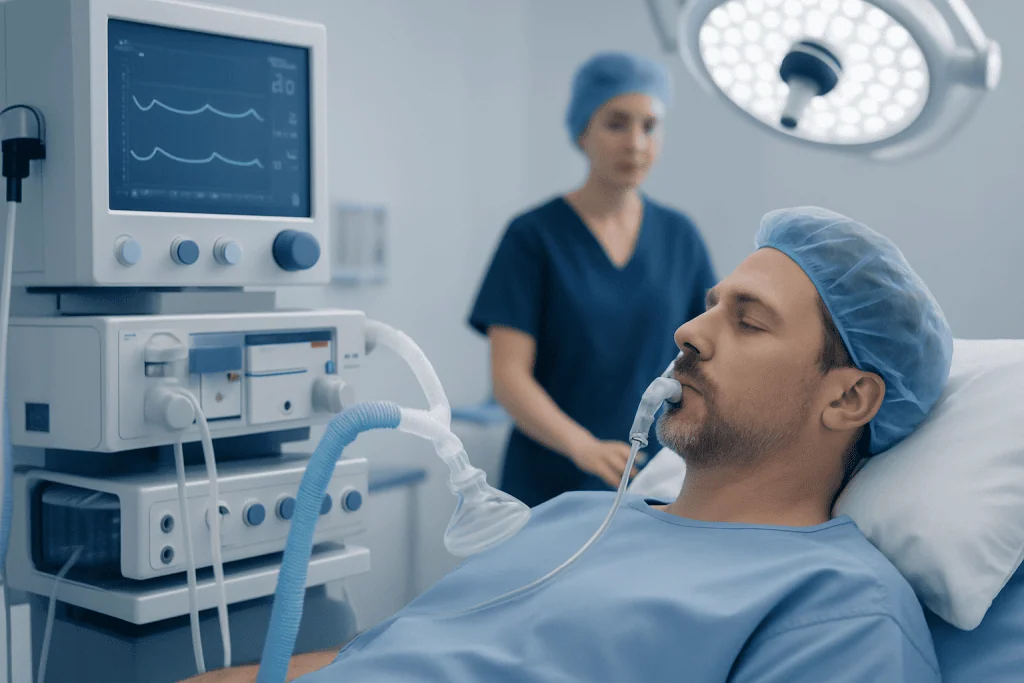
Safe driving involves many physical and mental tasks happening at the same time. A driver must scan the road, process information, make decisions, move the feet between pedals, grip and turn the wheel, and react to sudden changes. After surgery, fatigue and discomfort can make these tasks more demanding than usual.
Pain is an important factor because it can distract attention and delay movement. For example, abdominal or chest surgery may make it uncomfortable to twist the torso, shoulder surgery may limit steering, and leg or foot surgery may affect pedal control. A patient should be able to perform an emergency stop and basic driving maneuvers without hesitation before returning to the road.
Wound protection also matters. A seat belt should be worn at all times, but some surgical sites may feel tender under belt pressure. Patients can ask their care team about safe positioning or cushioning; however, anything placed near the body should not interfere with the function of the seat belt or airbags. If a patient cannot sit safely and comfortably in a proper driving position, it is better to delay driving.
Medication and Anesthesia Considerations

Medication is one of the most common reasons patients are advised not to drive after surgery. Opioid pain medicines, sleeping tablets, anti-anxiety medicines, muscle relaxants, some nausea medicines, and certain antihistamines can cause drowsiness, dizziness, blurred vision, slowed reflexes, or reduced concentration. These effects may occur even when the patient does not feel extremely sleepy.
Patients should not drive while taking opioid pain medication or any medicine that carries a warning about driving, operating machinery, or alcohol use. Alcohol should also be avoided when taking postoperative medicines unless a doctor specifically says otherwise. Combining alcohol with sedating medicines can increase impairment and may be unsafe.
Anesthesia can also have lingering effects. After general anesthesia or procedural sedation, patients are usually instructed not to drive for at least the rest of the day and often for 24 hours, depending on the procedure and local medical guidance. A responsible adult should take the patient home after surgery involving sedation or anesthesia.
Before driving again, patients should understand their medication schedule and know how each medicine affects them. If strong pain medicine is still needed to remain comfortable, driving is usually not appropriate. Patients should ask their surgeon or pharmacist whether non-sedating pain control options are suitable for their recovery stage.
Mobility, Reaction Time, and Procedure-Specific Factors
Mobility after surgery is a major part of driving readiness. The patient should be able to get in and out of the car safely, sit upright, fasten the seat belt, look over both shoulders, use mirrors, steer smoothly, and control pedals without pain or weakness. These movements should be tested while the car is parked before any road driving is attempted.
Different procedures create different limitations. After right leg, foot, or ankle surgery, pressing the brake and accelerator may be directly affected, and driving is usually delayed until weight-bearing, strength, and reaction time have recovered. After left leg surgery, driving an automatic car may be possible earlier for some patients, but pain, medication, and safe entry into the car still matter. After hand, wrist, elbow, or shoulder surgery, gripping and turning the wheel may be limited.
Abdominal, pelvic, spine, breast, or chest surgery may affect posture, twisting, and tolerance of seat belt pressure. Eye surgery or procedures that affect vision require special caution because clear vision, depth perception, and light tolerance are essential for driving. Patients who have had brain, heart, or major vascular surgery may need individualized medical clearance because alertness, balance, blood pressure, or rhythm changes can influence safety.
A useful self-check is whether the patient could perform an emergency maneuver without protecting the surgical area. If the answer is no, driving should wait. Some patients benefit from a short supervised practice in a safe, quiet area once cleared, especially after orthopedic procedures that affect limbs or posture.
Medical Clearance, Legal, and Insurance Issues
Many surgeons provide general guidance about when driving may resume, but clearance often depends on the patient’s actual recovery. The surgeon may consider the type of operation, anesthesia, pain level, medication use, wound healing, strength, and range of motion. Patients should ask directly at discharge or during follow-up: when may driving be considered, and what conditions must be met first?
Legal and insurance responsibilities vary by country and insurer. In many places, the driver is responsible for ensuring that they are medically fit to drive. If an accident occurs while a patient is impaired by medication, unable to control the vehicle properly, or driving against medical advice, insurance coverage may be affected. Patients should check their policy or local regulations if they are unsure.
Written medical clearance may be helpful, especially after major surgery, professional driving, commercial vehicle operation, or procedures involving the eyes, brain, heart, or limbs. However, a doctor’s note does not replace the driver’s responsibility to assess real-time safety. If symptoms change from one day to the next, the patient should choose the safer option and avoid driving.
Safer Transport and Self-Care While Not Driving
Planning transportation before surgery reduces stress during recovery. Patients may arrange for a family member, friend, taxi, ride service, community transport, or medical transport depending on their needs. This is especially important for follow-up appointments, physiotherapy, wound checks, laboratory tests, and medication collection.
It can also help to prepare the home before surgery. Stocking essential groceries, organizing medicines, setting up delivery services, and scheduling help with errands can reduce the pressure to drive too soon. Patients who live alone should discuss practical needs with their care team before discharge.
When the time to return to driving is near, patients can take a cautious approach. They may start with a short drive in daylight, in good weather, on familiar roads, and with another adult present if possible. Long journeys, heavy traffic, night driving, and motorway or highway driving can wait until confidence and stamina have improved.
Good recovery habits support driving readiness. These include taking medicines exactly as prescribed, attending follow-up appointments, doing recommended rehabilitation exercises, staying hydrated, resting adequately, and avoiding sudden increases in activity. If physiotherapy is prescribed, the therapist can often advise on strength, mobility, and functional movements relevant to driving.
When to See a Doctor Before Driving Again
Patients should contact their surgeon or healthcare team before driving if they have ongoing dizziness, faintness, confusion, severe fatigue, uncontrolled pain, new weakness, numbness, blurred vision, shortness of breath, chest discomfort, or difficulty moving the operated area. They should also seek advice if they still need sedating medication or if they feel unsure about their ability to react quickly.
Wound-related problems can also affect safe driving. Increasing redness, swelling, drainage, fever, or worsening pain should be assessed before normal activities are resumed. If a cast, brace, sling, or walking aid is required, the patient should ask whether it is compatible with safe driving and local rules.
For international patients or those recovering away from home, coordinated follow-up can be especially helpful. Acibadem International’s multidisciplinary specialists and JCI-accredited hospitals diagnose, treat, and support postoperative recovery for international patients, including guidance on safe activity planning after surgery.
Frequently asked questions
How soon can a person drive after surgery?
The timing depends on the type of surgery, anesthesia, medications, pain level, and mobility. Some people may return after a short period, while others need several weeks or longer. The safest answer should come from the surgeon, based on the patient's individual recovery.
Can someone drive after anesthesia if they feel awake?
After general anesthesia or sedation, patients are usually advised not to drive for at least the rest of the day and often for 24 hours. Feeling awake does not always mean reaction time and judgment have fully returned. A responsible adult should take the patient home after procedures involving anesthesia or sedation.
Is it safe to drive while taking pain medication?
Patients should not drive while taking opioid pain medicines or any medication that causes drowsiness, dizziness, blurred vision, or slowed reactions. This can include some sleep medicines, anti-anxiety medicines, muscle relaxants, and nausea medicines. A doctor or pharmacist can clarify whether a specific medicine may affect driving.
What physical abilities are needed before driving again?
A patient should be able to sit comfortably, wear a seat belt properly, turn the head and body to check surroundings, steer safely, and press pedals quickly if needed. Pain should not prevent sudden braking or turning. If these movements cannot be done confidently while parked, driving should be delayed.
Does the side of surgery matter for driving?
Yes, it can. Right leg or foot surgery often affects braking and acceleration, while arm, shoulder, or hand surgery may affect steering. Even if the operated side seems less involved, medication, fatigue, and the ability to enter and exit the vehicle safely must still be considered.
Should patients check insurance before driving after surgery?
It is sensible to check local driving rules and insurance policy requirements, especially after major surgery or procedures affecting vision, limbs, the heart, or the nervous system. Drivers are generally responsible for being medically fit to drive. Driving against medical advice or while impaired by medication may affect coverage.
What is a safe way to start driving again after recovery?
Once cleared and off impairing medicines, patients can begin with a short daytime drive on familiar, low-traffic roads. It may help to have another adult present for the first trip. Longer routes, night driving, poor weather, and heavy traffic can be added gradually as comfort and confidence return.
References
- World Health Organization
- American Society of Anesthesiologists
- Royal College of Surgeons of England
- National Health Service
- American Academy of Orthopaedic Surgeons
This article is for general information only and is not a substitute for professional medical advice. Please consult a qualified doctor about your individual situation.
Explore treatments in Turkey — costs, top hospitals & a free quote
JCI-accredited · board-certified surgeons · reply within 24h