Hand Therapy: Restoring Grip and Dexterity After Injury

Hand therapy focuses on restoring hand and wrist function for daily activities such as gripping, writing, dressing and using tools. Treatment may include exercises, splinting, swelling control, scar care, sensory retraining and education on safe movement.
Key Takeaways
- Hand therapy focuses on restoring hand and wrist function for daily activities such as gripping, writing, dressing and using tools.
- Treatment may include exercises, splinting, swelling control, scar care, sensory retraining and education on safe movement.
- A hand therapy plan is tailored to the type of injury, stage of healing, pain level, occupation and personal goals.
- Early guidance can help prevent stiffness, weakness and unsafe compensation patterns, especially after surgery or immobilization.
- Persistent pain, numbness, swelling, reduced grip or loss of finger motion should be assessed by a qualified healthcare professional.
Hand therapy is a specialized form of rehabilitation that helps people regain movement, strength, sensation and coordination after hand, wrist or upper limb injury. With an individualized plan, therapy can support recovery after fractures, tendon injuries, nerve problems, surgery, arthritis and overuse conditions.
Overview
Hand therapy is a focused area of rehabilitation for the hand, wrist, forearm and sometimes the elbow and shoulder. These parts of the body work together to allow fine and powerful movements, from buttoning a shirt to carrying shopping bags or typing at work. After injury, surgery or a medical condition, even small changes in motion, strength or sensation can make daily tasks difficult.
Hand therapy is usually provided by occupational therapists or physiotherapists with advanced experience in upper limb rehabilitation. The aim is not only to improve a single movement, but to restore useful function. A treatment plan may address pain, swelling, stiffness, grip strength, scar sensitivity, nerve recovery, joint protection and confidence in using the hand again.
Recovery is different for every person. A simple sprain may improve with short-term guidance, while tendon repair, nerve injury or complex fracture rehabilitation may take several months. Hand therapy helps patients progress safely through each stage of healing, balancing protection of injured tissues with gradual return to movement and strength.
Who May Benefit from Hand Therapy?
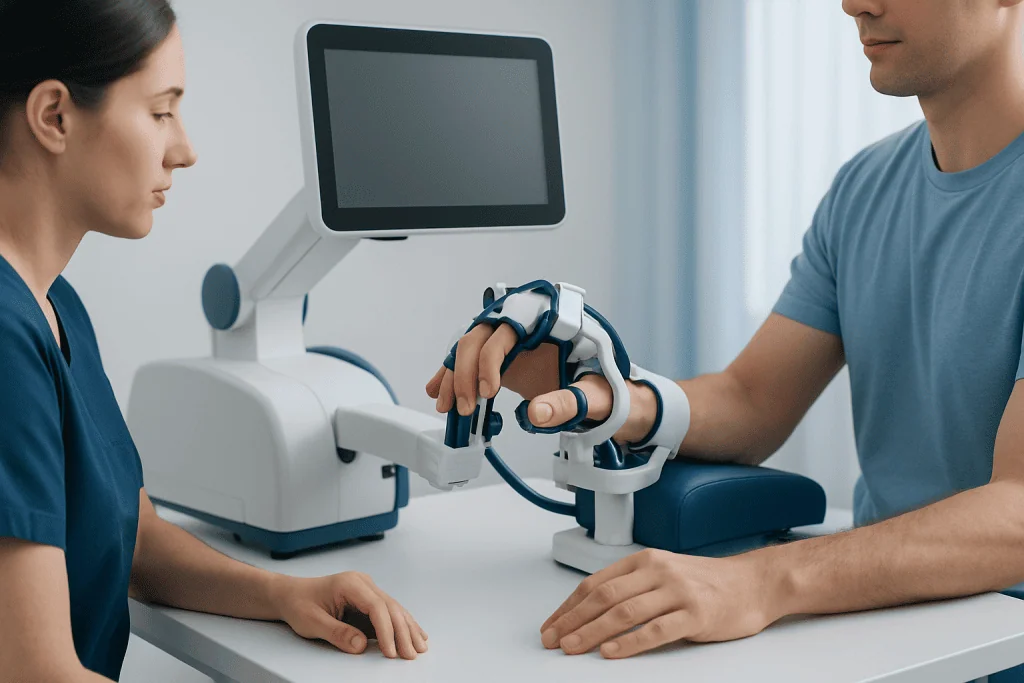
Hand therapy can help people recovering from injuries, surgery, overuse conditions or long-term disorders that affect hand function. It is commonly recommended after fractures of the fingers, hand or wrist; tendon repairs; ligament injuries; burns; crush injuries; joint replacements; and nerve conditions such as carpal tunnel syndrome. It may also support people with arthritis, trigger finger, stiffness after casting, or reduced function after stroke or other neurological conditions.
Many patients seek hand therapy because everyday activities have become limited. They may struggle to open jars, hold a pen, use a phone, cook, drive, play an instrument or return to sports. For workers, recovery may involve specific goals such as safe keyboard use, tool handling, lifting, surgical instrument control or manual tasks.
Hand therapy is also useful before or after certain procedures. Before surgery, a therapist may explain expected recovery, prepare the patient for splint use or teach swelling-control techniques. After surgery, therapy helps protect the repair while gradually restoring motion according to the surgeon’s protocol.
Common Problems After Hand or Wrist Injury
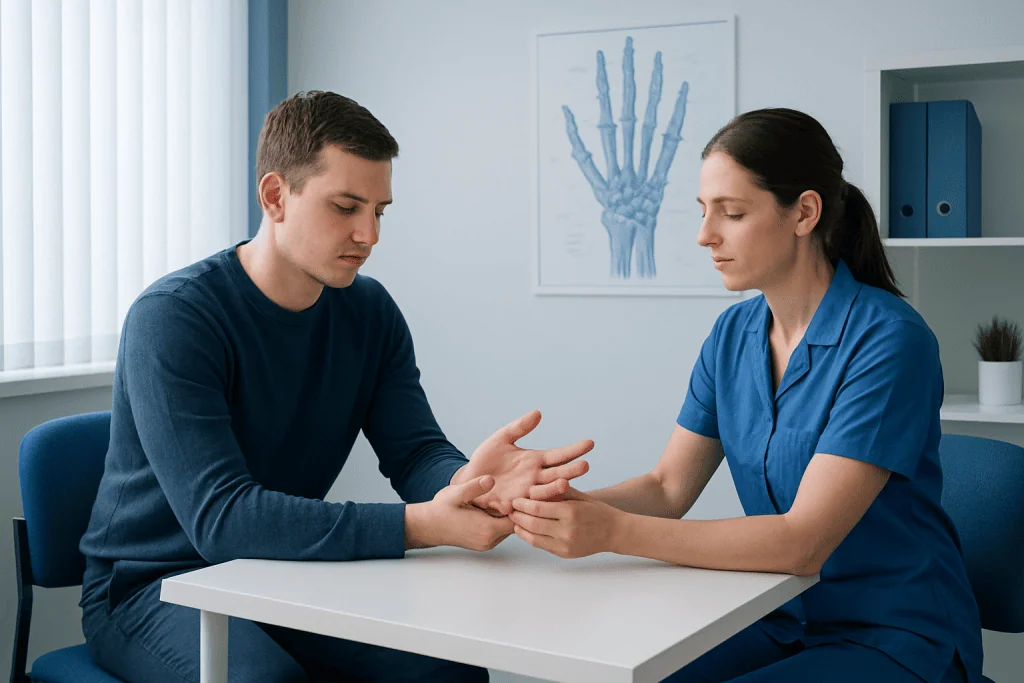
After a hand or wrist injury, the body naturally protects the area. This can lead to swelling, pain and reduced movement. If a joint or tendon is immobilized for a period of time, stiffness and weakness can develop. The skin and scar tissue may become sensitive, and the hand may feel less coordinated than before.
Common symptoms that hand therapy addresses include difficulty making a fist, reduced pinch or grip strength, finger stiffness, wrist tightness, tingling, numbness, hypersensitivity, tremor, poor coordination or fear of using the hand. Some people also notice that other areas, such as the shoulder or neck, become uncomfortable because they are compensating for the injured hand.
These problems do not always mean that recovery is going poorly. They are often part of the healing process, especially after surgery or a period in a cast or splint. However, guided rehabilitation can help ensure the hand is moving at the right time, in the right way and with the right level of challenge.
Assessment and Rehabilitation Planning
A hand therapy assessment begins with understanding the injury, medical history, work and daily needs. The therapist may ask about pain, swelling, numbness, sleep, hobbies, job tasks and goals. They may also review surgical notes or imaging reports when available, because the type of tissue injured strongly influences what movements are safe.
The physical assessment may include measuring finger and wrist range of motion, grip and pinch strength, swelling, scar mobility, sensation, coordination and how the hand performs functional tasks. In some cases, the therapist observes how the person lifts, writes, types or handles objects to identify movement patterns that could slow recovery.
The plan is then individualized. Early goals may focus on protecting healing tissues, reducing swelling and preventing unnecessary stiffness. Later goals often include strengthening, dexterity training, endurance, work simulation and return to sport or hobbies. The therapist adjusts the program as healing progresses and communicates with the surgeon or doctor when needed.
Hand Therapy Treatment Options
Hand therapy uses a combination of techniques selected for the patient’s condition and stage of healing. Treatment is usually active, meaning the patient learns exercises and strategies to practice safely at home. The therapist provides hands-on guidance and monitors how the hand responds, but consistent home practice is often a key part of progress.
Common components of hand therapy may include:
- Range-of-motion exercises to improve finger, thumb and wrist movement.
- Strengthening exercises for grip, pinch, wrist and forearm muscles when tissues are ready.
- Splints or orthoses to protect repairs, support joints, reduce contractures or improve positioning.
- Swelling management, including elevation, compression garments or gentle movement strategies.
- Scar care and desensitization to improve comfort and tissue glide after surgery or wounds.
- Sensory retraining for numbness, tingling or altered feeling after nerve injury.
- Dexterity training using tasks that improve coordination, speed and precision.
- Education on joint protection, ergonomics and safe return to work or sport.
Some patients may receive modalities such as heat, cold, ultrasound or electrical stimulation as part of a broader plan. These tools are generally used to support comfort or tissue preparation, not as a replacement for therapeutic exercise and functional training. The most effective programs usually combine symptom management with progressive use of the hand in meaningful activities.
Recovery, Home Exercises and Self-Care
Recovery after a hand injury can feel gradual because the hand performs many precise movements. Tendons, ligaments, bones, nerves and skin all heal at different rates. A person may regain basic movement before strength or fine coordination fully returns. For this reason, a therapist often sets short-term goals, such as reducing swelling or improving finger bending, alongside longer-term goals such as returning to work or sports.
Home exercises are usually simple but specific. Patients may be asked to practice gentle tendon gliding, finger blocking, wrist motion, grip work, pinch tasks or coordination activities. It is important that exercises are performed exactly as instructed, because doing too much too early can irritate healing tissues, while doing too little may increase stiffness.
Self-care strategies can support therapy. Keeping the hand elevated when swollen, following splint instructions, caring for scars as advised, pacing activities and avoiding tobacco can all help healing conditions. Patients should also protect the hand from burns or cuts if sensation is reduced, since numb areas may not feel temperature or pressure normally.
Progress should be steady but not forced. Mild discomfort during stretching or strengthening may occur, but sharp pain, increasing swelling, color changes or new numbness should be reported. A therapist can modify the program so rehabilitation remains safe and productive.
When to See a Doctor or Hand Specialist
Medical assessment is important after any significant hand or wrist injury, especially if there is deformity, an open wound, severe swelling, inability to move a finger, loss of sensation, persistent pain or suspected fracture. Early evaluation helps identify injuries that may need imaging, splinting, surgery or specialist rehabilitation.
A person should also seek medical advice if recovery seems to stall, if the hand becomes increasingly stiff, if numbness or tingling continues, or if daily function remains limited despite rest. Conditions such as tendon injuries, nerve compression and complex ligament problems may not always improve with self-care alone.
Hand therapy works best when it is coordinated with the treating doctor, surgeon or rehabilitation team. Acibadem International’s multidisciplinary specialists and JCI-accredited hospitals diagnose and treat hand and upper limb conditions for international patients, including rehabilitation planning when appropriate. Patients should consult a qualified healthcare professional for recommendations tailored to their diagnosis and recovery stage.
Frequently asked questions
What is the difference between hand therapy and regular physiotherapy?
Hand therapy is a specialized form of rehabilitation focused on the hand, wrist and upper limb. It often includes detailed work on fine motor control, splinting, scar care, tendon and nerve recovery, and return to hand-specific tasks. Many hand therapists are occupational therapists or physiotherapists with additional training in upper limb conditions.
When should hand therapy start after an injury or surgery?
The timing depends on the diagnosis and the tissues involved. Some patients begin gentle therapy within days, while others need a period of immobilization before movement starts. The surgeon or doctor usually provides precautions, and the therapist follows a safe plan based on the stage of healing.
Will hand therapy be painful?
Hand therapy should not be excessively painful. Some stretching or exercise may cause mild discomfort, especially when stiffness is present, but sharp or worsening pain should be reported. The therapist can adjust the intensity, technique or splinting approach to keep rehabilitation safe.
How long does it take to regain grip strength?
Grip strength recovery varies widely depending on the injury, surgery, age, general health and consistency with therapy. Minor injuries may improve in weeks, while fractures, tendon repairs or nerve injuries may require several months. Strength is usually rebuilt gradually after motion and tissue healing are adequate.
Can hand therapy help numbness or nerve symptoms?
Hand therapy can help manage some nerve-related symptoms through education, splinting, nerve gliding, sensory retraining and activity modification. However, persistent numbness, weakness or tingling should be assessed by a doctor to identify the cause. Some nerve conditions require medical or surgical treatment in addition to rehabilitation.
Do patients need to do exercises at home?
Yes, most hand therapy programs include home exercises. The exercises are usually brief but need to be done consistently and correctly. Following the therapist’s instructions helps maintain progress between sessions and supports a safer return to daily activities.
References
- American Society of Hand Therapists
- American Academy of Orthopaedic Surgeons
- National Institute for Health and Care Excellence
- Mayo Clinic
- World Health Organization
This article is for general information only and is not a substitute for professional medical advice. Please consult a qualified doctor about your individual situation.
Joint and spine care in Turkey — expert assessment & treatment
JCI-accredited · board-certified surgeons · reply within 24h