A Knot on the Inner Thigh Can Be a Cyst, Node, or Hernia

A knot on the inner thigh is most often a minor skin problem such as an inflamed hair follicle, cyst, or boil, though swollen lymph nodes, lipomas, and hernias can feel similar. See a doctor if the lump grows, becomes red or very painful, drains pus, comes with fever, or lasts more than a few weeks.
Key Takeaways
- A knot on inner thigh can come from skin, fat, lymph nodes, blood vessels, muscle, or nearby groin structures.
- Common causes include boils, cysts, swollen lymph nodes, lipomas, and friction-related irritation.
- Redness, warmth, rapid growth, severe pain, fever, or a lump that does not improve should be checked by a doctor.
- Diagnosis may involve a physical exam, ultrasound, or other tests depending on the lump’s location and features.
- Treatment depends on the cause and may range from warm compresses and observation to drainage, antibiotics, or surgery.
You’re getting dressed, your hand brushes your inner thigh, and there it is — a lump that wasn’t there last week. It’s a common thing to find, and it’s a symptom rather than a diagnosis on its own.
Sometimes the cause is minor: skin irritation, an ingrown hair. But a knot in this area can also be a cyst, a swollen lymph node, a hernia, or another condition that deserves medical assessment.
Overview: what a knot on inner thigh can mean
A knot on inner thigh is usually a small lump, swelling, or firm area felt under or within the skin near the upper leg. In many cases, it is related to a localized issue such as an inflamed hair follicle, a cyst, friction, or a swollen lymph node in the groin. Some lumps are soft and movable, while others feel tender, warm, or fixed in place.
The inner thigh is a unique area because skin rubs together, sweat collects easily, and nearby structures include lymph nodes, blood vessels, muscles, and the groin. For that reason, several different problems can cause a similar sensation of a “knot.” The appearance, timing, pain level, and whether the lump changes over time all help guide what it might be.
Most causes are not emergencies. But don’t ignore a knot that grows, becomes very painful, turns red, drains pus, or comes with a fever. The same goes for a lump that hangs around for several weeks, keeps coming back, or feels deep in the groin — get it looked at so the cause can be identified accurately and treated properly.
Common symptoms and how the lump may feel
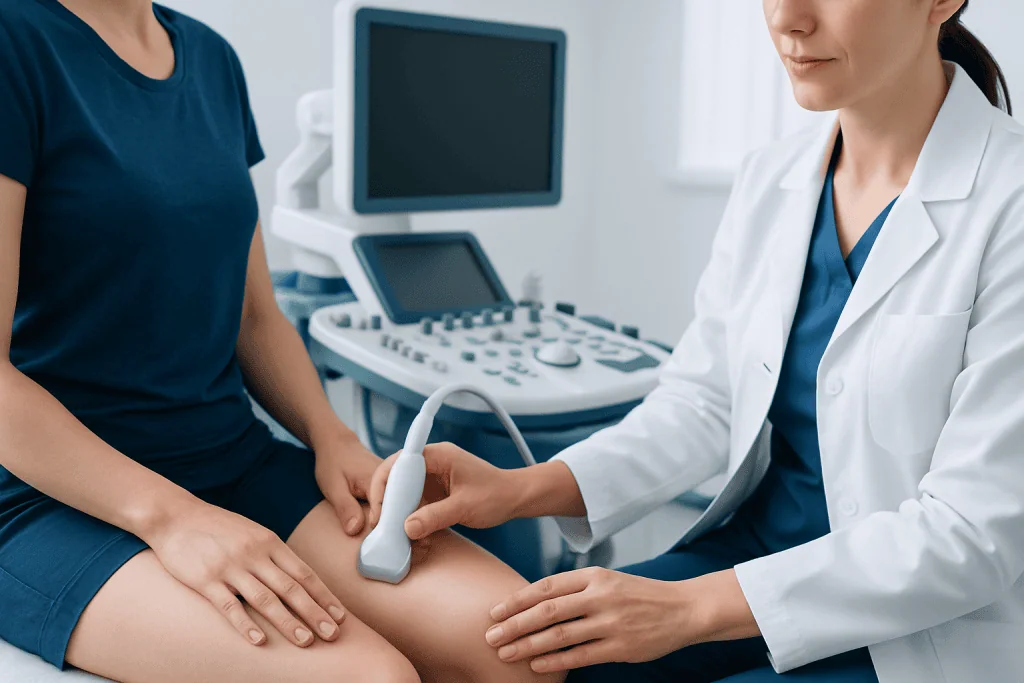
People describe a knot on inner thigh in different ways: a pea-sized bump under the skin, a painful boil, a soft bulge, or a firm tender spot near the groin crease. Some lumps are discovered by touch alone, while others are visible and may cause rubbing discomfort when walking, exercising, or sitting.
Symptoms often provide clues. A red, warm, painful bump may suggest an inflamed cyst, infected hair follicle, or abscess. A soft, rubbery, movable lump may be more consistent with a lipoma, which is a benign fatty growth. A lump linked with soreness in the groin after infection, shaving irritation, or a skin wound may represent a reactive lymph node.
Associated symptoms can include:
- Tenderness or throbbing pain
- Redness, warmth, or swelling
- Drainage of fluid or pus
- Itching or skin irritation
- Fever or feeling unwell
- A bulge that becomes more noticeable when standing, coughing, or straining
Watch how the lump behaves over time. One that shrinks after a few days of rest and skin care is telling you something quite different from one that keeps growing or returns again and again in the same spot.
Causes and risk factors

The most common causes of a knot on inner thigh are skin and soft tissue problems. Friction from walking, tight clothing, shaving, sweating, and blocked hair follicles can lead to folliculitis, boils, or small abscesses. Epidermoid or sebaceous-type cysts can also form under the skin and may become inflamed. In some people, repeated painful lumps in areas of friction may be related to hidradenitis suppurativa.
Other benign causes include lipomas, which are soft fatty lumps beneath the skin, and enlarged lymph nodes. Groin lymph nodes may swell when the body is responding to a nearby skin infection, irritation, fungal rash, insect bite, or infection affecting the leg, genitals, or lower abdomen. A muscle strain or small hematoma after exercise or injury can also create a lump-like feeling.
Some lumps are related to structures deeper in the groin. An inguinal or femoral hernia may feel like a bulge near the upper inner thigh or groin and may become more obvious with coughing or lifting. Less commonly, enlarged veins, vascular abnormalities, or tumors of soft tissue can present as a mass in this area. Because uncommon but important causes exist, a persistent or unclear lump should be assessed rather than self-diagnosed.
Risk factors depend on the cause but may include obesity, repetitive friction, shaving, diabetes, smoking, poor-fitting clothing, recent skin injury, past cysts or boils, and a history of hernia. People with weakened immunity may be more prone to skin infections and should be especially careful with any tender or worsening lump.
How doctors diagnose a knot on inner thigh
Diagnosis begins with a medical history and physical examination. A doctor will usually ask when the lump was first noticed, whether it is painful, if it has changed in size, and whether there are symptoms such as fever, drainage, recent infection, injury, shaving irritation, or weight loss. The exact location matters because a superficial skin lump is approached differently from a deeper groin mass.
During the exam, the doctor may check whether the lump is soft or firm, movable or fixed, warm, red, fluctuant, or reducible. A reducible bulge that becomes more visible with coughing can suggest a hernia. Tenderness and warmth may point toward infection, while a soft mobile lump may favor a lipoma. Nearby lymph nodes and the surrounding skin are also assessed.
If the cause is not clear, imaging may help. Ultrasound is often the first useful test because it can show whether a lump is fluid-filled, solid, inflamed, or related to a hernia or lymph node. In selected cases, blood tests, a sample of drainage, or further imaging may be needed. When a mass looks suspicious or does not behave like a common benign lump, a biopsy or referral to a specialist may be recommended.
Here’s the thing: how a lump feels under your fingers doesn’t always tell the full story. A proper examination spares you unnecessary worry, and gets you treated on time when the cause is something that shouldn’t wait.
Treatment options based on the cause
Treatment for a knot on inner thigh depends on what is causing it. Minor irritation, a small ingrown hair, or a mildly inflamed follicle may improve with gentle hygiene, loose clothing, and warm compresses. Squeezing or attempting to pop a lump is not advised, because this can worsen inflammation, push infection deeper, or lead to scarring.
If there is a boil, abscess, or bacterial skin infection, medical care may involve antibiotics, drainage, or both. A painful fluid collection may need a minor procedure to release the pus safely. If doctors identify an uncomplicated fatty lump, treatment may not be necessary unless it causes discomfort, growth, or uncertainty about the diagnosis. In some cases, lipoma removal or cyst removal may be discussed.
When the lump is due to enlarged lymph nodes, care focuses on the underlying trigger, such as a skin infection or another inflammatory problem. If the cause is a hernia, management depends on symptoms and exam findings; some patients may need surgical evaluation, including hernia surgery. Persistent draining lumps or recurrent painful nodules may need a dermatology or surgery review, especially when conditions such as inguinal hernia or chronic inflammatory skin disease are being considered.
Some lumps need more than one set of eyes — surgery, dermatology, imaging, and general medicine working from the same page. Acibadem International’s multidisciplinary specialists and JCI-accredited hospitals diagnose and treat this kind of problem for international patients when further evaluation is needed.
Self-care, prevention, and what not to do
Practical self-care can reduce irritation and may help prevent some common causes of inner thigh lumps. Keeping the area clean and dry, changing out of sweaty clothing promptly, and using breathable fabrics can reduce friction and follicle blockage. For people prone to chafing, anti-friction barriers and properly fitting clothing may help.
Shaving carefully or trimming instead of close shaving may lower the risk of ingrown hairs and folliculitis. If a lump is mildly tender but there are no warning signs, warm compresses for short periods may provide relief and support natural drainage of a superficial inflamed follicle. However, heat should not replace medical care when there is significant redness, severe pain, fever, or rapid enlargement.
It is best not to squeeze, cut, or puncture a knot on inner thigh at home. Home drainage can spread infection, cause skin damage, and make the diagnosis harder. Over-the-counter pain relief may help discomfort for some people, but any medicine should be used according to label directions and individual medical advice.
Prevention also includes managing health factors that increase recurrence, such as controlling diabetes, stopping smoking, and seeking care for recurring boils or cysts. Repeated painful nodules in the same body area should be medically reviewed instead of treated repeatedly as isolated pimples.
When to seek medical care
Medical care is appropriate if a knot on inner thigh lasts more than two to four weeks, keeps coming back, or is causing ongoing pain or difficulty walking. An appointment is also sensible when the cause is not obvious, the lump feels deep, or there are multiple swollen nodes or bumps.
More urgent assessment is needed if the lump becomes red, hot, and very painful; drains pus; grows quickly; or is accompanied by fever, chills, nausea, or feeling generally unwell. A groin or upper inner thigh bulge that is firm, cannot be pushed back, or causes sudden severe pain should be evaluated promptly because hernias can occasionally become trapped.
Most inner thigh lumps are harmless, but any mass that persists or feels hard, fixed, or unexplained should be examined to rule out less common causes. And don’t think of an early appointment purely as a hunt for something serious — more often, it’s simply the fastest route to relief and the right treatment.
Frequently asked questions
Is a knot on inner thigh usually serious?
Often, no. Many cases are caused by a boil, cyst, swollen lymph node, or friction-related skin problem. Still, a lump that persists, grows, or becomes very painful should be checked by a doctor.
Can a swollen lymph node cause a knot on inner thigh?
Yes, especially near the groin. Lymph nodes can enlarge when the body is reacting to a skin infection, irritation, or another nearby inflammatory problem. If the swelling does not settle or other symptoms appear, medical evaluation is appropriate.
What is the difference between a cyst and a lipoma?
A cyst is usually a sac-like lump under the skin that may become inflamed or infected. A lipoma is a benign fatty lump that is often soft, movable, and usually not painful. A physical exam and sometimes ultrasound help distinguish them.
Should a knot on inner thigh be squeezed or popped?
No. Squeezing can worsen inflammation, spread infection, and increase the chance of scarring. If the lump appears infected or full of pus, it is safer to have it assessed and, if needed, drained by a healthcare professional.
Can exercise cause a lump in the inner thigh area?
Sometimes. Strain, minor bleeding into tissue after injury, or a hernia that becomes more obvious with exertion can create a lump-like sensation. If the lump appears after exercise and does not quickly improve, a doctor should examine it.
When should someone worry about a knot on inner thigh?
It is worth prompt medical attention if the lump is rapidly growing, hard, fixed, very painful, associated with fever, or draining pus. A bulge with sudden severe groin pain or one that cannot be pushed back also needs urgent assessment.
This article is for general information only and is not a substitute for professional medical advice. Please consult a qualified doctor about your individual situation.
Hair transplant in Turkey — costs, graft counts & a free assessment
7 JCI-accredited hospitals · board-certified surgeons · reply within 24h
Add us as a Preferred Source to see more of our trusted health content across Google Search, AI Overviews and Discover.

Medically reviewed by the Acıbadem International Medical Board — August 24, 2026
See our medical review board →
Update history
- PublishedAugust 6, 2026
- Medical review approvedAugust 24, 2026
- Last content updateAugust 24, 2026
References1
- Swollen Lymph Nodes — MedlinePlus — medlineplus.gov
Dermatology Specialists at Acibadem




Related Treatments
Related Conditions
More from the Health Library

Angiomas Are Benign Vessel Growths With Several Types

Dark Blue Nails Range From Cold Fingers to Low Oxygen

Clear Skin Depends on Barrier Health, Not Perfection

Comedonal Acne Causes Whiteheads and Blackheads, Not Cysts

Red Dots on Skin Range From Harmless Spots to Bleeding Signs