Acne Vulgaris
Acne Vulgaris is a common skin condition causing pimples, blackheads and cysts. Learn symptoms, causes, diagnosis and treatment options.
Quick answer
Acne vulgaris is a common skin condition in which hair follicles become clogged with oil and dead skin cells, causing blackheads, whiteheads, pimples, or deeper cyst-like lesions. Treatment depends on severity and may include medical skin-care plans, topical or oral medicines, and procedure-based options, with assessment and follow-up by dermatology specialists at Acibadem in Turkey.
What is acne vulgaris?
Acne vulgaris is the medical name for common acne, a skin condition that develops when hair follicles (the tiny openings in the skin from which hairs grow) become blocked with oil and dead skin cells. The blockage can lead to blackheads, whiteheads, and inflamed spots such as pimples, and in more severe cases to deeper, painful lumps under the skin. In the international classification of diseases, acne vulgaris is coded as ICD-10 L70.0.
If you have searched for what is acne vulgaris and how it differs from ordinary breakouts, the short answer is that they are usually the same thing. “Vulgaris” simply means “common” in Latin, and this is by far the most frequent form of acne seen by doctors. Other, less common forms of acne exist, which is why dermatologists (doctors who specialize in skin conditions) use the full name to be precise.
Acne vulgaris most often begins during puberty, when hormone levels rise and the skin’s oil glands become more active. It affects a large proportion of teenagers to some degree, but it is not limited to adolescence. Many adults, particularly women, continue to have acne into their twenties, thirties, and beyond, or develop it for the first time in adulthood. Acne can appear in all skin types and skin tones. It most commonly affects the face, but it also frequently appears on the chest, upper back, and shoulders, because these areas have a high concentration of oil glands.
Although acne is not dangerous to general health in most cases, it can cause lasting scars and can have a real effect on self-esteem and emotional well-being. For these reasons, doctors take acne vulgaris seriously and treat it as a genuine medical condition rather than a cosmetic concern.
Symptoms of acne vulgaris
Acne vulgaris symptoms vary from person to person and can range from a few small blackheads to widespread, painful nodules. The main types of acne lesions (spots) include:
- Whiteheads (closed comedones): small, flesh-colored or white bumps caused by a blocked pore that remains closed at the skin surface.
- Blackheads (open comedones): blocked pores that are open at the surface. The dark color comes from oxidation of the material in the pore, not from dirt.
- Papules: small, red, tender bumps caused by inflammation in and around the follicle.
- Pustules: red bumps with a visible white or yellow center of pus; these are what most people call pimples.
- Nodules: larger, firm, often painful lumps that form deeper under the skin.
- Cysts: deep, pus-filled lesions that can be painful and carry a higher risk of scarring.
Symptoms often differ by stage and severity. Mild acne usually consists mainly of comedones (blackheads and whiteheads) with only occasional inflamed spots. Moderate acne involves more numerous papules and pustules. Severe acne, sometimes called nodulocystic acne, features nodules and cysts, may cover larger areas of the face, chest, or back, and frequently leads to scarring if left untreated.
Other acne vulgaris symptoms and related changes can include oily skin, tenderness or soreness around inflamed spots, and darker or lighter marks left behind after spots heal. In people with darker skin tones, post-inflammatory hyperpigmentation (dark marks that remain after a spot has cleared) is common and can last for months. Permanent scarring, which may appear as small pits, depressions, or raised areas of skin, is more likely with severe or long-standing acne and with picking or squeezing spots.
Acne can also affect mood. Feelings of embarrassment, anxiety, or low mood related to acne are common and are a valid reason to seek medical care, regardless of how severe the acne looks to others.
Causes and risk factors
Acne vulgaris causes are well understood in broad terms. Four main processes work together inside the hair follicle:
- Excess oil production: the sebaceous glands (oil glands attached to hair follicles) produce more sebum, the skin’s natural oil, often under the influence of hormones called androgens.
- Blocked follicles: dead skin cells that should be shed normally instead stick together and clog the pore.
- Bacteria: a bacterium that normally lives on the skin, Cutibacterium acnes (formerly called Propionibacterium acnes), multiplies inside the blocked follicle.
- Inflammation: the body’s immune response to the blockage and bacteria causes redness, swelling, and pus.
Several factors can make acne more likely or make existing acne worse:
- Hormonal changes: puberty, the menstrual cycle, pregnancy, and conditions such as polycystic ovary syndrome (a hormonal condition affecting the ovaries) can all influence acne.
- Family history: acne tends to run in families, and having parents who had significant acne may increase your risk.
- Medications: certain drugs, including some corticosteroids, hormonal treatments, and other medications, can trigger or worsen acne.
- Occlusive products and friction: heavy, greasy skin or hair products, and repeated pressure or rubbing from helmets, straps, or tight collars, can contribute to blocked pores.
- Diet: the role of diet is still being studied. Some evidence suggests that high-glycemic diets (foods that raise blood sugar quickly) and, in some people, certain dairy products may be linked to acne, but responses vary between individuals.
- Stress: stress does not cause acne on its own, but many people notice flare-ups during stressful periods.
It is important to correct some common myths. Acne is not caused by poor hygiene, and washing more often or scrubbing harder does not clear it; in fact, aggressive scrubbing can irritate the skin and make acne worse. Chocolate and greasy food have not been proven to cause acne in most people, although keeping a note of personal triggers can be helpful.
Diagnosis
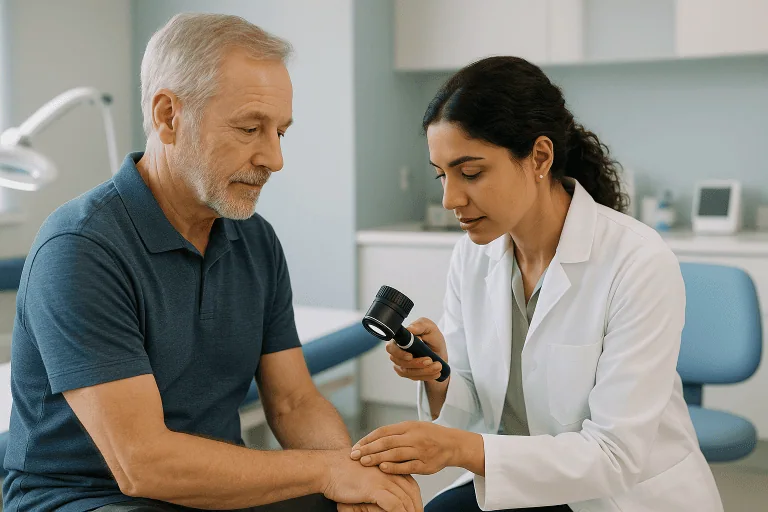
Acne vulgaris diagnosis is usually straightforward and is made clinically, which means it is based on what the doctor sees and hears rather than on laboratory tests or imaging. A dermatologist or family doctor will typically:
- Examine the affected skin, noting the types of lesions present (comedones, papules, pustules, nodules, or cysts), where they appear, and how widespread they are.
- Ask about how long the acne has been present, what makes it better or worse, and what treatments you have already tried.
- Review your medical history, medications, skincare and cosmetic products, and, where relevant, menstrual history.
- Assess severity, often grading acne as mild, moderate, or severe, and check for signs of scarring or dark marks. This grading guides treatment decisions.
Blood tests, skin swabs, and imaging are not needed to diagnose typical acne vulgaris. However, your doctor may order hormone blood tests if there are signs suggesting an underlying hormonal condition, such as irregular periods, excess facial or body hair, or acne that begins suddenly in adulthood and is unusually severe. Testing may also be considered when acne does not respond to standard treatment as expected.
Part of the diagnostic process is ruling out conditions that can look similar to acne, such as rosacea (a condition causing facial redness and bumps, usually without comedones), folliculitis (infection or inflammation of hair follicles), and reactions to medications or cosmetics. Distinguishing these conditions matters because their treatments differ.
Treatment options
Acne vulgaris treatment aims to unblock pores, reduce oil production, control bacteria, and calm inflammation. The right approach depends on the severity of the acne, your skin type, your age, and other factors such as pregnancy or plans for pregnancy. Treatment is usually managed by a family doctor or a dermatology department; at Acibadem, for example, acne is evaluated and treated within the dermatology department.
It is important to have realistic expectations: most acne treatments take several weeks, often six to twelve, to show clear improvement, and acne may temporarily look slightly worse before it improves with some medications.
Self-care and watchful waiting
For very mild acne, gentle skincare and time may be enough. This includes washing the affected areas no more than twice daily with a mild cleanser, avoiding harsh scrubbing, choosing non-comedogenic (formulated not to block pores) skincare and makeup, and not picking or squeezing spots, which increases the risk of scarring and dark marks.
Topical medications
Topical treatments (creams, gels, and lotions applied to the skin) are the first-line option for mild to moderate acne. Commonly used options include:
- Benzoyl peroxide: kills acne bacteria and helps unblock pores; available without a prescription in many countries. It can bleach fabrics and cause dryness or irritation, especially at first.
- Topical retinoids (such as adapalene, tretinoin, or others): vitamin A-related medications that help normalize skin cell shedding and prevent blocked pores. They can cause initial dryness and increase sun sensitivity, so sunscreen is advised.
- Topical antibiotics: reduce bacteria and inflammation; usually combined with benzoyl peroxide to limit antibiotic resistance.
- Azelaic acid and salicylic acid: alternatives that can help unblock pores and reduce inflammation, and may also lighten dark marks in some people.
Oral medications
For moderate to severe acne, or acne that does not respond to topical treatment, your doctor may recommend:
- Oral antibiotics: such as tetracycline-class antibiotics, typically prescribed for a limited period and usually alongside topical treatment. Long-term antibiotic use is generally avoided because of resistance concerns.
- Hormonal treatments: for some women, combined oral contraceptive pills or anti-androgen medications (drugs that block the effect of male-type hormones on oil glands) can be effective. These require a discussion of individual suitability and risks with a doctor.
- Isotretinoin: an oral retinoid reserved for severe, scarring, or treatment-resistant acne. It can be highly effective, but it requires careful medical supervision because of potential side effects, including dryness, mood changes in some patients, and serious harm to an unborn baby, which is why strict pregnancy prevention is required during treatment.
Procedures
Procedures are sometimes used alongside medication. Depending on the situation, a dermatologist may suggest comedone extraction (careful removal of blackheads and whiteheads with sterile instruments), corticosteroid injections into large painful nodules or cysts to reduce inflammation quickly, chemical peels, or light- and laser-based treatments. Evidence for some of these procedures varies, and they are usually considered complementary rather than replacements for medical therapy.
Treating scars
Once active acne is under control, options for treating scars may include topical treatments, microneedling, laser resurfacing, chemical peels, fillers, or minor surgical techniques for certain scar types. Results vary from person to person, and complete removal of scars cannot be promised; the realistic goal is meaningful improvement in appearance.
Surgery in the traditional sense is not a treatment for active acne vulgaris itself; procedural and surgical techniques are mainly relevant for scar revision after the acne has settled.
Living with acne vulgaris and outlook
For most people, the outlook with acne vulgaris is good. Acne often improves with age, and many people find that it settles substantially by their mid-twenties, although some continue to have breakouts into adult life. With appropriate treatment, most cases of acne can be brought under good control, though flare-ups can still occur and maintenance treatment is often needed to keep the skin clear.
Practical points that help many people living with acne include:
- Sticking with prescribed treatment for at least six to eight weeks before judging whether it works, and following up with your doctor rather than stopping early.
- Using gentle, fragrance-free skincare and daily sunscreen, especially when using retinoids or other treatments that increase sun sensitivity.
- Resisting the urge to pick or squeeze spots, which is one of the main preventable causes of scarring.
- Being cautious with unproven remedies and aggressive home treatments, which can irritate the skin.
- Paying attention to your emotional health. Acne can affect confidence and mood, and support from a doctor, counselor, or mental health professional is appropriate if acne is affecting your daily life.
No treatment can guarantee permanently clear skin, and honest doctors will not promise this. However, the combination of modern treatments means that severe, scarring acne is largely preventable in many cases when treatment is started early enough. Early treatment of significant acne is one of the most effective ways to reduce the risk of permanent scars.
Frequently asked questions
What is acne vulgaris in simple terms?
Acne vulgaris is the common form of acne. It develops when pores in the skin become blocked with oil and dead skin cells, allowing bacteria to grow and inflammation to develop. This produces blackheads, whiteheads, pimples, and sometimes deeper painful lumps, most often on the face, chest, and back. It is a medical condition, not a hygiene problem, and effective treatments are available.
Can acne vulgaris heal on its own?
Mild acne often improves on its own over time, particularly as hormone levels settle after adolescence. However, moderate or severe acne, or acne that is leaving marks or scars, is less likely to resolve quickly without treatment, and waiting can allow permanent scarring to develop. If acne is painful, widespread, or affecting your confidence, it is reasonable to seek medical advice rather than wait.
How serious is acne vulgaris?
Acne vulgaris is not life-threatening and does not affect internal organs. Its seriousness lies mainly in the risk of permanent scarring and in its potential impact on mood, self-esteem, and social life, which can be significant. Severe nodulocystic acne is considered a medical priority because it carries the highest risk of scarring, and doctors generally recommend treating it promptly.
What is the most effective acne vulgaris treatment?
There is no single best treatment for everyone. Mild acne often responds to topical treatments such as benzoyl peroxide or retinoids, while moderate acne may need oral antibiotics or hormonal therapy in addition. For severe or resistant acne, isotretinoin is often the most effective option, but it requires careful supervision. Your doctor will tailor treatment to your acne severity, skin type, medical history, and preferences.
How long does acne vulgaris treatment take to work?
Most treatments need time. Visible improvement commonly takes six to twelve weeks, and some medications can cause a temporary flare or skin irritation before the benefit appears. Doctors usually recommend continuing a treatment for at least two months before deciding whether it is effective, and many people need ongoing maintenance treatment to keep acne under control after it clears.
Does diet cause acne vulgaris?
Diet alone does not cause acne, which is driven mainly by hormones, genetics, oil production, and inflammation. Some research suggests that diets high in rapidly absorbed sugars and starches, and possibly certain dairy products, may worsen acne in some people, but the evidence is not conclusive and individual responses vary. A balanced diet is sensible, but strict elimination diets are not generally recommended without medical guidance.
Will acne vulgaris leave permanent scars?
Not necessarily. Many people recover without lasting scars, especially when acne is mild or is treated early. The risk of permanent scarring is higher with severe acne, deep nodules and cysts, delayed treatment, and picking or squeezing spots. Dark or red marks left after spots heal often fade over months, whereas true scars, which change the texture of the skin, are permanent but can often be improved with dermatologic procedures.
When to see a doctor
Many people manage mild acne with over-the-counter products, but medical advice is recommended if your acne is moderate or severe, is not improving after a couple of months of self-care, is leaving scars or dark marks, or is affecting your mood or confidence. Acne that begins suddenly in adulthood, or acne accompanied by irregular periods or excess facial or body hair, also warrants medical assessment to check for hormonal causes.
Seek prompt medical attention if you notice any of the following warning signs:
- Large, painful, deep lumps or cysts, especially if they are increasing in number or size.
- Acne with fever, feeling generally unwell, or joint pain, which can rarely indicate a severe inflammatory form of acne.
- Rapidly spreading redness, warmth, and swelling around acne lesions, which could suggest a skin infection needing urgent treatment.
- Signs of scarring developing, such as pits, depressions, or raised firm areas where spots have healed.
- A sudden severe flare after starting a new medication.
- Significant low mood, anxiety, or thoughts of self-harm connected to your skin or occurring while on acne medication; this always deserves prompt professional support.
A family doctor can manage many cases of acne vulgaris, and referral to a dermatology specialist is appropriate for severe, scarring, or treatment-resistant acne, or whenever the diagnosis is uncertain. Early assessment gives the best chance of controlling acne before permanent skin changes develop.
Medically reviewed by the Acıbadem International Medical Board September 3, 2026
See our medical review board →
Update history
- PublishedJune 8, 2026
- Medical review approvedSeptember 3, 2026
- Last content updateSeptember 2, 2026