Collagen Treatments
Collagen treatments describe several non-surgical procedures aimed at improving skin firmness, volume, and texture. They work either by placing filler beneath the skin or by prompting the body to make new collagen…

Quick answer
Collagen treatments are non-surgical procedures that restore skin volume or stimulate the skin to produce new collagen, a protein that keeps skin firm. Options include injectable fillers, biostimulatory injections, microneedling, and radiofrequency or laser treatments. They are used for wrinkles, volume loss, and some scars, with short recovery and temporary, gradual results.
What is collagen treatments?
Collagen is a protein that acts like scaffolding in the skin. It gives the skin firmness, thickness, and the ability to bounce back after being stretched. With age, sun exposure, smoking, and some medical conditions, the body makes less collagen and breaks down existing collagen faster. The result is thinner skin, fine lines, wrinkles, and sagging.
The term collagen treatments is an umbrella phrase rather than a single procedure. It covers several non-surgical treatments that either add volume where collagen has been lost or encourage the skin to produce new collagen of its own. The most common approaches include:
- Injectable fillers: gels placed under the skin to restore volume. Older fillers were made from purified animal collagen. Today most fillers use hyaluronic acid, a substance naturally found in skin, or are designed to stimulate collagen production over time.
- Biostimulatory injectables: products such as poly-L-lactic acid or calcium hydroxylapatite that are injected to trigger the body’s own collagen growth gradually.
- Microneedling (also called collagen induction therapy): a device with fine needles creates tiny, controlled punctures in the skin, prompting a healing response that includes new collagen.
- Energy-based treatments: radiofrequency (controlled heat delivered into deeper skin layers), ultrasound, and certain lasers that warm or resurface the skin to encourage collagen remodeling.
Collagen treatments are used mainly for cosmetic concerns such as facial wrinkles, loss of volume in the cheeks or temples, thinning skin on the hands or neck, and some types of acne scars. In some cases they are also used medically, for example to improve the appearance of certain scars or to restore facial volume lost because of illness or medication. Oral collagen supplements are sometimes marketed as “collagen treatments” as well; the evidence that they meaningfully change the skin is limited, and they are not the focus of this page.
Who is a candidate
The question of who needs collagen treatments is really a question of who may benefit from them, because these procedures are elective. No one medically “needs” a cosmetic collagen treatment. People who commonly ask about them include:
- Adults with fine lines, wrinkles, or early sagging who want a non-surgical option.
- People who have lost facial volume with age, weight loss, or medical conditions.
- People with certain acne scars or other depressed (indented) scars.
- Adults in good general health with realistic expectations about gradual, modest improvement.
Collagen treatments may not be suitable, or may need to be delayed, if you:
- Are pregnant or breastfeeding, because safety data in these groups is limited.
- Have an active skin infection, cold sore, or inflamed acne in the treatment area.
- Have a history of severe allergic reactions, especially to a filler ingredient or, for older collagen products, to animal-derived proteins.
- Have a bleeding disorder or take blood-thinning medication that cannot be safely paused (this raises bruising risk rather than being an absolute barrier).
- Have a tendency to form keloids (raised, overgrown scars), which is relevant for microneedling and some energy devices.
- Have an autoimmune condition affecting the skin, or take medications that suppress the immune system; your doctor will weigh this individually.
- Have unrealistic expectations, or are seeking treatment because of pressure from others.
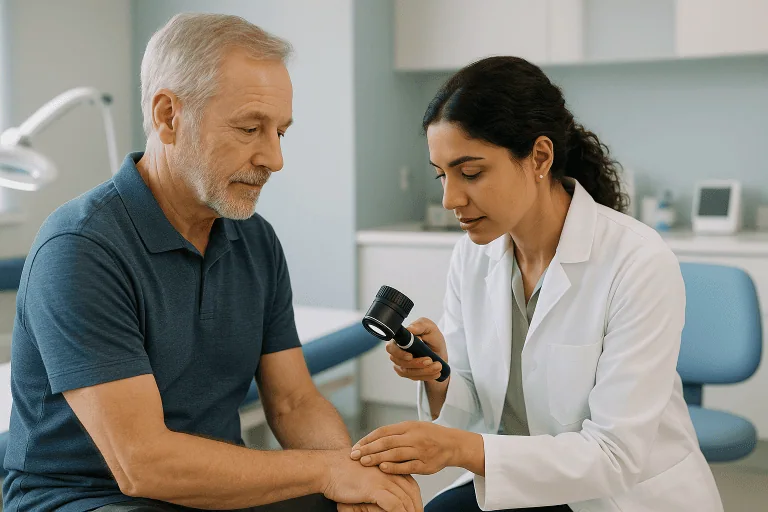
A consultation with a board-certified dermatologist or a qualified specialist is the usual starting point. At Acibadem, these treatments are generally managed within the Dermatology department.
How the procedure works
The exact collagen treatments procedure depends on which method is chosen, but most follow a similar pattern.
Before: Your specialist examines your skin, discusses your goals, reviews your medical history and medications, and takes photographs for comparison. Together you decide which approach fits your concerns. You will be told what result is realistic and how many sessions may be involved.
During (injectables): The skin is cleaned with an antiseptic. A numbing cream may be applied, and many fillers contain a small amount of local anesthetic. The doctor injects small amounts of product into planned areas using a fine needle or a blunt-tipped tube called a cannula, then gently shapes the area by hand. A typical session lasts roughly 30 to 60 minutes.
During (microneedling): After cleaning and topical numbing, a handheld device is passed over the skin so that fine needles create controlled micro-injuries. The depth is adjusted to the area and the concern being treated. Sessions usually take 30 to 60 minutes including numbing time.
During (radiofrequency or laser): A cooling gel or numbing cream is applied, then the device is moved across the skin, delivering heat or light energy. You may feel warmth, tingling, or brief snapping sensations. Some deeper treatments require stronger local anesthesia.
After: The area may be cooled with ice packs. Your doctor reviews aftercare instructions, and you can typically go home the same day. Collagen treatments are outpatient procedures and do not involve a hospital stay.
Preparation for collagen treatments
Preparation is straightforward but can reduce the chance of bruising and complications. Your doctor may advise you to:
- Avoid aspirin, ibuprofen, naproxen, fish oil, vitamin E, and certain herbal supplements for several days beforehand, only if your prescribing doctor agrees. Never stop a prescribed blood thinner on your own.
- Avoid alcohol for a day or two before treatment.
- Stop retinoid creams, exfoliating acids, and other irritating products a few days before microneedling or energy treatments, if instructed.
- Avoid significant sun exposure or sunburn in the treatment area for at least a week or two beforehand.
- Tell your doctor about any history of cold sores; preventive antiviral medication is sometimes prescribed for treatments around the lips.
- Arrive with clean skin, free of makeup.
- Plan the timing so that any temporary redness or swelling has settled before important events.
Recovery and aftercare
Collagen treatments recovery time is usually short, but it varies by method and by how deeply the skin was treated.
Injectable fillers and biostimulators: Mild swelling, tenderness, and redness are common and often settle within a few days. Bruising, if it occurs, typically fades over one to two weeks. Many patients return to work the same or next day. Your doctor may ask you to avoid strenuous exercise, heat (saunas, hot yoga), and pressure on the area for 24 to 48 hours, and to avoid massaging the treated area unless instructed to do so.
Microneedling: The skin often looks red and feels tight or sunburned for one to three days. Mild flaking can follow. Most people resume normal activities within a day or two, using gentle cleansers, moisturizer, and strict sun protection while the skin heals.
Radiofrequency and non-ablative lasers: Redness and swelling commonly last one to several days. More aggressive resurfacing lasers have a longer recovery, often one to two weeks of visible peeling and redness, and require careful wound care.
General aftercare typically includes keeping the area clean, avoiding makeup for the period your doctor specifies, using a broad-spectrum sunscreen daily, and not picking at any crusting or flaking. Because collagen production is a slow biological process, the treated area may continue to change over weeks to months, particularly after biostimulatory or energy-based treatments.
Risks and side effects
Understanding collagen treatments risks and benefits helps you make a balanced decision. Common, usually temporary effects include:
- Redness, swelling, tenderness, and bruising at the treatment site.
- Small lumps or unevenness that often soften over days to weeks.
- Temporary itching or dryness after microneedling or energy treatments.
Less common but more significant risks include:
- Infection, which may need antibiotics.
- Allergic reaction to a filler ingredient, numbing agent, or antiseptic.
- Hyperpigmentation (darkening of the skin) or lighter patches, more likely in darker skin tones after energy or resurfacing treatments.
- Nodules or granulomas, which are small firm lumps caused by an inflammatory reaction to injected material; these can appear weeks or even months later and sometimes need treatment.
- Filler migration, where product moves from where it was placed.
- Burns or scarring with energy-based devices if settings or technique are inappropriate.
- Reactivation of cold sores around the mouth.
The most serious filler-related complication is vascular occlusion, in which filler is accidentally injected into or presses on a blood vessel and blocks blood flow. This is rare but can cause skin damage and, in very rare cases involving vessels around the eyes, vision loss. Warning signs include severe or unusual pain, skin that turns pale, dusky, or blotchy, or any change in vision during or after the procedure. Prompt treatment matters, which is one reason these procedures should be done by trained medical professionals in a setting equipped to manage complications.
Benefits, for suitably selected patients, typically include a smoother or fuller appearance, softened wrinkles or scars, and improved skin texture, with little or no downtime compared with surgery. Results are gradual and modest rather than dramatic, and they are not permanent.
Results and outlook
What you can expect depends on the method. Hyaluronic acid fillers give an immediate volume change that is visible right away, then settles as swelling resolves. They are gradually absorbed by the body, and results generally last several months to over a year depending on the product and the area treated. Biostimulatory injectables work more slowly; improvement builds over a few months as new collagen forms and may last longer than standard fillers, though repeat sessions are usually needed to maintain the effect.
Microneedling and energy-based treatments typically require a series of sessions spaced several weeks apart. Studies generally show improvement in skin texture, fine lines, and acne scarring, but the degree of change varies widely between individuals and is often subtle. None of these treatments stops the aging process, so maintenance treatments are commonly recommended.
Individual results depend on age, skin type, sun damage, smoking, overall health, and the skill and experience of the person performing the procedure. Realistic expectations are one of the strongest predictors of satisfaction.
Cost considerations
The price of collagen treatments varies widely, and this page does not provide amounts. Factors that generally influence cost include:
- The type of treatment: fillers are usually priced per syringe, while microneedling and energy treatments are priced per session or per package.
- The amount of product needed, which depends on the size of the area and the degree of volume loss.
- The number of sessions required, since many approaches need a series followed by maintenance.
- The technology used; newer devices and specialized products tend to cost more.
- The qualifications of the provider and whether the treatment takes place in a hospital-based clinic with medical oversight.
- Follow-up visits, touch-ups, and any treatment needed for complications.
Because these treatments are usually considered cosmetic, health insurance rarely covers them unless there is a documented medical reason, such as reconstruction after illness. Asking for a written treatment plan and full breakdown before starting is a reasonable step.
Frequently asked questions
What do collagen treatments actually do to the skin?
Collagen treatments either add volume beneath the skin using a filler or create a controlled, minor injury or heating that prompts the skin to produce new collagen over the following weeks and months. Neither approach permanently changes how the skin ages; they temporarily improve firmness, smoothness, or volume, and results fade over time.
Who needs collagen treatments, and at what age?
There is no age at which collagen treatments become necessary, because they are elective. Adults who are bothered by wrinkles, volume loss, or scars, and who are in good health with realistic expectations, may be candidates. A specialist assessment is the best way to find out whether a particular treatment is appropriate for your skin and goals.
Does the collagen treatments procedure hurt?
Most people describe mild to moderate discomfort rather than severe pain. Numbing cream is commonly applied beforehand, many fillers contain a local anesthetic, and energy devices often use cooling. Some areas, such as the lips, tend to be more sensitive. Tell your provider if pain is intense or unusual, as this can be an early warning sign of a complication.
How long is collagen treatments recovery time?
For injectables and microneedling, visible redness and swelling often settle within one to three days, and many patients return to normal activities almost immediately. Bruising can take one to two weeks to fade. Deeper laser resurfacing has a longer recovery, sometimes one to two weeks of peeling and redness. Your doctor will give a timeline based on the specific treatment.
What are the main collagen treatments risks and benefits to weigh?
Common risks are temporary swelling, bruising, and redness; less common risks include infection, lumps, pigment changes, and, rarely with fillers, blockage of a blood vessel. Benefits typically include a modest, natural-looking improvement in wrinkles, volume, or texture without surgery. The balance depends on your health, skin type, and the experience of the provider.
Are collagen treatments permanent?
No. Fillers are gradually absorbed, and collagen produced after microneedling or energy treatments continues to break down as part of normal aging. Results generally last months to a year or more, depending on the method, and maintenance sessions are usually recommended.
Do collagen supplements or creams work the same way?
Topical collagen molecules are generally too large to pass through the outer skin layer, so creams mainly moisturize. Oral collagen supplements have been studied, but the evidence for meaningful skin changes remains limited and mixed. They are not equivalent to in-office collagen treatments, and you should discuss any supplement with your doctor.
When to see a doctor
Consider being assessed by a dermatologist or qualified specialist if you are troubled by wrinkles, sagging, volume loss, or scarring and want to understand which options, if any, suit you. A medical evaluation is also important if you have skin changes that are new, rapidly changing, or accompanied by other symptoms, because not every skin concern is cosmetic. People with a history of allergic reactions, autoimmune disease, bleeding problems, or keloid scarring should have a thorough discussion before any treatment.
After a collagen treatment, seek urgent medical attention if you notice any of the following:
- Severe, worsening, or unusual pain, especially pain out of proportion to what was described.
- Skin that turns white, pale, gray, purple, or blotchy, or develops a net-like pattern.
- Any change in vision, eye pain, drooping eyelid, or weakness on one side of the face.
- Spreading redness, warmth, pus, or fever, which may indicate infection.
- Difficulty breathing, swelling of the lips or throat, or widespread hives, which may signal a serious allergic reaction.
- Blisters, open wounds, or skin breakdown in the treated area.
Also contact your treating doctor, without urgency, if lumps, asymmetry, persistent swelling, or color changes have not improved after two weeks, or if you develop new firm nodules weeks or months after treatment. Early review makes most complications easier to manage.
Preparation
- Discuss all medications and supplements with your doctor; you may be advised to pause certain blood-thinning products only with your prescriber's approval. Avoid alcohol, sunburn, and irritating skin products such as retinoids for several days beforehand. Arrive with clean, makeup-free skin and mention any history of cold sores or allergic reactions.
Aftercare
- Expect mild redness, swelling, or bruising that often settles within days. Avoid strenuous exercise, heat exposure, and pressure on the treated area for 24 to 48 hours, and do not massage or pick at the skin unless instructed. Use gentle cleansers, moisturizer, and daily broad-spectrum sunscreen, and report severe pain, skin color changes, or vision changes immediately.
Medically reviewed by the Acıbadem International Medical Board September 13, 2026
See our medical review board →
Update history
- PublishedSeptember 13, 2026
- Medical review approvedSeptember 13, 2026
- Last content updateSeptember 13, 2026