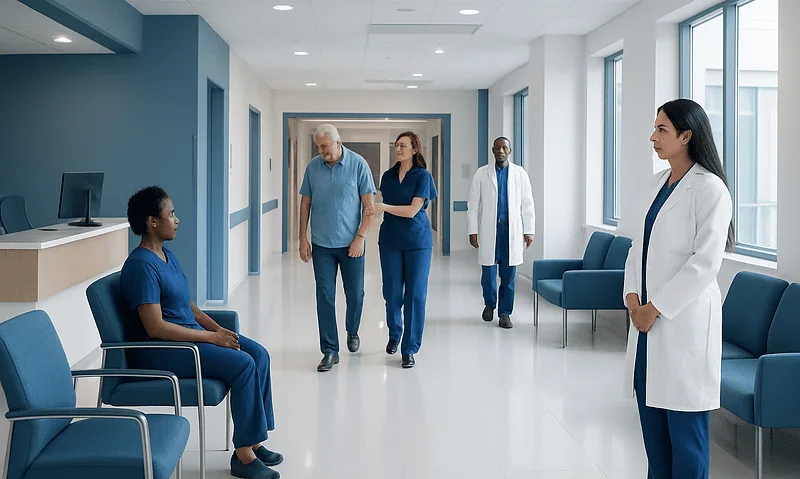
Gait Training: Relearning Safe Walking After Illness or Injury
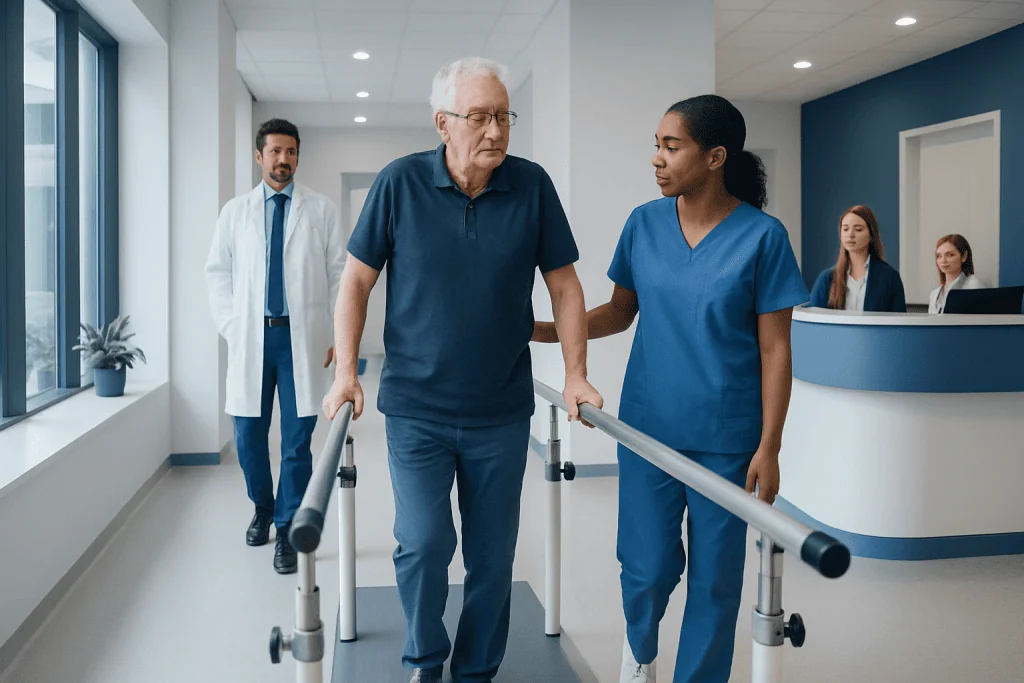
Gait training aims to improve walking safety, balance, endurance, posture and confidence. It may be recommended after stroke, brain or spinal cord injury, orthopedic surgery, fractures, amputation, joint disease or long hospitalization.
Key Takeaways
- Gait training aims to improve walking safety, balance, endurance, posture and confidence.
- It may be recommended after stroke, brain or spinal cord injury, orthopedic surgery, fractures, amputation, joint disease or long hospitalization.
- A rehabilitation plan is individualized after assessment of strength, sensation, coordination, pain, balance and fall risk.
- Assistive devices such as walkers, canes, braces or prostheses may be used temporarily or long term to support safer mobility.
- Progress depends on the cause of walking difficulty, overall health, motivation, practice and the guidance of qualified rehabilitation professionals.
Gait training is a structured rehabilitation approach that helps people relearn safer, more efficient walking after illness, injury, surgery or neurological disease. It combines assessment, therapeutic exercise, balance work, assistive devices and practice in real-life walking situations.
Overview
Gait training is a form of rehabilitation focused on helping a person walk as safely and effectively as possible. The word gait refers to the pattern of walking, including step length, rhythm, posture, balance, foot placement and how the joints and muscles work together. When illness, injury, surgery or a neurological condition changes this pattern, walking can become slower, uneven, tiring or unsafe.
The goal of gait training is not only to move the legs forward. It also helps the brain, nerves, muscles, joints, heart and lungs work together during movement. A rehabilitation specialist may teach safer ways to stand, shift weight, take steps, turn, use stairs, avoid obstacles and manage different surfaces. For some patients, gait training helps restore independent walking. For others, it improves comfort, confidence and safety while using a cane, walker, brace or prosthesis.
Gait training is often part of a broader rehabilitation program that may include physical therapy, occupational therapy, pain management, neurological care, orthopedic follow-up and home safety planning. Treatment is usually gradual and carefully supervised, especially when there is a risk of falls, dizziness, fatigue or weakness.
Who May Need Gait Training?
Gait training may be recommended for people who have difficulty walking due to weakness, poor balance, pain, reduced joint motion, loss of coordination, altered sensation or fear of falling. These problems can occur suddenly, such as after a stroke or fracture, or gradually, such as with arthritis, Parkinson’s disease or peripheral neuropathy. Some patients need short-term support after surgery, while others benefit from long-term rehabilitation for a chronic condition.
Common reasons for gait training include stroke, traumatic brain injury, spinal cord injury, multiple sclerosis, Parkinson’s disease, cerebral palsy, vestibular disorders, hip or knee replacement, fractures, ligament injuries, amputation, long periods of bed rest and age-related decline in strength or balance. It may also help people recovering after intensive care or serious infection, when the body has become deconditioned.
A person may be referred for gait training if walking feels unsafe, uneven, painful or unusually tiring. Warning signs include dragging a foot, shuffling, limping, leaning heavily to one side, frequent stumbling, difficulty rising from a chair, trouble turning, or needing to hold furniture while walking indoors. These signs do not always mean a serious problem, but they are reasons to seek professional assessment.
How Gait Problems Are Assessed
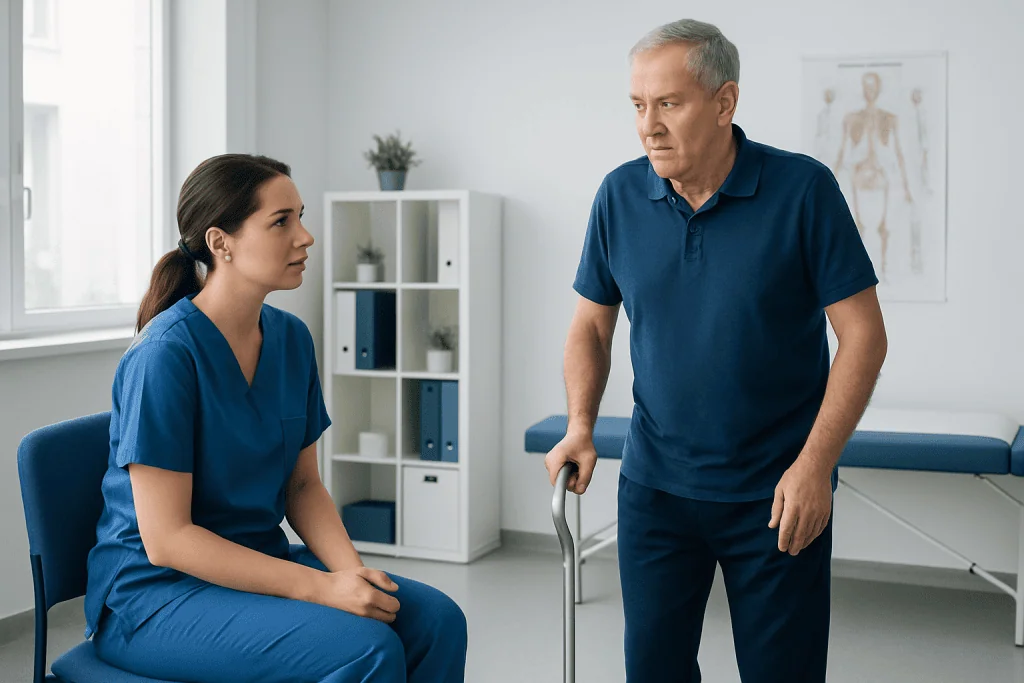
Before starting gait training, a rehabilitation professional evaluates how the person moves and why walking has become difficult. This assessment usually includes observation of posture, balance, step pattern, speed, endurance, joint movement, muscle strength, coordination and sensation. The clinician may also ask about falls, pain, dizziness, medications, vision, footwear, home environment and daily activities.
Standardized tests may be used to measure walking ability and track progress. These can include timed walking tests, balance tests, sit-to-stand assessments and stair-climbing observation. In some cases, more detailed gait analysis is performed using video, pressure platforms or motion analysis systems to understand foot placement, joint angles and weight distribution.
The assessment helps the care team set realistic goals. For example, one patient may focus on walking safely from bed to bathroom, while another may aim to return to community walking, stairs or work-related mobility. Goals are usually specific, measurable and adjusted as recovery progresses.
What Happens During Gait Training?
Gait training is tailored to the patient’s diagnosis, abilities and safety needs. Sessions often begin with preparation activities such as stretching, strengthening, posture correction and balance exercises. The therapist may work on trunk control, hip and knee stability, ankle movement, foot clearance and weight shifting before practicing full walking.
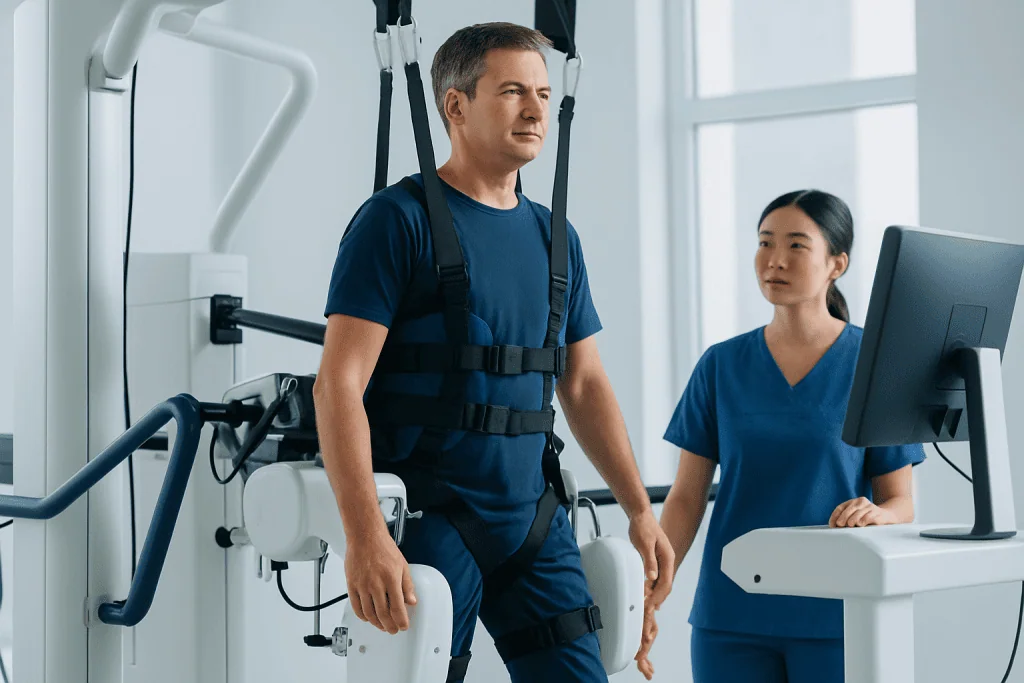
Walking practice may take place between parallel bars, with a therapist’s assistance, using a walker or cane, on a treadmill, or with body-weight support equipment. Patients may practice starting, stopping, turning, stepping over objects, walking on slopes, changing speed and climbing stairs. The therapist may also teach energy conservation, breathing strategies and ways to reduce fear during movement.
Elements of a gait training program may include:
- Strengthening exercises for the hips, thighs, calves and core muscles.
- Balance and coordination activities to improve stability during standing and walking.
- Practice with assistive devices such as walkers, crutches or canes.
- Training with braces, orthotics or prosthetic limbs when needed.
- Functional walking tasks that reflect daily life, such as doorways, curbs and stairs.
Progress is usually gradual. A therapist may first focus on safe standing and weight bearing, then short distances, then more complex environments. Home exercises are often prescribed to reinforce what is learned in therapy, but they should be performed as instructed and with appropriate supervision if fall risk is high.
Assistive Devices, Braces and Technology
Assistive devices can make walking safer while a person rebuilds strength and coordination. A walker may provide broad support for someone with significant balance difficulty, while a cane may help with mild weakness or pain on one side. Crutches, forearm crutches, ankle-foot orthoses, knee braces, shoe inserts and prosthetic limbs may also be used depending on the condition.
Choosing the correct device is important. A device that is too high, too low or used incorrectly can increase strain or fall risk. Rehabilitation professionals teach how to fit and use equipment, including how to place the device, how much weight to put through it, and how to manage stairs, chairs, bathrooms and outdoor surfaces. As recovery improves, the device may be changed or reduced, but this should be done only when it is safe.
Modern rehabilitation may also include treadmills with harness support, robotic-assisted walking systems, virtual reality balance tasks, electrical stimulation, wearable sensors or computerized gait analysis. These technologies do not replace skilled therapy, but they can provide intensive, repetitive practice and objective feedback for selected patients. The best option depends on the diagnosis, goals, medical stability and availability of trained staff.
Benefits and Expected Progress
Gait training can improve several aspects of daily life. Better walking mechanics may reduce the effort required to move, improve posture, decrease the risk of trips, and help a person participate more confidently in home and community activities. It may also support cardiovascular endurance, joint mobility, muscle strength and independence with daily tasks.
Progress varies widely. A person recovering from a minor orthopedic injury may improve within weeks, while recovery after stroke, spinal cord injury or major trauma may take months or longer. Some people regain near-normal walking, while others learn a safer adapted walking pattern with an assistive device. Both outcomes can represent meaningful rehabilitation success when they improve safety and quality of life.
Several factors influence recovery, including the cause of the gait problem, age, overall health, pain control, cognition, motivation, family support, nutrition and consistency with exercises. Rehabilitation is most effective when goals are realistic and the patient, family and care team communicate regularly about challenges and progress.
Safety, Prevention and Self-Care
Safety is central to gait training. Patients should avoid practicing difficult walking tasks alone if they have dizziness, severe weakness, poor balance, confusion, recent falls or medical instability. Proper footwear, clear walking paths, good lighting and removal of loose rugs or clutter can reduce fall risk at home. Bathroom grab bars, raised toilet seats and stair railings may also be helpful when recommended.
Self-care supports rehabilitation. Adequate sleep, hydration, balanced nutrition and following medical advice for pain, blood pressure, diabetes or neurological conditions can influence walking ability. Patients should report new symptoms such as increasing pain, numbness, swelling, shortness of breath, chest discomfort or sudden weakness to a healthcare professional promptly.
A home exercise program should be performed exactly as prescribed. More exercise is not always better, especially after surgery, fracture, neurological injury or heart-related illness. The safest plan is one that progresses step by step under professional guidance, with rest periods and monitoring for fatigue.
When to See a Doctor or Rehabilitation Specialist
A medical evaluation is recommended when walking changes suddenly, progressively worsens, causes repeated falls or is associated with pain, numbness, weakness, dizziness or loss of balance. Urgent medical care is needed for sudden facial drooping, arm weakness, speech difficulty, severe headache, new confusion, chest pain or sudden inability to walk, as these may indicate time-sensitive conditions.
Patients should also seek assessment after major surgery, fracture, stroke, brain or spinal cord injury, amputation, or prolonged hospitalization if walking does not return to previous levels. A doctor can identify underlying causes and refer the patient to physical therapy, occupational therapy, neurology, orthopedics, rehabilitation medicine or other specialists as appropriate.
For international patients, Acibadem International provides access to multidisciplinary specialists and JCI-accredited hospitals that diagnose and treat walking difficulties related to neurological, orthopedic and rehabilitation needs. A qualified clinician can help determine whether gait training is suitable and design a plan that matches the patient’s condition and goals.
Frequently asked questions
What is gait training in physical therapy?
Gait training is a rehabilitation approach that helps a person improve walking pattern, balance, strength and safety. It may include exercises, walking practice, assistive device training and strategies for stairs, turns and uneven surfaces. The program is individualized after assessment by a qualified rehabilitation professional.
How long does gait training take?
The length of gait training depends on the cause of the walking problem and the person’s overall health. Some patients improve over a few weeks after a mild injury or surgery, while neurological recovery may require longer and more gradual rehabilitation. Progress is monitored regularly so goals and exercises can be adjusted.
Is gait training only for people after stroke?
No. Stroke is one common reason for gait training, but it is also used after fractures, joint replacement, amputation, spinal cord injury, brain injury, Parkinson’s disease, multiple sclerosis, neuropathy and prolonged bed rest. Any condition that affects safe walking may benefit from assessment.
Can gait training prevent falls?
Gait training can help reduce fall risk by improving balance, strength, foot clearance, posture and safe use of assistive devices. It may also include home safety advice and practice with real-life walking challenges. Fall prevention is most effective when medical causes, vision, footwear, medications and the home environment are also addressed.
Will a walker or cane be needed permanently?
Some patients use a walker or cane temporarily while they recover strength and balance. Others may benefit from long-term use if it improves safety and independence. A therapist can recommend the most appropriate device and review whether it can be reduced as walking improves.
Is gait training painful?
Gait training should not cause severe or worsening pain. Mild muscle fatigue or stretching discomfort may occur as the body adapts, but pain should be reported to the therapist. The rehabilitation plan can often be modified to protect healing tissues and improve comfort.
Can gait training be done at home?
Some parts of gait training can be practiced at home, especially exercises and walking tasks prescribed by a therapist. However, people with high fall risk, recent surgery, neurological symptoms or significant weakness should not attempt challenging activities without guidance. A supervised program helps ensure that practice is safe and appropriate.
References
- American Physical Therapy Association
- American Stroke Association
- National Institute of Neurological Disorders and Stroke
- World Health Organization
- Mayo Clinic
This article is for general information only and is not a substitute for professional medical advice. Please consult a qualified doctor about your individual situation.
Joint and spine care in Turkey — expert assessment & treatment
JCI-accredited · board-certified surgeons · reply within 24h