Perimenopause: Irregular Periods and Early Menopause Symptoms

Perimenopause usually begins in the 40s, but timing and symptoms differ from person to person. Irregular periods are common, but very heavy bleeding, bleeding between periods or bleeding after menopause should be checked by a doctor.
Key Takeaways
- Perimenopause usually begins in the 40s, but timing and symptoms differ from person to person.
- Irregular periods are common, but very heavy bleeding, bleeding between periods or bleeding after menopause should be checked by a doctor.
- Hot flashes, night sweats, sleep disruption, mood changes, vaginal dryness and changes in libido can occur during the menopause transition.
- Diagnosis is usually based on symptoms, menstrual history and age; blood tests may be used in selected situations.
- Lifestyle measures, non-hormonal treatments and hormone therapy may help, depending on personal health history and preferences.
- Pregnancy is still possible during perimenopause until menopause is confirmed, so contraception may still be needed.
Perimenopause is the natural transition leading up to menopause, when hormone levels fluctuate and menstrual cycles often become irregular. Symptoms can vary widely, but supportive care and medical guidance can help women manage changes safely and confidently.
Overview
Perimenopause is the transition phase before menopause. During this time, the ovaries gradually produce less estrogen and progesterone, and hormone levels may rise and fall unpredictably. These hormonal changes can affect menstrual bleeding, body temperature regulation, sleep, mood, sexual health and overall wellbeing.
Menopause is confirmed when a woman has gone 12 consecutive months without a menstrual period, and there is no other medical reason for the bleeding to have stopped. Perimenopause refers to the years leading up to that point. It often starts in the 40s, although some women notice changes earlier or later.
The experience is highly individual. Some women have mild changes that require little support, while others have symptoms that interfere with daily life. Perimenopause is not a disease, but it is a health transition that can be managed with the right information, preventive care and medical support when needed.
Irregular Periods and Common Symptoms
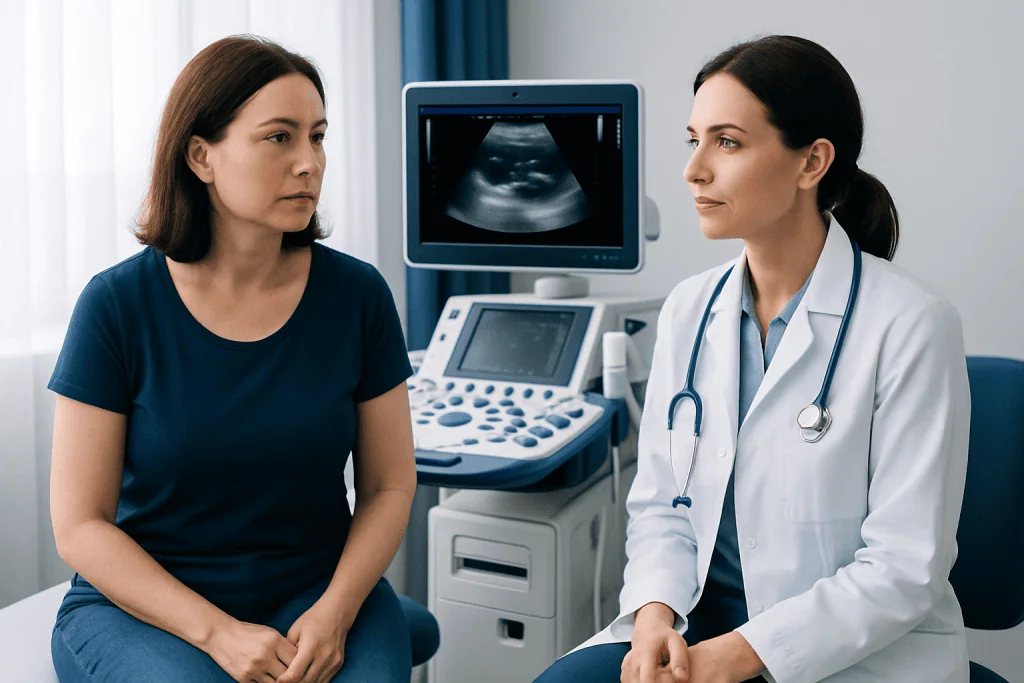
Irregular periods are one of the most common signs of perimenopause. Cycles may become shorter, longer, heavier, lighter or less predictable. A woman may skip a period and then have another one as usual, or she may experience spotting. These changes happen because ovulation becomes less regular and hormone levels fluctuate.
Other symptoms may appear gradually and may come and go. Hot flashes and night sweats are common, and they can affect sleep quality. Some women also notice mood changes, irritability, anxiety, difficulty concentrating or a sense that they are more emotionally sensitive than usual.
Perimenopause can also affect the vaginal and urinary tissues. Lower estrogen levels may contribute to vaginal dryness, discomfort during sex, changes in sexual desire, urinary urgency or more frequent urinary tract infections. These symptoms are treatable, and women do not need to accept them as something they must simply tolerate.
- Menstrual cycle changes, including skipped or unpredictable periods
- Hot flashes, night sweats or temperature sensitivity
- Sleep problems and daytime fatigue
- Mood changes, brain fog or reduced concentration
- Vaginal dryness, discomfort during intercourse or urinary symptoms
- Breast tenderness, headaches, joint aches or changes in skin and hair
Early Menopause Symptoms and What They Mean

The phrase early menopause symptoms is often used to describe symptoms that appear earlier than expected, such as hot flashes or irregular periods in the late 30s or early 40s. Medically, early menopause means menopause before age 45. Premature menopause, also called primary ovarian insufficiency when ovarian function is reduced before age 40, is different and should be evaluated by a doctor.
Symptoms of early or premature menopause may be similar to typical perimenopause symptoms: missed periods, hot flashes, night sweats, vaginal dryness, sleep problems and changes in mood. However, when these symptoms occur at a younger age, it is especially important to rule out other causes such as pregnancy, thyroid disease, high prolactin levels, polycystic ovary syndrome, significant weight changes or medication effects.
Early loss of estrogen may have implications for bone health, heart health and fertility planning. For this reason, women under 45 with persistent menstrual changes or menopause-like symptoms should seek medical advice rather than assuming the changes are normal. A clinician can identify the cause and discuss options for symptom control, contraception, fertility goals and long-term health protection.
Causes and Risk Factors
The main cause of perimenopause is the natural aging of the ovaries. Over time, the number and quality of ovarian follicles decline, and ovulation becomes less consistent. Estrogen and progesterone levels fluctuate, which explains why symptoms may be strong one month and mild the next.
Several factors can influence when menopause occurs. Family history plays a role, so a woman may have a transition that resembles that of her mother or sisters. Smoking is associated with earlier menopause. Some medical treatments, such as chemotherapy, pelvic radiation or surgical removal of the ovaries, can also lead to earlier menopause or sudden menopause.
Other health conditions can affect menstrual patterns and may mimic perimenopause. Thyroid disorders, uterine fibroids, endometrial polyps, stress, eating disorders, intense exercise and certain medications can all change bleeding patterns. This is why a careful medical assessment is important when bleeding is unusual, symptoms are severe or changes occur at a young age.
Diagnosis
Perimenopause is usually diagnosed through a discussion of symptoms, menstrual history, age, pregnancy possibility, medications and general health. A physical examination may be recommended, including a pelvic exam when bleeding changes are present. The doctor may also review cervical screening history and ask about family history of gynecologic conditions.
Blood tests are not always necessary because hormone levels fluctuate from day to day during perimenopause. A single follicle-stimulating hormone or estrogen result may not provide a clear answer. However, tests may be useful in younger women, women with very irregular or absent periods, or when another condition is suspected.
Depending on symptoms, a clinician may order a pregnancy test, thyroid function tests, blood count, prolactin level or other hormonal tests. If bleeding is heavy, prolonged or occurs between periods, further evaluation may include pelvic ultrasound or endometrial sampling. These tests help identify conditions such as fibroids, polyps, thickening of the uterine lining or other causes that need specific treatment.
Treatment Options
Treatment depends on symptoms, age, medical history, personal preferences and whether contraception is needed. Many women do not need medication, but treatment can be very helpful when symptoms affect sleep, work, relationships or quality of life. A doctor can help balance benefits and risks, especially for women with a history of blood clots, breast cancer, liver disease, migraine with aura or cardiovascular risk factors.
Hormone therapy can be effective for hot flashes, night sweats and vaginal symptoms in appropriate candidates. It may involve estrogen, and women who still have a uterus usually need a progestogen as well to protect the uterine lining. Local vaginal estrogen or other vaginal treatments may be used for dryness and discomfort, often with lower body-wide hormone exposure than systemic therapy.
Non-hormonal options may also help. Certain prescription medicines can reduce hot flashes or support mood and sleep in selected patients. Cognitive behavioral therapy, mindfulness-based approaches and sleep-focused strategies may be useful for coping with symptoms. For vaginal dryness, lubricants and moisturizers can be tried, and pelvic floor physiotherapy may help some women with urinary or sexual discomfort.
Contraception remains important during perimenopause if pregnancy is not desired. Ovulation can still happen even when periods are irregular. The best contraceptive choice depends on bleeding pattern, medical history and personal preference, and should be discussed with a qualified healthcare professional.
Prevention, Self-care and Healthy Lifestyle
Perimenopause itself cannot be prevented, but healthy habits can reduce symptom burden and support long-term health. Regular physical activity helps maintain muscle strength, bone density, cardiovascular health and mood. A balanced diet with adequate protein, calcium and vitamin D supports bones and overall wellbeing, especially as estrogen levels decline.
Sleep routines can make a meaningful difference. Keeping the bedroom cool, limiting alcohol and caffeine close to bedtime, and using breathable sleepwear may help with night sweats. Stress management, relaxation exercises and consistent wake times can also support sleep quality and emotional resilience.
Women can keep a symptom and cycle diary to identify patterns and triggers. Recording bleeding dates, hot flashes, sleep quality, mood changes and medications can help the doctor understand what is happening. It is also a good time to stay current with preventive care, including blood pressure checks, cervical screening, breast screening when appropriate, bone health discussions and cardiovascular risk assessment.
When to See a Doctor
A medical visit is recommended if menstrual changes are concerning, symptoms interfere with daily life or menopause-like symptoms occur before age 45. While irregular periods are common in perimenopause, some bleeding patterns need evaluation to rule out other conditions. Early assessment can provide reassurance and help identify the right treatment.
Women should seek medical advice for very heavy bleeding, bleeding that lasts much longer than usual, bleeding after sex, bleeding between periods or any bleeding after menopause has been confirmed. It is also important to consult a doctor for pelvic pain, unexplained weight loss, severe mood symptoms, recurrent urinary symptoms or vaginal discomfort that affects sex or daily activities.
International patients who need evaluation for perimenopause, early menopause symptoms or abnormal bleeding can access care through multidisciplinary specialists at Acibadem International and its JCI-accredited hospitals. A personalized assessment can help distinguish normal hormonal transition from conditions that need treatment, while supporting comfort, fertility goals and long-term health.
Frequently asked questions
At what age does perimenopause usually start?
Perimenopause most often begins in the 40s, but the timing varies. Some women notice changes in their late 30s, while others have few symptoms until closer to menopause. If symptoms begin before age 45, it is sensible to discuss them with a doctor.
How long does perimenopause last?
Perimenopause can last a few months to several years. The transition ends when a woman has had no menstrual period for 12 consecutive months and no other cause is present. Symptoms may improve after menopause, although some women continue to have hot flashes or vaginal symptoms for longer.
Are irregular periods always normal during perimenopause?
Irregular periods are common, but not every bleeding change should be assumed to be hormonal. Heavy bleeding, bleeding between periods, bleeding after sex or bleeding after menopause should be evaluated. A doctor may recommend tests to check for fibroids, polyps, thyroid problems or changes in the uterine lining.
Can a woman still get pregnant during perimenopause?
Yes. Ovulation can still occur during perimenopause, even when periods are irregular or skipped. Women who do not want to become pregnant should discuss contraception with their doctor until menopause is confirmed or until a clinician advises it is no longer needed.
Do blood tests confirm perimenopause?
Blood tests are not always needed because hormone levels fluctuate throughout the transition. Diagnosis is often based on age, symptoms and menstrual history. Tests may be helpful for younger women, women with absent periods or when conditions such as thyroid disease or pregnancy need to be ruled out.
What treatments help hot flashes and night sweats?
Treatment may include lifestyle changes, hormone therapy or non-hormonal prescription medicines, depending on medical history and symptom severity. Keeping cool at night, reducing alcohol, maintaining a healthy weight and improving sleep routines can also help. A doctor can recommend the safest option for each individual.
Is vaginal dryness during perimenopause treatable?
Yes. Vaginal moisturizers, lubricants and prescription treatments can reduce dryness and discomfort. Local vaginal hormone therapy or other targeted options may be appropriate for some women. Symptoms should be discussed openly with a clinician because effective and safe treatments are available.
References
- The North American Menopause Society
- American College of Obstetricians and Gynecologists
- National Institute for Health and Care Excellence
- World Health Organization
- Endocrine Society
This article is for general information only and is not a substitute for professional medical advice. Please consult a qualified doctor about your individual situation.
Explore treatments in Turkey — costs, top hospitals & a free quote
JCI-accredited · board-certified surgeons · reply within 24h
Check your numbers in seconds
BMI, calories, due date, blood pressure and 30+ more clinical calculators — free, instant, doctor-reviewed ranges.

More from the Health Library



Related Specialists

Prof. Dr. Kenan Koç
Neurosurgery
Dr. Gansukh Bataa
Anesthesiology
Prof. Dr. Ahmet Cem Batukan
Gynecology & Obstetrics
Dyt. Şeyda Sıla Bilgili Tokgöz
Nutrition & Diet