Infected Stitches: A Complete Medical Overview

Mild tenderness and redness can be normal after stitches, but worsening symptoms may suggest infection. Common warning signs include spreading redness, pus, bad odor, increasing pain, warmth, swelling, or fever.
Key Takeaways
- Mild tenderness and redness can be normal after stitches, but worsening symptoms may suggest infection.
- Common warning signs include spreading redness, pus, bad odor, increasing pain, warmth, swelling, or fever.
- Treatment depends on severity and may include wound cleaning, dressing changes, stitch removal, drainage, or antibiotics.
- Keeping the wound clean and following aftercare instructions lowers the risk of stitch infection.
- Medical assessment is important if the wound opens, symptoms spread, or the person feels unwell.
Infected stitches usually cause increasing redness, pain, swelling, warmth, or drainage around a wound rather than steady healing. Prompt medical review is important because early treatment can protect the wound, reduce discomfort, and help prevent deeper infection.
Overview: What Infected Stitches Mean
Infected stitches are stitches placed in a wound or surgical incision that become affected by bacteria or, less commonly, other microorganisms during healing. This can happen after an operation, a cut repaired in the emergency department, or any procedure that closes the skin with sutures. While some redness and tenderness are expected in the first days after closure, infection usually causes symptoms that increase rather than gradually improve.
Stitches themselves do not always cause the infection. More often, the problem involves the surrounding skin and tissue, especially if germs enter the wound before it has fully sealed. The reaction can be superficial, affecting only the skin, or deeper, involving the tissue below. A deeper infection usually needs quicker medical attention because it can slow healing and may lead to wound separation.
Many people worry when they notice discomfort around a healing wound. Reassuringly, not every sore or itchy stitch is infected. Normal healing may include mild pinkness, slight swelling, itching, and a small amount of clear fluid. The key difference is that infected stitches tend to become more painful, more red, more swollen, or more wet over time instead of steadily settling down.
Signs and Symptoms to Watch For
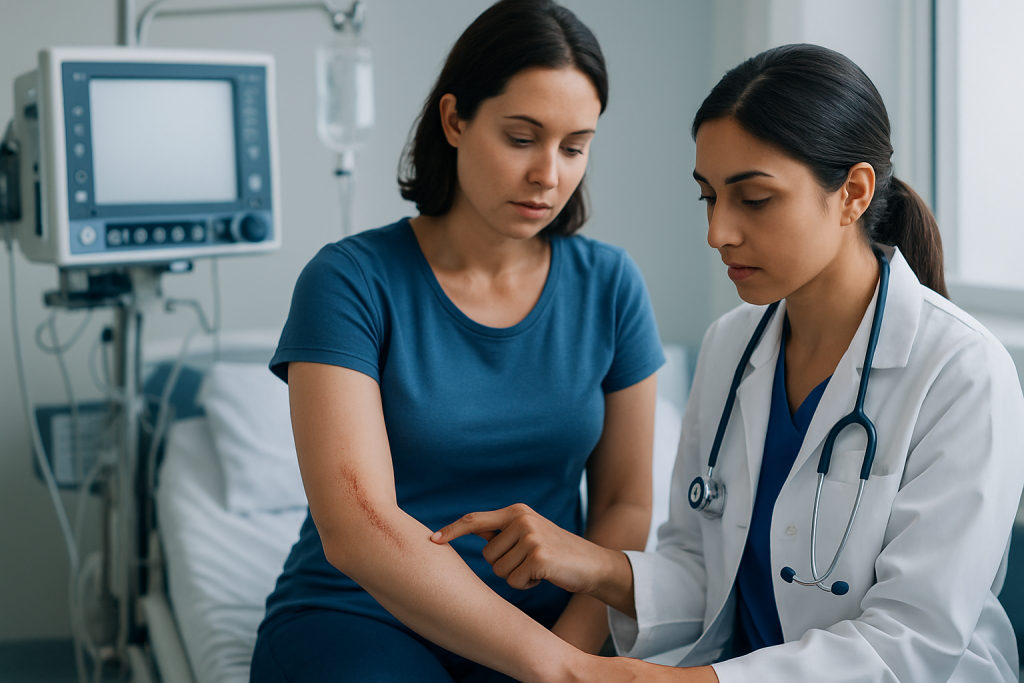
The most common signs of infected stitches are redness that spreads outward, increasing pain, swelling, and warmth around the wound. The area may become more tender instead of less tender each day. Some wounds also begin to drain thick yellow, green, white, or cloudy fluid, which may have an unpleasant smell.
Another clue is a change in how the wound looks. The edges may start to separate, the skin may become shiny or tight, or crusting may increase instead of decrease. Occasionally, a small pocket of fluid or pus forms under the skin. If the stitches feel unusually tight because of swelling, or the area looks increasingly inflamed, a clinician should review it.
Some people develop general symptoms as well, especially if the infection is more than mild. These can include fever, chills, feeling unusually tired, or enlarged nearby lymph nodes. A red streak spreading away from the wound can indicate infection moving through the skin and needs prompt medical assessment.
- Increasing redness rather than fading redness
- Swelling that worsens after the first few days
- Warmth and throbbing pain
- Pus, cloudy drainage, or bad odor
- Wound edges opening apart
- Fever or feeling unwell
Why Stitches Become Infected
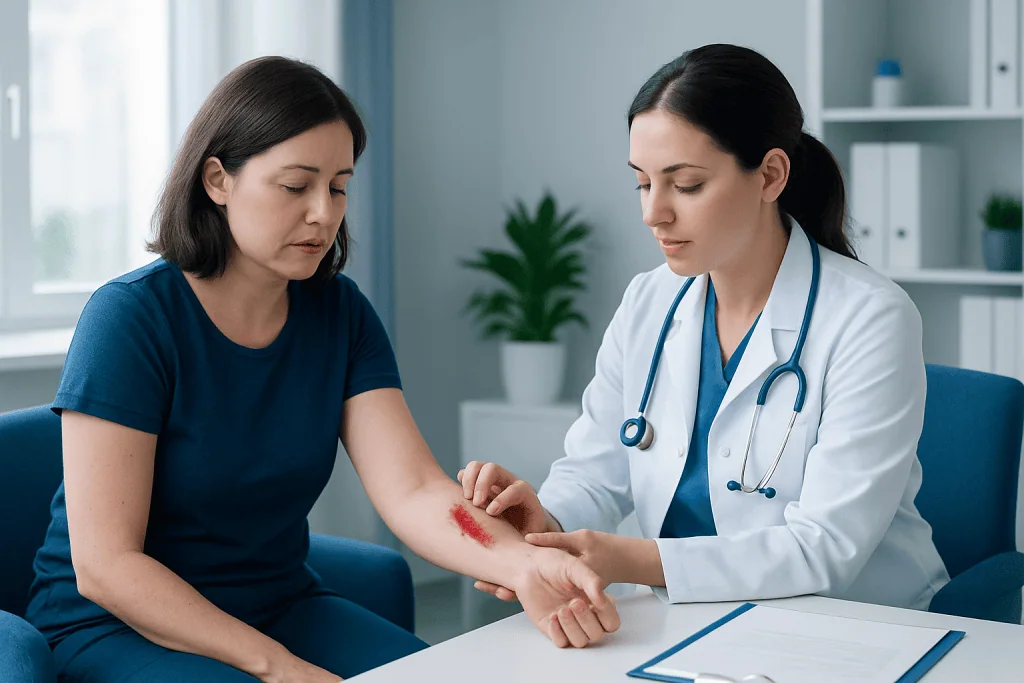
Infections can develop when bacteria reach the wound before the body has completed the early healing process. This may happen from contact with hands, clothing, contaminated water, or natural skin bacteria that multiply in the area. Some wounds are at higher risk from the start, especially if they were dirty, caused by trauma, or located where moisture and friction are hard to avoid.
Personal and medical factors also matter. Diabetes, smoking, poor circulation, obesity, immune suppression, poor nutrition, and certain medications can slow healing and make infection more likely. Long or complex surgeries, wounds under tension, and wounds on the feet, groin, or areas with more movement can also carry added risk.
Sometimes the body reacts to the suture material itself. This is called a stitch reaction and can look similar to a mild infection, with redness or irritation around the entry points. However, a true infection usually causes progressive symptoms, warmth, tenderness, and often drainage. Conditions that affect the skin, such as cellulitis, may also need to be considered if redness spreads into nearby tissue.
Rarely, a buried internal stitch can work its way toward the surface, causing a tender bump and drainage. This is sometimes called a spitting suture. It is not always infected, but because it can become inflamed or secondarily infected, it is best assessed by the surgical team or a doctor familiar with the wound.
How Doctors Diagnose Infected Stitches
Diagnosis usually begins with a clinical examination. A doctor or nurse will look at the wound, assess the degree of redness and swelling, check whether the wound edges are still closed, and ask how symptoms have changed over time. The pattern matters: a wound that is gradually improving is less concerning than one that is becoming more painful, more red, or increasingly wet.
The clinician may ask about recent fever, dressing changes, wound care habits, and any medical conditions that slow healing. They may gently press around the wound to see whether there is tenderness, trapped fluid, or pus beneath the surface. If there is drainage, a sample may sometimes be sent for testing, especially when infection is significant, recurrent, or not responding to initial treatment.
Not every infected wound needs imaging or blood tests. These are more likely if there is concern for a deeper abscess, a larger postsurgical infection, or signs that the infection is spreading through the body. In some cases, wound care may involve imaging guidance or further evaluation if the issue extends below the skin. When a deeper collection is suspected, doctors may consider procedures related to interventional radiology or surgical review.
Treatment Options for Infected Stitches
Treatment depends on how severe the infection is and whether it affects only the skin or deeper tissues. Mild cases may improve with careful wound cleaning, better dressing care, and close monitoring. A clinician may decide to remove some or all stitches if they are trapping infected material or if the wound needs to drain. This should not be done at home unless a healthcare professional has clearly advised it.
If pus has collected, the wound may need to be opened slightly so fluid can drain. The area is then cleaned and redressed. Some patients need antibiotics, especially if redness is spreading, drainage is significant, or fever is present. Antibiotic choice depends on the wound, the person’s health background, and sometimes culture results.
Deeper or more complicated infections may require a surgical review, especially if the wound starts to separate or tissue beneath the skin is involved. In selected cases after major surgery, treatment may include specialist wound care, drainage, or further repair. This is different from simple superficial infection and may overlap with care for an incisional hernia if a postsurgical abdominal wound has weakened over time.
Some wounds benefit from advanced closure or reconstruction once the infection has been controlled and the area is clean. Depending on the original procedure, a surgeon may discuss options such as wound care, general surgery, or other procedure-specific follow-up. Near the end of the care pathway, Acibadem International’s multidisciplinary specialists in JCI-accredited hospitals also evaluate and treat wound problems for international patients when appropriate.
Prevention and Safe Self-Care at Home
Good wound care is the best way to reduce the risk of infected stitches. The wound should be kept clean and dry according to the instructions given by the treating team. Hands should be washed before touching the area or changing a dressing. Dressings should be changed as directed, not too often and not too rarely, because repeated handling can also irritate healing tissue.
People should avoid soaking stitches in baths, pools, hot tubs, or natural water until a clinician says it is safe. Friction from tight clothing, sweating, and repeated stretching can also slow healing, especially over joints or the abdomen. If the wound is in a high-movement area, following advice on activity limits can help protect the repair.
General health supports healing too. Managing blood sugar, eating enough protein, staying hydrated, and avoiding smoking can all help the body repair tissue more effectively. It is also important not to apply creams, antiseptics, or herbal products unless they were specifically recommended, because some products can irritate the skin or trap moisture.
- Wash hands before any wound care
- Follow the surgeon’s or clinician’s dressing instructions
- Keep the area dry unless told otherwise
- Avoid picking scabs or scratching itchy stitches
- Watch for worsening redness, drainage, or fever
- Attend planned follow-up and stitch removal appointments
When to Seek Medical Care
Medical advice should be sought if a stitched wound becomes more red, painful, swollen, or warm after the first day or two, especially if symptoms are clearly worsening instead of improving. The same applies if there is pus, bad odor, significant bleeding, or the wound edges begin to pull apart. These changes may need prompt assessment to protect healing and reduce the chance of a deeper infection.
Same-day medical attention is especially important if there is fever, shaking chills, severe pain, rapidly spreading redness, or red streaks moving away from the wound. People with diabetes, poor circulation, a weakened immune system, or a recent major operation should have a lower threshold for seeking help because infections can progress more quickly in these situations.
Emergency care may be needed if the person feels faint, confused, short of breath, or seriously unwell, or if there is extensive swelling or tissue discoloration. When in doubt, contacting the surgeon, primary care doctor, or urgent care service is the safest step. Early review often means simpler treatment and better wound healing.
Frequently asked questions
How can a person tell if stitches are infected or just healing?
Normal healing usually brings mild tenderness, light pinkness, and gradual improvement day by day. Infected stitches are more likely to become increasingly red, swollen, warm, painful, or to produce pus or a bad smell.
Is a little redness around stitches normal?
Yes, a small amount of redness near the stitch line can be normal in the early healing phase. The concern is when redness spreads outward, becomes darker, or is accompanied by increasing pain, drainage, or fever.
Can infected stitches heal on their own?
A very mild superficial irritation may settle with proper wound care, but a true infection should not be ignored. Because it can worsen or spread, a healthcare professional should assess symptoms that are progressive or concerning.
Should stitches be removed if they are infected?
Sometimes, but only a clinician should decide this. If stitches are trapping pus or preventing drainage, partial or full removal may help treatment, but removing them too early without guidance can cause the wound to open.
What does drainage from infected stitches look like?
Infection-related drainage is often thick, cloudy, yellow, green, or white and may have an unpleasant odor. Clear or slightly blood-tinged fluid can happen in normal healing, especially early on, but increasing or foul-smelling drainage should be checked.
When should a person call a doctor about infected stitches?
A doctor should be contacted if there is worsening redness, swelling, pain, warmth, pus, bad odor, fever, or wound separation. Same-day assessment is wise if symptoms are spreading quickly or the person has diabetes, immune suppression, or feels unwell.
References
- Centers for Disease Control and Prevention
- National Health Service
- Mayo Clinic
- American College of Surgeons
- World Health Organization
This article is for general information only and is not a substitute for professional medical advice. Please consult a qualified doctor about your individual situation.
Explore treatments in Turkey — costs, top hospitals & a free quote
JCI-accredited · board-certified surgeons · reply within 24h