Radiation Therapy: How It Treats Cancer and What to Expect
Radiation therapy works by damaging the DNA of cancer cells, making it harder for them to grow and divide. Treatment may be used alone or together with surgery, chemotherapy, immunotherapy, or targeted therapy.
Key Takeaways
- Radiation therapy works by damaging the DNA of cancer cells, making it harder for them to grow and divide.
- Treatment may be used alone or together with surgery, chemotherapy, immunotherapy, or targeted therapy.
- Modern planning and imaging techniques help direct radiation precisely to the tumor area.
- Side effects vary depending on the treated body area, dose, schedule, and individual health factors.
- Most side effects are manageable, and the care team provides guidance before, during, and after treatment.
Radiation therapy is a common cancer treatment that uses carefully targeted high-energy radiation to damage cancer cells while limiting effects on nearby healthy tissue. Understanding how treatment is planned, delivered, and monitored can help patients feel more prepared and supported.
Overview
Radiation therapy, also called radiotherapy, is a treatment that uses high-energy beams or radioactive sources to destroy cancer cells or slow their growth. It is one of the main forms of cancer treatment and may be recommended for many tumor types, including cancers of the breast, prostate, lung, head and neck, brain, cervix, rectum, and others. The goal is to treat the cancer effectively while protecting healthy tissues as much as possible.
Radiation damages the genetic material inside cells. Cancer cells are often less able than normal cells to repair this damage, so they gradually stop dividing or die. Normal cells can also be affected, but many are able to recover over time. This is why radiation therapy is carefully planned and delivered in measured doses, often over several sessions.
Radiation therapy can have different goals. It may be used to cure cancer, reduce the chance of cancer returning after surgery, shrink a tumor before an operation, relieve symptoms such as pain or bleeding, or control cancer that cannot be removed surgically. The recommended approach depends on the cancer type, stage, location, overall health, and the patient’s treatment goals.
How Radiation Therapy Treats Cancer
Radiation therapy is not the same for every patient. The treatment plan is personalized using information from imaging tests, pathology results, physical examination, and the overall cancer treatment strategy. A radiation oncologist leads the planning process and works with medical physicists, dosimetrists, radiation therapists, nurses, and other specialists to design a safe and effective plan.
The main principle is to deliver enough radiation to the tumor or target area while reducing exposure to nearby organs. Modern techniques use computer-based planning and imaging guidance to shape radiation beams and adjust their intensity. This helps the treatment team account for tumor size, depth, position, and movement caused by breathing or digestion.
Radiation therapy may be used in several ways:
- Curative treatment: It may be used as the main treatment for certain cancers, sometimes with chemotherapy or other medicines.
- Adjuvant treatment: It may be given after surgery to lower the risk of cancer coming back in the treated area.
- Neoadjuvant treatment: It may be used before surgery to shrink a tumor and make an operation more effective.
- Palliative treatment: It may help relieve symptoms such as pain, pressure, bleeding, or blockage caused by cancer.
Radiation does not usually cause immediate tumor disappearance. Cancer cells may continue to die for days, weeks, or months after treatment ends. Follow-up visits and imaging tests help the care team evaluate how the cancer has responded.
Types of Radiation Therapy

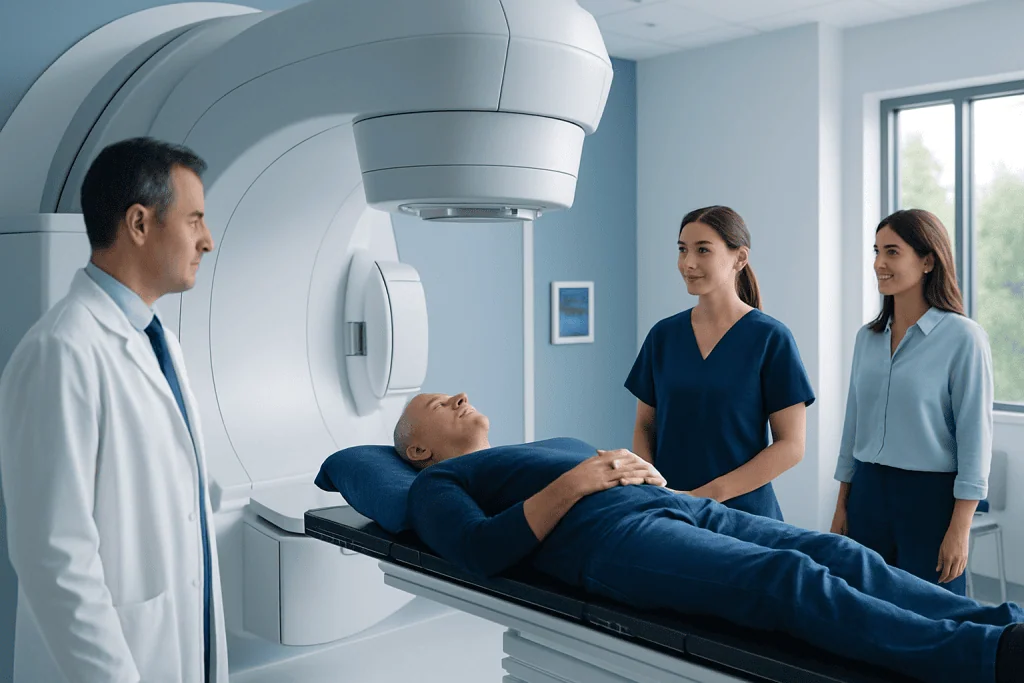
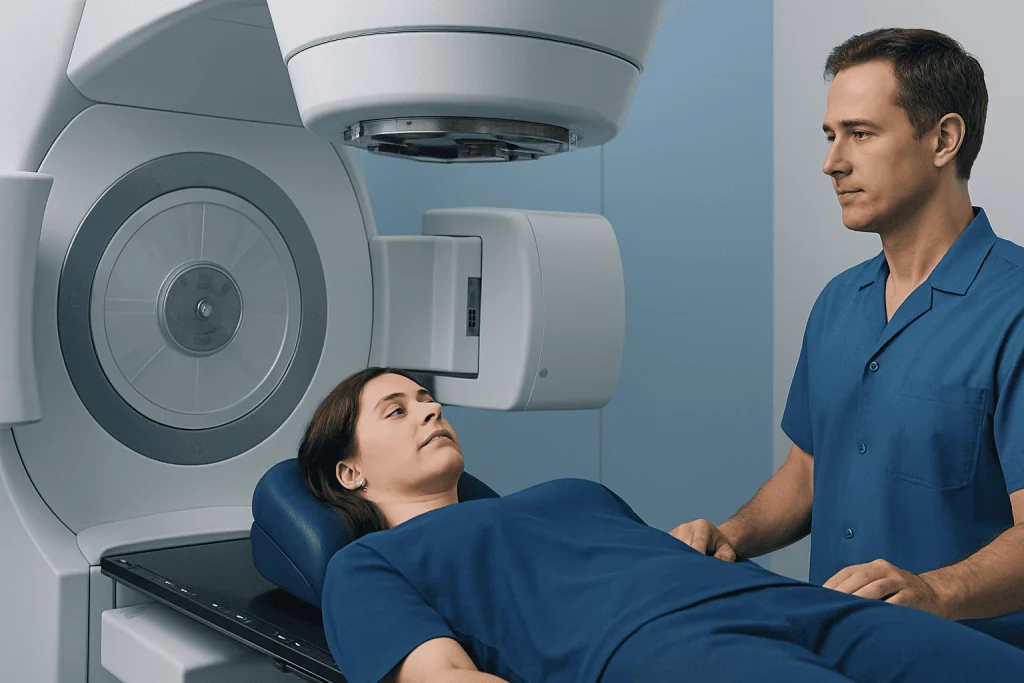
The most common type is external beam radiation therapy. A machine called a linear accelerator directs radiation beams from outside the body toward the cancer. Patients do not feel the radiation during treatment, and they do not become radioactive afterward. Sessions are usually brief, although positioning and setup may take longer than the radiation delivery itself.
Several advanced external beam techniques may be used depending on the cancer and treatment center. Three-dimensional conformal radiation therapy shapes the beams to the tumor. Intensity-modulated radiation therapy can vary the strength of beams across the treatment area. Image-guided radiation therapy uses frequent imaging to improve accuracy. Stereotactic radiosurgery and stereotactic body radiation therapy deliver highly focused radiation in fewer sessions for selected tumors.
Internal radiation therapy, called brachytherapy, places a radioactive source inside or very close to the tumor. It is used for certain gynecologic, prostate, breast, skin, and other cancers. The radioactive source may stay in place temporarily or permanently, depending on the technique. Safety instructions are provided when needed, especially if a patient goes home with a permanent low-dose source.
Systemic radiation therapy uses radioactive substances that travel through the bloodstream or target specific cancer cells. This approach may be used for selected thyroid cancers, some prostate cancers, neuroendocrine tumors, and certain bone-related cancer symptoms. Because these treatments are specialized, patients receive detailed instructions about precautions, hydration, and follow-up.
Planning and What Happens During Treatment
Before treatment begins, patients usually have a planning appointment called simulation. During simulation, the team positions the patient in the same way they will be treated each day. A CT scan and sometimes MRI or PET images are used to map the tumor and nearby organs. Small skin marks or a customized positioning device may be used to help reproduce the same position accurately.
After simulation, the radiation oncology team designs the treatment plan. This process may take several days because specialists must calculate the dose, beam angles, target area, and safety limits for normal tissues. The plan is checked carefully before the first treatment. Patients can ask questions about the purpose of treatment, number of sessions, expected benefits, side effects, and how progress will be monitored.
During external beam radiation therapy, the patient lies on a treatment table while the machine moves around them. The machine may make sounds, but it does not touch the body. The treatment team watches from a nearby control area and can communicate through an intercom. It is important to stay still, but normal breathing is usually allowed unless the team gives specific breathing instructions.
Treatment schedules vary. Some courses last one to two weeks, while others may last several weeks. Some highly focused treatments are completed in one to five sessions. Missing appointments should be avoided when possible, but if illness or travel problems occur, the care team can advise how to adjust the schedule safely.
Possible Side Effects and How They Are Managed
Radiation therapy side effects depend mainly on the part of the body being treated, the total dose, the number of sessions, and whether other treatments are given at the same time. Many side effects develop gradually and improve after treatment ends. The care team monitors symptoms regularly and can recommend medicines, skin care, nutrition support, or schedule adjustments when appropriate.
Common general effects may include tiredness, mild skin irritation in the treated area, and temporary changes in appetite. Skin may become dry, red, itchy, or sensitive, similar to a sunburn, but patients should not apply creams, perfumes, or dressings unless approved by the radiation team. Fatigue can build during treatment, and gentle activity, rest breaks, hydration, and balanced meals may help.
Area-specific side effects may include a sore throat or swallowing discomfort when the head, neck, or chest is treated; nausea or bowel changes when the abdomen or pelvis is treated; urinary frequency when the pelvis is treated; or hair loss only in the treated area. For brain treatment, headaches, scalp sensitivity, or localized hair loss may occur. The team explains which symptoms are expected for each patient’s plan.
Some side effects can occur months or years later, although modern techniques aim to reduce this risk. Long-term effects depend on the treated organ and dose. Follow-up care is important because it allows doctors to assess recovery, manage late effects early, and continue cancer surveillance.
Preparing for Radiation Therapy
Preparation begins with clear communication. Patients should tell the care team about current medicines, supplements, allergies, implanted devices, pregnancy possibility, previous radiation treatment, and other medical conditions. This information helps the team plan safely and coordinate care with other specialists.
Nutrition and hydration can support the body during treatment. There is no single radiation diet that is right for everyone, but patients are often encouraged to eat regular meals, include protein-rich foods, and drink enough fluids unless a doctor gives different advice. If swallowing, appetite, or digestion becomes difficult, a dietitian can provide individualized recommendations.
Patients may find it helpful to arrange transportation, work schedules, childcare, and support at home before treatment starts. Wearing comfortable clothing and using gentle, fragrance-free skin products may reduce irritation in treated areas. The team may also provide instructions about bladder filling, bowel preparation, breathing techniques, or fasting before specific sessions.
Emotional preparation is also important. It is normal to feel uncertain before radiation therapy. Asking questions, bringing a trusted person to appointments, and writing down concerns can help patients feel more in control. Many cancer centers offer counseling, social work support, rehabilitation, or survivorship services.
Safety, Follow-up, and Daily Life During Treatment
External beam radiation therapy does not make a person radioactive. Patients can usually be around family members, children, and pregnant people without radiation risk after each session. Safety precautions may be needed for some internal or systemic radiation treatments, and these instructions are explained clearly by the medical team.
Many patients continue normal daily activities during radiation therapy, although energy levels may change. Exercise should be adapted to how the person feels and approved by the doctor when needed. Patients should avoid smoking, protect treated skin from sun exposure, and follow instructions about bathing, shaving, deodorants, and wound care in the treated area.
Follow-up appointments are part of treatment. The radiation oncologist may examine the patient during the course of therapy and after completion. Imaging and blood tests are scheduled based on the type of cancer and overall treatment plan. Because response can take time, scans are often planned after the body has had an appropriate recovery interval.
For international patients, coordinated care can be especially helpful. Acibadem International’s multidisciplinary specialists and JCI-accredited hospitals diagnose and treat cancer patients with radiation therapy when appropriate, while supporting communication across oncology, surgery, imaging, pathology, and follow-up services.
When to Contact the Care Team
Patients should contact their radiation oncology team if symptoms are worsening, interfering with eating or drinking, or affecting daily activities. Early reporting allows the team to manage side effects before they become more difficult. Patients should not stop treatment or start new medicines, supplements, or skin products without medical advice.
Prompt medical guidance is especially important for fever, signs of infection, uncontrolled pain, severe nausea or vomiting, dehydration, new weakness, shortness of breath, confusion, bleeding, or sudden swelling. These symptoms do not always mean something serious is happening, but they should be assessed by a qualified healthcare professional.
Patients should also speak with the team about practical concerns such as missed appointments, travel plans, work limitations, sexual health, fertility, pregnancy, or caregiving responsibilities. Radiation therapy is a planned process, and the medical team can often help adjust supportive care, provide documentation, or coordinate with other doctors when needed.
Frequently asked questions
Is radiation therapy painful?
External beam radiation therapy is not painful during the session. Patients do not feel the radiation entering the body, although lying still or holding a position may be uncomfortable for some people. Side effects can develop later, and the care team can recommend ways to manage them.
Will radiation therapy make a patient radioactive?
External beam radiation therapy does not make a patient radioactive. It is safe to be around other people after each session. Some internal or systemic radiation treatments may require temporary precautions, and the care team will provide specific instructions if needed.
How long does a course of radiation therapy take?
The length of treatment depends on the cancer type, location, goal of therapy, and technique used. Some treatments are completed in a few sessions, while others are given over several weeks. The radiation oncologist explains the recommended schedule before treatment begins.
Can radiation therapy be combined with chemotherapy or surgery?
Yes. Radiation therapy is often combined with surgery, chemotherapy, immunotherapy, or targeted therapy when this offers the best chance of controlling the cancer. The sequence and timing depend on the diagnosis and the patient’s overall health.
Will hair fall out during radiation therapy?
Hair loss occurs only in the area being treated. For example, radiation to the head may cause scalp hair loss, while radiation to the pelvis will not affect scalp hair. Hair may grow back after treatment, but regrowth depends on the dose and treated area.
What should patients avoid during radiation therapy?
Patients should avoid applying unapproved creams, oils, perfumes, heating pads, or dressings to the treated area. They should also check with the care team before taking new supplements or medicines. Smoking and excessive sun exposure to treated skin should be avoided because they may interfere with healing.
How will doctors know if radiation therapy worked?
Doctors use physical examinations, imaging tests, blood tests, and symptom changes to assess response. The timing of evaluation varies because tumors may shrink or become inactive gradually after treatment ends. Follow-up visits help monitor both cancer control and recovery from side effects.
References
- National Cancer Institute
- American Cancer Society
- American Society for Radiation Oncology
- European Society for Radiotherapy and Oncology
- World Health Organization
This article is for general information only and is not a substitute for professional medical advice. Please consult a qualified doctor about your individual situation.
Radiation Therapy in Turkey — costs, top hospitals & a free quote
JCI-accredited · board-certified surgeons · reply within 24h

More from the Health Library

Related Specialists

Asst. Prof. Dr. Mahmut Ozan Findik
Otorhinolaryngology
Dr. Azad Bairamovi
Inpatient Clinic Physicians Clinical Service
Prof. Dr. Tevfik Fikret Çermik
Nuclear Medicine
Dr. Emre Mirçik
Radiology