

Flaccid Penis: What Patients Need to Know
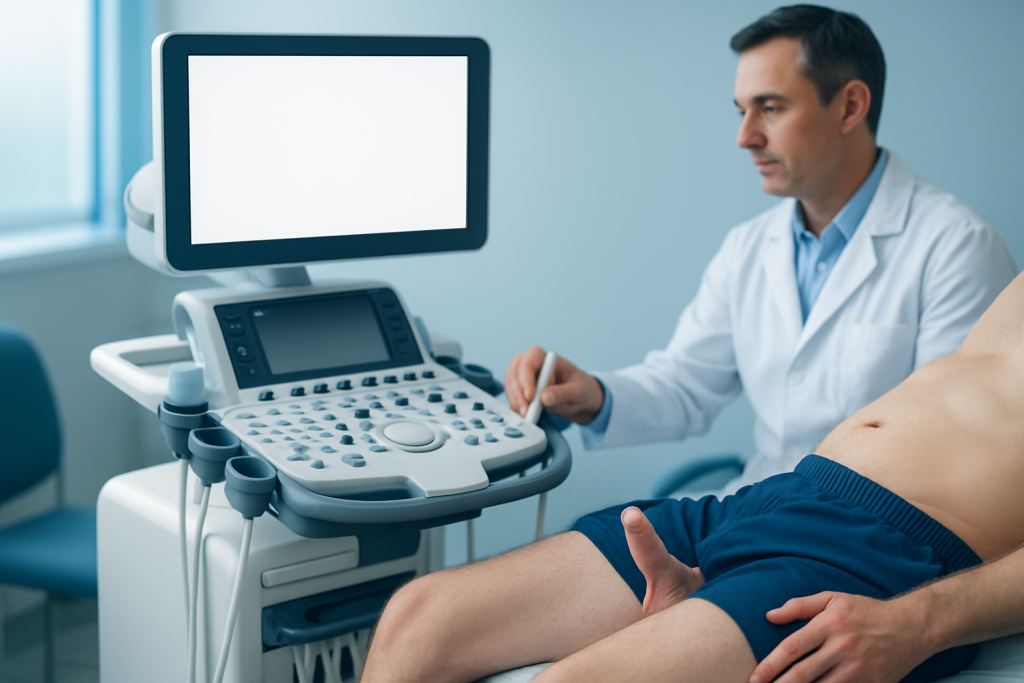
A flaccid penis is a normal anatomical state when the penis is not erect. Size and firmness in the flaccid state can vary throughout the day and are not a reliable measure of sexual function.
Key Takeaways
- A flaccid penis is a normal anatomical state when the penis is not erect.
- Size and firmness in the flaccid state can vary throughout the day and are not a reliable measure of sexual function.
- Pain, swelling, injury, numbness, new curvature, or persistent erection problems should be assessed by a doctor.
- Blood vessel, nerve, hormonal, urinary, medication-related, and psychological factors can affect penile changes.
- Healthy lifestyle habits and timely medical evaluation can help protect penile and overall vascular health.
A flaccid penis is the penis in its normal soft, non-erect state, and day-to-day changes in size, fullness, and appearance are often influenced by temperature, stress, blood flow, and overall health. Medical attention is usually needed only if the change is sudden, painful, persistent, or linked with injury, urinary symptoms, numbness, curvature, or trouble getting or keeping erections.
Overview: What a Flaccid Penis Means
A flaccid penis is simply the penis in its soft, non-erect state. This is normal anatomy, not a disease by itself. In everyday life, the flaccid penis naturally changes in size, temperature, skin appearance, and firmness depending on blood flow, ambient temperature, exercise, stress, hydration, and sexual arousal.
Many people notice that the penis looks smaller in cold weather, after intense exercise, or during anxiety. Others notice it appears fuller when warm or relaxed. These changes are usually temporary and reflect normal narrowing and widening of blood vessels and shifts in smooth muscle tone.
What matters most is not the exact appearance of the flaccid penis at any one moment, but whether there are symptoms such as pain, persistent color change, swelling, numbness, injury, urinary problems, or difficulty with erections. Those associated features help doctors tell normal variation from a condition that may need treatment.
What Is Normal Variation in the Soft State?
The flaccid penis does not look or feel exactly the same all day. Temperature is one of the strongest influences. In the cold, blood vessels constrict and the scrotum tightens, so the penis may appear shorter or less full. In warmth, blood vessels relax and the penis may look larger or hang lower.
Physical activity and stress can also temporarily change the soft state. During exercise or emotional stress, the body directs blood flow toward muscles and activates the sympathetic nervous system, which may make the penis seem more contracted. Fatigue, hydration, and recent sexual activity can also affect appearance.
Flaccid size also varies from person to person and does not reliably predict erect size or sexual performance. A penis that looks small in the flaccid state may function completely normally. Likewise, a fuller flaccid appearance does not guarantee normal erections. For this reason, doctors focus on symptoms, function, and change over time rather than appearance alone.
Symptoms That May Suggest a Medical Issue
A flaccid penis may need medical assessment when it is accompanied by other symptoms. Pain is one of the clearest warning signs, especially if it is sudden, severe, or linked to trauma, sexual activity, or a change in shape. Swelling, bruising, a popping sensation during intercourse, or rapid loss of an erection after injury can suggest urgent penile damage.
Other symptoms that deserve attention include numbness, reduced sensation, new curvature, lumps or scar-like areas, skin ulcers, sores, discharge, or burning with urination. Changes in color that do not quickly resolve, especially marked paleness, bluish discoloration, or black areas, can signal a blood flow problem and should not be ignored.
Persistent trouble getting or maintaining erections can also be an important clue, particularly if it is new or worsening. Erectile symptoms may be related to vascular disease, diabetes, hormone imbalance, medication effects, or emotional stress. In some cases, erection problems overlap with conditions such as erectile dysfunction or a painful scar-forming condition such as Peyronie’s disease.
- Pain, swelling, bruising, or injury
- New curvature or a firm plaque under the skin
- Numbness or persistent coldness
- Sores, rash, discharge, or urinary burning
- Sudden or ongoing erection problems
Possible Causes and Risk Factors
Most fluctuations in the flaccid state are normal, but certain health issues can affect penile blood flow, nerves, skin, or supporting tissues. Vascular conditions are especially important because erections depend on healthy blood vessels. High blood pressure, high cholesterol, smoking, obesity, and diabetes can all impair circulation over time.
Nerve-related causes may include pelvic injury, back problems, surgery in the pelvic region, or neurological disorders. Hormonal factors, especially low testosterone, can contribute to reduced libido and erection changes, though they are not the only explanation. Psychological stress, anxiety, depression, and relationship difficulties can also affect sexual function and body awareness.
Medication effects are another possibility. Some blood pressure medicines, antidepressants, and other prescriptions can contribute to sexual side effects in some patients. Infections, skin conditions, penile scarring, and trauma may cause pain or structural change. A doctor may also consider whether urinary symptoms point to a related issue in the male reproductive or urinary tract, including conditions involving the prostate or bladder, although many penile symptoms are not caused by cancer.
How Doctors Evaluate Penile Changes
Evaluation usually starts with a careful history. A doctor will ask when the change began, whether it is constant or intermittent, and whether there is pain, injury, urinary trouble, curvature, numbness, sexual difficulty, or changes in desire. They may also review smoking, alcohol use, exercise habits, medical conditions, stress, and current medications.
A physical examination can provide important clues. The doctor may check the penis, scrotum, skin, pulses, and sensation, and look for plaques, inflammation, infection, swelling, or signs of trauma. If erectile symptoms are part of the concern, blood pressure, cardiovascular risk factors, and hormonal signs may also be assessed.
Further tests depend on the symptoms. These may include blood tests for glucose, cholesterol, testosterone, or other hormones; urine tests if infection is suspected; and imaging such as penile Doppler ultrasound when blood flow needs to be assessed. In selected cases, a patient may be referred to a urologist for more detailed evaluation. If needed, doctors may discuss options used in assessing or treating erectile symptoms, including penile implant surgery for carefully selected patients with persistent, treatment-resistant erectile dysfunction.
Treatment Options Depend on the Cause
There is no single treatment for a flaccid penis because the soft state itself is normal. Treatment is directed at the underlying problem when one is identified. For example, infections are treated differently from circulation problems, nerve injury, hormonal disorders, medication side effects, or scar tissue.
If erectile dysfunction is present, care may include lifestyle changes, management of diabetes or blood pressure, medication review, counseling, or urologic therapies. Some patients benefit from specialist evaluation for erectile dysfunction treatment when erection problems are ongoing or affect quality of life. If penile curvature, pain, or plaques are found, treatment may be aimed at the underlying scar tissue or inflammation.
Urgent injuries require immediate medical care. A suspected penile fracture, severe swelling, significant color change, or a prolonged erection needs prompt assessment. In rare cases involving severe damage or advanced disease, reconstructive approaches may be considered, such as penis reconstruction surgery under specialist care. Treatment decisions are individualized, and self-diagnosis is not reliable when symptoms are significant.
Prevention and Self-care
Good general health supports penile health. Because penile blood vessels are sensitive to changes in circulation, habits that protect the heart often protect erections and penile tissue as well. Not smoking, staying physically active, getting enough sleep, and eating a balanced diet can all support healthy blood flow.
Managing chronic conditions is equally important. Keeping diabetes, blood pressure, and cholesterol under control may help reduce vascular and nerve-related complications. Patients should also review new sexual side effects with a doctor rather than stopping prescribed medications on their own.
Self-care also means avoiding injury. Gentle sexual activity, appropriate lubrication when needed, and prompt attention to pain during intercourse can help reduce trauma. It is best to avoid unapproved supplements, devices, or internet remedies that promise enlargement or rapid improvement, as these may be ineffective or harmful.
- Stop smoking and limit excess alcohol
- Stay active and maintain a healthy weight
- Manage diabetes, cholesterol, and blood pressure
- Seek help for anxiety, depression, or ongoing stress
- Talk to a doctor before using supplements or devices
When to Seek Medical Care
Medical care is advisable if there is a new, persistent, or worrying change in the penis, especially when it affects comfort, urination, sexual function, or daily confidence. A doctor can help determine whether the change is a normal variation, a temporary functional issue, or a condition that needs treatment.
Urgent assessment is important after trauma, with sudden severe pain, marked swelling, major bruising, or a popping sensation during sex. Immediate care is also needed for severe color change, loss of sensation, open sores, fever with genital symptoms, or an erection lasting too long. These situations should not be managed at home.
For non-urgent but persistent concerns, a primary care doctor or urologist is often the right starting point. Near the end of the care pathway, patients who need advanced assessment or treatment may choose centers with coordinated urology services. Acibadem International’s multidisciplinary specialists and JCI-accredited hospitals diagnose and treat penile and urologic conditions for international patients.
Frequently asked questions
Is a flaccid penis normal?
Yes. A flaccid penis is the normal soft state of the penis when it is not erect. Its size and firmness can vary with temperature, stress, activity, and blood flow.
Why does the penis sometimes look smaller when flaccid?
This is often a normal response to cold, exercise, anxiety, or temporary blood vessel constriction. These changes usually improve on their own once the body is warm and relaxed.
Does flaccid size predict erect size or sexual function?
No. Flaccid appearance is not a reliable guide to erect size, fertility, or sexual performance. Doctors place more importance on symptoms, erectile function, and any recent change.
When should someone worry about changes in a flaccid penis?
Medical review is important if there is pain, swelling, bruising, numbness, sores, discharge, new curvature, or persistent erection problems. Sudden symptoms after injury or major color change need urgent care.
Can stress or anxiety affect how the penis looks in the soft state?
Yes. Stress activates the nervous system and can temporarily reduce blood flow to the penis, making it appear more contracted. This does not always mean there is an underlying disease.
What kind of doctor evaluates penile symptoms?
A primary care doctor can assess many common concerns and arrange initial tests. A urologist is the specialist most often involved when symptoms are persistent, structural, or related to erections, urination, or injury.
References
- American Urological Association
- National Institute of Diabetes and Digestive and Kidney Diseases
- Mayo Clinic
- Cleveland Clinic
- Urology Care Foundation
This article is for general information only and is not a substitute for professional medical advice. Please consult a qualified doctor about your individual situation.
Explore treatments in Turkey — costs, top hospitals & a free quote
JCI-accredited · board-certified surgeons · reply within 24h
Check your numbers in seconds
BMI, calories, due date, blood pressure and 30+ more clinical calculators — free, instant, doctor-reviewed ranges.

More from the Health Library



Related Specialists

Asst. Prof. Dr. Sibel Yıldırım Moral
Otorhinolaryngology
Asst. Prof. Dr. Tarkan İkizoğlu
Pediatrics
Prof. Dr. Arzu Tatlipinar
Otorhinolaryngology
Asst. Prof. Dr. Tuğana Akbaş
Radiology