Kidney Transplant: Eligibility, Surgery, and Long-Term Care

Kidney transplant is considered for many people with end-stage kidney disease, but each patient needs a detailed medical and psychosocial evaluation. A donor kidney may come from a living donor or a deceased donor, and matching aims to reduce rejection risk and improve outcomes.
Key Takeaways
- Kidney transplant is considered for many people with end-stage kidney disease, but each patient needs a detailed medical and psychosocial evaluation.
- A donor kidney may come from a living donor or a deceased donor, and matching aims to reduce rejection risk and improve outcomes.
- Transplant surgery usually places the new kidney in the lower abdomen, while the patient’s own kidneys are often left in place unless there is a specific reason to remove them.
- Lifelong immunosuppressive medicines and regular follow-up are essential to protect the transplanted kidney.
- Patients can support long-term kidney health through infection prevention, heart-healthy habits, medication adherence, and timely medical care.
A kidney transplant is a treatment for kidney failure in which a healthy donor kidney is placed into a person whose kidneys no longer work well enough. Understanding eligibility, the surgery, and lifelong follow-up helps patients and families prepare with confidence.
Overview
A kidney transplant is a surgical procedure that places a healthy kidney from a donor into a person with kidney failure. Kidney failure, also called end-stage kidney disease, means the kidneys can no longer adequately remove waste products, balance fluids and minerals, or support important hormone functions. Dialysis can perform some of these tasks, but a successful transplant may offer greater freedom from dialysis schedules and may improve quality of life for suitable patients.
Only one transplanted kidney is needed to perform the body’s essential kidney functions. The donated kidney may come from a living donor, such as a relative, spouse, friend, or approved altruistic donor, or from a deceased donor. Living donor transplantation can sometimes be planned before dialysis becomes necessary, which is called pre-emptive transplantation.
A kidney transplant is not a cure in the sense that no further care is needed. It is a long-term treatment that requires lifelong monitoring, daily immunosuppressive medicines, and attention to general health. With a clear care plan and close communication with the transplant team, many patients return to work, school, travel, and regular family life after recovery.
Who May Be Eligible for a Kidney Transplant?

Kidney transplant eligibility is assessed through a comprehensive evaluation. In general, candidates are people with advanced chronic kidney disease or kidney failure who are healthy enough to undergo major surgery and take long-term anti-rejection medication. Age alone does not automatically exclude someone; overall health, physical function, and expected benefit are considered together.
The transplant team evaluates the heart, blood vessels, lungs, infections, cancer history, immune system compatibility, mental health, and the patient’s ability to follow a complex treatment plan. This process helps identify risks that can be managed before surgery. For example, dental infections, uncontrolled diabetes, heart disease, or certain infections may need treatment before a person can be placed on a transplant list or proceed with a living donor transplant.
Some conditions may delay or prevent transplantation until they are treated or stable. These may include active cancer, severe untreated infection, uncontrolled substance use, severe heart or lung disease that makes surgery unsafe, or inability to take medicines reliably. Each case is individual, and many issues that first appear to be barriers can be improved with coordinated care.
Common reasons for kidney failure that may lead to transplant evaluation include:
- Diabetes-related kidney disease
- High blood pressure-related kidney disease
- Glomerulonephritis and other inflammatory kidney diseases
- Polycystic kidney disease
- Congenital or inherited kidney disorders
- Repeated kidney infections or structural urinary tract problems
Living and Deceased Donor Kidneys
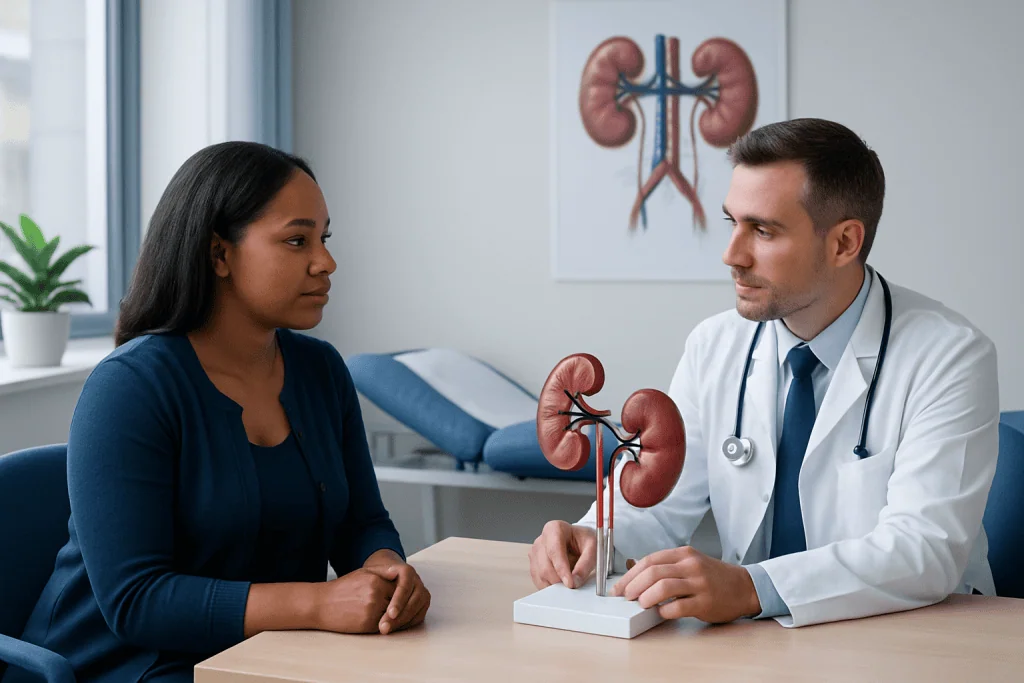
A living donor kidney comes from a healthy person who can safely donate one kidney. Living donors go through a separate, careful evaluation to protect their health and confirm that donation is voluntary and medically appropriate. The donor’s remaining kidney usually increases its work to support normal kidney function, but donors still need follow-up and healthy lifestyle habits after donation.
A deceased donor kidney comes from a person who has died and whose organs are donated according to medical, legal, and ethical standards. Allocation depends on factors such as blood type, tissue matching, waiting time, urgency, sensitization to donor antibodies, and local or national transplant rules. Waiting times vary widely by country, blood type, donor availability, and individual medical factors.
Compatibility testing is central to transplant planning. Blood type matching helps determine whether a transplant is possible, while human leukocyte antigen testing and antibody screening help estimate the risk of rejection. A crossmatch test checks whether the recipient has antibodies that would attack the donor kidney. If the crossmatch is positive, the transplant may be unsafe unless special protocols are appropriate and available.
Living donor options may include paired kidney exchange in some transplant systems. In paired exchange, a donor and recipient who are not compatible may be matched with another donor-recipient pair so that each recipient receives a compatible kidney. This approach can expand opportunities while maintaining donor and recipient safety.
What Happens During Kidney Transplant Surgery?
Kidney transplant surgery is performed under general anesthesia. In most cases, the surgeon places the donated kidney in the lower abdomen, usually on the right or left side. The blood vessels of the donor kidney are connected to blood vessels in the recipient’s pelvis, and the donor ureter, which carries urine from the kidney, is connected to the bladder. The patient’s own kidneys are often left in place unless they are causing problems such as repeated infections, severe enlargement, pain, or uncontrolled high blood pressure.
The operation commonly takes several hours, though the exact duration depends on the patient’s anatomy, previous surgeries, and donor kidney factors. A urinary catheter is usually placed temporarily to drain the bladder, and a small stent may be placed inside the ureter to support healing. After surgery, the care team closely monitors urine output, blood pressure, blood tests, fluid balance, pain control, and signs of bleeding or infection.
Some transplanted kidneys begin making urine immediately, while others need time to recover, especially after deceased donor transplantation. This is called delayed graft function and may require temporary dialysis until the kidney improves. The transplant team explains this possibility in advance so patients understand that a slower start does not always mean the transplant has failed.
Risks, Rejection, and Anti-Rejection Medicines
Like all major surgery, kidney transplantation has risks. Early risks may include bleeding, blood clots, wound problems, urine leakage, narrowing of the ureter, or infection. Later risks include rejection, medication side effects, recurrent kidney disease, cardiovascular disease, and some cancers related to long-term immune suppression. The purpose of regular follow-up is to detect problems early, often before symptoms appear.
Rejection occurs when the immune system recognizes the transplanted kidney as foreign and attacks it. Rejection can be acute, developing over days to weeks, or chronic, developing gradually over months to years. Many episodes of acute rejection can be treated, particularly when identified early. Warning signs may include reduced urine output, swelling, weight gain, fever, tenderness over the transplant area, or rising creatinine on blood tests, but rejection can also occur without obvious symptoms.
Immunosuppressive medicines reduce the risk of rejection. Most patients take a combination of drugs that work in different ways, and the exact regimen is tailored to the individual. These medicines must be taken at the same times every day unless the transplant team advises otherwise. Missing doses, taking extra doses, or combining them with certain over-the-counter medicines or supplements can affect kidney function or rejection risk.
Because immunosuppression lowers some immune defenses, patients are more vulnerable to certain infections. The transplant team may prescribe preventive medicines for a period after surgery and recommend vaccines that are safe for transplant recipients. Live vaccines are generally avoided after transplantation, so patients should always check with their transplant team before vaccination.
Recovery and Long-Term Care After Transplant
Hospital stay after kidney transplant varies depending on recovery, kidney function, and whether complications occur. In the first weeks, follow-up visits and blood tests are frequent. The care team adjusts immunosuppressive medicine levels, checks kidney function, monitors blood pressure and blood sugar, and looks for early signs of infection or rejection. Patients are usually advised to avoid heavy lifting and strenuous activity until the surgical wound heals and the surgeon confirms it is safe.
Long-term care focuses on protecting both the transplanted kidney and overall health. High blood pressure, diabetes, high cholesterol, smoking, and excess weight can all affect kidney and heart health. Many transplant recipients need ongoing monitoring by nephrologists, transplant surgeons, nurses, pharmacists, dietitians, and sometimes cardiologists, endocrinologists, or infectious disease specialists.
Patients can support recovery and long-term transplant health by following practical habits:
- Take all medicines exactly as prescribed and keep an updated medication list.
- Attend scheduled blood tests and clinic visits, even when feeling well.
- Monitor blood pressure, weight, and any symptoms as advised.
- Practice careful hand hygiene and avoid close contact with people who have contagious infections.
- Follow food safety guidance, including avoiding undercooked meats, unpasteurized products, and unsafe water when advised.
- Use sun protection and attend recommended cancer screening because immunosuppression can increase certain risks.
Diet and activity plans are individualized. Many patients are encouraged to follow a heart-healthy diet, limit excess salt, maintain safe physical activity, and avoid tobacco. Some foods, especially grapefruit or grapefruit juice, can interact with common transplant medicines, so patients should ask their care team before making major diet or supplement changes.
Emotional, Practical, and Travel Considerations
Kidney transplantation affects more than physical health. Patients may feel relief, gratitude, uncertainty, or worry about rejection and medication routines. These feelings are common, and support from family, peer groups, psychologists, social workers, and transplant coordinators can help. For living donor transplants, both donor and recipient may benefit from clear communication and independent support during decision-making and recovery.
Practical planning is important. Patients should understand how to obtain medicines without interruption, what to do if a dose is missed, and whom to contact after hours. They may need to plan time away from work or school, transportation for frequent early visits, and help at home during the first recovery period. Insurance coverage, cross-border care, and medication availability should be clarified before surgery whenever possible.
Travel is often possible after recovery, but it requires planning. Transplant recipients should carry a medication list, pack extra medicines in hand luggage, avoid missing doses across time zones, and ask the transplant team about vaccines, food safety, and infection risks at the destination. Patients traveling internationally for care should also ensure that follow-up arrangements are coordinated after returning home.
Acibadem International’s multidisciplinary transplant specialists and JCI-accredited hospitals diagnose and treat kidney failure and transplantation needs for international patients, including evaluation, surgery, and coordinated follow-up planning. Patients should always choose a transplant center that follows recognized ethical standards for organ donation and provides long-term aftercare.
When to See a Doctor
People with advanced chronic kidney disease should ask their nephrologist when transplant evaluation is appropriate. Early referral can be helpful because the evaluation process takes time and may identify treatable issues before kidney failure becomes severe. Patients already on dialysis can also be evaluated if transplantation may be safe and beneficial for them.
After transplant, patients should contact their transplant team promptly for fever, chills, new cough, burning with urination, vomiting or diarrhea that may affect medicine absorption, reduced urine output, sudden weight gain, swelling, shortness of breath, chest pain, severe abdominal pain, redness or drainage from the wound, or pain over the transplant area. They should also report missed medication doses, new prescriptions from another doctor, or use of herbal products and supplements.
Routine follow-up should not be skipped even when the patient feels well. Kidney function changes can be silent at first, and blood tests are one of the best ways to detect early problems. A close partnership with the transplant team gives the transplanted kidney the best chance of long-term function while supporting the patient’s overall well-being.
Frequently asked questions
Who is a good candidate for a kidney transplant?
A good candidate is usually someone with advanced kidney disease or kidney failure who is healthy enough for surgery and able to follow lifelong treatment. The transplant team checks heart health, infection risk, cancer history, immune compatibility, and medication adherence. Some issues may need treatment before listing or surgery.
Is a kidney transplant better than dialysis?
For many suitable patients, a successful kidney transplant can provide better quality of life and more independence than long-term dialysis. However, it is not the right option for everyone because it involves surgery, lifelong medicines, and regular monitoring. The best choice depends on overall health, personal circumstances, and medical evaluation.
Can a person live normally with one donated kidney?
Many living kidney donors live healthy lives with one kidney after careful evaluation and donation. Donors are selected only when the medical team believes donation is acceptably safe for them. They still need follow-up, blood pressure checks, and healthy lifestyle habits after donation.
How long does recovery take after kidney transplant surgery?
Initial hospital recovery often takes several days, but full recovery takes longer and varies by patient. Frequent blood tests and clinic visits are expected during the first weeks to adjust medicines and monitor kidney function. Heavy lifting and strenuous activity are usually limited until the surgical team confirms healing is adequate.
What happens if the body rejects the transplanted kidney?
Rejection means the immune system is reacting against the transplanted kidney. It may be found through blood tests, symptoms, or sometimes a kidney biopsy. Many acute rejection episodes can be treated, especially when detected early, which is why regular follow-up is essential.
Will anti-rejection medicines be needed forever?
Most kidney transplant recipients need immunosuppressive medicines for as long as the transplanted kidney is working. These medicines reduce rejection risk but can increase susceptibility to infections and have other side effects. The transplant team monitors drug levels and adjusts treatment to balance protection and safety.
Can kidney disease return after a transplant?
Some kidney diseases can recur in the transplanted kidney, although the risk depends on the original disease. Conditions such as diabetes and high blood pressure can also affect the new kidney if not well controlled. Regular monitoring and management of underlying health conditions help protect long-term kidney function.
References
- World Health Organization
- National Kidney Foundation
- American Society of Transplantation
- European Renal Association
- Kidney Disease: Improving Global Outcomes
This article is for general information only and is not a substitute for professional medical advice. Please consult a qualified doctor about your individual situation.
Kidney Transplant in Turkey — costs, top hospitals & a free quote
JCI-accredited · board-certified surgeons · reply within 24h
Check your numbers in seconds
BMI, calories, due date, blood pressure and 30+ more clinical calculators — free, instant, doctor-reviewed ranges.