Physiotherapy After Hip Replacement: Safe Exercises and Recovery Goals

Early gentle movement, breathing exercises, ankle pumps, and short walks help reduce stiffness and support circulation after hip replacement. Exercise progression should be tailored to the surgical approach, bone quality, implant type, pain level, and overall health.
Key Takeaways
- Early gentle movement, breathing exercises, ankle pumps, and short walks help reduce stiffness and support circulation after hip replacement.
- Exercise progression should be tailored to the surgical approach, bone quality, implant type, pain level, and overall health.
- Walking goals usually increase gradually from supported steps to longer, more confident distances as strength and balance improve.
- Hip precautions vary; patients should follow the specific movement restrictions given by their surgical team.
- New severe pain, wound changes, fever, calf swelling, shortness of breath, or a fall should be discussed with a doctor promptly.
Physiotherapy after hip replacement helps restore movement, strength, balance, and confidence in daily activities. A safe recovery plan is gradual, individualized, and guided by the surgeon and physiotherapist.
Overview
Hip replacement surgery, also called total hip arthroplasty, replaces damaged parts of the hip joint with artificial components. It is commonly performed for advanced osteoarthritis, hip fracture, inflammatory arthritis, or other conditions that cause pain and loss of mobility. Physiotherapy after hip replacement is an essential part of recovery because the operation improves the joint structure, while rehabilitation helps the person regain safe movement and function.
The main goals of rehabilitation are to reduce stiffness, rebuild muscle strength, improve walking pattern, protect the new joint, and support independence in daily life. Recovery is not a race. Some people progress quickly, while others need more time due to age, pre-surgery fitness, other medical conditions, or the complexity of surgery.
A physiotherapy plan usually starts in the hospital with simple exercises and walking practice, then continues at home or in an outpatient rehabilitation setting. The safest plan is the one that matches the surgeon’s instructions, especially regarding weight bearing and hip precautions. Patients should always ask their care team before adding new exercises or changing intensity.
Early Recovery Goals After Hip Replacement
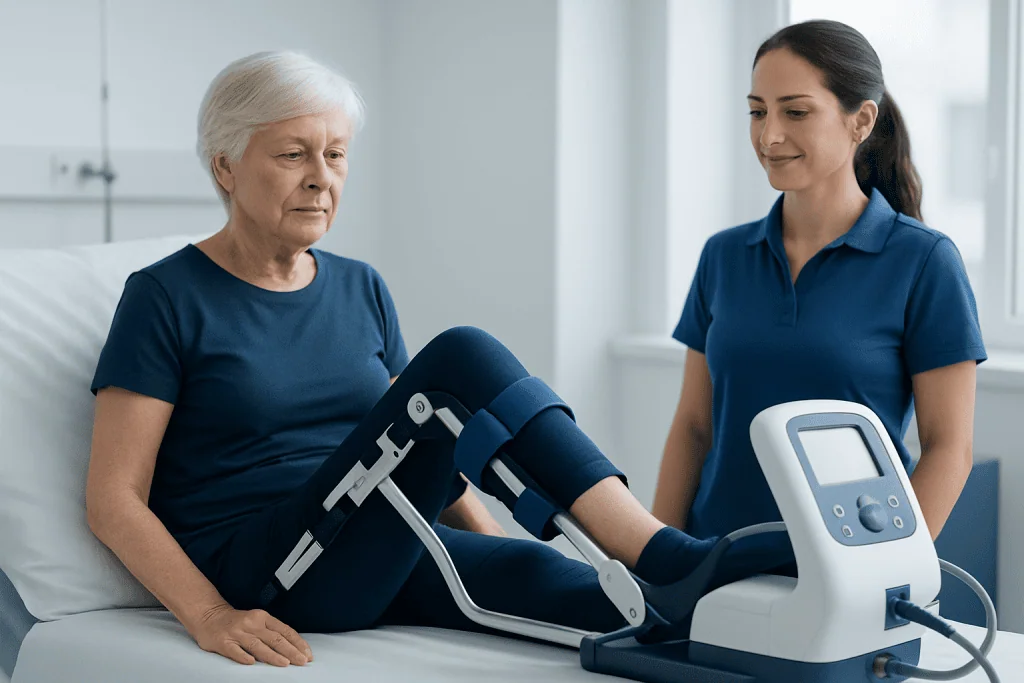
In the first days after surgery, the focus is on comfort, circulation, safe transfers, and short, frequent movement. Patients are often taught how to get in and out of bed, stand up from a chair, use a walker or crutches, and walk with a safe step pattern. These skills help reduce the risk of falls and make daily activities more manageable.
Early goals may include taking regular short walks, performing gentle leg exercises, managing swelling with rest and elevation as advised, and learning how to protect the hip during sitting, dressing, bathing, and toileting. Pain should be controlled enough to allow movement, but exercises should not be forced through sharp or worsening pain.
Common early recovery milestones include:
- Getting out of bed with safe technique.
- Walking short distances with an appropriate assistive device.
- Practicing ankle pumps and gentle muscle activation exercises.
- Understanding movement precautions recommended by the surgical team.
- Gradually increasing independence with daily activities.
Safe Exercises in the First Weeks

Most early exercises are simple, low-load movements designed to improve circulation and gently activate the muscles around the hip, thigh, and lower leg. A physiotherapist usually demonstrates the correct technique and explains how often to do them. Exercises are typically performed slowly and with controlled breathing, avoiding sudden twisting or excessive hip movement.
Common early exercises may include ankle pumps, thigh squeezes, buttock squeezes, heel slides within a comfortable range, gentle knee straightening, and assisted hip movement as approved. Standing exercises may be introduced when the patient can stand safely, such as small weight shifts, supported marching, or gentle hip abduction while holding a stable surface.
Walking is also a key exercise. Short, frequent walks are usually better than one long walk that causes fatigue or limping. The walking aid should be adjusted to the correct height, and patients should use it until their physiotherapist or doctor confirms they are ready to reduce support.
Exercises should be stopped and reviewed if they cause sudden severe pain, a feeling that the hip is unstable, increasing swelling, dizziness, or shortness of breath. Mild muscle soreness can be normal, but symptoms should settle with rest and should not worsen day by day.
Progression: Strength, Balance, and Walking
As healing progresses, rehabilitation usually shifts toward improving strength, balance, endurance, and normal walking mechanics. The muscles around the hip, especially the gluteal muscles, are important for stability when standing and walking. Weakness may cause a limp, difficulty climbing stairs, or reduced confidence outdoors.
Later exercises may include supported mini-squats, step-ups, side-stepping, bridges, stationary cycling with appropriate seat height, and progressive resistance exercises. Balance practice may also be added, such as standing with a narrower base of support or controlled weight shifting. These activities should be introduced gradually and only when the patient can perform them with good form.
Walking goals are individualized. Some patients may progress from a walker to a cane and then to walking without an aid, while others may need longer support for safety. The aim is not simply to walk without a device, but to walk smoothly, with good posture, controlled steps, and minimal limping.
Stairs are often practiced with a physiotherapist before discharge or during outpatient therapy. A common rule is to lead upstairs with the stronger leg and downstairs with the operated leg while using a handrail and walking aid as instructed. However, patients should follow the specific method taught by their physiotherapist.
Hip Precautions and Everyday Movement
Hip precautions are movement guidelines that may be recommended to reduce stress on the new joint while tissues heal. They are not the same for every patient. Precautions depend on the surgical approach, implant stability, surgeon preference, and individual risk factors. Some people receive strict restrictions for a period of time, while others have fewer limitations.
Patients may be advised to avoid certain combinations of bending, twisting, crossing the legs, or turning the operated leg inward or outward. They may also be taught to use raised seating, long-handled dressing aids, or a pillow between the knees when lying, depending on the instructions given. These recommendations should be followed exactly as provided by the care team.
Everyday movements that deserve attention include sitting down, standing up, getting into a car, reaching for objects, putting on shoes and socks, and turning in bed. The safest strategy is to move slowly, keep the body aligned, avoid pivoting sharply on the operated leg, and plan the environment so frequently used items are easy to reach.
Home safety can make rehabilitation easier. Removing loose rugs, improving lighting, keeping pathways clear, using non-slip footwear, and installing grab bars where needed may reduce fall risk. A stable chair with armrests can also help with sit-to-stand practice and daily comfort.
Pain, Swelling, and Energy Management
Some discomfort, swelling, and fatigue are expected after hip replacement, especially when activity increases. Physiotherapy should challenge the body gently, but it should not create a cycle of overactivity followed by significant flare-ups. A balanced plan includes exercise, walking, rest, nutrition, hydration, and sleep.
Swelling often improves gradually with movement and rest. Patients may be advised to elevate the leg, use cold therapy if appropriate, and avoid sitting for very long periods without moving the ankles. Any use of ice, compression, or medication should follow the instructions of the healthcare team, especially for patients with circulation problems, skin sensitivity, or other medical conditions.
Energy conservation is important in the first weeks. Activities such as showering, dressing, attending appointments, and doing exercises can be tiring. Patients may benefit from spreading tasks throughout the day, taking short rest breaks, and prioritizing safe walking and prescribed exercises over non-essential chores.
Pain that slowly improves is different from pain that suddenly becomes intense, is associated with a fall, or prevents weight bearing. New or worsening symptoms should be assessed rather than ignored, because early advice can help keep recovery on track.
Returning to Daily Activities and Exercise
Return to daily activities is gradual and should be discussed with the surgeon and physiotherapist. Many patients work toward independent walking, household tasks, stair climbing, and comfortable sitting before moving on to more demanding activities. Driving, work duties, travel, and sports require additional clearance because they depend on reaction time, pain control, strength, medication use, and the type of activity.
Low-impact activities are often preferred after hip replacement because they support fitness while limiting joint stress. Examples may include walking, stationary cycling, swimming after the wound has healed and the doctor approves, and supervised strengthening exercises. High-impact or contact sports may not be appropriate for everyone and should be discussed with the orthopedic team.
Long-term exercise remains valuable even after the formal rehabilitation period ends. Maintaining hip and core strength, flexibility within safe limits, balance, and overall cardiovascular fitness can support function and confidence. Patients should continue to progress gradually and avoid sudden increases in distance, resistance, or intensity.
When to See a Doctor
Patients should contact their doctor or surgical team if they develop increasing wound redness, drainage, fever, worsening pain, new difficulty bearing weight, a fall, or a feeling that the hip has shifted or become unstable. Calf pain, marked swelling in one leg, chest pain, or shortness of breath require urgent medical attention because they may indicate a circulation or breathing concern.
It is also sensible to ask for review if rehabilitation progress stalls, limping increases, exercises become confusing, or fear of movement limits daily activity. A physiotherapist can adjust the program, check walking technique, and help identify whether symptoms are related to normal recovery, weakness, stiffness, or another issue that needs medical input.
For international patients, Acibadem International provides access to multidisciplinary orthopedic and rehabilitation specialists in JCI-accredited hospitals, including assessment and follow-up planning for hip replacement recovery. Wherever care is received, the most important step is to follow individualized medical advice and report concerning changes promptly.
Frequently asked questions
When does physiotherapy start after hip replacement?
Physiotherapy often begins very soon after surgery, sometimes on the same day or the next day, depending on the patient and the hospital protocol. Early therapy usually focuses on breathing, circulation, safe bed mobility, standing, and short walks. The exact timing should be decided by the surgical and rehabilitation team.
Which exercises are safest in the first week?
Common early exercises include ankle pumps, gentle thigh squeezes, buttock squeezes, and short walks with a walker or crutches. Some patients may also do heel slides or supported standing exercises if approved. The safest exercises are the ones prescribed for the individual surgical approach and recovery status.
How much walking is recommended after hip replacement?
Walking is usually increased gradually, starting with short, frequent walks and progressing as strength and confidence improve. The goal is to walk with good posture and minimal limping, not to push through fatigue or sharp pain. A physiotherapist can help decide when to increase distance or reduce the use of a walking aid.
Are hip precautions the same for everyone?
No. Hip precautions vary based on the surgical approach, implant type, surgeon preference, and personal risk factors. Patients should follow the specific instructions given by their own team, rather than relying on general advice from friends or online sources.
When can a patient climb stairs after hip replacement?
Many patients practice stairs before leaving the hospital or during early rehabilitation, if they are medically stable and strong enough. A handrail and walking aid may be needed at first. The physiotherapist will teach the safest step pattern and advise when stair use can increase.
What signs mean recovery should be checked by a doctor?
A doctor should be contacted for worsening pain, new inability to bear weight, a fall, fever, wound drainage, increasing redness, or a feeling of hip instability. Urgent care is needed for chest pain, shortness of breath, or significant calf swelling or pain. Prompt assessment helps protect recovery and address problems early.
References
- American Academy of Orthopaedic Surgeons
- National Institute for Health and Care Excellence
- American Physical Therapy Association
- World Health Organization
- National Health Service
This article is for general information only and is not a substitute for professional medical advice. Please consult a qualified doctor about your individual situation.
Hip Replacement in Turkey — costs, top hospitals & a free quote
JCI-accredited · board-certified surgeons · reply within 24h