Cardiac Rehabilitation: Exercise and Lifestyle Support After Heart Disease
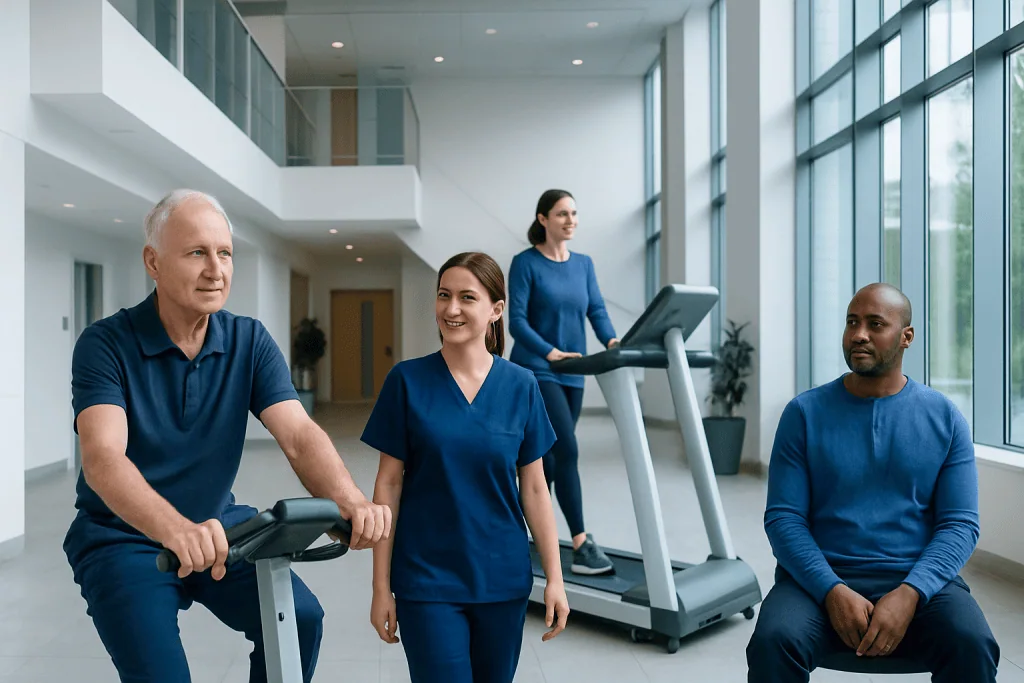
Cardiac rehabilitation is a medically supervised program designed to support recovery after many types of heart disease or heart procedures. Exercise is tailored to the person’s condition, fitness level, symptoms, and treatment plan, with monitoring when needed.
Key Takeaways
- Cardiac rehabilitation is a medically supervised program designed to support recovery after many types of heart disease or heart procedures.
- Exercise is tailored to the person’s condition, fitness level, symptoms, and treatment plan, with monitoring when needed.
- Education on nutrition, medicines, smoking cessation, stress, sleep, and daily activity is an important part of cardiac rehab.
- Cardiac rehab can help improve physical capacity, quality of life, confidence, and adherence to heart-healthy habits.
- People should ask their cardiologist when it is safe to begin and report chest pain, unusual breathlessness, dizziness, or worsening symptoms promptly.
Medically reviewed by the Acıbadem International Medical Board — June 20, 2026
Cardiac rehabilitation is a supervised program that helps people recover after a heart attack, heart surgery, heart failure, or other heart conditions. It combines safe exercise, education, lifestyle support, and emotional care to improve confidence and long-term heart health.
Overview
Cardiac rehabilitation, often called cardiac rehab, is a structured recovery program for people living with heart disease or recovering from a heart-related event. It is commonly recommended after a heart attack, coronary angioplasty or stent placement, coronary artery bypass surgery, valve surgery, heart failure stabilization, heart transplantation, or certain rhythm and vascular conditions. The goal is not only to exercise, but to help the person return to daily life more safely and confidently.
A typical cardiac rehabilitation program includes supervised physical activity, medical assessment, risk factor management, nutrition guidance, medication education, and support for emotional well-being. The program is usually delivered by a multidisciplinary team that may include cardiologists, rehabilitation physicians, physiotherapists, nurses, dietitians, psychologists, and exercise specialists. The plan is individualized because each person’s heart condition, treatment history, fitness level, and goals are different.
Cardiac rehab may take place in a hospital outpatient unit, rehabilitation center, community setting, or, for selected lower-risk patients, through a home-based or hybrid program with professional guidance. Sessions are usually gradual and closely matched to what the heart and body can tolerate. This careful approach helps people learn how to move, breathe, pace themselves, and recognize normal versus concerning symptoms during recovery.
Who Can Benefit from Cardiac Rehabilitation?
Many people assume cardiac rehabilitation is only for those who have had a heart attack, but its benefits are broader. A doctor may recommend it after procedures such as stent placement, bypass surgery, valve repair or replacement, or after hospitalization for heart failure. It may also be helpful for people with stable angina, peripheral artery disease, certain congenital or inherited heart conditions, or those preparing to return to activity after a significant cardiac diagnosis.
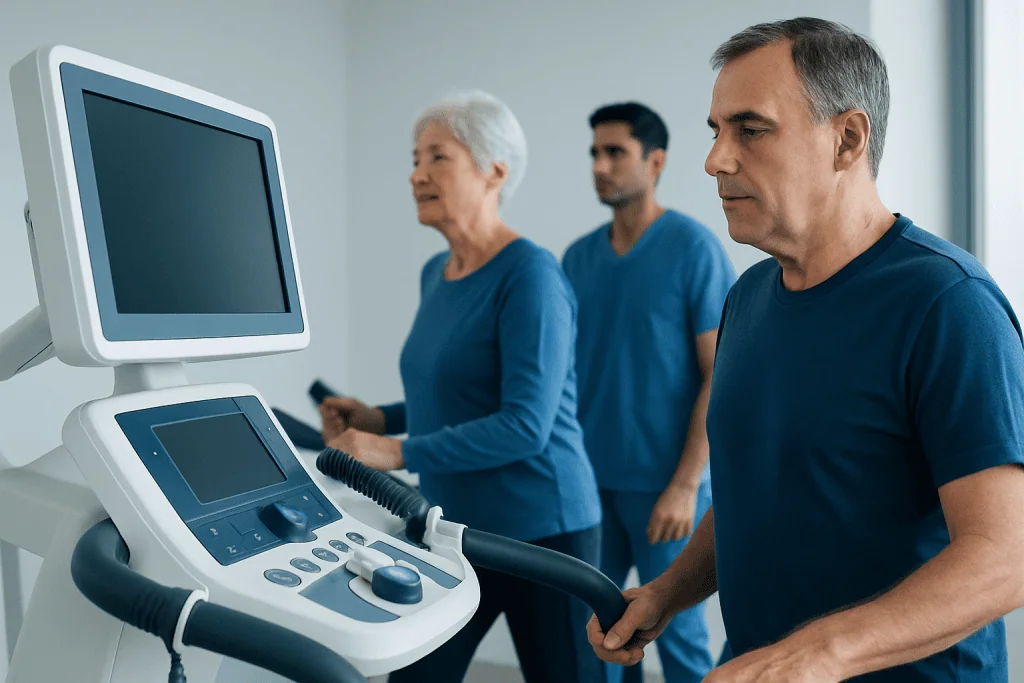
Cardiac rehab is especially valuable for people who feel uncertain about exercise after a heart event. Fear of triggering symptoms can lead to inactivity, but avoiding movement for too long may slow recovery and reduce stamina. A supervised program provides reassurance, teaches safe limits, and helps rebuild strength step by step. For some patients, monitoring of heart rate, blood pressure, oxygen level, or heart rhythm is used during early sessions.
Not everyone starts at the same time or at the same intensity. The cardiology team considers factors such as current symptoms, wound healing after surgery, blood pressure control, heart rhythm stability, other medical conditions, and recent test results. Some people begin with very gentle walking and breathing exercises, while others may progress more quickly. The safest plan is always based on a medical assessment rather than a one-size-fits-all routine.
What Happens in a Cardiac Rehab Program?
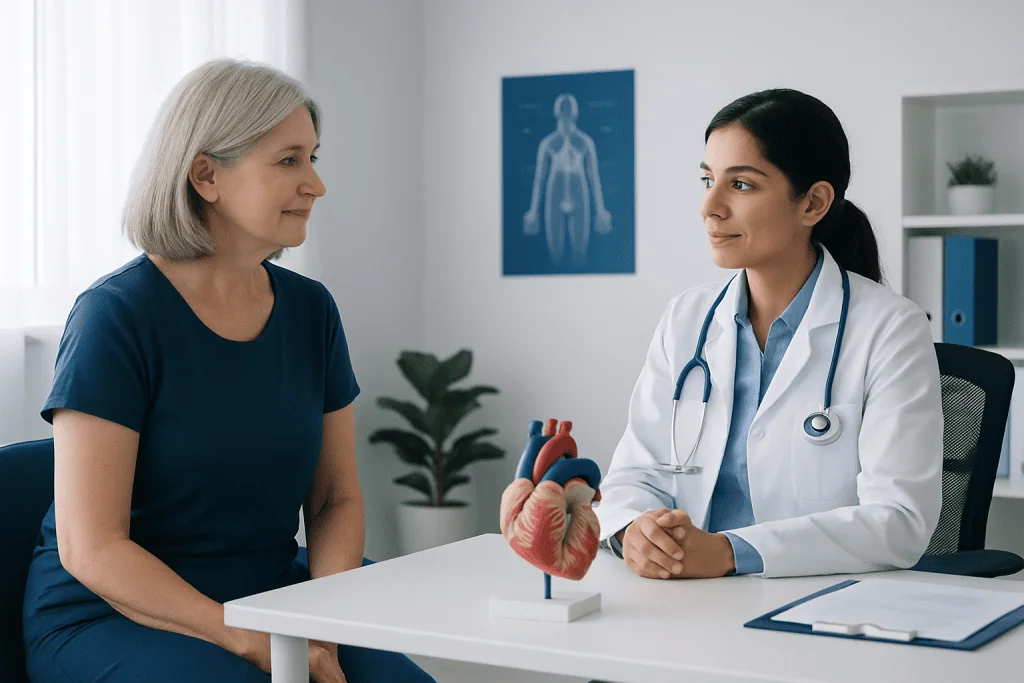
Before exercise begins, the team usually performs an initial evaluation. This may include reviewing medical history, current medicines, recent hospital records, symptoms, physical ability, personal goals, and lifestyle factors. In some cases, an exercise test or functional assessment is used to estimate fitness and guide intensity. The team may also discuss emotional concerns, sleep, work demands, family support, diet, smoking, alcohol use, and barriers to regular activity.
The exercise component commonly includes aerobic activity, strength training, flexibility, and balance work. Aerobic exercise may involve walking, cycling, treadmill use, or low-impact machines. Strength training is introduced gradually and focuses on proper technique and breathing. Warm-up and cool-down periods are important because they allow the heart rate and blood pressure to rise and fall more smoothly.
Education is a major part of cardiac rehab. Patients learn how heart disease develops, why medicines are prescribed, how to monitor symptoms, and how to reduce risk factors. Topics often include blood pressure, cholesterol, diabetes control, healthy weight, nutrition, stress management, smoking cessation, sexual activity after heart disease, and returning to work or travel. Family members may be invited to participate because home support can make lifestyle changes easier.
Programs are often organized into phases. The first phase may begin in the hospital with early mobility and basic education. The outpatient phase provides supervised sessions over several weeks or months. The long-term maintenance phase focuses on continuing exercise and heart-healthy habits independently. The exact structure varies, but the overall aim is to help the person build a routine that can continue beyond formal rehabilitation.
Benefits and Goals of Cardiac Rehabilitation
The main goal of cardiac rehabilitation is to support recovery while reducing the chance of future heart problems as much as possible. Regular, appropriate exercise can improve endurance, muscle strength, circulation, and the ability to perform daily tasks. Many people notice that activities such as climbing stairs, walking outdoors, shopping, or returning to hobbies become easier over time.
Cardiac rehab also helps people understand and manage risk factors. High blood pressure, abnormal cholesterol, diabetes, smoking, excess weight, physical inactivity, and chronic stress can all affect heart health. Through practical coaching, patients learn how small changes can become sustainable habits. This may include choosing balanced meals, taking medicines consistently, checking blood pressure as advised, and planning activity into the week.
Emotional recovery is another important benefit. After a heart event, it is common to experience worry, low mood, frustration, or loss of confidence. A supportive rehabilitation environment can reduce fear around movement and provide space to ask questions. When needed, referral to a mental health professional may be recommended, especially if anxiety or depression affects sleep, appetite, relationships, or motivation.
Cardiac rehab is not a replacement for cardiology care, medicines, or procedures when they are needed. Rather, it works alongside medical treatment. The most successful programs combine professional guidance with the person’s own active participation, realistic goals, and follow-up with the treating doctor.
Exercise Safety During Heart Disease Recovery
Exercise in cardiac rehabilitation is prescribed carefully. The team may use heart rate, perceived exertion, symptoms, blood pressure response, and sometimes rhythm monitoring to decide how hard a person should work. Patients are usually taught to exercise at a moderate level where breathing is faster but conversation is still possible. Progress is gradual, and rest periods are included when needed.
Safety education helps patients recognize the difference between expected effort and warning symptoms. Mild muscle fatigue, gentle sweating, and slightly faster breathing can be normal during exercise. However, chest pressure, pain spreading to the arm or jaw, unusual shortness of breath, faintness, a racing or irregular heartbeat, sudden weakness, or symptoms that do not improve with rest should be reported immediately. The rehabilitation team will explain what to do based on the person’s condition and emergency plan.
People recovering from surgery may need additional precautions. For example, after breastbone healing from open-heart surgery, lifting and certain upper-body movements may be limited for a period of time. Those with heart failure may be advised to monitor weight, swelling, breathlessness, and fatigue. People with diabetes may need guidance on meals, glucose checks, and recognizing low blood sugar around exercise. These details are individualized by the clinical team.
Home activity between sessions is usually encouraged, but it should match the rehabilitation plan. Patients should avoid sudden intense exercise, extreme heat or cold, and exercising when unwell unless their doctor says otherwise. Comfortable shoes, hydration, warming up, cooling down, and carrying prescribed medicines such as angina medication if advised can all support safer activity.
Lifestyle Support: Nutrition, Medicines, Stress, and Daily Habits
Cardiac rehabilitation looks beyond the exercise session. Nutrition counseling often focuses on a heart-supportive eating pattern that includes vegetables, fruits, whole grains, legumes, fish or lean proteins, nuts, and healthy oils, while limiting excess salt, added sugars, highly processed foods, and saturated or trans fats. The best plan may differ for people with diabetes, kidney disease, heart failure, digestive conditions, or cultural food preferences.
Medication education is also important. Many people leave the hospital with new prescriptions, and it can be confusing to understand what each one does. The rehabilitation team can reinforce why medicines should be taken as prescribed, how to organize them, and what side effects should be discussed with the doctor. Patients should not stop or change heart medicines without medical advice, even if they feel well.
Stress, sleep, and smoking are common focus areas. Relaxation techniques, breathing exercises, pacing, counseling, and social support may help reduce the physical impact of stress. Good sleep routines can support blood pressure, energy, and mood. If a person smokes or uses nicotine products, stopping is one of the most important heart-health steps, and structured support increases the chance of success.
Daily habits matter because heart health is influenced by what happens outside the clinic. Simple routines, such as taking short walks, preparing balanced meals, checking blood pressure as advised, attending follow-up appointments, and involving family members, can make recovery more manageable. The goal is progress, not perfection, with realistic changes that fit the person’s life.
When to See a Doctor and How to Start
Anyone recovering from a heart attack, heart surgery, stent placement, heart failure hospitalization, or another major heart diagnosis should ask their cardiologist whether cardiac rehabilitation is appropriate. Referral is often needed, and the timing depends on clinical stability, wound healing, test results, and overall health. People who have not been offered cardiac rehab can still raise the question at a follow-up visit.
Medical advice should be sought promptly if symptoms worsen during recovery. This includes new or increasing chest discomfort, shortness of breath at rest, fainting, palpitations with dizziness, swelling that is getting worse, sudden weight gain in people with heart failure, fever after surgery, wound redness or drainage, or exercise symptoms that are unusual for the person. Emergency care may be needed for severe or persistent symptoms, according to local medical guidance.
Before starting independent exercise, patients should clarify their personal limits. Helpful questions include: What intensity is safe? Are there lifting restrictions? How should heart rate or blood pressure be monitored? What symptoms require stopping? When can driving, work, travel, or sexual activity resume? Clear answers reduce anxiety and help recovery feel more predictable.
For international patients seeking coordinated care, Acibadem International’s multidisciplinary specialists and JCI-accredited hospitals diagnose heart conditions and provide rehabilitation support as part of individualized treatment planning. As with any medical decision, patients should discuss their options with a qualified doctor who understands their full health history.
Frequently asked questions
Is cardiac rehabilitation only for people who have had a heart attack?
No. Cardiac rehabilitation is often recommended after a heart attack, but it may also help after stent placement, bypass surgery, valve surgery, heart failure hospitalization, and other heart conditions. A cardiologist can decide whether it is suitable based on the person’s diagnosis, symptoms, and stability.
When can someone start cardiac rehabilitation after heart surgery or a heart attack?
The timing varies. Some people begin gentle movement and education in the hospital, while supervised outpatient rehabilitation may start after the doctor confirms it is safe. Surgical healing, blood pressure, heart rhythm, symptoms, and other medical conditions all influence the start date.
What type of exercise is done in cardiac rehab?
Programs commonly include walking, cycling, low-impact aerobic exercise, stretching, balance activities, and gradual strength training. The intensity is individualized and may be monitored with heart rate, blood pressure, symptoms, or perceived effort. Patients are taught how to exercise safely outside the clinic as well.
Is cardiac rehabilitation safe for older adults?
Cardiac rehabilitation can be appropriate for many older adults when it is medically supervised and tailored to their abilities. The program can be adjusted for arthritis, balance concerns, frailty, diabetes, lung disease, or other conditions. The healthcare team focuses on safe progress rather than athletic performance.
Can cardiac rehab help with anxiety after a heart event?
Yes, many people feel anxious or less confident after a heart diagnosis. Cardiac rehabilitation provides education, supervised activity, and reassurance, which can reduce fear around movement. If anxiety, low mood, or sleep problems continue, the team may recommend additional psychological support.
What happens after the formal cardiac rehab program ends?
The long-term goal is to continue regular physical activity and heart-healthy habits independently. Patients usually leave with a maintenance exercise plan and advice on nutrition, medicines, risk factors, and follow-up care. Ongoing communication with the cardiologist or primary doctor remains important.
References
- American Heart Association
- European Society of Cardiology
- World Health Organization
- British Association for Cardiovascular Prevention and Rehabilitation
- National Heart, Lung, and Blood Institute
This article is for general information only and is not a substitute for professional medical advice. Please consult a qualified doctor about your individual situation.
Cardiac Rehabilitation in Turkey — costs, top hospitals & a free quote
JCI-accredited · board-certified surgeons · reply within 24h

More from the Health Library



Related Specialists
Prof. Dr. Tuğçin Bora Polat
Pediatric Cardiology
Prof. Dr. Sema Aydoğdu
Pediatric Gastroenterology
Dr. Onur Güney Yılmaz
Emergency Service
Dt. Asli Şener Bozkir
Oral & Dental Health