Pediatric Rehabilitation: Supporting Movement and Development in Children
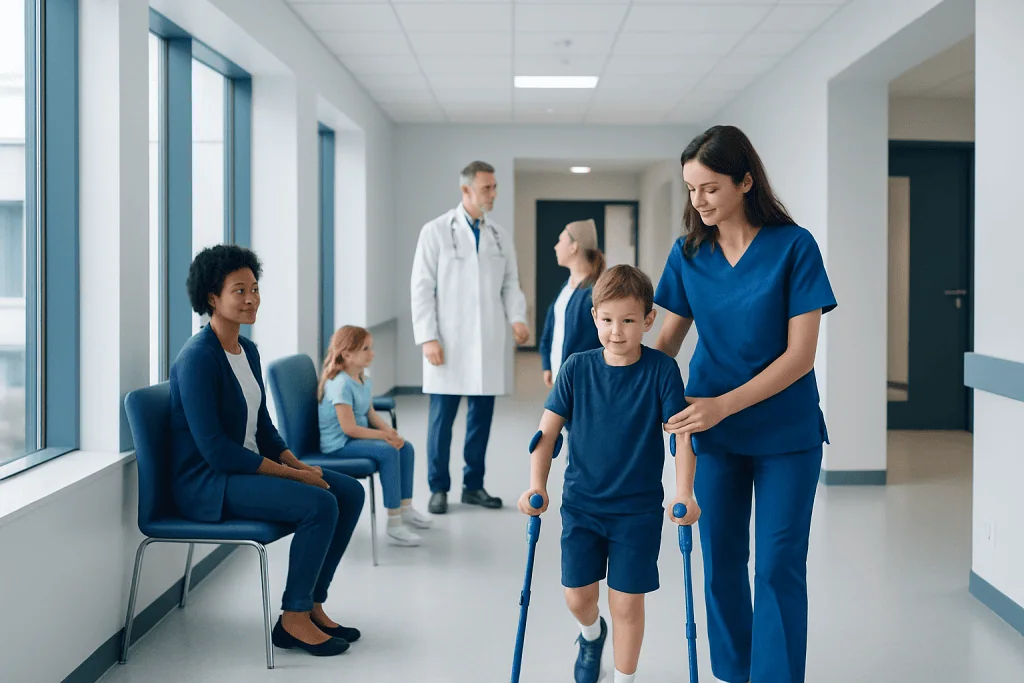
Pediatric rehabilitation can support children with developmental delays, neurological conditions, injuries, genetic disorders, and recovery after illness or surgery. Treatment may include physical therapy, occupational therapy, speech and language therapy, feeding support, assistive technology, and family education.
Key Takeaways
- Pediatric rehabilitation can support children with developmental delays, neurological conditions, injuries, genetic disorders, and recovery after illness or surgery.
- Treatment may include physical therapy, occupational therapy, speech and language therapy, feeding support, assistive technology, and family education.
- Goals are practical and child-centered, such as improving mobility, play, self-care, communication, school participation, and daily routines.
- Early assessment is helpful when parents notice delayed milestones, changes in movement, feeding difficulties, pain, or loss of previously learned skills.
- Progress is often gradual and depends on the child's condition, age, motivation, family involvement, and consistency of care.
Medically reviewed by the Acıbadem International Medical Board — June 20, 2026
Pediatric rehabilitation helps babies, children, and teenagers build functional skills, improve movement, and participate more comfortably in daily life. Care is individualized, family-centered, and designed to support each child's development, independence, and confidence.
Overview
Pediatric rehabilitation is a specialized area of healthcare that supports children who have difficulty with movement, coordination, communication, feeding, learning daily skills, or participating in age-appropriate activities. It is not limited to recovery after an injury. It can also help children with developmental delays, neurological conditions, congenital differences, chronic illnesses, or challenges related to prematurity.
The main goal is to help each child function as well as possible in everyday life. For one child, this may mean learning to sit, crawl, or walk. For another, it may mean improving handwriting, dressing, swallowing safely, using a communication device, or returning to school and sports after treatment. Rehabilitation plans are adapted to the child’s age, medical condition, personality, and family routines.
Children are not small adults. Their bodies, brains, emotions, and social needs are still developing, so pediatric rehabilitation uses age-appropriate methods such as play, repetition, family coaching, and practical activities. A reassuring, supportive approach helps children stay engaged while developing skills over time.
Who May Benefit from Pediatric Rehabilitation
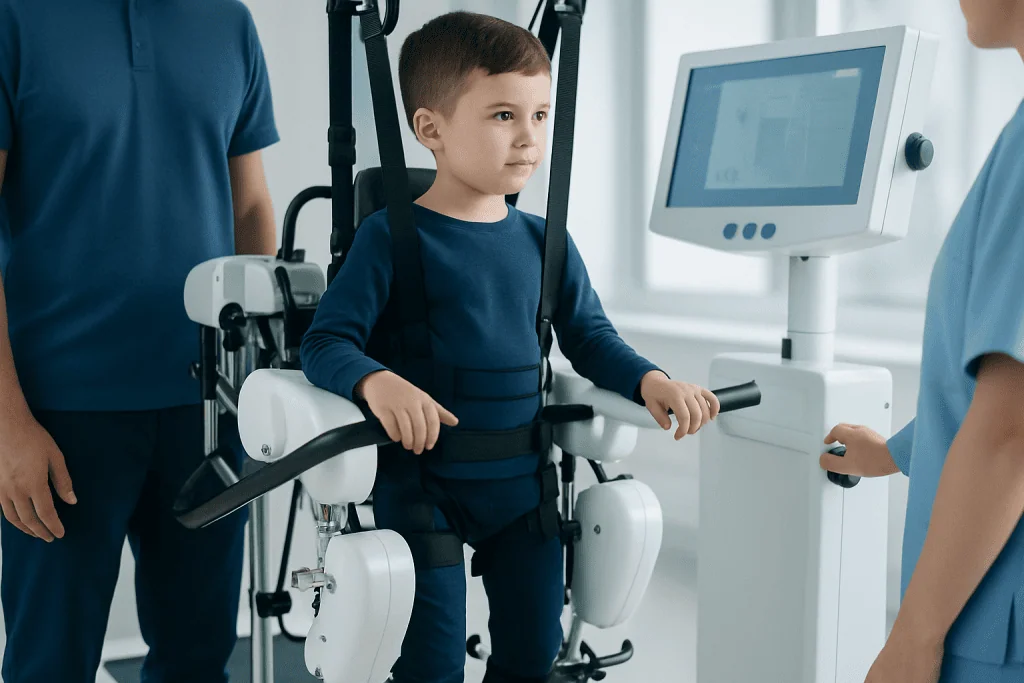
Pediatric rehabilitation may be recommended for infants, children, or adolescents who have a temporary or long-term difficulty affecting movement, posture, strength, coordination, speech, swallowing, sensory processing, or independence. Some children need therapy for a short period after an injury or surgery, while others benefit from ongoing support as they grow and their needs change.
Common reasons for referral include delayed motor milestones, cerebral palsy, spina bifida, muscular dystrophy, genetic syndromes, brachial plexus injury, torticollis, developmental coordination disorder, autism-related functional challenges, traumatic brain injury, spinal cord injury, burns, orthopedic conditions, and recovery after intensive care or cancer treatment. Babies born prematurely may also need developmental follow-up and early intervention.
Rehabilitation can also help children with feeding or swallowing difficulties, speech and language delays, balance problems, chronic pain, fatigue, or reduced endurance. The focus is always on what the child needs to do in real life, such as playing, eating, moving around safely, attending school, sleeping comfortably, and joining family activities.
Assessment and Goal Setting
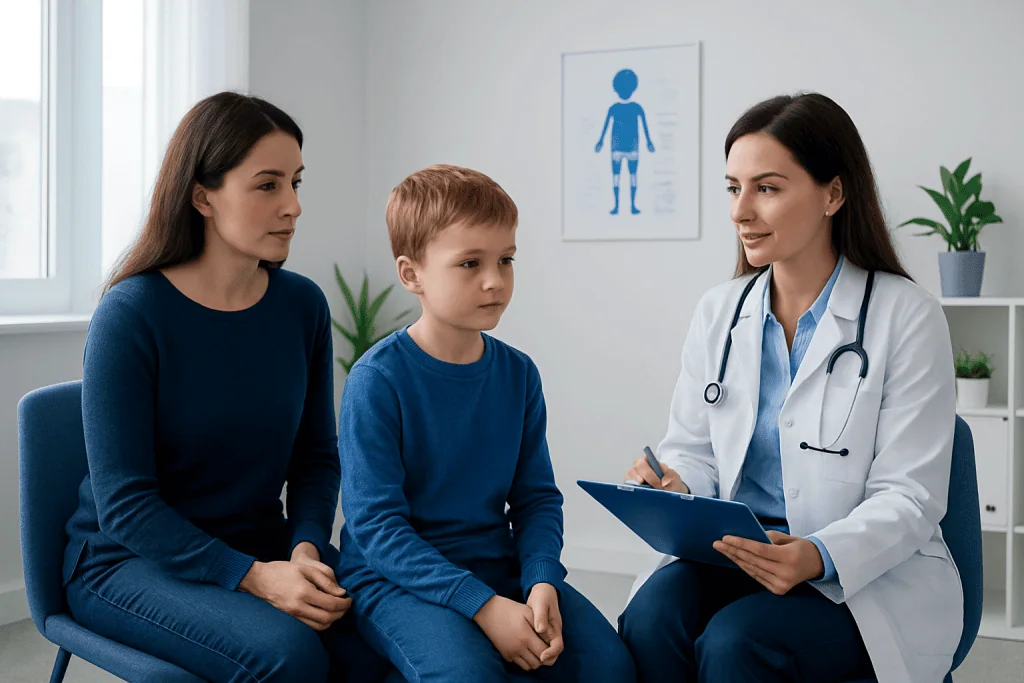
A pediatric rehabilitation assessment usually begins with a detailed discussion with parents or caregivers. The team asks about pregnancy and birth history, medical diagnoses, developmental milestones, feeding, sleep, school performance, behavior, family concerns, and the child’s daily routine. For older children and teenagers, their own goals and preferences are also important.
The physical examination may include observation of posture, muscle tone, joint flexibility, strength, balance, coordination, walking pattern, hand use, reflexes, speech, swallowing, and functional skills. Depending on the child’s needs, standardized developmental tests, gait analysis, imaging results, laboratory findings, or specialist evaluations may be reviewed. The aim is to understand both the medical condition and the child’s abilities in practical settings.
Goals should be meaningful, measurable, and realistic. Examples include sitting independently for play, walking with a safer gait, using both hands during tasks, feeding with less difficulty, climbing stairs, improving school participation, or increasing endurance for daily activities. Goals are reviewed regularly because children grow, develop, and face new challenges at different ages.
Types of Pediatric Rehabilitation Therapies
Pediatric rehabilitation often involves several therapies working together. Physical therapy focuses on movement, strength, balance, posture, flexibility, coordination, walking, and endurance. It may help babies develop early motor skills, support children learning to walk with or without assistive devices, and guide safe return to activity after orthopedic or neurological conditions.
Occupational therapy helps children participate in daily activities such as dressing, bathing, feeding, handwriting, play, school tasks, and sensory regulation. Therapists may work on fine motor skills, hand-eye coordination, attention during tasks, use of adaptive equipment, and strategies that make home or school routines easier. For children with sensory processing difficulties, therapy may include structured activities that support more comfortable responses to touch, movement, sound, or visual input.
Speech and language therapy may address communication, speech clarity, language development, social communication, voice, and cognitive-communication skills. Some children also need feeding and swallowing therapy, especially if eating is stressful, tiring, unsafe, or associated with poor growth. When appropriate, therapists may recommend augmentative and alternative communication methods, such as picture systems, tablets, or speech-generating devices.
Additional support can include orthotics, prosthetics, assistive technology, seating and positioning, respiratory rehabilitation, neuropsychology, nutrition guidance, pain management, and recreational or aquatic therapy. The exact combination depends on the child’s diagnosis, safety needs, and functional goals.
Family-Centered Care and Daily Life
Families play a central role in pediatric rehabilitation because most progress happens through everyday practice, not only during therapy sessions. Parents and caregivers are usually taught safe handling, positioning, stretching, play-based exercises, feeding strategies, communication techniques, or ways to adapt routines. The plan should fit the family’s real life, culture, schedule, and resources.
Therapy for children is often designed around play and meaningful activities. A baby may practice head control during tummy time, a preschool child may strengthen balance through games, and a teenager may work toward returning to sports, school independence, or self-care. Enjoyable activities can increase motivation and help skills transfer into daily life.
Schools and nurseries may also be part of the rehabilitation plan. Therapists can provide recommendations for classroom seating, mobility support, writing tools, rest breaks, accessible environments, or communication assistance. Collaboration among families, teachers, physicians, and therapists helps children participate more fully in learning and social activities.
Treatment Planning, Progress, and Expectations
A pediatric rehabilitation plan is individualized. Some children attend therapy once or twice a week for a limited period, while others need more intensive programs or periodic therapy blocks over several years. The frequency depends on the child’s medical condition, age, goals, endurance, family availability, and response to therapy.
Progress may be quick for some goals and gradual for others. A child recovering from a fracture may improve steadily over weeks, while a child with a lifelong neurological condition may work on changing goals as they grow. Rehabilitation does not always mean curing the underlying condition; it often means maximizing abilities, preventing avoidable complications, and improving comfort, independence, and participation.
Parents may be encouraged to track practical changes rather than focusing only on formal milestones. Helpful signs of progress include easier transfers, fewer falls, better sitting tolerance, improved feeding confidence, clearer communication, increased participation at school, or less fatigue during daily activities. Regular reassessment helps adjust the plan when goals are reached or when new needs appear.
Prevention, Self-Care, and Home Support
Home support is an important part of pediatric rehabilitation, but it should be safe, realistic, and guided by professionals. Families should avoid forcing painful movements or using exercises that were not recommended for their child’s condition. The best home programs are usually short, specific, and built into normal routines such as playtime, dressing, meals, bathing, or school preparation.
General strategies that may support development include encouraging supervised floor play for infants, promoting active play in safe environments, limiting prolonged inactive time when possible, using supportive seating if recommended, and ensuring appropriate footwear or orthotics when prescribed. Good sleep, balanced nutrition, hydration, and emotional support also contribute to a child’s ability to learn and practice new skills.
Families can help by celebrating effort, not only outcomes. Children may become frustrated when tasks are difficult, so encouragement, patience, and predictable routines are valuable. If exercises or equipment are causing discomfort, skin irritation, excessive fatigue, or resistance, the rehabilitation team should review the plan and make adjustments.
When to See a Pediatric Rehabilitation Specialist
Parents should seek medical advice if they notice delayed milestones, persistent asymmetry in movement, unusual stiffness or floppiness, frequent falls, loss of previously learned skills, feeding or swallowing difficulty, ongoing pain, reduced endurance, difficulty using one hand, or challenges returning to activity after illness, injury, or surgery. A pediatrician can help determine whether referral to a rehabilitation specialist or therapist is appropriate.
Early evaluation can be especially helpful because children’s brains and bodies are developing rapidly. Support at the right time may reduce secondary problems such as joint stiffness, poor posture, avoidable fatigue, or loss of confidence. However, rehabilitation can be beneficial at many ages, including adolescence, particularly when goals are updated to match school, social, and independence needs.
Acibadem International provides care through multidisciplinary specialists and JCI-accredited hospitals for international patients who need assessment and treatment for pediatric rehabilitation concerns. Families considering care abroad should bring medical reports, imaging, therapy notes, school information when relevant, and a list of current medications or devices so the team can plan safely and efficiently.
Frequently asked questions
What is pediatric rehabilitation?
Pediatric rehabilitation is healthcare that helps children improve function after injury, illness, developmental delay, or a long-term condition. It may include physical, occupational, speech, feeding, and other therapies. The goal is to support daily activities such as movement, play, communication, self-care, and school participation.
At what age can a child start rehabilitation?
Rehabilitation can begin in infancy when there are concerns about movement, feeding, development, or medical recovery. Early support may help families learn safe positioning, play activities, and routines that encourage development. Older children and teenagers can also benefit, especially after injury, surgery, or changes in functional needs.
How long does pediatric rehabilitation take?
The length of treatment depends on the child's condition, goals, age, and response to therapy. Some children need a short program for recovery, while others require ongoing or periodic support as they grow. The rehabilitation team reviews progress regularly and adjusts the plan when goals change.
Is pediatric rehabilitation painful for children?
Therapy should not be based on forcing painful movement. Some activities may feel challenging or tiring, but sessions are usually adapted to the child's comfort, safety, and developmental level. Parents should tell the therapist if a child has pain, fear, skin irritation, or unusual fatigue after exercises or equipment use.
What is the difference between physical therapy and occupational therapy for children?
Physical therapy mainly focuses on movement skills such as posture, strength, balance, walking, flexibility, and endurance. Occupational therapy focuses on daily activities such as dressing, feeding, handwriting, play, sensory regulation, and school participation. Many children benefit from both because movement and daily function are closely connected.
How can parents support therapy at home?
Parents can support rehabilitation by following the home program recommended by the child's therapy team and building practice into daily routines. Activities should be safe, brief, and appropriate for the child's condition. Encouragement, consistency, and communication with therapists are often more helpful than long or stressful exercise sessions.
References
- World Health Organization
- American Academy of Pediatrics
- European Academy of Childhood Disability
- National Institute for Health and Care Excellence
- American Physical Therapy Association
This article is for general information only and is not a substitute for professional medical advice. Please consult a qualified doctor about your individual situation.
Explore treatments in Turkey — costs, top hospitals & a free quote
JCI-accredited · board-certified surgeons · reply within 24h