Pelvic Floor Rehabilitation: Urinary Leakage, Pelvic Pain, and Recovery

Pelvic floor rehabilitation is not only strengthening exercises; it may also include relaxation, coordination, breathing, posture, and bladder or bowel training. Urinary leakage, urgency, pelvic heaviness, constipation, painful intercourse, and pelvic pain may all be linked to pelvic floor dysfunction.
Key Takeaways
- Pelvic floor rehabilitation is not only strengthening exercises; it may also include relaxation, coordination, breathing, posture, and bladder or bowel training.
- Urinary leakage, urgency, pelvic heaviness, constipation, painful intercourse, and pelvic pain may all be linked to pelvic floor dysfunction.
- A proper assessment helps determine whether the muscles are weak, overactive, poorly coordinated, or affected by scar tissue, surgery, pregnancy, or other conditions.
- Treatment is individualized and may include guided exercises, manual therapy, biofeedback, education, and home practice.
- People with new, persistent, worsening, or painful pelvic symptoms should consult a qualified healthcare professional for diagnosis and care.
Medically reviewed by the Acıbadem International Medical Board — June 20, 2026
Pelvic floor rehabilitation is a specialized form of therapy that helps restore coordination, strength, relaxation, and confidence in the muscles that support bladder, bowel, and sexual function. It can be useful for urinary leakage, pelvic pain, postpartum recovery, post-surgical recovery, and several related concerns in women and men.
Overview
Pelvic floor rehabilitation is a structured treatment approach for problems involving the muscles, connective tissues, nerves, and movement patterns of the pelvis. The pelvic floor is a group of muscles that forms a supportive base at the bottom of the pelvis. These muscles help control urination and bowel movements, support pelvic organs, contribute to sexual function, and work together with the deep abdominal and back muscles for posture and movement.
When the pelvic floor is not working well, symptoms can appear in different ways. Some people experience urinary leakage when coughing, laughing, exercising, or lifting. Others feel a frequent urge to urinate, pelvic pressure, constipation, pain during intercourse, tailbone pain, or difficulty relaxing the pelvic muscles. Pelvic floor problems may occur after childbirth, surgery, prostate treatment, menopause, injury, chronic coughing, repeated heavy lifting, or long-term constipation.
Rehabilitation aims to improve function rather than focus on one muscle in isolation. For some people, treatment involves strengthening weak muscles. For others, the priority is learning how to relax muscles that are too tense or poorly coordinated. A trained pelvic floor physiotherapist or rehabilitation specialist can help identify the pattern and design a safe, personalized plan.
How the Pelvic Floor Affects Leakage, Pain, and Recovery
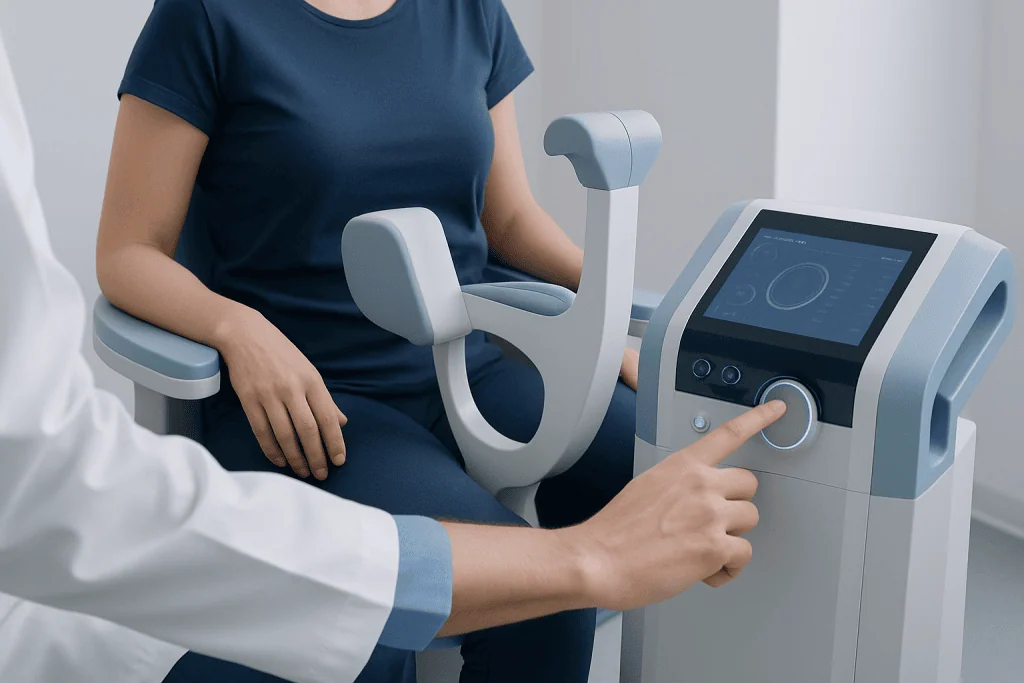
The pelvic floor works like a responsive support system. It should contract when extra support is needed, such as during a cough or lift, and relax when the bladder or bowel needs to empty. If this timing is reduced or delayed, urine may leak. If the muscles remain too tight, a person may feel pain, urgency, difficulty emptying the bladder or bowel, or discomfort with sitting and sexual activity.
Urinary leakage can have more than one cause. Stress urinary incontinence is leakage during physical pressure, such as sneezing, running, or lifting. Urge incontinence is leakage linked to a sudden strong need to urinate. Mixed incontinence includes features of both. Pelvic floor rehabilitation may help by improving muscle timing, bladder habits, breathing mechanics, and strategies for managing urgency.
Pelvic pain may also involve several systems. Muscles can become protective after injury, surgery, infection, childbirth, painful periods, or long-term stress. Over time, protective tightening may become part of the pain cycle. Rehabilitation can help by gently retraining relaxation, improving mobility, reducing tissue sensitivity, and supporting normal movement patterns.
Symptoms That May Benefit From Pelvic Floor Therapy
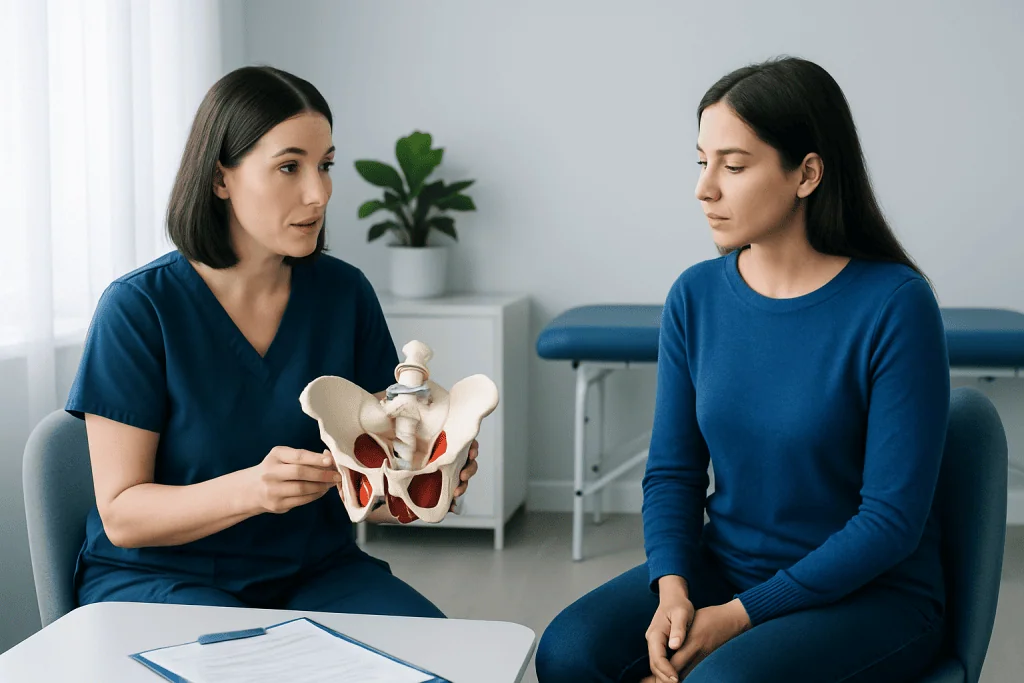
Pelvic floor dysfunction can affect people of all genders and ages. Symptoms are not always limited to the pelvis; they may also involve the lower back, hips, abdomen, bladder, bowel, or sexual function. Because these symptoms can overlap with other medical conditions, professional evaluation is important before assuming that the pelvic floor is the only cause.
Common symptoms that may be assessed in pelvic floor rehabilitation include:
- Urine leakage with coughing, sneezing, laughing, running, jumping, or lifting
- Sudden or frequent urges to urinate, including waking at night to urinate
- Difficulty starting urination or feeling that the bladder does not empty fully
- Constipation, straining, or incomplete bowel emptying
- Pelvic heaviness, pressure, or symptoms related to pelvic organ prolapse
- Pain in the pelvis, vulva, vagina, penis, testicles, rectum, tailbone, hips, or lower back
- Pain during or after sexual activity
- Recovery needs after childbirth, gynecologic surgery, prostate surgery, colorectal surgery, or pelvic injury
Symptoms can be mild or more disruptive, and many improve with the right plan. A person does not need to wait until symptoms are severe to seek help. Early assessment can provide education, reassurance, and practical strategies that support daily life and recovery.
Causes and Risk Factors
Pelvic floor problems often develop from a combination of factors rather than a single cause. Pregnancy and childbirth can stretch pelvic tissues and change coordination, especially after prolonged pushing, instrumental delivery, perineal tears, or cesarean recovery. Hormonal changes during menopause may also influence tissue comfort, bladder symptoms, and muscle function.
Surgery in the pelvic region may temporarily or permanently affect muscles, nerves, scar mobility, and bladder or bowel habits. This includes gynecologic procedures, prostate surgery, colorectal surgery, hernia repair, and operations related to pelvic organ prolapse or incontinence. Rehabilitation may be recommended before surgery to prepare the muscles or after surgery to support safe recovery.
Other risk factors include chronic constipation, frequent straining, long-term coughing, high-impact exercise without adequate recovery, repeated heavy lifting, obesity, connective tissue conditions, pelvic trauma, endometriosis, interstitial cystitis or bladder pain syndrome, and persistent stress that increases muscle tension. In some cases, the pelvic floor becomes overactive rather than weak, which is why unsupervised strengthening exercises may not be suitable for everyone.
Diagnosis and Pelvic Floor Assessment
Diagnosis begins with a detailed conversation about symptoms, medical history, childbirth or surgical history, bladder and bowel patterns, sexual pain if relevant, medications, physical activity, and goals. The clinician may ask about how often leakage occurs, what triggers it, whether there is urgency, and whether pain changes with movement, sitting, urination, or bowel movements. A bladder or bowel diary may be helpful.
A physical assessment may include posture, breathing, abdominal wall function, hip and back movement, scar mobility, and muscle strength or tenderness around the pelvis. When appropriate and with informed consent, a specialized internal pelvic floor examination may be offered through the vagina or rectum to assess contraction, relaxation, coordination, pain, and tissue mobility. The person can decline or pause any part of the exam.
Sometimes additional medical evaluation is needed. Urine testing may be used to check for infection. Imaging, urodynamic testing, gynecologic assessment, urology evaluation, colorectal assessment, or pain specialist review may be considered depending on symptoms. Pelvic floor rehabilitation works best when the therapy plan is based on an accurate diagnosis and coordinated care.
Treatment Options in Pelvic Floor Rehabilitation
Treatment is individualized. A person with weakness after childbirth may need progressive strengthening and coordination. A person with pelvic pain may first need relaxation, breathing, gentle mobility, and desensitization before strengthening is introduced. A person recovering from prostate surgery may focus on timing pelvic floor contractions, bladder habits, and gradual return to activity.
Pelvic floor rehabilitation may include:
- Education about pelvic anatomy, symptom triggers, bladder and bowel habits, and recovery expectations
- Pelvic floor muscle training for strength, endurance, and quick contractions when appropriate
- Relaxation training, diaphragmatic breathing, and down-training for overactive muscles
- Biofeedback to help a person see or sense muscle activity and improve coordination
- Manual therapy for muscles, scars, connective tissue, or joint mobility when clinically indicated
- Bladder training, urge-control strategies, fluid and toileting guidance
- Bowel retraining, positioning advice, and strategies to reduce straining
- Gradual return to exercise, lifting, running, or sexual activity according to symptoms and healing
Home practice is usually an important part of progress, but it should be matched to the person. Some people are advised to do pelvic floor contractions, sometimes called Kegel exercises, while others are told to reduce gripping and focus on letting go. The goal is not simply to exercise more; it is to restore the right balance of strength, relaxation, timing, and confidence.
Prevention, Self-care, and Recovery Support
Healthy pelvic floor habits can support rehabilitation and may reduce the likelihood of symptoms worsening. Regular movement, balanced strength training, avoiding repeated straining, treating constipation, and managing chronic cough can all reduce pressure on the pelvic floor. Breath-holding during lifting or exercise can increase downward pressure, so learning to coordinate breathing with effort may be helpful.
Bladder and bowel habits matter. Rushing to the toilet at every small sensation can sometimes make urgency worse, while regularly delaying urination for too long may also be unhelpful. A clinician can help set a reasonable plan. For bowel health, adequate fluids, fiber from food, movement, and a relaxed toileting posture may reduce straining, though dietary changes should be individualized for people with digestive conditions.
Self-care should be gentle and symptom-guided. Painful exercises, aggressive stretching, or repeated pelvic floor contractions that increase pain or urgency are not ideal. During postpartum or post-surgical recovery, activity should progress gradually and follow medical guidance. Emotional wellbeing is also relevant because persistent symptoms can affect confidence, relationships, and daily routines; supportive care can address both physical and quality-of-life concerns.
When to See a Doctor
A person should seek medical advice if urinary leakage, pelvic pain, bowel difficulty, pelvic pressure, or sexual pain is new, persistent, worsening, or interfering with daily life. Prompt assessment is also important when symptoms appear after surgery, childbirth, a fall, or an injury. Medical care helps rule out infection, significant prolapse, nerve-related problems, inflammatory conditions, or other causes that may need specific treatment.
Urgent medical attention is appropriate for symptoms such as inability to urinate, loss of bowel or bladder control with new leg weakness or numbness, fever with pelvic pain, blood in urine, severe sudden pelvic pain, or unexpected heavy bleeding. These symptoms do not mean that a serious problem is certain, but they should be assessed without delay.
People traveling for care may benefit from coordinated evaluation by rehabilitation, urology, gynecology, colorectal, pain medicine, or surgical teams when needed. Acibadem International provides diagnosis and treatment for pelvic floor-related conditions through multidisciplinary specialists and JCI-accredited hospitals for international patients. Care decisions should always be made with a qualified healthcare professional who can assess the individual situation.
Frequently asked questions
Is pelvic floor rehabilitation the same as Kegel exercises?
No. Kegel exercises are one possible part of pelvic floor rehabilitation, but they are not the whole treatment. Rehabilitation may also include relaxation, coordination training, bladder or bowel retraining, manual therapy, breathing work, biofeedback, and education. Some people need to relax overactive muscles before strengthening is appropriate.
Who can benefit from pelvic floor rehabilitation?
People with urinary leakage, urgency, pelvic pain, constipation, pelvic pressure, painful intercourse, or recovery needs after childbirth or pelvic surgery may benefit. It can be helpful for women and men, including people recovering after prostate, gynecologic, or colorectal procedures. A proper assessment helps determine whether therapy is suitable.
How long does pelvic floor rehabilitation take?
The timeline varies depending on the cause, symptom duration, overall health, and home practice. Some people notice improvement within a few weeks, while longer-standing pain or post-surgical recovery may take more time. A clinician usually reviews progress regularly and adjusts the plan.
Can pelvic floor therapy help pelvic pain?
Yes, pelvic floor therapy may help when pain is related to muscle tension, poor coordination, scar sensitivity, posture, or movement patterns. Treatment for pain often focuses first on calming and relaxing the muscles rather than strengthening them. Other medical causes of pelvic pain should also be evaluated and treated when present.
Is an internal pelvic floor examination always required?
No. An internal examination can provide useful information, but it should only be performed with informed consent and when clinically appropriate. Many parts of assessment and treatment can be done externally, including education, breathing, posture, movement, and bladder or bowel strategies. A person may decline or stop an examination at any time.
Can pelvic floor rehabilitation help after childbirth?
Yes, it may support recovery after vaginal birth or cesarean birth by addressing leakage, pelvic heaviness, pain, scar mobility, abdominal wall function, and safe return to exercise. The timing depends on healing, symptoms, and medical advice. Postpartum rehabilitation should be gradual and individualized.
When should urinary leakage be checked by a doctor?
Urinary leakage should be assessed when it is new, persistent, worsening, painful, or affecting quality of life. A doctor can check for infection, medication effects, prolapse, prostate-related issues, neurological factors, or other causes. Early evaluation often makes treatment planning simpler and more effective.
References
- International Continence Society
- American Urogynecologic Society
- American College of Obstetricians and Gynecologists
- European Association of Urology
- National Institute for Health and Care Excellence
This article is for general information only and is not a substitute for professional medical advice. Please consult a qualified doctor about your individual situation.
Explore treatments in Turkey — costs, top hospitals & a free quote
JCI-accredited · board-certified surgeons · reply within 24h

More from the Health Library


Related Specialists

Dyt. Zübeyde Demet Cerit
Nutrition & Diet
Dr. Semra Kavas
Infectious Diseases & Clinical Microbiology
Dr. Ayşe Cennet Sarimehmetoğlu
Cardiology
Dr. İlke Karagöz
Aesthetic Plastic & Reconstructive Surgery