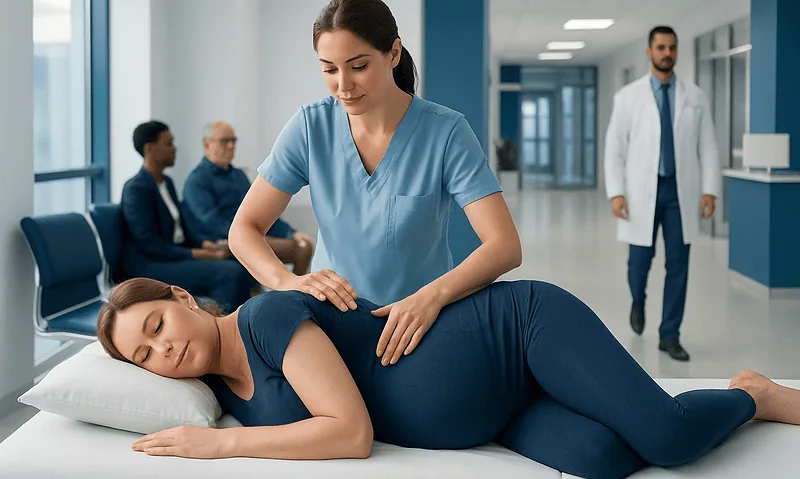
Stress Management: How Chronic Stress Affects the Body
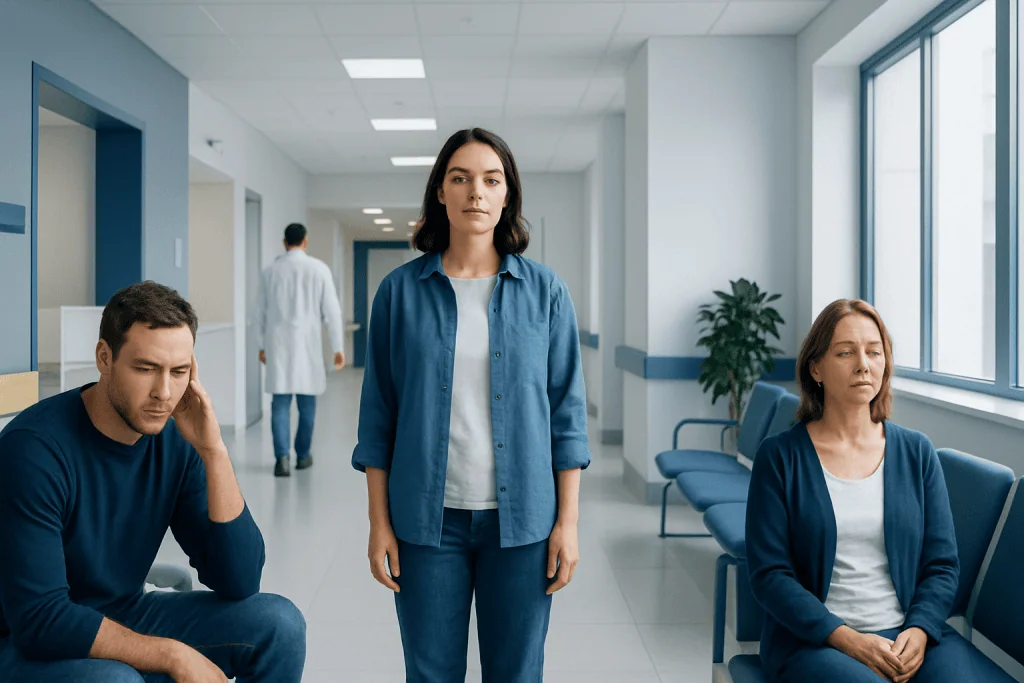
Stress is a normal body response, but long-lasting stress can keep the nervous system and hormones activated for too long. Chronic stress may contribute to headaches, muscle tension, sleep problems, digestive symptoms, high blood pressure, anxiety, and low mood.
Key Takeaways
- Stress is a normal body response, but long-lasting stress can keep the nervous system and hormones activated for too long.
- Chronic stress may contribute to headaches, muscle tension, sleep problems, digestive symptoms, high blood pressure, anxiety, and low mood.
- Regular movement, balanced meals, sleep routines, relaxation techniques, and social connection can help reduce the physical impact of stress.
- Stress management is not about eliminating all pressure; it is about improving recovery, coping skills, and support.
- Persistent symptoms, chest pain, thoughts of self-harm, or stress that interferes with daily life should be discussed with a qualified healthcare professional.
Medically reviewed by the Acıbadem International Medical Board — June 20, 2026
Chronic stress can affect almost every body system, including the heart, digestion, sleep, immunity, mood, and metabolism. Stress management combines healthy habits, emotional support, and medical care when needed to protect long-term wellbeing.
Overview
Stress is the body’s natural response to a challenge, demand, or perceived threat. In short bursts, it can be helpful: the heart beats faster, breathing changes, attention sharpens, and energy becomes available to respond. This reaction is often called the fight-or-flight response, and it is coordinated by the nervous system and stress hormones such as adrenaline and cortisol.
Chronic stress is different. It occurs when stress continues for weeks, months, or longer, or when a person feels there is not enough time or support to recover between stressful events. Common sources include ongoing work pressure, caregiving, financial concerns, relationship difficulties, illness, grief, major life changes, or living in an unsafe or unpredictable environment.
Stress management is the set of practical skills and healthy routines that help the body return to balance. It does not require a person to avoid every responsibility or emotion. Instead, it focuses on improving resilience, recognizing warning signs early, and seeking help when stress begins to affect health, relationships, work, or daily functioning.
How Chronic Stress Affects the Body
When stress becomes ongoing, the body may remain in a state of heightened alert. Cortisol and other stress-related chemicals can influence inflammation, blood pressure, blood sugar, digestion, immune function, and sleep-wake rhythms. Over time, these changes may contribute to physical discomfort and increase the risk of certain health problems, especially when combined with smoking, inactivity, poor sleep, or unhealthy eating patterns.
The cardiovascular system is one area that can be affected. Stress may temporarily raise heart rate and blood pressure. In people with existing heart disease or risk factors, ongoing stress can make healthy routines harder to maintain and may worsen symptoms such as palpitations or chest tightness. Stress is not the only cause of heart disease, but it can be an important part of overall cardiovascular risk.
The digestive system is also closely connected to stress through the gut-brain axis. Some people notice nausea, stomach pain, bloating, diarrhea, constipation, reflux, or changes in appetite during stressful periods. Stress can also worsen symptoms of conditions such as irritable bowel syndrome in susceptible individuals.
Sleep, pain, and immunity may change as well. Chronic stress can make it harder to fall asleep or stay asleep, and poor sleep can make stress feel more intense the next day. Muscle tension may contribute to headaches, neck pain, jaw discomfort, or back pain. Some people also experience more frequent minor illnesses or slower recovery because stress can affect immune regulation.
Common Symptoms of Stress

Stress symptoms vary widely from person to person. Some people notice emotional changes first, while others experience physical symptoms or changes in behavior. Recognizing patterns is an important first step because symptoms are often more manageable when addressed early.
Possible signs of chronic stress include:
- Feeling irritable, overwhelmed, restless, anxious, or low in mood
- Difficulty concentrating, forgetfulness, or racing thoughts
- Headaches, muscle tightness, jaw clenching, or unexplained aches
- Fatigue, sleep problems, or waking without feeling rested
- Stomach upset, appetite changes, reflux, diarrhea, or constipation
- Increased use of alcohol, nicotine, caffeine, or comfort eating
- Withdrawing from friends, family, hobbies, or responsibilities
These symptoms do not always mean stress is the only cause. Thyroid disease, anemia, sleep disorders, depression, anxiety disorders, medication effects, and many other medical conditions can cause similar changes. If symptoms are persistent, worsening, or unusual for the person, a healthcare professional can help identify what is contributing to them.
Causes and Risk Factors
Stress develops from a combination of external pressures and internal resources. A situation that feels manageable at one time may feel overwhelming at another time if sleep is poor, health is fragile, support is limited, or several demands occur at once. Stress is not a sign of weakness; it is a human response to load and uncertainty.
Risk factors for chronic stress include high job demands with low control, shift work, caregiving responsibilities, social isolation, financial strain, long-term illness, chronic pain, traumatic experiences, discrimination, or repeated exposure to conflict. Personality traits such as perfectionism or difficulty setting boundaries can also increase stress, especially when a person feels responsible for everything and rarely rests.
Lifestyle patterns can either buffer stress or intensify it. Too little sleep, irregular meals, limited physical activity, excessive screen time, and heavy caffeine or alcohol use may make the nervous system more reactive. On the other hand, supportive relationships, predictable routines, physical movement, time outdoors, and meaningful activities can strengthen recovery.
Some people have a higher biological sensitivity to stress because of genetics, early life experiences, or existing mental health conditions. This does not mean they cannot improve. It means stress management may need to be more intentional and may benefit from professional guidance such as counseling, medical assessment, or structured lifestyle support.
Diagnosis and Medical Assessment
There is no single blood test that diagnoses stress. A clinician usually begins with a careful conversation about symptoms, sleep, work and home life, medical history, medications, substance use, mood, and daily functioning. The goal is to understand whether stress is the main issue, whether it is worsening another condition, or whether another medical problem is causing similar symptoms.
Depending on the symptoms, a doctor may check blood pressure, heart rate, weight changes, or signs of pain and tension. Tests may be recommended when symptoms suggest another condition, such as thyroid problems, anemia, diabetes, heart rhythm concerns, digestive disease, or sleep apnea. Mental health screening tools may be used to assess anxiety, depression, burnout, or trauma-related symptoms.
Assessment is especially important when stress is accompanied by chest pain, fainting, severe shortness of breath, sudden neurological symptoms, thoughts of self-harm, or a major change in behavior. In these situations, prompt medical attention is needed. For many people, however, the assessment provides reassurance, helps rule out medical causes, and creates a practical plan for recovery.
Treatment Options and Stress Management Strategies
Effective stress management usually combines several approaches rather than relying on one solution. The foundation often includes sleep, movement, nutrition, relaxation, time management, and supportive relationships. Small, consistent changes are generally more realistic and more effective than major lifestyle changes that are difficult to maintain.
Relaxation techniques can help signal safety to the nervous system. Options include slow breathing, progressive muscle relaxation, mindfulness meditation, prayer or spiritual practices, yoga, tai chi, stretching, journaling, or guided imagery. These practices work best when used regularly, not only during a crisis. Even a few minutes a day can help some people notice stress earlier and respond more calmly.
Psychological therapies are valuable when stress is persistent, linked to anxiety or depression, or driven by unhelpful thought patterns. Cognitive behavioral therapy can help people identify patterns such as catastrophizing, all-or-nothing thinking, or excessive self-criticism. Other approaches, including acceptance and commitment therapy, trauma-focused therapy, family therapy, or supportive counseling, may be appropriate depending on the situation.
Medication is not used simply to remove normal life stress, but it may be recommended when a person has a diagnosable condition such as anxiety disorder, depression, insomnia, or another medical problem. Medication decisions should be made with a qualified clinician who can discuss benefits, risks, interactions, and follow-up. Treatment is most effective when it is personalized to the person’s health, preferences, culture, and daily realities.
Prevention and Self-Care
Prevention begins with building recovery into everyday life. The body needs regular signals that it is safe: steady sleep routines, balanced meals, hydration, movement, and moments of calm. A consistent bedtime and wake time, limiting screens before sleep, and reducing late caffeine can support better rest, which is one of the strongest buffers against stress.
Physical activity is a practical stress-management tool because it helps regulate mood, energy, blood pressure, blood sugar, and sleep. The best activity is one a person can do consistently, such as walking, swimming, cycling, dancing, gardening, or strength training. People with heart disease, significant pain, pregnancy, or chronic illness should ask a healthcare professional what level of activity is safe.
Healthy boundaries also protect wellbeing. This may include planning breaks, saying no when necessary, sharing responsibilities, limiting constant news or social media exposure, and setting realistic expectations. Social connection matters as well. Talking with a trusted friend, family member, colleague, faith leader, or counselor can reduce the sense of carrying stress alone.
Self-care is not selfish or separate from medical care. It is part of prevention. People who travel for diagnosis or treatment may also need support managing stress related to uncertainty, logistics, and being away from home. Acibadem International’s multidisciplinary specialists and JCI-accredited hospitals can assist international patients with evaluation and care for stress-related physical or mental health concerns when medical assessment is needed.
When to See a Doctor
A healthcare professional should be consulted when stress symptoms persist for more than a few weeks, interfere with work or relationships, cause ongoing sleep problems, or lead to increased use of alcohol, nicotine, drugs, or medications not prescribed for that purpose. Medical advice is also important if stress seems to worsen an existing condition such as high blood pressure, diabetes, asthma, heart disease, chronic pain, or digestive disorders.
Urgent care is needed for chest pain, severe shortness of breath, fainting, sudden weakness or numbness, confusion, severe headache with neurological symptoms, or thoughts of self-harm or harming others. These symptoms may have causes that require immediate evaluation. People should contact emergency services or go to the nearest emergency department if they are in danger or feel unable to stay safe.
For non-urgent but persistent stress, the first step may be a family doctor, internal medicine specialist, psychologist, psychiatrist, or occupational health professional. Early support can prevent symptoms from becoming more disruptive and can help identify practical changes that fit the person’s life. With the right plan, many people improve their resilience, sleep, mood, and physical wellbeing.
Frequently asked questions
Can stress really cause physical symptoms?
Yes. Stress affects the nervous system, hormones, muscles, digestion, heart rate, and sleep, so it can produce real physical symptoms. Common examples include headaches, stomach upset, muscle tension, fatigue, and palpitations. A doctor can help determine whether symptoms are stress-related or due to another medical condition.
What is the difference between normal stress and chronic stress?
Normal stress is usually short-term and improves when the challenge passes or the person has time to recover. Chronic stress continues over a longer period or returns so often that the body does not fully reset. Chronic stress is more likely to affect sleep, mood, immunity, blood pressure, digestion, and daily functioning.
What is the fastest way to calm the body during stress?
Slow breathing, grounding techniques, stepping away from the trigger, stretching, or taking a short walk may help the body settle. One simple method is to breathe slowly and lengthen the exhale for a few minutes. These techniques are useful in the moment, but long-term stress usually requires broader changes and support.
Can stress management replace medical treatment?
Stress management can support health, but it should not replace medical treatment for diagnosed conditions. Symptoms such as chest pain, severe anxiety, depression, high blood pressure, or persistent digestive problems need professional evaluation. Lifestyle strategies and medical care often work best together.
Does chronic stress always lead to serious disease?
No. Chronic stress does not automatically cause a serious disease, and many people recover well with appropriate support and healthy routines. However, ongoing stress can contribute to risk factors and may worsen existing health problems. Recognizing stress early gives a person more opportunity to protect long-term wellbeing.
When should someone seek mental health support for stress?
Mental health support is recommended when stress feels unmanageable, affects relationships or work, causes panic or persistent sadness, or leads to harmful coping behaviors. It is also important after trauma, major loss, or prolonged burnout. If there are thoughts of self-harm, urgent help should be sought immediately.
References
- World Health Organization
- American Psychological Association
- National Institute of Mental Health
- Centers for Disease Control and Prevention
- Mayo Clinic
This article is for general information only and is not a substitute for professional medical advice. Please consult a qualified doctor about your individual situation.
Explore treatments in Turkey — costs, top hospitals & a free quote
JCI-accredited · board-certified surgeons · reply within 24h