Pediatric Pneumonia: Cough, Fast Breathing, and Treatment Choices

Pediatric pneumonia may be caused by viruses, bacteria, or less commonly fungi and aspiration, and treatment depends on the likely cause and the child’s condition. Fast breathing, chest retractions, poor feeding, unusual sleepiness, or bluish lips require prompt medical evaluation.
Key Takeaways
- Pediatric pneumonia may be caused by viruses, bacteria, or less commonly fungi and aspiration, and treatment depends on the likely cause and the child’s condition.
- Fast breathing, chest retractions, poor feeding, unusual sleepiness, or bluish lips require prompt medical evaluation.
- Not every child with pneumonia needs antibiotics; viral pneumonia is usually managed with supportive care, while bacterial pneumonia may require antibiotics.
- Doctors diagnose pneumonia by reviewing symptoms, examining breathing and oxygen levels, and sometimes using chest X-rays or laboratory tests.
- Vaccination, hand hygiene, avoiding smoke exposure, and good nutrition help reduce the risk and severity of pneumonia in children.
Medically reviewed by the Acıbadem International Medical Board — June 20, 2026
Pediatric pneumonia is an infection or inflammation of the lungs that can cause cough, fever, fast breathing, and tiredness in children. With timely medical assessment, most children recover well with appropriate supportive care and, when needed, targeted treatment.
Overview
Pediatric pneumonia is an infection of the lung tissue in infants, children, or adolescents. It can affect one area of the lung or several areas, and it may develop after a cold, flu-like illness, or other respiratory infection. When the small air sacs in the lungs become inflamed and filled with fluid or mucus, a child may cough, breathe faster than usual, or seem more tired because the lungs have to work harder.
Pneumonia in children ranges from mild illness that can be managed at home to more serious illness that requires oxygen, intravenous fluids, or close monitoring in a hospital. The cause is often viral in younger children, but bacterial pneumonia can also occur and may need antibiotics. The choice of treatment depends on the child’s age, symptoms, examination findings, oxygen level, medical history, and local patterns of infection.
Parents often worry when a cough persists or a fever returns after a few days. While these signs can be part of many childhood infections, fast breathing and increased work of breathing are particularly important clues. A qualified pediatrician can help distinguish pneumonia from bronchitis, asthma flare-ups, bronchiolitis, and other respiratory conditions.
Symptoms of Pediatric Pneumonia
The symptoms of pediatric pneumonia can look different depending on the child’s age and the cause of infection. Common symptoms include cough, fever, chills, fast breathing, chest discomfort, decreased appetite, and fatigue. Some children may have belly pain or vomiting because coughing and labored breathing can strain the chest and abdominal muscles.
Fast breathing is one of the most useful warning signs. Parents may notice that a baby is breathing rapidly while resting, a toddler is breathing faster than usual between coughs, or an older child cannot speak comfortably in full sentences. Increased work of breathing may include flaring nostrils, grunting, or the skin pulling in between the ribs or at the base of the neck with each breath.
Infants may show less typical signs. They may feed poorly, seem unusually sleepy or irritable, have pauses in breathing, or develop a lower-than-normal temperature rather than a high fever. Older children and teenagers may describe sharp chest pain that worsens with deep breathing or coughing.
- Common signs: cough, fever, fast breathing, tiredness, poor appetite.
- Breathing effort signs: chest retractions, nasal flaring, grunting, difficulty speaking or feeding.
- Possible associated symptoms: vomiting, abdominal pain, headache, wheezing, or chest pain.
Causes and Risk Factors
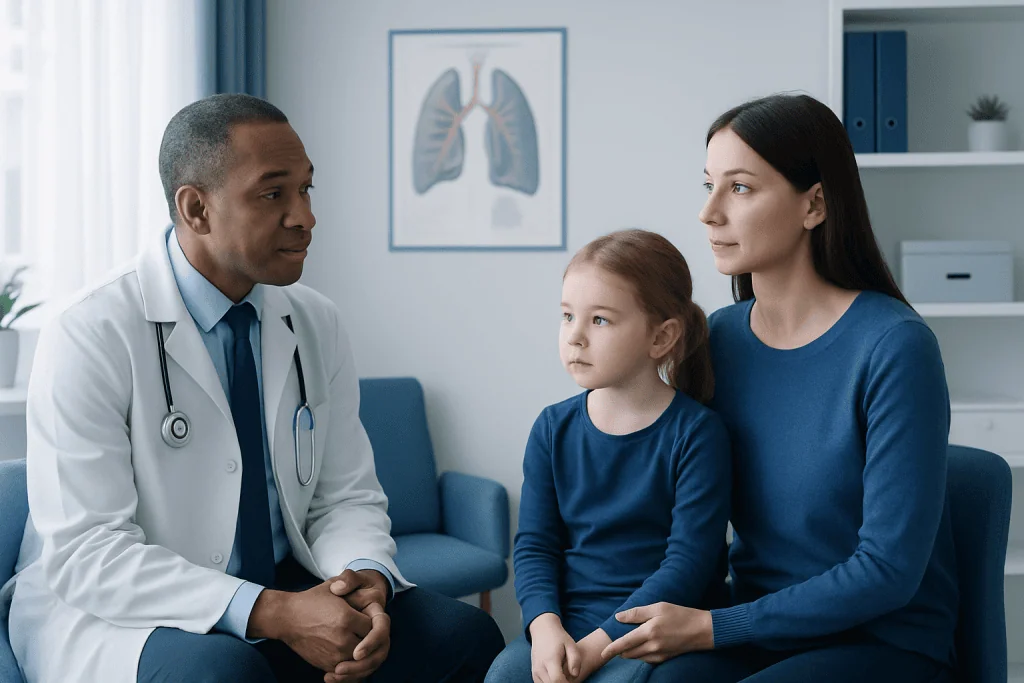
Pneumonia can be caused by viruses, bacteria, or less commonly fungi. Viral pneumonia is common in young children and may follow infections such as influenza, respiratory syncytial virus, or other seasonal respiratory viruses. Bacterial pneumonia may develop on its own or after a viral illness, and it is more likely to cause high fever, more pronounced illness, or localized findings on examination, although symptoms can overlap.
Some children have a higher risk of developing pneumonia or experiencing a more complicated illness. Risk factors include premature birth, chronic lung or heart disease, immune system problems, neurological conditions that affect swallowing, and exposure to tobacco smoke or indoor air pollution. Children who are not fully vaccinated against vaccine-preventable infections may also be more vulnerable.
Aspiration pneumonia can occur when food, liquid, saliva, or stomach contents enter the airways. This is more likely in children with swallowing difficulties, certain neurological disorders, severe reflux, or episodes of choking. Fungal pneumonia is uncommon in otherwise healthy children but may be considered in children with weakened immune systems or specific environmental exposures.
How Doctors Diagnose Pneumonia in Children
Diagnosis begins with a careful history and physical examination. The doctor asks about fever, cough duration, breathing pattern, feeding, hydration, recent infections, vaccination status, travel, and exposure to sick contacts. During the examination, the doctor observes how the child breathes, listens to the lungs, checks the heart rate and temperature, and often measures oxygen saturation with a small sensor placed on a finger or toe.
A chest X-ray is not always needed for every child with suspected pneumonia, especially if symptoms are mild and the child is well enough to be treated at home. However, imaging may be helpful when the diagnosis is uncertain, symptoms are severe, oxygen levels are low, the child is not improving as expected, or complications are suspected. X-rays can show areas of lung inflammation but do not always clearly identify whether the cause is viral or bacterial.
Laboratory tests may be used in selected cases. These can include blood tests, viral testing from a nose or throat swab, or cultures if a child is admitted to the hospital. Doctors choose tests based on the child’s age, severity of illness, medical history, and whether the results would change treatment decisions.
Treatment Choices: Supportive Care, Antibiotics, and Hospital Care
Treatment for pediatric pneumonia depends on the likely cause and how the child is breathing. Many cases caused by viruses improve with supportive care. This may include rest, fluids, fever relief recommended by a clinician, saline nose drops for congestion, and careful observation. Cough medicines are generally not recommended for young children unless a doctor specifically advises them, because they may not be effective and can have side effects.
Antibiotics are used when bacterial pneumonia is suspected or confirmed. The choice of antibiotic depends on the child’s age, symptoms, allergies, local medical guidance, and whether the child can take medicine by mouth. It is important for families to follow the prescribed plan and not use leftover antibiotics or antibiotics prescribed for another person. Stopping treatment early or using antibiotics unnecessarily can contribute to antibiotic resistance and may not help viral infections.
Some children need hospital care for closer monitoring and treatment. Hospital care may include oxygen therapy, fluids if the child is dehydrated or cannot drink well, medicines given through a vein, and support for breathing if needed. Infants, children with chronic medical conditions, and children with low oxygen levels or significant breathing effort are more likely to need inpatient care.
- Supportive care is central for most children, including fluids, rest, and fever comfort measures.
- Antibiotics are for suspected or confirmed bacterial pneumonia, not routine viral infections.
- Hospital treatment is considered when breathing, oxygen level, hydration, or overall condition needs close support.
Home Care and Recovery
If a doctor recommends home care, parents can support recovery by encouraging small, frequent drinks and allowing the child to rest. A child may eat less than usual for a few days, but hydration is especially important. For babies, fewer wet diapers, dry mouth, lack of tears, or marked sleepiness can suggest dehydration and should be discussed with a clinician.
Cough often lasts longer than fever and may continue for days or weeks as the lungs clear mucus and inflammation settles. This does not always mean that treatment is failing. However, parents should follow the doctor’s advice about follow-up, especially if the child was prescribed antibiotics or has an underlying health condition.
Children should return to school, daycare, sports, and active play gradually. A child should generally be fever-free, breathing comfortably, drinking well, and feeling more energetic before returning to normal routines. Families should ask their pediatrician for individualized guidance, particularly for infants or children with asthma, heart disease, immune problems, or recurrent pneumonia.
Prevention and Self-Care
Several practical steps can reduce the risk of pneumonia and other respiratory infections. Routine childhood vaccines are important, including those that protect against pneumococcal disease, Haemophilus influenzae type b, measles, pertussis, and influenza when recommended. Vaccination does not prevent every pneumonia, but it helps reduce severe disease from specific preventable infections.
Hand hygiene, covering coughs, cleaning frequently touched surfaces, and keeping children away from close contact with people who are acutely ill can help limit the spread of respiratory germs. Breastfeeding, balanced nutrition, adequate sleep, and management of chronic conditions such as asthma also support a child’s immune and respiratory health.
A smoke-free environment is especially important. Tobacco smoke and other indoor pollutants can irritate the airways, increase cough, and raise the risk of respiratory infections. Families should also seek medical advice for children with frequent choking, swallowing problems, or repeated lung infections, as these may need further evaluation.
When to See a Doctor
Parents should seek medical advice if a child has a persistent fever, worsening cough, fast breathing, chest pain, wheezing, poor feeding, signs of dehydration, or symptoms that improve and then return. Prompt assessment is especially important for babies under 3 months, children with chronic medical conditions, and children whose breathing looks labored even when they are resting.
Urgent care is needed if a child has bluish lips or face, severe difficulty breathing, extreme sleepiness, confusion, pauses in breathing, or cannot drink enough to stay hydrated. These signs do not always mean pneumonia is present, but they indicate that the child needs immediate medical evaluation.
For international patients, Acibadem International’s multidisciplinary pediatric specialists and JCI-accredited hospitals diagnose and treat pediatric respiratory conditions, including pneumonia, with care plans tailored to each child’s needs. Families should always consult a qualified doctor for diagnosis and treatment decisions rather than relying on symptoms alone.
Frequently asked questions
How can parents tell if a child’s breathing is too fast?
Breathing rate varies by age, and children naturally breathe faster when crying, active, or feverish. Concern increases when breathing stays fast while the child is calm or sleeping, or when there are chest retractions, nasal flaring, grunting, or difficulty feeding. A pediatrician can assess the breathing pattern and oxygen level.
Does every child with pneumonia need antibiotics?
No. Many cases of pediatric pneumonia are caused by viruses, and antibiotics do not treat viral infections. Antibiotics are used when bacterial pneumonia is suspected or confirmed, based on the child’s age, symptoms, examination, and sometimes test results.
Can pneumonia be treated at home?
Many children with mild pneumonia can be treated at home if they are breathing comfortably, drinking enough fluids, and have normal oxygen levels. Home care usually includes rest, fluids, fever comfort measures, and close observation. The family should follow the doctor’s instructions and seek reassessment if symptoms worsen or do not improve as expected.
How long does recovery from pediatric pneumonia take?
Fever and energy levels often improve within several days after appropriate care begins, but cough and tiredness may last longer. Recovery time depends on the child’s age, the cause of pneumonia, severity of illness, and any underlying health conditions. Follow-up is important if symptoms persist, return, or interfere with normal activity.
When is a chest X-ray needed for a child with suspected pneumonia?
A chest X-ray may be used when the diagnosis is unclear, symptoms are more severe, oxygen levels are low, or the child is not improving as expected. It may also help evaluate possible complications. Not every child with mild suspected pneumonia needs imaging, and the decision is made by the treating clinician.
Can pneumonia in children be prevented?
Not all pneumonia can be prevented, but risk can be reduced. Routine vaccines, annual influenza vaccination when recommended, hand hygiene, avoiding tobacco smoke, good nutrition, and prompt care for chronic conditions all help protect children. Families should discuss their child’s vaccine schedule and individual risk factors with a healthcare professional.
References
- World Health Organization
- American Academy of Pediatrics
- Centers for Disease Control and Prevention
- National Institute for Health and Care Excellence
- European Respiratory Society
This article is for general information only and is not a substitute for professional medical advice. Please consult a qualified doctor about your individual situation.
Pneumonia in Turkey — costs, top hospitals & a free quote
JCI-accredited · board-certified surgeons · reply within 24h