Osteoporosis: Fragile Bones, Fracture Risk, and Treatment Options

Osteoporosis causes loss of bone strength, making fractures more likely after minor falls or everyday movements. The spine, hip, wrist, and shoulder are among the most common fracture sites linked to fragile bones.
Key Takeaways
- Osteoporosis causes loss of bone strength, making fractures more likely after minor falls or everyday movements.
- The spine, hip, wrist, and shoulder are among the most common fracture sites linked to fragile bones.
- A bone density test, usually a DEXA scan, helps diagnose osteoporosis and estimate future fracture risk.
- Treatment may include calcium and vitamin D optimization, weight-bearing exercise, fall prevention, and medications when needed.
- People with risk factors, height loss, back pain, or a low-trauma fracture should seek medical assessment.
Medically reviewed by the Acıbadem International Medical Board — June 20, 2026
Osteoporosis is a common bone condition in which bones become weaker and more likely to fracture, often without obvious symptoms until a break occurs. With early diagnosis, lifestyle measures, and appropriate medical treatment, many people can reduce fracture risk and maintain mobility.
Overview
Osteoporosis is a condition in which bones lose density and internal strength. Bone is living tissue that is constantly renewed: old bone is removed and new bone is formed. When bone loss happens faster than bone formation, the skeleton can become more porous and fragile. This increases the chance of fractures, even after a minor fall, a sudden twist, or sometimes a simple movement such as bending or lifting.
Osteoporosis is often called a silent condition because it may not cause pain or clear warning signs in its early stages. Many people first learn they have osteoporosis after a fracture, especially in the wrist, hip, spine, or upper arm. Spinal compression fractures can occur gradually and may lead to height loss, a stooped posture, or persistent back discomfort.
Although osteoporosis is more common with aging and after menopause, it can affect both women and men. It is not an unavoidable part of getting older. Bone health can be assessed, fracture risk can be estimated, and effective strategies can help slow bone loss and lower the risk of future fractures.
Symptoms and Possible Fracture Signs
Osteoporosis itself usually does not cause symptoms until a bone breaks. This is why screening and risk assessment are important for people at higher risk. A person may feel well and still have reduced bone strength. In other cases, clues appear gradually, especially when small fractures occur in the spine.
Possible signs related to osteoporosis or fragility fractures include:
- A fracture after a fall from standing height or less
- Sudden back pain, especially after bending, lifting, or coughing
- Loss of height over time
- A curved or stooped upper back posture
- Reduced ability to move comfortably after a suspected fracture
- Wrist, hip, rib, or shoulder pain after a minor injury
Hip fractures are especially important because they can affect walking, independence, and overall health. Spinal fractures may be mistaken for muscle strain, arthritis, or normal aging unless they are properly evaluated. Any new severe pain after a fall, or back pain associated with height loss or posture change, should be discussed with a healthcare professional.
Causes and Risk Factors
Bone strength is influenced by genetics, hormones, nutrition, physical activity, and medical conditions. Most people build peak bone mass during childhood, adolescence, and early adulthood. Later in life, maintaining bone mass depends on healthy hormone levels, adequate calcium and vitamin D, regular movement, and avoidance of factors that accelerate bone loss.
Common risk factors for osteoporosis include older age, female sex, menopause, a family history of hip fracture or osteoporosis, low body weight, previous low-trauma fracture, smoking, and excessive alcohol use. Long-term physical inactivity, low calcium intake, vitamin D deficiency, and limited sunlight exposure can also contribute. Some medications, particularly long-term corticosteroid therapy, may weaken bones when used over time.
Certain medical conditions can raise osteoporosis risk. These include rheumatoid arthritis, chronic kidney disease, thyroid or parathyroid disorders, celiac disease, inflammatory bowel disease, some hormone disorders, and conditions that reduce nutrient absorption. Cancer treatments that lower estrogen or testosterone may also affect bone density. Men with low testosterone or people who have had prolonged immobility should also be considered for bone health evaluation.
Diagnosis and Bone Density Testing
Diagnosis begins with a medical history, physical examination, and review of fracture history and risk factors. The doctor may ask about falls, family history, menopause, medications, nutrition, smoking, alcohol use, and previous fractures. Height measurement is useful because unexplained height loss may suggest spinal compression fractures.
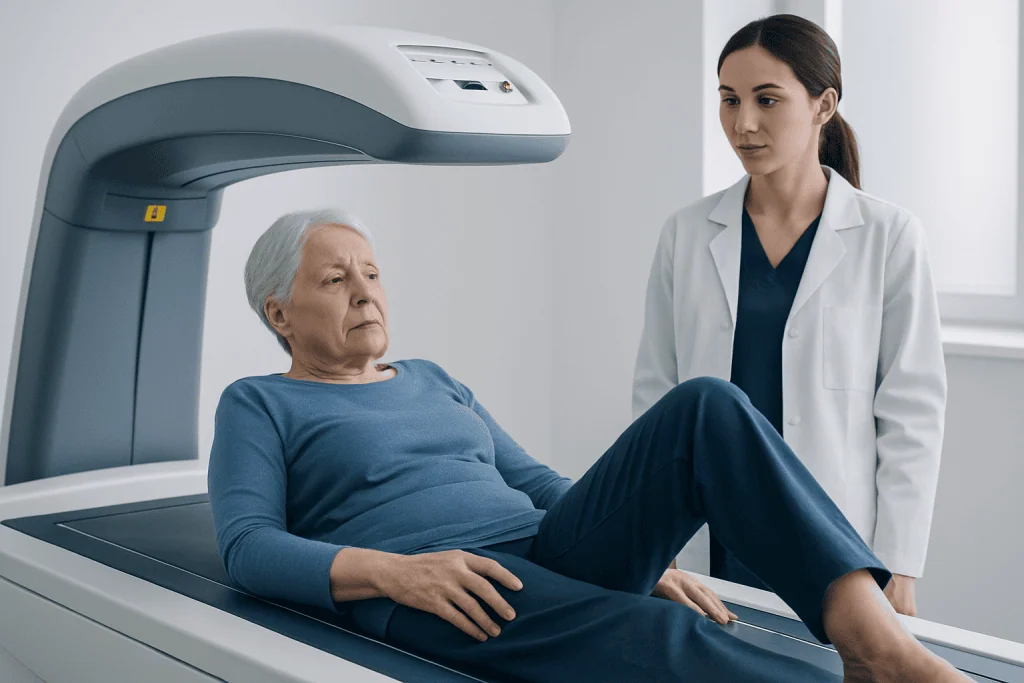
The main test used to diagnose osteoporosis is a bone mineral density test, commonly called a DEXA or DXA scan. It is a quick, painless imaging test that usually measures bone density at the hip and spine. Results are reported as a T-score, which compares a person’s bone density with that of a healthy young adult. A low T-score may indicate osteopenia, meaning reduced bone density, or osteoporosis, depending on the result.
Doctors may also estimate the risk of future fracture using clinical risk tools that combine bone density with personal risk factors. Blood and urine tests may be ordered to look for secondary causes of bone loss, such as vitamin D deficiency, thyroid problems, kidney issues, or abnormal calcium metabolism. If back pain or height loss is present, spine X-rays or other imaging may be used to check for vertebral fractures.
Treatment Options
Osteoporosis treatment aims to reduce fracture risk, preserve mobility, and support healthy bone remodeling. The best plan depends on bone density results, age, sex, fracture history, medical conditions, and individual risk of future fractures. Treatment usually combines lifestyle measures with medication when fracture risk is moderate to high.
Nutrition is an important foundation. Adequate calcium intake supports bone structure, while vitamin D helps the body absorb calcium and supports muscle function. Food sources such as dairy products, fortified foods, leafy greens, legumes, nuts, and fish with edible bones may help. Supplements may be recommended when dietary intake or vitamin D levels are insufficient, but they should be used under medical guidance, especially for people with kidney disease or a history of kidney stones.
Medications may be prescribed to slow bone breakdown or stimulate bone formation. Common treatment groups include bisphosphonates, selective estrogen receptor modulators, hormone-related therapies in selected patients, monoclonal antibody treatments, and anabolic medicines that help build bone in people at higher fracture risk. The choice depends on the person’s fracture risk, other health conditions, side effect profile, route of administration, and treatment duration. Regular follow-up helps monitor response and decide whether therapy should continue, change, or pause.
If a fracture occurs, treatment may involve pain control, bracing in selected spinal fractures, physical therapy, and sometimes surgery, particularly for hip fractures or unstable injuries. Rehabilitation is essential to restore strength, balance, confidence, and safe movement. Managing osteoporosis after the first fragility fracture is important because one fracture increases the likelihood of another.
Prevention and Self-care
Bone health prevention begins early but remains useful at any age. Regular weight-bearing and resistance exercise helps stimulate bone and maintain muscle strength. Walking, stair climbing, dancing, supervised strength training, and balance exercises can all be beneficial. People with established osteoporosis or previous fractures should ask a doctor or physiotherapist which exercises are safe, as some twisting or high-impact movements may not be appropriate.
Daily habits that support bone and fall prevention include:
- Eating a balanced diet with enough protein, calcium, and vitamin D
- Getting safe sunlight exposure or vitamin D support when recommended
- Avoiding smoking and limiting alcohol
- Maintaining regular physical activity and muscle strength
- Checking vision and hearing, which can affect balance
- Reviewing medications that may cause dizziness or drowsiness
- Using supportive footwear and keeping floors free of loose rugs or clutter
Fall prevention is a key part of osteoporosis care. Simple home changes, such as installing grab bars, improving lighting, securing electrical cords, and using handrails, can reduce risk. Balance training and physical therapy are helpful for people who feel unsteady or have already fallen. Preventing falls can be just as important as improving bone density because many fractures happen after everyday accidents.
When to See a Doctor
A person should seek medical advice after any fracture caused by a minor fall or low-impact injury, especially after age 50. Evaluation is also important for unexplained height loss, new or persistent back pain, a stooped posture, or a strong family history of osteoporosis or hip fracture. People taking long-term corticosteroids or medicines that affect hormones should discuss bone protection with their doctor.
Screening may be recommended for postmenopausal women, older men, and younger people with significant risk factors. The timing depends on age, medical history, medication use, and previous fractures. A healthcare professional can decide whether a DEXA scan, laboratory testing, or imaging is appropriate.
People diagnosed with osteoporosis should have a clear follow-up plan. This may include reviewing medication adherence, checking for side effects, reassessing fall risk, and repeating bone density testing at intervals chosen by the physician. At Acibadem International, multidisciplinary specialists in JCI-accredited hospitals can evaluate and treat osteoporosis and fragility fractures for international patients, with care plans tailored to individual medical needs.
Frequently asked questions
Is osteoporosis the same as normal bone aging?
Bone density often decreases with age, but osteoporosis means bone strength has fallen enough to significantly increase fracture risk. It is not simply normal aging and should not be ignored. Diagnosis and treatment can help reduce the chance of future fractures.
Can men get osteoporosis?
Yes. Although osteoporosis is more common in women after menopause, men can also develop fragile bones, especially with aging, low testosterone, certain medications, smoking, heavy alcohol use, or chronic disease. Men with a low-trauma fracture should be evaluated for osteoporosis.
Does osteoporosis cause pain?
Osteoporosis usually does not cause pain until a fracture occurs. Pain may develop suddenly with a wrist, hip, rib, or spine fracture, or gradually with spinal compression fractures. Persistent back pain or height loss should be assessed by a doctor.
What is the best exercise for osteoporosis?
Weight-bearing exercise, resistance training, and balance work are commonly recommended because they support bone, muscle, and fall prevention. The safest program depends on fracture history and overall health. People with severe osteoporosis or spine fractures should get professional guidance before starting new exercises.
Can diet alone treat osteoporosis?
A healthy diet with enough calcium, vitamin D, and protein is essential, but it may not be enough for people at higher fracture risk. Medications are often recommended when bone density is very low or a fragility fracture has already occurred. A doctor can help decide whether lifestyle measures alone are sufficient.
How long does osteoporosis treatment take?
Osteoporosis care is usually long term because bone strength changes gradually. Some medications are taken for several years, while others have specific treatment windows or reassessment points. Follow-up visits help determine whether treatment should continue, change, or be paused.
References
- World Health Organization
- International Osteoporosis Foundation
- National Osteoporosis Foundation
- Endocrine Society
- American Academy of Orthopaedic Surgeons
This article is for general information only and is not a substitute for professional medical advice. Please consult a qualified doctor about your individual situation.
Explore treatments in Turkey — costs, top hospitals & a free quote
JCI-accredited · board-certified surgeons · reply within 24h