

Immunotherapy for Cancer: Benefits, Risks, and Side Effects

Immunotherapy uses the body’s immune system to help identify, control, or destroy cancer cells. It may be used alone or with surgery, chemotherapy, radiation therapy, targeted therapy, or other treatments.
Key Takeaways
- Immunotherapy uses the body’s immune system to help identify, control, or destroy cancer cells.
- It may be used alone or with surgery, chemotherapy, radiation therapy, targeted therapy, or other treatments.
- Not every cancer or patient responds to immunotherapy, so biomarker testing and specialist assessment are important.
- Side effects are often related to immune system overactivity and can involve the skin, bowel, lungs, liver, thyroid, or other organs.
- New or worsening symptoms during immunotherapy should be reported promptly, even if they seem mild.
Immunotherapy for cancer helps the immune system recognize and attack cancer cells more effectively. It can be a valuable treatment for selected cancers, but it requires careful monitoring because side effects may affect many organs.
Overview
Immunotherapy for cancer is a group of treatments that use the immune system to help fight cancer. The immune system normally protects the body from infections and abnormal cells, but cancer can sometimes hide from immune defenses or weaken their response. Immunotherapy aims to restore, strengthen, or guide immune activity so cancer cells can be recognized and attacked more effectively.
Several types of immunotherapy are used in modern oncology. These include immune checkpoint inhibitors, CAR T-cell therapy, monoclonal antibodies, cancer vaccines, cytokines, and certain immune-stimulating medicines. The best-known immunotherapies are checkpoint inhibitors, which release the immune system’s natural brakes and allow immune cells to respond more strongly to cancer.
Immunotherapy has changed treatment options for several cancers, including some types of melanoma, lung cancer, kidney cancer, bladder cancer, head and neck cancer, lymphoma, and others. However, it is not suitable for every person or every tumor type. The decision to use immunotherapy depends on the cancer diagnosis, stage, tumor biology, prior treatments, general health, and patient preferences.
How Immunotherapy Works
The immune system uses complex signals to distinguish normal cells from harmful or abnormal cells. Cancer cells may avoid detection by changing their surface markers, creating an immune-suppressive environment, or activating proteins that switch immune cells off. Immunotherapy works by interrupting these escape mechanisms or by directly enhancing immune recognition.
Immune checkpoint inhibitors are among the most widely used forms. They target proteins such as PD-1, PD-L1, or CTLA-4, which normally help prevent excessive immune reactions. Some cancers use these checkpoints to avoid immune attack. By blocking these signals, checkpoint inhibitors may allow T cells to remain active against cancer cells.
Other immunotherapies work differently. CAR T-cell therapy involves collecting a patient’s T cells, modifying them in a laboratory to recognize cancer cells, and returning them to the bloodstream. Monoclonal antibodies can attach to specific cancer cell targets and help the immune system identify them. Cancer vaccines and immune-stimulating agents aim to train or boost immune responses against tumor-related targets.
Potential Benefits of Immunotherapy

The main benefit of immunotherapy is that it can produce meaningful cancer control in selected patients, including some whose cancers have not responded well to other treatments. In some situations, immune responses may continue for a period after treatment has stopped because the immune system can retain memory of cancer-related targets. This is one reason immunotherapy is an important part of care for certain advanced cancers.
Immunotherapy may also be used in earlier-stage disease for some cancers, either before surgery to shrink a tumor or after surgery to reduce the risk of recurrence. It may be combined with chemotherapy, radiation therapy, targeted therapy, or another immunotherapy depending on the cancer type and treatment goal. Combination approaches can improve effectiveness in some settings, but they may also increase the likelihood of side effects.
Another potential advantage is that immunotherapy usually works in a different way from chemotherapy. Chemotherapy directly attacks rapidly dividing cells, while immunotherapy modifies immune activity. This means the side effect pattern is different. Some patients do not experience hair loss, nausea, or low blood counts in the same way as with many chemotherapy regimens, although immune-related side effects can still be serious and need timely care.
Who May Be a Candidate
Candidacy for cancer immunotherapy is determined by an oncology team after a detailed assessment. Important factors include the exact cancer type, stage, previous treatments, symptoms, organ function, and overall performance status. Some immunotherapies are approved only for specific tumor types or treatment situations.
Doctors may recommend biomarker testing to estimate whether immunotherapy is likely to help. Biomarkers can include PD-L1 expression, microsatellite instability, mismatch repair deficiency, tumor mutational burden, and specific genetic or molecular features. These tests are performed on tumor tissue or sometimes through blood-based testing, depending on the clinical situation.
Some health conditions require extra caution. People with active autoimmune diseases, organ transplants, severe lung inflammation, certain infections, or ongoing high-dose immune-suppressing treatment may face higher risks or may need a modified approach. This does not always mean immunotherapy is impossible, but it makes individualized specialist discussion essential.
Patients should tell their doctor about all medical conditions, previous reactions to cancer treatment, current medicines, supplements, allergies, and pregnancy or fertility concerns. A complete history helps the care team weigh the likely benefits and risks and choose the safest treatment plan.
Risks and Side Effects
Immunotherapy side effects often happen because the immune system becomes more active and may affect healthy tissues. These are sometimes called immune-related adverse events. They can be mild, moderate, or severe, and they may occur during treatment or weeks to months after a dose. In some cases, side effects can appear even after treatment has ended.
Common symptoms may include tiredness, skin rash, itching, diarrhea, nausea, joint or muscle aches, cough, fever, or changes in appetite. Some people develop inflammation in specific organs, such as colitis in the bowel, pneumonitis in the lungs, hepatitis in the liver, nephritis in the kidneys, or thyroid and other hormone gland problems. Hormone changes may cause fatigue, weight changes, feeling unusually cold or hot, dizziness, headaches, or mood changes.
Patients should contact their care team promptly if they notice symptoms such as persistent diarrhea, blood in the stool, worsening cough, shortness of breath, chest pain, yellowing of the skin or eyes, severe headache, confusion, vision changes, extreme weakness, fainting, reduced urination, or a rapidly spreading rash. Early reporting allows doctors to assess the cause and treat inflammation before it becomes more difficult to control.
Management depends on the type and severity of the side effect. The oncology team may pause immunotherapy, order blood tests or imaging, prescribe corticosteroids or other immune-suppressing medicines, or refer the patient to another specialist such as a gastroenterologist, pulmonologist, endocrinologist, or dermatologist. Patients should not stop prescribed medicines or take new medicines for side effects without medical advice.
Diagnosis, Testing, and Monitoring During Treatment
Before immunotherapy begins, patients usually have a baseline evaluation. This may include physical examination, blood tests, imaging scans, review of pathology results, and biomarker testing when relevant. Baseline thyroid, liver, kidney, and blood count tests are commonly used to help doctors compare results during treatment.
During therapy, monitoring is ongoing. Doctors assess symptoms, examine the patient, and repeat blood tests at regular intervals. Imaging scans are scheduled to evaluate whether the cancer is responding, stable, or progressing. Sometimes tumors can appear larger at first because immune cells enter the tumor area, a pattern sometimes called pseudoprogression. This is not common, and doctors interpret scan results carefully in the context of symptoms and overall findings.
Patients play an important role in monitoring. Keeping a symptom diary can help identify changes in bowel habits, breathing, skin, energy, appetite, temperature, pain, or mood. It is useful to bring a current medication list to each visit, including over-the-counter medicines and supplements. Even symptoms that seem unrelated to cancer treatment should be mentioned because immune-related effects can involve many organs.
Treatment Experience and Self-Care
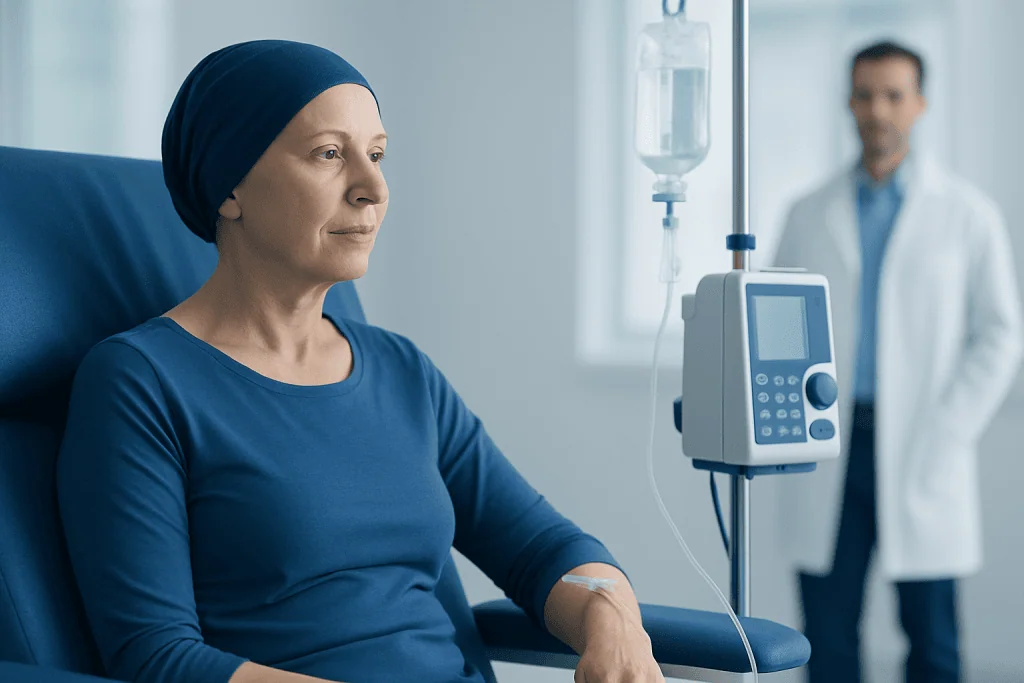
Many immunotherapies are given through an intravenous infusion in an oncology clinic or hospital day unit. The schedule varies depending on the medicine and treatment plan. CAR T-cell therapy and some other advanced cell therapies involve more complex preparation, including cell collection, laboratory processing, pre-treatment chemotherapy in some cases, and close monitoring after infusion.
Self-care during immunotherapy focuses on supporting general health and recognizing symptoms early. Patients are usually encouraged to maintain balanced nutrition, drink enough fluids unless restricted by a doctor, stay physically active within their ability, rest when needed, protect their skin from irritation and sun exposure, and follow infection-prevention advice from the care team. Vaccinations, dental procedures, new supplements, and herbal products should be discussed with the oncology team before use.
It is important for patients to carry treatment information, especially when traveling or visiting an emergency department. They should tell any healthcare professional that they are receiving or have recently received immunotherapy. This helps doctors consider immune-related side effects when evaluating symptoms such as diarrhea, cough, fever, rash, or fatigue.
Emotional support is also part of cancer care. Patients may benefit from discussing worries, sleep changes, work concerns, family responsibilities, or financial stress with their care team. Counseling, support groups, oncology nurses, dietitians, rehabilitation specialists, and palliative care professionals can help improve comfort and daily functioning during treatment.
When to See a Doctor
A patient should speak with an oncologist if immunotherapy is being considered, if they want to understand whether biomarker testing is appropriate, or if they are comparing treatment options. Because immunotherapy decisions are highly individualized, a qualified cancer specialist can explain the likely goal of treatment, expected schedule, possible benefits, and side effects in the context of the patient’s diagnosis.
Patients already receiving immunotherapy should contact their treatment team for any new, persistent, or worsening symptom. They should not wait for the next scheduled appointment if they develop breathing difficulty, persistent diarrhea, severe abdominal pain, chest pain, confusion, fainting, yellow skin or eyes, high fever, severe weakness, or a widespread rash. Prompt evaluation is reassuring and often makes side effects easier to manage.
Acibadem International’s multidisciplinary specialists and JCI-accredited hospitals diagnose and treat cancer, including cases where immunotherapy may be considered for international patients. A coordinated oncology team can help review pathology, imaging, biomarkers, treatment history, and supportive care needs to create an individualized plan.
Frequently asked questions
Is immunotherapy the same as chemotherapy?
No. Chemotherapy directly targets rapidly dividing cells, while immunotherapy helps the immune system recognize or attack cancer cells. The side effects can be different, although both treatments require careful monitoring by an oncology team.
Does immunotherapy work for all cancers?
Immunotherapy does not work for every cancer type or every patient. Its usefulness depends on the cancer diagnosis, stage, biomarkers, previous treatments, and overall health. An oncologist can explain whether immunotherapy is approved or appropriate for a specific situation.
How soon can a patient know if immunotherapy is working?
Response timing varies. Some patients show changes on early follow-up scans, while others need more time before the effect is clear. Doctors evaluate symptoms, examination findings, blood tests, and imaging results together before deciding whether to continue or change treatment.
Are immunotherapy side effects always serious?
Many side effects are mild and manageable, such as itching, rash, fatigue, or mild digestive symptoms. However, immune-related inflammation can sometimes affect organs such as the lungs, bowel, liver, kidneys, or hormone glands. Reporting symptoms early helps the care team treat problems promptly.
Can immunotherapy be combined with other cancer treatments?
Yes, in some cancers immunotherapy is combined with chemotherapy, radiation therapy, targeted therapy, surgery, or another immunotherapy. Combination treatment may improve cancer control in selected cases, but it can also increase the risk of side effects. The decision depends on evidence-based guidelines and the patient’s individual condition.
What should patients avoid during immunotherapy?
Patients should avoid starting new medicines, supplements, herbal products, or vaccinations without checking with their oncology team. They should also avoid ignoring symptoms or treating persistent diarrhea, cough, fever, or rash on their own. Clear communication with the care team is one of the most important safety steps during immunotherapy.
References
- World Health Organization
- National Cancer Institute
- American Society of Clinical Oncology
- European Society for Medical Oncology
- Cancer Research UK
This article is for general information only and is not a substitute for professional medical advice. Please consult a qualified doctor about your individual situation.
Immunotherapy in Turkey — costs, top hospitals & a free quote
JCI-accredited · board-certified surgeons · reply within 24h

More from the Health Library



Related Specialists

Dr. Banu Ulusoy
Clinical Laboratory
Dr. Ayla Sifoğlu
Neurology
Dr. Şirin Parkan
Acibadem Life Clinical Service
Assoc. Prof. Dr. Bedriye Koyuncu Sökmen
Gastrointestinal Oncology Unit Clinical Service