

Vestibular Migraine vs Inner Ear Vertigo: How Doctors Tell the Difference

Vestibular migraine is a brain-based migraine disorder that can cause vertigo with or without headache. Inner ear vertigo often has a more mechanical or ear-related pattern, such as brief positional attacks in BPPV or vertigo with hearing symptoms in Ménière's disease.
Key Takeaways
- Vestibular migraine is a brain-based migraine disorder that can cause vertigo with or without headache.
- Inner ear vertigo often has a more mechanical or ear-related pattern, such as brief positional attacks in BPPV or vertigo with hearing symptoms in Ménière's disease.
- The timing, triggers, hearing symptoms, headache features and eye movement findings help doctors tell the conditions apart.
- Diagnosis is usually clinical, but hearing tests, vestibular testing and MRI may be used when symptoms are atypical or concerning.
- Treatment differs: vestibular migraine focuses on trigger control and migraine prevention, while inner ear vertigo may need repositioning maneuvers, vestibular rehabilitation or ear-specific care.
Vestibular migraine and inner ear vertigo can both cause spinning, imbalance and nausea, but they usually have different patterns. Doctors distinguish them by listening closely to the history, examining eye movements and balance, and using targeted hearing, vestibular or imaging tests when needed.
Overview
Dizziness is a common symptom, but it can mean different things to different people. Some patients describe a spinning sensation, others feel unsteady, lightheaded, foggy or as if the ground is moving. Two frequent causes of recurrent vertigo are vestibular migraine and inner ear vertigo. They can feel similar, yet they come from different mechanisms and often need different treatment plans.
Vestibular migraine is related to migraine activity in the nervous system, especially the networks that process balance, motion and sensory signals. A person may have vertigo, motion sensitivity, nausea, sensitivity to light or sound, and sometimes a headache. Importantly, the headache may be mild or absent during some attacks, which is why vestibular migraine is sometimes missed.
Inner ear vertigo refers to balance symptoms that begin in the vestibular organs of the inner ear or the vestibular nerve. Examples include benign paroxysmal positional vertigo, often called BPPV, vestibular neuritis, labyrinthitis and Ménière’s disease. Doctors tell these conditions apart by looking for patterns in attack duration, triggers, hearing changes, ear pressure, infection history, migraine features and examination findings.
How the Symptoms Usually Feel
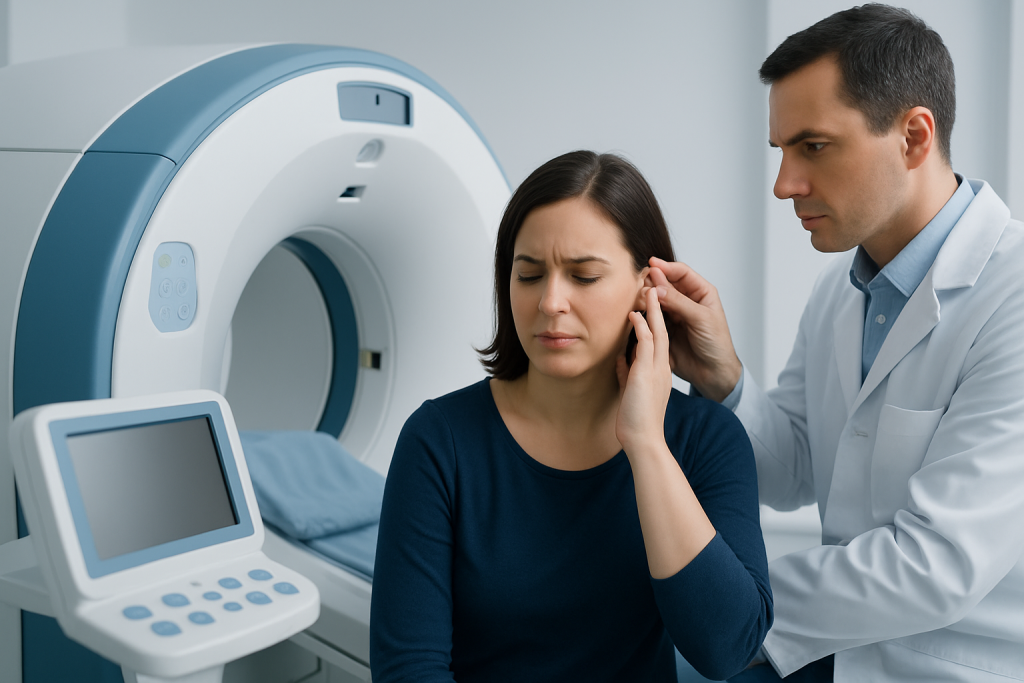
Vestibular migraine can cause spinning vertigo, rocking, swaying, imbalance or a strong sensitivity to motion. Attacks may last minutes, hours or sometimes longer, and symptoms may fluctuate during the day. Many people also report migraine-related features such as sensitivity to light, sensitivity to sound, visual aura, nausea, head pressure, neck discomfort, brain fog or worsening with busy visual environments such as supermarkets or traffic.
Inner ear vertigo often has a more specific pattern. BPPV typically causes short bursts of spinning that last seconds to less than a minute and are triggered by head position changes, such as turning in bed, looking up or bending forward. Vestibular neuritis usually causes a sudden, intense episode of vertigo lasting days, often with nausea and imbalance, but without hearing loss. Labyrinthitis may be similar but includes hearing symptoms. Ménière’s disease classically causes repeated vertigo attacks with fluctuating hearing loss, tinnitus or ear fullness.
There is overlap, so symptoms alone do not always give a complete answer. A patient with migraine can also have BPPV, and a person with an inner ear disorder may develop migraine-like sensitivity after repeated vertigo attacks. That is why doctors combine the symptom story with a careful neurological and ear, nose and throat examination.
Key Clues Doctors Look For

The medical history is often the most important diagnostic tool. Doctors ask when the dizziness began, how long each episode lasts, what triggers it, whether the person feels spinning or imbalance, and whether there are warning signs such as new weakness, double vision, fainting or severe new headache. They also ask about previous migraine, family history of migraine, motion sickness, sleep patterns, stress, hormonal changes and dietary triggers.
Several clues help separate vestibular migraine from inner ear vertigo. In vestibular migraine, episodes may be triggered by poor sleep, stress, certain foods, dehydration, menstrual changes, bright light, screens or visual motion. The vertigo may occur with headache, but it may also appear with light sensitivity, sound sensitivity, aura or a general migraine feeling. Between attacks, some people have motion intolerance or visually induced dizziness.
In inner ear vertigo, triggers and associated ear symptoms are especially helpful. Brief vertigo provoked by lying down or rolling over strongly suggests BPPV. Vertigo with fluctuating hearing loss, ringing in the ear or ear pressure points more toward Ménière’s disease or another ear condition. A sudden prolonged vertigo attack after a viral illness may suggest vestibular neuritis. These patterns guide the physical examination and help avoid unnecessary testing.
Examination and Tests
During the examination, doctors observe eye movements because the balance system is closely connected to the eyes. In many vertigo disorders, the eyes make involuntary movements called nystagmus. The direction, timing and trigger of nystagmus can provide important information. A positional test such as the Dix-Hallpike maneuver may reproduce BPPV and show a typical nystagmus pattern. If BPPV is suspected, this bedside test can be both diagnostic and helpful for planning treatment.
A neurological examination checks coordination, walking, strength, sensation, reflexes and eye movement control. This is important because some neurological conditions can mimic vertigo. Doctors also examine the ears and may arrange hearing tests if there is hearing loss, tinnitus or ear pressure. Audiometry is especially useful when Ménière’s disease, sudden hearing loss or labyrinthitis is being considered.
Vestibular testing may be recommended when the diagnosis is unclear, symptoms persist, or treatment is not working as expected. Tests may assess how each inner ear responds to motion or temperature changes, how the eyes track movement, and how balance is maintained while standing. MRI or other imaging is not needed for every patient, but it may be used when symptoms are unusual, progressive, one-sided, or accompanied by neurological findings. The goal is to confirm the safest and most likely diagnosis, not to order every possible test.
Common Conditions That Can Be Confused
BPPV is one of the most common inner ear causes of vertigo and is frequently confused with vestibular migraine. The main difference is timing and trigger. BPPV causes very brief spinning spells linked to specific head movements. Vestibular migraine attacks usually last longer and may be linked to migraine features or sensory sensitivity, although a person can have both conditions at the same time.
Ménière’s disease can also resemble vestibular migraine because both can cause recurrent vertigo and nausea. Ménière’s disease is more strongly associated with ear symptoms, especially fluctuating hearing loss, tinnitus and a sense of fullness in one ear. Vestibular migraine may cause sound sensitivity, ear pressure or tinnitus-like symptoms, but true fluctuating hearing loss is a key reason to investigate the inner ear carefully.
Vestibular neuritis and labyrinthitis usually cause a more sudden and prolonged attack than vestibular migraine. A patient may feel severely off balance for days, then gradually improve over weeks as the brain adapts. Labyrinthitis includes hearing symptoms, while vestibular neuritis usually does not. Other causes of dizziness, such as low blood pressure, medication effects, anxiety-related dizziness, anemia, arrhythmia and stroke, may also be considered depending on the person’s age, risk factors and examination.
Treatment Options
Treatment depends on the cause. For vestibular migraine, doctors usually begin with education about migraine biology and a plan to reduce attack frequency. This may include regular sleep, consistent meals, hydration, limiting individual triggers, stress management and gradual return to activity. Some patients benefit from migraine-preventive medicines, while others need medication for acute attacks. The choice depends on symptom frequency, medical history, other medicines and pregnancy considerations.
Inner ear vertigo treatments are more condition-specific. BPPV is commonly treated with canalith repositioning maneuvers, which move displaced inner ear crystals back to where they belong. Vestibular neuritis may require short-term symptom control early on, followed by vestibular rehabilitation exercises to help the brain compensate. Ménière’s disease may involve dietary guidance, hearing monitoring, medication or specialist procedures in selected cases.
Vestibular rehabilitation can help both vestibular migraine and inner ear vertigo, but the approach may differ. Exercises may improve gaze stability, balance confidence and tolerance of motion or visual stimulation. For vestibular migraine, rehabilitation often works best when migraine activity is also controlled, because exercises can temporarily provoke symptoms if the nervous system is very sensitive. A personalized plan from a qualified clinician is safer than trying random online exercises.
Prevention and Self-Care
Self-care begins with tracking symptoms. A dizziness diary can help identify whether attacks are positional, related to migraine triggers, associated with hearing symptoms or linked to stress, sleep or meals. Useful details include attack duration, head position, foods or alcohol, menstrual cycle, screen time, weather changes, medications, headache symptoms and hearing changes. This record often makes the medical visit more productive.
For people with vestibular migraine, steady daily routines can reduce nervous system sensitivity. Regular sleep and wake times, adequate fluids, balanced meals, gentle physical activity and limiting overuse of caffeine or alcohol may help. It is usually better to identify personal triggers than to follow a very restrictive diet without guidance. Avoiding all movement can prolong dizziness, so doctors often encourage gradual, safe activity as tolerated.
For inner ear vertigo, prevention depends on the diagnosis. People with BPPV may be taught what positions trigger symptoms and when to return for repositioning maneuvers. Those with hearing changes should protect hearing and attend follow-up testing. During active vertigo, safety matters: patients should sit or lie down, avoid driving, avoid climbing, and ask for help if walking feels unsafe. Persistent or recurrent symptoms should be assessed rather than repeatedly self-treated.
When to See a Doctor
A medical assessment is recommended for new, recurrent or unexplained vertigo, especially when symptoms interfere with daily life, work, travel or walking confidence. Patients should also seek care if dizziness is associated with hearing loss, persistent ringing in one ear, ear pain, repeated vomiting, fainting, new severe headache, double vision, weakness, numbness, trouble speaking, chest pain or difficulty walking. These symptoms do not always mean something dangerous, but they deserve prompt evaluation.
People who already have migraine should not assume that every dizzy spell is vestibular migraine. BPPV, Ménière’s disease and other inner ear conditions can occur in the same person. Similarly, a patient with known inner ear vertigo may develop migraine-related dizziness over time. Reassessment is useful when the pattern changes, attacks become more frequent, or treatment stops helping.
Specialists in neurology, otolaryngology, audiology and physical therapy may work together to clarify the diagnosis and plan care. Acibadem International’s multidisciplinary specialists and JCI-accredited hospitals diagnose and treat vestibular migraine and inner ear vertigo for international patients, using individualized evaluation and follow-up. The most helpful next step is a structured assessment by a qualified doctor who can match the treatment to the exact cause.
Frequently asked questions
Can vestibular migraine happen without a headache?
Yes. Vestibular migraine can cause vertigo, imbalance, nausea, motion sensitivity, light sensitivity or sound sensitivity even when there is no obvious headache. A history of migraine or migraine-like features during attacks helps doctors recognize the pattern.
How is BPPV different from vestibular migraine?
BPPV usually causes brief spinning spells triggered by specific head positions, such as rolling over in bed or looking upward. Vestibular migraine attacks often last longer and may occur with migraine features such as light sensitivity, sound sensitivity, aura or headache. A positional examination can often identify BPPV.
Does hearing loss mean it is not vestibular migraine?
Hearing loss is not typical of vestibular migraine and should prompt evaluation for inner ear conditions. Ménière's disease, labyrinthitis, sudden hearing loss and other ear disorders can cause vertigo with hearing symptoms. A hearing test is often recommended when hearing changes are present.
Will an MRI show vestibular migraine?
MRI does not diagnose vestibular migraine directly. The diagnosis is usually based on the symptom pattern and clinical criteria. Imaging may be used when symptoms are atypical, neurological signs are present, or the doctor wants to rule out other causes.
Can a person have both vestibular migraine and inner ear vertigo?
Yes. It is possible to have more than one cause of dizziness, such as vestibular migraine and BPPV. This is one reason a careful examination is important, especially if symptoms have different triggers or durations.
What should someone do during a vertigo attack?
The person should sit or lie down in a safe position, keep the head still if movement worsens symptoms, and avoid driving or climbing until fully recovered. Hydration and a calm environment may help. If symptoms are severe, new, prolonged or associated with neurological signs, urgent medical assessment is appropriate.
References
- International Headache Society
- Bárány Society
- American Academy of Otolaryngology-Head and Neck Surgery
- National Institute on Deafness and Other Communication Disorders
- American Migraine Foundation
This article is for general information only and is not a substitute for professional medical advice. Please consult a qualified doctor about your individual situation.
Migraine in Turkey — costs, top hospitals & a free quote
JCI-accredited · board-certified surgeons · reply within 24h

More from the Health Library



Related Specialists

Assoc. Prof. Dr. Baki Erdem
Gynecology & Obstetrics
Assoc. Prof. Dr. Bahadir Osman Bozkirli
General Surgery
Dr. Hülya Yolaçan
Pulmonology
Assoc. Prof. Dr. Muharrem Koçyiğit
Anesthesiology