Small Fiber Neuropathy: Burning Pain, Testing, and Treatment Options

Small fiber neuropathy commonly causes burning, stabbing, tingling, numbness, or increased sensitivity, often starting in the feet. Routine nerve conduction studies can be normal because they mainly test large nerve fibers, so additional tests may be needed.
Key Takeaways
- Small fiber neuropathy commonly causes burning, stabbing, tingling, numbness, or increased sensitivity, often starting in the feet.
- Routine nerve conduction studies can be normal because they mainly test large nerve fibers, so additional tests may be needed.
- Skin biopsy for intraepidermal nerve fiber density is one of the main objective tests used to support the diagnosis.
- Common associated conditions include diabetes or prediabetes, autoimmune disease, vitamin deficiencies, thyroid disease, infections, certain medicines, and genetic factors.
- Treatment focuses on managing the underlying cause, relieving neuropathic pain, improving sleep and function, and reducing injury risk.
- New, rapidly worsening, one-sided, or autonomic symptoms should be assessed by a qualified doctor.
Small fiber neuropathy is a nerve condition that affects tiny pain, temperature, and autonomic nerve fibers, often causing burning pain, tingling, or unusual sensitivity. With careful evaluation, doctors can look for treatable causes and build a plan to reduce symptoms and protect nerve health.
Overview
Small fiber neuropathy is a type of peripheral neuropathy that affects the smallest nerve fibers in the body. These fibers help carry pain and temperature signals and also support automatic body functions such as sweating, heart rate changes, digestion, and blood vessel control. Because these nerves are very small, standard nerve tests may not always detect the problem.
The condition often begins with burning, tingling, prickling, or electric-like pain in the feet or hands. Some people describe the feeling as walking on hot sand, wearing tight socks, or being painfully sensitive to light touch. Symptoms may be mild and intermittent at first, then become more persistent over time.
Small fiber neuropathy can occur on its own, but it is often linked to another health issue. Finding a possible cause is important because some causes are treatable, and early management may help reduce symptoms and prevent further nerve irritation. Even when a cause is not found, many people benefit from a structured plan for pain control, sleep, safety, and lifestyle support.
Symptoms of Small Fiber Neuropathy
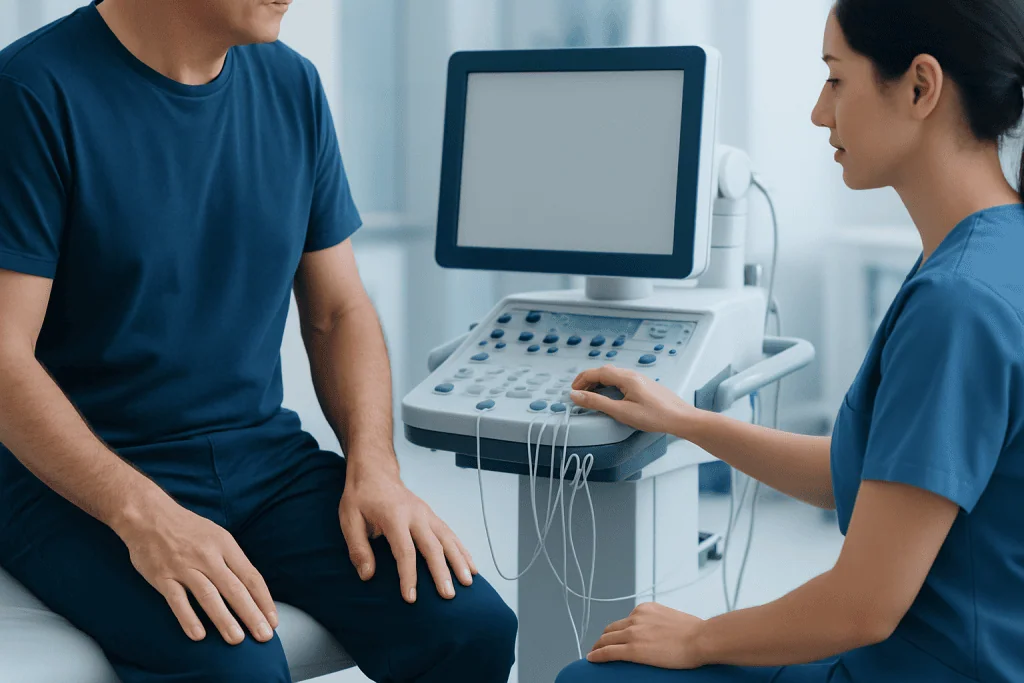
The most common symptoms are sensory symptoms, especially burning pain in the feet, toes, lower legs, hands, or fingers. Symptoms may follow a “stocking-glove” pattern, meaning they start in the toes and feet and later involve the hands. Pain may be worse at night, after activity, during rest, or when the feet are covered by socks or bed sheets.
People may also notice tingling, pins and needles, numbness, itching, crawling sensations, stabbing pains, or unusual sensitivity to heat, cold, or light touch. Some feel discomfort even when the skin looks normal. Others have reduced ability to sense temperature, which can increase the risk of burns or injuries.
Because small nerve fibers also help control autonomic functions, symptoms may include dry eyes or dry mouth, abnormal sweating, dizziness when standing, rapid heartbeat, constipation, diarrhea, bladder changes, sexual dysfunction, or feeling full quickly after eating. Not everyone has autonomic symptoms, and their presence does not automatically mean the condition is severe, but they are important to mention during medical evaluation.
- Burning, stabbing, or electric-shock pain
- Tingling, prickling, itching, or crawling sensations
- Pain from light touch, including socks or bed sheets
- Reduced temperature sensation or numbness
- Sweating, digestion, heart rate, or blood pressure symptoms
Causes and Risk Factors

Small fiber neuropathy has many possible causes. One of the most common associations is abnormal blood sugar regulation, including diabetes and prediabetes. Long-term high blood sugar can affect blood vessels and nerve metabolism, making small nerves more vulnerable. Testing may be considered even when a person has not previously been diagnosed with diabetes.
Other possible causes include autoimmune conditions, thyroid disease, vitamin B12 deficiency, celiac disease, kidney or liver disease, infections, alcohol-related nerve injury, exposure to toxins, and certain medications. Some people have small fiber neuropathy related to inherited genetic changes that affect nerve signaling. In some cases, symptoms appear after an infection or immune trigger, although the exact mechanism may not always be clear.
Doctors also consider risk factors such as family history, nutritional patterns, previous chemotherapy or neurotoxic medications, metabolic syndrome, and other neurologic or rheumatologic symptoms. Sometimes, no clear cause is found after a complete evaluation; this is called idiopathic small fiber neuropathy. Even then, treatment can still focus on symptom relief and maintaining function.
A thorough medication and supplement review is important because some substances can worsen neuropathy or interact with pain medicines. Patients should not stop prescribed treatments on their own, but they should bring a complete list of medications, supplements, and past exposures to their doctor.
Diagnosis and Testing
Diagnosis begins with a careful history and neurologic examination. The doctor asks about the type of pain, where it occurs, what makes it better or worse, whether symptoms are spreading, and whether autonomic symptoms are present. The examination may include testing pinprick, temperature, vibration, reflexes, strength, balance, and skin changes.
Standard nerve conduction studies and electromyography are often used to evaluate neuropathy, but they mainly assess large nerve fibers. In small fiber neuropathy, these tests may be normal. A normal nerve conduction test does not rule out small fiber neuropathy, but it can help exclude other conditions such as large fiber neuropathy, radiculopathy, or nerve entrapment.
One commonly used objective test is a skin biopsy that measures intraepidermal nerve fiber density. A small sample of skin, often from the lower leg and sometimes the thigh, is examined to see whether small nerve fibers are reduced. Other tests may evaluate autonomic function, such as sweating responses, heart rate and blood pressure changes, or specialized sensory testing, depending on symptoms and available facilities.
Blood tests are often ordered to look for underlying causes. These may include tests for blood sugar control, vitamin levels, thyroid function, autoimmune markers, inflammatory conditions, kidney and liver function, infections, and sometimes genetic or immune studies. The exact testing plan depends on the person’s age, symptoms, medical history, and examination findings.
Treatment Options
Treatment has two main goals: addressing the underlying cause when possible and improving symptoms such as pain, sleep disruption, and reduced daily function. If diabetes or prediabetes is involved, blood sugar management, weight and nutrition support, and treatment of cardiovascular risk factors may be part of the plan. If vitamin deficiency, thyroid disease, autoimmune disease, infection, or medication-related injury is suspected, treatment targets that specific issue.
Neuropathic pain is different from ordinary muscle or joint pain, so standard pain relievers may not be enough. Doctors may recommend prescription medications that calm nerve pain signals, such as certain anticonvulsants, antidepressants used for pain modulation, or topical treatments. The choice depends on symptoms, other medical conditions, side effects, age, sleep pattern, and possible drug interactions.
Non-medicine strategies can also help. These may include gentle exercise, physical therapy, balance training, sleep improvement, stress reduction, foot care, and avoiding extreme heat or cold. Some people benefit from desensitization techniques, supportive footwear, or occupational therapy strategies to reduce symptom triggers during work and daily activities.
When pain is difficult to control, a multidisciplinary approach may be useful. Neurologists, pain medicine specialists, endocrinologists, rheumatologists, rehabilitation physicians, psychologists, and dietitians may work together depending on the cause and impact of symptoms. Patients should discuss all therapies, including supplements and complementary approaches, with a qualified doctor to avoid unsafe combinations or unrealistic expectations.
Prevention and Self-Care
Not every case of small fiber neuropathy can be prevented, but supporting nerve health can reduce risk and help limit complications. Good blood sugar control, regular medical follow-up, balanced nutrition, avoiding excess alcohol, and treating vitamin or thyroid problems can be important. Patients with diabetes or prediabetes may benefit from individualized guidance on diet, activity, and metabolic health.
Daily foot and skin care is especially important when sensation is reduced. People should check their feet for cuts, blisters, redness, or burns, and they should use well-fitting shoes. Bath water should be tested carefully to avoid burns, because temperature sensation may be impaired. Moisturizing dry skin and treating minor wounds promptly may reduce irritation and infection risk.
Regular, gentle activity can support circulation, balance, mood, and sleep. Low-impact options such as walking, swimming, stationary cycling, stretching, or supervised strengthening may be appropriate, depending on the person’s fitness and medical status. Activity should be increased gradually, because overexertion may temporarily worsen symptoms in some people.
- Keep follow-up appointments for diabetes, thyroid, autoimmune, or vitamin-related conditions.
- Use comfortable footwear and inspect feet daily if sensation is reduced.
- Avoid prolonged exposure to heat, cold, and irritating fabrics when these trigger symptoms.
- Prioritize sleep, hydration, and stress management as part of pain control.
- Ask a clinician before using supplements, herbal products, or new pain medicines.
When to See a Doctor
A doctor should evaluate persistent burning, tingling, numbness, or electric-shock sensations, especially when symptoms begin in the feet or hands and interfere with sleep or daily activities. Early assessment can help identify treatable causes such as diabetes, vitamin deficiency, thyroid disease, autoimmune conditions, or medication-related effects.
Prompt medical care is recommended if symptoms progress quickly, are one-sided, follow an injury, include weakness, cause falls, or occur with changes in bladder or bowel control. Dizziness on standing, fainting, severe digestive changes, unexplained weight loss, fever, or new severe pain should also be discussed with a clinician. These symptoms may need additional evaluation to rule out other neurologic or systemic conditions.
People already diagnosed with small fiber neuropathy should seek follow-up if pain is no longer controlled, side effects occur, new autonomic symptoms develop, or numbness increases. Treatment plans often need adjustment over time, and the safest approach is individualized medical care.
Acibadem International’s multidisciplinary specialists and JCI-accredited hospitals evaluate and treat neurologic conditions, including small fiber neuropathy, for international patients. A coordinated assessment can help clarify the diagnosis, identify underlying causes, and guide appropriate treatment options.
Frequently asked questions
What does small fiber neuropathy feel like?
Small fiber neuropathy often feels like burning, tingling, stabbing, itching, or electric-shock pain. It commonly starts in the feet and may be worse at night or with light touch, such as socks or bed sheets. Some people also have numbness or reduced temperature sensation.
Can nerve conduction studies be normal in small fiber neuropathy?
Yes. Standard nerve conduction studies mainly test large nerve fibers, while small fiber neuropathy affects tiny pain, temperature, and autonomic fibers. A normal result does not rule out small fiber neuropathy, so doctors may recommend skin biopsy or autonomic testing when symptoms fit.
Is small fiber neuropathy curable?
Whether it can improve depends on the cause. If a treatable condition such as vitamin deficiency, thyroid disease, medication effect, or abnormal blood sugar is identified, treating that cause may reduce symptoms or slow progression. When no cause is found, treatment still aims to control pain and preserve function.
What is the skin biopsy test for small fiber neuropathy?
A skin biopsy is a minor procedure that removes a very small sample of skin, usually from the lower leg and sometimes another site. The sample is examined to measure the density of small nerve fibers in the skin. Reduced nerve fiber density can support the diagnosis when symptoms and examination are consistent.
What treatments help burning feet from small fiber neuropathy?
Treatment may include managing the underlying cause, prescription medicines for neuropathic pain, topical therapies, sleep support, physical therapy, and foot protection. The best option depends on the person’s symptoms, medical conditions, and medication tolerance. A doctor can help balance pain relief with safety and side effects.
Can lifestyle changes help small fiber neuropathy?
Lifestyle changes can be helpful, especially when blood sugar, weight, nutrition, alcohol use, or activity level contribute to nerve irritation. Gentle exercise, balanced nutrition, good sleep, foot care, and avoiding symptom triggers may improve comfort and safety. Lifestyle care works best alongside medical evaluation and treatment of any underlying condition.
References
- National Institute of Neurological Disorders and Stroke
- American Academy of Neurology
- European Federation of Neurological Societies
- Mayo Clinic
- National Institute of Diabetes and Digestive and Kidney Diseases
This article is for general information only and is not a substitute for professional medical advice. Please consult a qualified doctor about your individual situation.
Heart care in Turkey — expert evaluation and treatment
JCI-accredited · board-certified surgeons · reply within 24h
Check your numbers in seconds
BMI, calories, due date, blood pressure and 30+ more clinical calculators — free, instant, doctor-reviewed ranges.