Cardiology
Cardiology focuses on diagnosis, treatment, and prevention of heart and vascular diseases, including rhythm disorders, valve problems, and coronary artery disease.

Quick answer
Cardiology is the medical specialty that diagnoses, treats and prevents diseases of the heart and blood vessels. A cardiologist evaluates symptoms such as chest pain, breathlessness and palpitations, interprets tests such as the ECG and echocardiogram, and treats conditions including coronary artery disease, rhythm disorders, valve disease and heart failure with medication, catheter-based procedures or, where needed, referral for surgery.
Understanding Cardiology When a Heart Decision Feels Urgent
Cardiology is the medical specialty that diagnoses, treats and prevents diseases of the heart and blood vessels. A cardiologist is the physician trained to lead that work: investigating symptoms, interpreting tests, prescribing treatment and judging when a procedure or an operation is genuinely needed. Cardiology care serves three broad groups of people — those with symptoms, those with an abnormal test result, and those with risk factors who want to act before symptoms appear.
Heart symptoms can be frightening because they often feel unpredictable. Chest pressure, shortness of breath, palpitations, fainting, swelling in the legs or an unexpected finding on a routine test all raise the same immediate questions. Is this serious? Do I need medication, a procedure or surgery? Can I travel safely? What happens if I wait? A cardiologist’s job is to answer those questions with precision rather than with reassurance alone.
The conditions involved cover a wide range: coronary artery disease, heart rhythm disorders, valve disease, heart failure, high blood pressure, congenital heart conditions, and vascular problems that influence circulation throughout the body. Some of these are managed quietly for decades. Others demand a decision within days. Most sit somewhere in between, which is exactly where careful evaluation earns its keep.
Choosing where to receive cardiology care is not only a medical decision. It is also a decision about trust, communication, timing and coordination. Many patients seek a second opinion because they have been told they may need a stent, a valve procedure, a pacemaker, an ablation or heart surgery. Others want a comprehensive evaluation after years of hypertension, diabetes, high cholesterol or a family history of heart disease. Some are looking for preventive assessment before anything has gone wrong.
Modern cardiology can often identify heart disease earlier, treat it less invasively and reduce the risk of serious events when care is timely and individualised. At the same time, the correct treatment depends on the details: the type of heart problem, its severity, your overall health, your current medications, prior procedures and your own goals. A careful diagnostic pathway is the foundation of good care — and it is worth understanding before you commit to any treatment anywhere.
What Is a Cardiologist?
A cardiologist is a doctor who specialises in the heart and circulation. The training is long by design: a medical degree, several years of internal medicine, then further dedicated years in cardiology, after which many physicians narrow their focus again to a single area such as intervention, heart rhythm, imaging or heart failure. A cardiologist does not perform open-heart surgery. Operations such as coronary bypass or surgical valve replacement are carried out by cardiovascular surgeons — usually after a cardiologist has made the diagnosis, treated what can be treated without an operation, and helped establish that surgery is the right option rather than the reflexive one.
What does the cardiologist do?
A cardiologist evaluates symptoms, orders and interprets heart tests, treats cardiovascular disease with medication and catheter-based procedures, and manages long-term risk. In practice that means taking detailed medical histories, examining patients, reading electrocardiograms and echocardiograms, adjusting treatment for blood pressure, cholesterol, rhythm problems and heart failure, performing or supervising catheter procedures, and reviewing results with patients so that decisions are shared rather than imposed. The role also includes prevention: assessing risk in people who feel entirely well, and following patients over years so that a slowly progressing condition is treated at the right moment rather than too late.
Equally important is what a cardiologist decides not to do. Not every narrowed artery needs a stent, not every palpitation needs a procedure, and not every murmur needs an operation. Part of the specialist’s value is protecting patients from treatment they do not need — and being explicit about the uncertainty when the evidence does not point one way.
Is a heart specialist the same as a cardiologist?
A heart specialist is the everyday name for a cardiologist — the two terms describe the same physician. The distinction worth knowing sits elsewhere. A cardiologist diagnoses and treats heart disease with medication, monitoring and catheter-based techniques; a cardiac surgeon operates. Many patients with significant heart disease will meet both, in that order: the cardiologist establishes what is wrong and what the options are, and the surgeon becomes involved when an operation is one of those options. In well-organised hospitals the two work as one team, because the honest comparison between a catheter procedure and surgery requires both perspectives at the same table.
What do names such as cardiovascular associates mean?
Cardiovascular associates is a common name for a group practice of cardiologists working together, particularly in the United States. Elsewhere in the world the same kind of service may be called a heart centre, a cardiology department, a cardiovascular institute or a heart clinic. The name itself tells you very little. What matters is the training of the individual physicians, the range of subspecialties represented under one roof, and whether complex cases are discussed between specialists rather than decided by one person alone.
What Is Cardiology?
Cardiology is the field of medicine that evaluates and treats the cardiovascular system: the heart muscle, the heart valves, the coronary arteries, the electrical conduction system and the major blood vessels. It covers both prevention and active treatment. Cardiology is not one single treatment. It is a structured medical process that may include diagnostic testing, lifestyle and risk-factor management, medication, minimally invasive catheter-based procedures, rhythm treatments, device implantation, rehabilitation and, when needed, collaboration with cardiovascular surgeons and other specialists.
How do you spell cardiology?
Cardiology is spelt c-a-r-d-i-o-l-o-g-y. The word combines the Greek kardia, meaning heart, with -logia, meaning study. The related adjective is cardiac — as in cardiac imaging, cardiac catheterisation or cardiac rehabilitation — and the physician who practises the specialty is a cardiologist. Hospital departments usually carry the noun, which is why signs read “cardiology department” rather than “heart department” in most of the world.
What is interventional cardiology?
Interventional cardiology is the branch of cardiology that treats heart disease through thin catheters inserted via the wrist or groin, rather than through open surgery. Its best-known procedures are coronary angioplasty and stenting, in which a narrowed artery is opened from the inside; the same catheter-based approach is used for selected valve and structural heart procedures. For suitable patients this means smaller punctures, shorter hospital stays and quicker return to activity than an operation. It is not automatically the better choice, however — anatomy, disease severity and overall risk decide between medication, a catheter procedure and surgery, and an honest programme will tell you when each applies. The interventional cardiology page describes these procedures in more detail.
What is invasive cardiology?
Invasive cardiology is the umbrella term for any cardiac procedure that enters the body, including diagnostic cardiac catheterisation, coronary angiography, pressure measurements inside the arteries and treatment procedures such as angioplasty. It stands in contrast to non-invasive cardiology, which covers tests performed from outside the body: the electrocardiogram, the echocardiogram, stress testing, CT and MRI. Interventional cardiology is the treatment arm within invasive cardiology; a purely diagnostic angiogram is invasive but not interventional. The distinction matters when you are weighing what a recommended test actually involves, and the invasive cardiology page explains where catheter-based diagnosis fits into the pathway.
Which areas do cardiologists subspecialise in?
Cardiologists divide their field into focused areas because no single physician can master all of it. Preventive cardiology concentrates on risk reduction for people with high cholesterol, hypertension, diabetes, obesity, a smoking history or a strong family history. Interventional cardiology treats narrowed or blocked arteries with catheters. Electrophysiology focuses on the heart’s electrical system — atrial fibrillation, slow rhythms and dangerous ventricular arrhythmias. Heart failure specialists manage weakened or stiff heart muscle. Structural heart and valve teams evaluate narrowed or leaking valves and select repair or replacement strategies. Congenital and fetal cardiology deal with heart conditions present from birth or detected before it. Imaging specialists concentrate on echocardiography, cardiac CT and MRI, and rehabilitation teams rebuild capacity after treatment.
The goal across every subspecialty is the same: to understand how the heart condition affects the whole person — daily activity, travel plans, work, sleep, exercise tolerance, medication burden and long-term risk — not simply to treat a test result. That is why cardiology so often works as a multidisciplinary team, especially for complex coronary artery disease, valve disease, congenital conditions, rhythm disorders and heart failure.
Who May Need to See a Cardiologist
You may need cardiology assessment if you have symptoms that could relate to the heart or circulation, if previous testing has shown an abnormal result, or if you carry risk factors that raise the likelihood of cardiovascular disease. Some patients are referred after an emergency admission. Others come for planned evaluation because they want clarity before agreeing to a procedure, or because they are monitoring a known condition over time.
Common symptoms that lead patients to cardiology include chest pain or pressure, shortness of breath during activity or while lying down, a rapid or irregular heartbeat, dizziness, fainting, unexplained fatigue, swelling of the ankles or legs, leg pain while walking, reduced exercise capacity, or discomfort radiating to the jaw, shoulder, back or arm. Presentations can be subtle, especially in women, older adults and people with diabetes, where fatigue or breathlessness may stand in for the classic chest pain. Some patients have no symptoms at all but show abnormal findings on an electrocardiogram, echocardiogram, blood test or coronary calcium scan.
What are 8 signs you should see a cardiologist?
Eight findings commonly prompt a cardiology referral:
- Chest pain, pressure or tightness, particularly when it appears with exertion
- Shortness of breath that is new, worsening, or occurs when lying flat
- Palpitations — a racing, pounding or irregular heartbeat
- Fainting or near-fainting episodes
- Swelling of the ankles or legs, especially with recent weight gain
- A clear decline in exercise tolerance or unexplained fatigue
- An abnormal test result: ECG changes, a murmur, raised blood pressure or high cholesterol
- A strong family history of early heart disease, or diabetes with additional risk factors
None of these proves heart disease on its own; each of them is a reason to look properly. The purpose of assessment is as often to rule the heart out as to rule it in, and a normal result after a thorough work-up has real value of its own.
What are four signs your heart is in trouble?
Cardiologists take four patterns particularly seriously: pressure-like chest discomfort brought on by physical effort and eased by rest, breathlessness out of proportion to activity or occurring when lying flat, fainting without warning, and new swelling of the legs accompanied by rapid weight gain over days. Each of these can also have a non-cardiac explanation — lung disease, anaemia, thyroid problems and anxiety can all mimic heart symptoms — which is precisely why testing, not guesswork, is how the distinction gets made.
Conditions Cardiology Diagnoses and Treats
Cardiology covers a broad range of heart and vascular conditions. Some are chronic and managed over years; others require rapid diagnosis and timely intervention. The treatment plan is shaped by the specific condition, its severity and the patient’s overall risk profile.
Coronary artery disease occurs when the arteries supplying the heart muscle become narrowed or blocked by plaque. It may cause angina, breathlessness, abnormal stress test findings or a heart attack. Treatment may include medication, risk-factor control, angioplasty and stenting, or surgical consultation for bypass in selected patients — and the choice between these depends on symptoms, anatomy and how significantly blood flow is restricted, not on the presence of plaque alone.
Heart rhythm disorders include atrial fibrillation, atrial flutter, supraventricular tachycardia, slow rhythms and ventricular arrhythmias. They may cause palpitations, dizziness, fatigue or fainting, and some raise the risk of stroke even when symptoms are mild. Depending on the rhythm and the risk, treatment may involve medication, anticoagulation, catheter ablation, a pacemaker or an implantable defibrillator. The heart rhythm disorders page covers these conditions and their treatment pathways.
Valve disease develops when a heart valve narrows or leaks — aortic stenosis, mitral regurgitation, aortic regurgitation and mitral stenosis are the common examples. Symptoms may include breathlessness, chest discomfort, fatigue, fainting or swelling, though valve disease can also progress silently for years. Management ranges from structured monitoring, through medication for symptom control, to catheter-based valve procedures or surgical repair or replacement; timing is often the hardest and most important decision, as explained on the heart valve diseases page.
Heart failure means the heart cannot pump or fill efficiently enough to meet the body’s needs. It may develop after coronary disease, long-standing high blood pressure, valve disease, rhythm disorders or cardiomyopathy. Treatment combines medication, device therapy where indicated, rhythm management, lifestyle change and careful follow-up — a long-term partnership rather than a single fix, described in detail on the heart failure page.
Hypertension and preventive care are central to long-term cardiovascular health. High blood pressure, high cholesterol, diabetes, smoking, obesity and family history raise the risk of heart attack, stroke, kidney disease and vascular disease. Prevention aims at measurable risk reduction through evidence-based medication, nutrition, exercise, weight management and monitoring — unglamorous work that changes more outcomes than any single procedure.
Vascular and circulation problems include peripheral artery disease, carotid artery disease, aortic aneurysm, venous thromboembolism and circulatory complications of diabetes and smoking. These conditions often require collaboration between cardiology, cardiovascular surgery, interventional radiology, neurology, endocrinology and rehabilitation teams.
Congenital heart conditions — structural problems present from birth — are increasingly managed into adulthood, and fetal cardiology can identify some of them before delivery so that care is planned rather than improvised. Adults who were treated for a congenital condition in childhood benefit from lifelong specialist follow-up, because repaired is not the same as forgotten.
How a Cardiologist Reaches a Diagnosis
Diagnosis begins with a detailed medical history and physical examination, not with machines. The physician asks about symptoms, timing, triggers, family history, medications, previous test results and other conditions such as diabetes, kidney disease, thyroid disease, sleep apnoea or prior stroke. Blood pressure, pulse, oxygen level, heart sounds, lung sounds and signs of fluid retention are checked. Testing is then selected to answer a specific clinical question — is the symptom cardiac, is blood flow reduced, is the rhythm dangerous, are the valves working, is the muscle weak or scarred — rather than ordered as a blanket screen.
What is a cardiology echo?
A cardiology echo — an echocardiogram — is an ultrasound scan of the heart. A probe on the chest produces moving images that show how strongly the heart muscle contracts, how the valves open and close, the size of the chambers and estimates of the pressures inside them. It uses no radiation and is usually completed in under an hour. When more detail is needed, a transoesophageal echo passes a small probe down the food pipe under sedation to view the heart from behind, and a stress echo records the same images during exercise or medication-induced stress to reveal problems that appear only under load.
Alongside the echo, the electrocardiogram (ECG) records the heart’s electrical activity and can identify rhythm abnormalities or evidence of prior damage in a few minutes. Stress testing assesses how the heart responds to exertion. Ambulatory rhythm monitoring — a Holter monitor worn for a day or two, or longer-term event recorders — catches intermittent palpitations and unexplained fainting that a single ECG would miss. Blood tests assess cholesterol, cardiac markers, kidney function and thyroid status.
Advanced imaging is added when the question demands it. Coronary CT angiography visualises the coronary arteries and plaque without a catheter. Cardiac MRI characterises the heart muscle itself — scarring, inflammation and certain structural or congenital conditions. Nuclear imaging maps blood flow to the muscle. Invasive coronary angiography, performed through a catheter, is reserved for situations where symptoms or tests suggest significant coronary disease, or where treatment may be delivered in the same session. Each technology answers a different question; good cardiology lies in choosing the right one, in the right order, and stopping when the question is answered.
From Evaluation to Treatment: How Cardiology Care Is Performed
Cardiology care moves in stages. The sequence may be compressed into days for acute symptoms, or spread over months for preventive evaluation and chronic disease management. A structured approach avoids unnecessary testing while making sure nothing important is missed.
Preparation and Initial Review
Before a consultation, the team reviews existing medical records: imaging, laboratory results, the medication list, allergies, prior procedures and current symptoms. Existing reports and digital imaging are usually reviewed in advance, which helps determine whether the visit needs an outpatient consultation, same-day testing, hospital admission or a more specialised pathway. Useful documents include previous ECGs, echocardiogram reports, angiography images, CT or MRI scans, blood results, discharge summaries and a complete medication list with doses. Blood thinners, diabetes medication and rhythm medication receive particular attention before any procedure — decisions about adjusting them belong to the treating doctor, made with the full picture in view.
Treatment Planning and the Heart Team
After testing, the cardiologist explains the findings and sets out the options. In complex cases a multidisciplinary heart team reviews the case: interventional cardiologists, electrophysiologists, cardiovascular surgeons, imaging specialists, anaesthesia and intensive care physicians, and rehabilitation professionals. This collaborative review matters most when more than one option is reasonable — medication versus stenting, a catheter-based valve procedure versus surgery, ablation versus long-term rhythm medication. Recommendations draw on international evidence-based guidelines from bodies such as the American College of Cardiology and the European Society of Cardiology, applied to your specific anatomy, risk and preferences. Lifestyle care sits inside the plan, not beside it: nutrition, physical activity, sleep, smoking cessation, blood pressure control, diabetes management and cholesterol reduction often determine how durable any result proves to be.
Medical Treatment
Many heart conditions are treated primarily with medication. The main classes include blood pressure medications, cholesterol-lowering therapy, antiplatelet agents, blood thinners, medications that control heart rate or rhythm, diuretics that reduce fluid overload, and heart failure therapies that support pump function and reduce the risk of hospitalisation. A good medication plan is reviewed for interactions, kidney function, bleeding risk, travel considerations and long-term monitoring needs — and revisited as circumstances change, rather than set once and forgotten.
Interventional and Electrophysiology Procedures
When a procedure is needed, many treatments are performed through small punctures in the wrist, groin or chest rather than through large incisions. In coronary angioplasty and stenting, a catheter is guided to the narrowed artery, a balloon opens the blockage and a stent is usually placed to keep the vessel open. In an electrophysiology study and ablation, catheters map the heart’s electrical signals and targeted energy treats the abnormal pathway or source. Pacemakers and implantable defibrillators are placed under the skin and connected to the heart to regulate slow rhythms or treat dangerous rhythm events. For valve and structural disease, selected patients are candidates for catheter-based procedures while others gain more from surgical repair or replacement; the decision rests on anatomy, age, surgical risk, valve type, heart function and long-term durability. Advanced imaging plans these procedures in detail before anyone enters the catheterisation laboratory, which is where much of the safety margin is built.
How long does cardiology treatment take?
It varies widely with the diagnosis. A consultation with basic testing can be completed in a day, while advanced imaging or rhythm monitoring adds time. Some catheter-based diagnostic procedures are day cases or involve a short hospital stay; more complex interventions, device implantation, valve procedures or unstable symptoms require inpatient care and observation. It helps to allow enough time for evaluation, treatment, early recovery and a follow-up check — building that margin into the plan at the start is far easier than improvising it later.
Recovery and Follow-Up
Recovery depends on the diagnosis and the treatment given. After medication changes, follow-up tracks symptom response, side effects, blood pressure, pulse, kidney function and laboratory values. After catheter-based procedures, monitoring covers the puncture site, rhythm, kidney function and symptoms. After device implantation, wound care and device checks matter. After major cardiac surgery, recovery is longer and involves respiratory exercises, gradual activity progression and coordinated follow-up. Cardiac rehabilitation is frequently recommended after a heart attack, stenting, bypass surgery, valve treatment or a heart failure admission: a structured programme of supervised exercise, education, medication review and risk-factor management. For many patients, rehabilitation is where confidence returns, because activity is rebuilt in a monitored, stepwise way rather than left to trial and error at home.
Prevention: The Part of Cardiology You Influence Most
Much of cardiology’s long-term benefit comes from unremarkable daily choices sustained over years: not smoking, regular physical activity, a sensible weight, controlled blood pressure, managed cholesterol and diabetes, and adequate sleep. None of this replaces medical treatment when treatment is needed, but it changes the trajectory of cardiovascular disease more reliably than any single intervention.
What are three foods cardiologists say not to eat?
The three foods cardiologists most consistently advise limiting are processed meats, foods high in trans fats — including many deep-fried items and packaged snacks — and sugar-sweetened drinks. High-salt processed foods earn frequent mention too. The honest framing matters: no single food damages a heart, and no single food protects one. What shapes cardiovascular risk is the overall pattern of eating over years, alongside activity, smoking status, blood pressure and blood sugar. Dietary advice in a cardiology clinic is therefore specific to the person — someone with heart failure watching fluid and salt has different priorities from someone lowering cholesterol.
Why Acting Early Matters
Heart and vascular diseases often progress quietly before symptoms become obvious. High blood pressure can strain the heart, kidneys and arteries for years without announcing itself. Coronary plaque may enlarge or become unstable. Valve disease can gradually enlarge the heart chambers. Rhythm disorders such as atrial fibrillation may raise stroke risk even when symptoms are mild. Heart failure can worsen if its underlying cause goes unidentified.
Delaying evaluation can narrow the options. A valve that could have been treated before heart muscle damage developed may present a more complex problem later. Intermittent chest discomfort may represent unstable coronary disease. Fainting may signal a significant rhythm disorder or severe valve narrowing. Breathlessness may stem from heart failure, lung disease, anaemia or a combination of conditions that deserve prompt distinction.
Early assessment does not mean every patient ends up with an invasive procedure. In many cases, acting early means better risk stratification, a more accurate diagnosis, optimised medication and a clear follow-up plan. It can equally prevent unnecessary procedures by showing that symptoms are not caused by a dangerous heart condition. The value of timely cardiology is clarity: knowing what is happening, how serious it is, and what should be done next.
Benefits of Cardiology Care
Comprehensive cardiology care helps you understand your condition, reduce risk, relieve symptoms and choose the treatment path that genuinely fits your situation.
| Benefit | What It Means for You |
|---|---|
| Accurate diagnosis | Testing is selected to identify the cause of symptoms and distinguish cardiac problems from other conditions that can feel similar. |
| Personalised treatment planning | Your care plan reflects your diagnosis, anatomy, risk factors, medications, daily routine and long-term health goals. |
| Symptom relief | Treatment may improve chest discomfort, breathlessness, palpitations, swelling, fatigue or exercise limitation, depending on the condition. |
| Reduced future risk | Managing blood pressure, cholesterol, rhythm disorders, diabetes and coronary disease can lower the likelihood of serious cardiovascular events. |
| Access to less invasive options when appropriate | Many coronary, rhythm and selected valve problems can be treated with catheter-based or device-based procedures after careful evaluation. |
| Coordinated follow-up | Ongoing monitoring helps adjust medications, track recovery, evaluate treatment response and support the return to daily life. |
Recovery Timeline After Cardiology Evaluation or Treatment
Recovery varies by condition and treatment type, but the following timeline describes what many patients can generally expect after cardiology assessment or common procedures.
| Time Period | What Patients Can Expect |
|---|---|
| Day 1 | Consultation, testing, medication adjustment or observation after a procedure. After catheter-based care, the puncture site, rhythm, blood pressure and symptoms are monitored. |
| First week | Many patients return to light activity, depending on the treatment. Medication instructions, wound care if applicable and warning signs are reviewed before discharge. |
| First month | Follow-up may include symptom review, blood tests, ECG, echocardiography, a device check or medication optimisation. Cardiac rehabilitation may begin for selected patients. |
| Longer term | Long-term success depends on risk-factor control, adherence to medication, exercise, nutrition, smoking cessation and periodic monitoring for recurrence or progression. |
What Influences Outcomes and a Good Result
Outcomes in cardiology depend on several factors, and they vary by diagnosis. A patient with early hypertension has different needs from a patient with advanced valve disease or complex coronary artery disease. A good result is not defined only by a technically successful procedure; it includes accurate diagnosis, appropriate selection of treatment, safe recovery, symptom improvement and durable risk reduction.
The severity and duration of disease matter. Conditions treated before significant heart muscle damage, kidney strain or vascular complications usually allow more options. Diabetes, chronic kidney disease, lung disease, obesity, anaemia, prior stroke or previous heart procedures all influence treatment choices and recovery. Age is one factor, but functional status, frailty, anatomy and patient preference count just as much.
Diagnostic quality is another major factor. High-quality imaging and carefully interpreted tests help physicians avoid both undertreatment and overtreatment. Not every narrowed coronary artery requires a stent; the decision may depend on symptoms, the flow significance of the narrowing, plaque characteristics and overall risk. Not every rhythm disorder requires ablation; some respond well to medication and risk-factor management. Not every valve condition requires immediate intervention; timing is guided by symptoms, valve severity, chamber size, heart function and procedural risk.
Medication adherence and lifestyle choices strongly influence long-term results. Blood pressure control, cholesterol reduction, diabetes management, weight control, regular activity, sleep quality and not smoking can change the course of cardiovascular disease. Even after technically successful stenting, ablation or valve treatment, ongoing prevention remains essential — the procedure treats the problem it targets, not the disease process behind it.
Communication also affects outcomes. You need to understand your diagnosis, the reason for each medication, the restrictions after any procedure, how follow-up will be arranged, and which records should reach your own physician. Clear discharge planning is a medical safety issue, not an administrative afterthought.
How Acibadem Organises Cardiology Care
Heart care can involve several decisions in a short period, and patients need those decisions organised into a coherent pathway — from the first review of existing records through diagnosis, treatment, early recovery and a plan for ongoing follow-up. At Acibadem, cardiology care is delivered through the cardiology department, where physicians from different subspecialties work alongside cardiovascular surgeons, radiologists, anaesthesia and intensive care teams, endocrinologists, neurologists, nephrologists and rehabilitation specialists. Complex cases are discussed by heart teams so that the plan reflects more than one expert perspective and aligns with international evidence-based protocols.
Diagnostic and procedural technology supports that decision-making: high-resolution echocardiography, stress imaging, coronary CT, cardiac MRI, digital catheterisation systems, intravascular assessment tools, electrophysiology mapping systems and modern monitoring platforms. The purpose of the technology is not to add complexity. It is to clarify anatomy and physiology, guide treatment precisely, monitor safety and help physicians choose the least invasive effective approach when one exists.
Care coordination covers appointment scheduling, medical record transfer, admission processes and communication between the clinical teams — the practical layer that lets patients and families stay focused on the medical decisions themselves. Second opinions follow the same evidence standard: previous angiography, echocardiography, CT, MRI and rhythm recordings are reviewed alongside their reports, and the resulting assessment may confirm the original recommendation, suggest additional testing, or set out an alternative pathway. A patient may arrive expecting one procedure and, after comprehensive evaluation, leave with optimised medication, a different procedure, or no intervention at all — because the value of a thorough cardiology programme is matching the treatment to the true cause of the problem.
Deciding on the Next Step
If you are living with heart symptoms, a cardiovascular diagnosis or a recommendation for a cardiac procedure, the most useful next step depends on your symptoms, your test results, your medical history and how urgent the situation is. For some people the right move is a comprehensive evaluation that has never been done properly. For others it is an independent review of a treatment recommendation — stenting, bypass, ablation, a pacemaker, valve surgery or long-term medication — before committing to it. Recent records, imaging, a medication list and a short symptom summary are what make any such review meaningful; without them, an opinion is only a guess.
Heart care works best when it is timely, precise and tailored to the individual. With careful diagnosis, evidence-based treatment and coordinated follow-up, many patients reduce their risk, improve their symptoms and return to daily life with a far clearer understanding of their cardiovascular health — which is, in the end, what a cardiologist is for.
Preparation
- Bring previous medical records, test results, medication lists, and details of any symptoms such as chest pain, shortness of breath, or palpitations. Depending on the planned evaluation, fasting may be requested for blood tests or certain imaging procedures. Your cardiologist may advise whether to continue or pause specific medications before the visit.
Aftercare
- After the cardiology evaluation, your doctor will explain test results and recommend lifestyle changes, medication, monitoring, or further procedures if needed. Follow prescribed treatment plans carefully and attend scheduled follow-up appointments. Seek urgent medical care for severe chest pain, fainting, sudden shortness of breath, or stroke-like symptoms.
Turkey vs UK, Germany & USA
Cardiology costs and patient experience vary according to the type of heart condition, the diagnostic workup, and the treatment pathway recommended by a specialist. International patients often compare destinations based on hospital quality, access times, package content, and travel support.
The comparison below highlights practical factors that may influence the overall cost and experience of cardiology care abroad.
| Factor | Turkey | UK | Germany | USA |
|---|---|---|---|---|
| Price drivers | Private hospital pricing, cardiologist and cardiac surgeon expertise, diagnostic tests, catheter laboratory use, implants, and hospital stay affect the quote. | Private care costs depend on consultant fees, hospital charges, diagnostics, and whether urgent access is needed. | Costs vary by hospital type, specialist team, imaging, interventional cardiology, surgical care, and inpatient needs. | Costs are strongly influenced by facility fees, physician billing, diagnostics, emergency status, implants, and insurance arrangements. |
| Hospital and specialist factors | International departments may coordinate cardiology, interventional cardiology, cardiac surgery, imaging, and follow-up planning in the same pathway. | Care may be delivered through private hospitals or specialist cardiac units, with separate appointments and billing processes. | University and private hospitals may offer advanced diagnostics and cardiac procedures, usually with structured referral pathways. | Large cardiac centers may offer broad subspecialty access, with complex billing and insurer coordination often required. |
| Accreditation and quality | International patients may choose JCI-accredited hospitals with multilingual support and standardized safety processes. | Quality is overseen through national regulation and hospital governance, with private sector standards varying by provider. | Quality systems are supported by national regulation, specialty standards, and institutional accreditation processes. | Quality oversight may include national accreditation bodies, hospital networks, and specialty program standards. |
| Typical waiting times | Private cardiology appointments, diagnostic testing, and procedure planning may be arranged with shorter lead times depending on case urgency and availability. | Public pathways may involve waiting, while private care can offer faster access depending on consultant and facility availability. | Access can be efficient in private or specialist settings, though scheduling depends on diagnostics and procedure complexity. | Access can be rapid in private systems, but authorization, network rules, and scheduling may affect timing. |
| Travel and language logistics | International patient teams can assist with appointments, interpreters, airport transfers, hotel options, and medical document coordination. | English-speaking environment is convenient for many patients, while travel and accommodation are usually arranged separately. | Interpreter support may be needed, and travel planning is often handled separately unless arranged through a medical facilitator. | English-speaking care is widely available, but travel, accommodation, and administrative coordination may be more complex for overseas patients. |
| What a package may include | Packages may combine specialist consultation, planned diagnostics, procedure-related hospital services, interpreter support, transfers, and care coordination. | Private quotations may separate consultation, tests, hospital fees, procedure fees, and follow-up appointments. | Quotations may include selected diagnostics and hospital services, with implants, extended stay, or additional tests listed separately. | Quotes may be itemized across hospital, physician, anesthesia, diagnostics, devices, and follow-up services. |
What affects your final cost
- Diagnosis and severity: rhythm disorders, valve disease, coronary artery disease, heart failure, and preventive assessments require different workups.
- Required diagnostics: blood tests, electrocardiography, echocardiography, stress testing, advanced imaging, or catheter-based assessment can change the pathway.
- Treatment type: medication management, catheter intervention, device implantation, valve treatment, or surgery have different resource needs.
- Implants and materials: stents, valves, pacemakers, defibrillators, and other medical devices may influence the quote.
- Hospital stay and monitoring: intensive care, ward stay, rehabilitation, and additional monitoring can affect the total package.
- Travel services: interpreter support, transfers, accommodation, and companion arrangements may be included or quoted separately.
Compare your options
Cardiology includes diagnostic, preventive, interventional, and surgical options. Suitability is decided by a cardiologist or cardiac surgeon after reviewing symptoms, test results, medical history, and risk profile.
| Option | What it is | Typical use | Key considerations |
|---|---|---|---|
| Cardiology consultation and risk assessment | Specialist evaluation with medical history review, physical examination, and planning of needed tests. | Chest pain, palpitations, breathlessness, high blood pressure, family history, or preventive checkups. | The final plan depends on symptoms, previous records, medications, and cardiovascular risk factors. |
| Non-invasive cardiac testing | Tests such as electrocardiography, echocardiography, rhythm monitoring, stress testing, and cardiac imaging. | Diagnosis of rhythm problems, valve disease, coronary disease, heart muscle conditions, and exercise-related symptoms. | Test selection depends on clinical suspicion, patient safety, kidney function, and ability to exercise. |
| Medical management | Use of medication, lifestyle planning, monitoring, and follow-up to control cardiovascular disease. | High blood pressure, cholesterol problems, stable coronary disease, heart failure, rhythm control, and prevention. | Medication choices require specialist oversight, interaction checks, and ongoing monitoring. |
| Interventional cardiology | Catheter-based procedures performed through blood vessels, such as angiography, balloon treatment, stenting, or structural heart interventions. | Coronary artery narrowing, selected valve conditions, and some structural heart problems. | Suitability depends on anatomy, imaging findings, urgency, device needs, and overall surgical risk. |
| Electrophysiology and rhythm treatment | Specialist assessment and treatment of abnormal heart rhythms, including ablation or implantable cardiac devices when appropriate. | Atrial fibrillation, supraventricular tachycardia, slow heart rhythms, or risk of dangerous arrhythmias. | Decision-making considers rhythm type, symptoms, stroke risk, heart function, and device indications. |
| Cardiac surgery | Operations such as bypass surgery, valve repair or replacement, and selected procedures for complex heart disease. | Advanced coronary artery disease, significant valve disease, and conditions not best managed by catheter treatment. | Planning requires multidisciplinary review, anesthesia assessment, intensive care availability, and recovery planning. |
| Cardiac rehabilitation and prevention | Supervised recovery, exercise guidance, education, and risk-factor management after diagnosis or treatment. | Recovery after heart attack, stent treatment, surgery, heart failure care, or long-term prevention. | Programs should be tailored to fitness level, heart function, medications, and travel plans. |
General information only — not medical or financial advice. Final costs depend on the factors above and your individual case; request a free, personalised quote.
Frequently Asked Questions
What affects the cost of cardiology care?
The cost depends on the diagnosis, the tests required, the type of treatment, the need for implants or devices, hospital stay, intensive monitoring, and follow-up planning. A specialist review is needed before a reliable quote can be prepared.
How can I get a personalised cardiology quote from Acibadem?
You can request a free consultation by sharing your medical reports, test results, medication list, and current symptoms. The international patient team can coordinate a specialist review and provide a personalised treatment plan and quote.
Are diagnostic tests included in a cardiology package?
Some packages may include selected consultations and planned diagnostic tests, while advanced imaging, catheter-based tests, additional laboratory work, or repeat assessments may be quoted separately. The package scope should be confirmed before travel.
Will the quote change after I arrive?
It can change if new findings appear, if additional tests are needed, if the treatment plan changes, or if the hospital stay is longer than expected. The care team should explain any medically necessary changes before proceeding when possible.
Does cardiology treatment in Turkey include support for international patients?
International patient services may include appointment coordination, interpreter support, airport transfers, accommodation guidance, and assistance with medical records. Available services should be confirmed with the hospital before booking travel.
Is cardiology treatment abroad suitable for every patient?
Not always. Travel suitability and treatment choice depend on the heart condition, urgency, overall health, and risk assessment. A cardiology specialist should review the case before any travel or treatment decision is made.
Medically reviewed by the Acıbadem International Medical Board — August 30, 2026
See our medical review board →
Update history
- PublishedJune 4, 2026
- Medical review approvedAugust 30, 2026
- Last content updateAugust 30, 2026
Trusted care for international patients
Doctors Performing This Treatment

Prof. Dr. Cahide Soydaş Çınar
Cardiology
Prof. Dr. Metin Gürsürer
Cardiology
Prof. Dr. Elif Eroğlu Büyüköner
Cardiology
Prof. Dr. Ahmet Akyol
Cardiology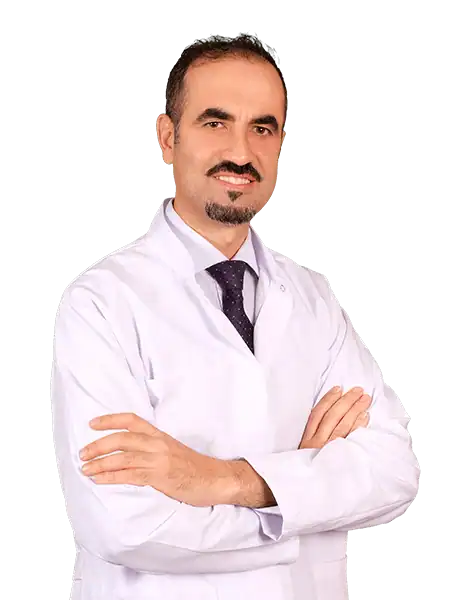
Prof. Dr. Ahmet Karabulut
Cardiology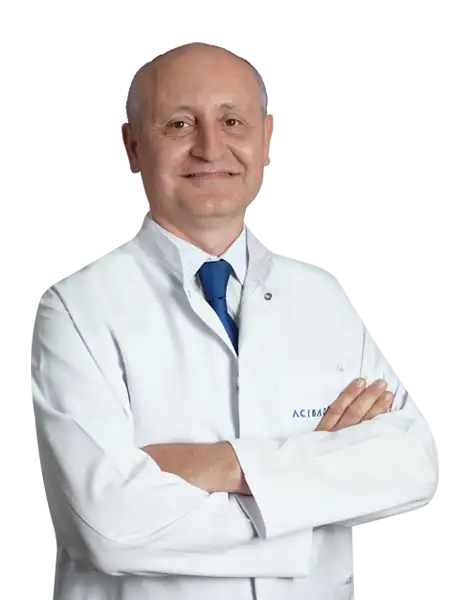
Prof. Dr. Mustafa Hakan Dinçkal
Cardiology
Prof. Dr. Sinan Dağdelen
Cardiology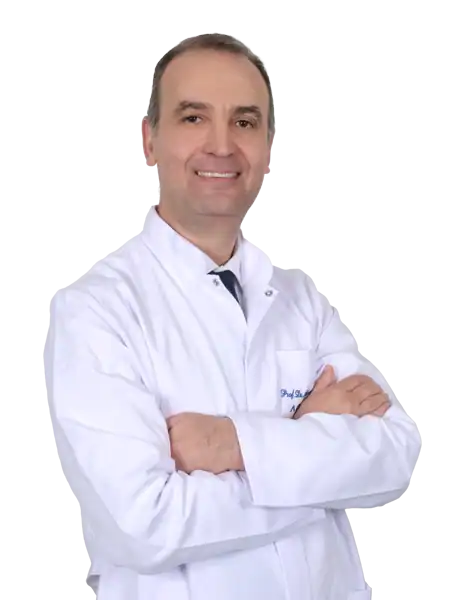
Prof. Dr. Ahmet Kaya Bilge
Cardiology
Prof. Dr. Duhan Fatih Bayrak
Cardiology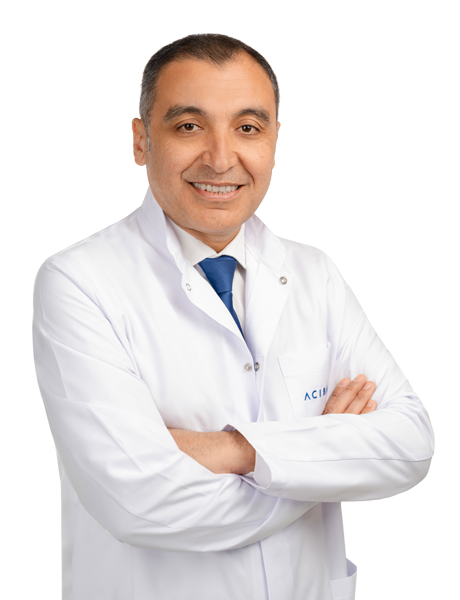
Prof. Dr. Barış Kılıçaslan
Cardiology
Prof. Dr. Aleks Değirmencioğlu
Cardiology
Prof. Dr. Alper Özkan
Cardiology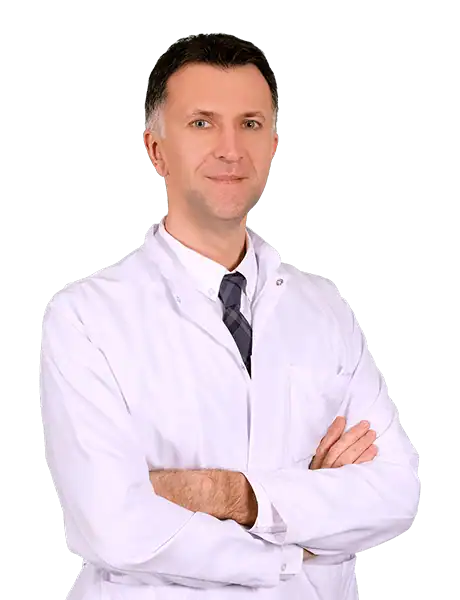
Prof. Dr. Gültekin Karakuş
Cardiology
Prof. Dr. Refik Erdim
Cardiology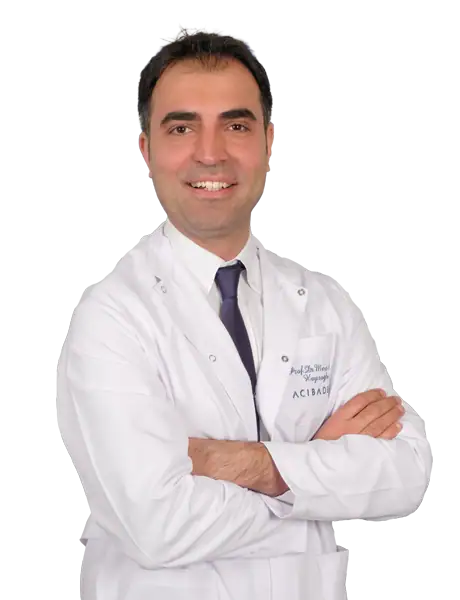
Prof. Dr. Mert İlker Hayıroğlu
Cardiology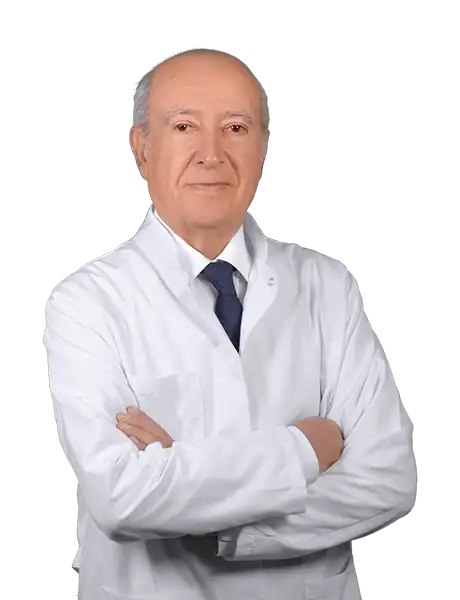
Prof. Dr. Osman Bilgin Timuralp
Cardiology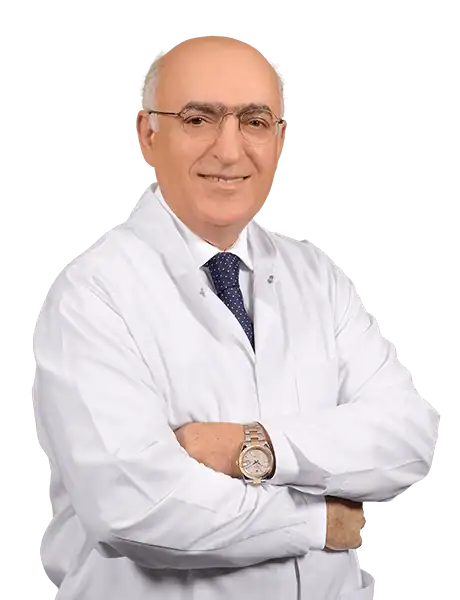
Prof. Dr. Ethem Kumbay
Cardiology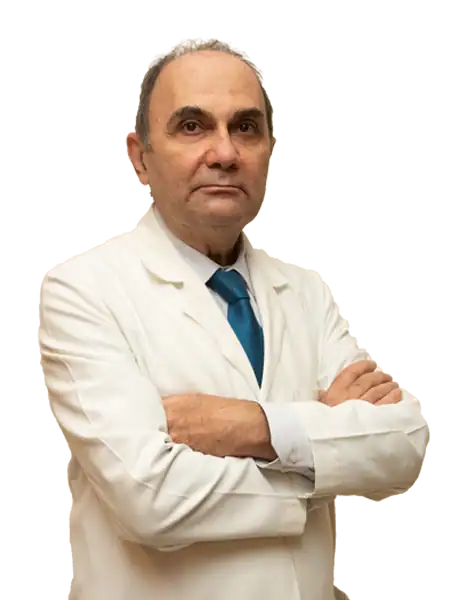
Prof. Dr. Ali Aydınlar
Cardiology
Prof. Dr. Ender Semiz
Cardiology
Prof. Dr. Ercüment Yılmaz
Cardiology
Prof. Dr. Bekir Sıtkı Cebeci
Cardiology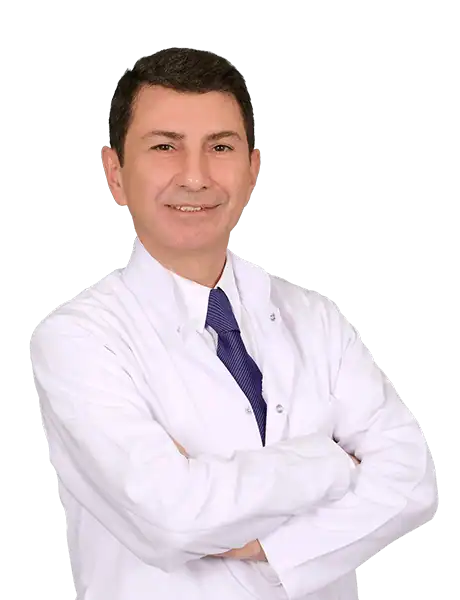
Prof. Dr. Haldun Akgöz
Cardiology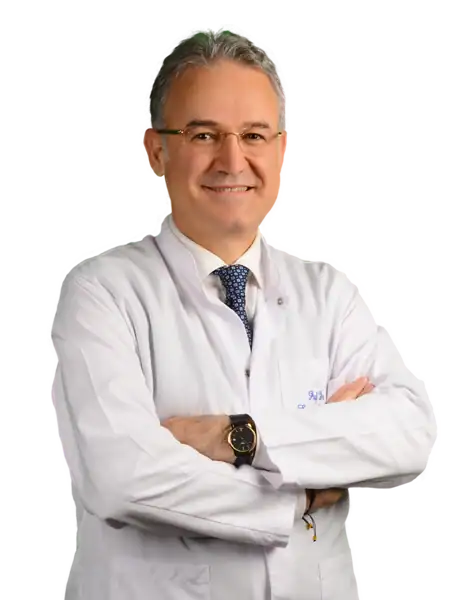
Prof. Dr. Ergün Seyfeli
Cardiology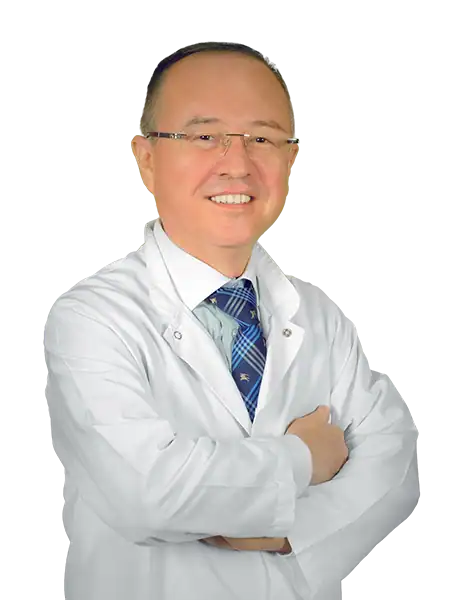
Prof. Dr. Mustafa Kemal Batur
CardiologyMedical Units
Available at These Hospitals