Cognitive Changes in Older Adults: When to See a Geriatric Neurologist

Occasional slower recall is common with aging, but progressive memory loss or confusion is not something to ignore. A geriatric neurologist evaluates brain health in the context of aging, medications, sleep, mood, vascular risk, and daily function.
Key Takeaways
- Occasional slower recall is common with aging, but progressive memory loss or confusion is not something to ignore.
- A geriatric neurologist evaluates brain health in the context of aging, medications, sleep, mood, vascular risk, and daily function.
- Some causes of cognitive symptoms, such as medication effects, depression, thyroid disease, vitamin deficiencies, sleep problems, or infections, may be treatable.
- Early assessment can support safer living, better symptom management, and timely planning for the person and family.
- Urgent care is needed for sudden confusion, weakness, speech trouble, severe headache, seizure, or rapidly worsening mental status.
Some forgetfulness can be part of normal aging, but ongoing changes in memory, language, judgment, behavior, or daily independence deserve medical attention. A geriatric neurologist can help identify treatable causes, clarify whether symptoms suggest mild cognitive impairment or dementia, and guide care planning.
Overview
Cognitive changes in older adults can affect memory, attention, language, planning, problem-solving, or the ability to manage everyday tasks. Many people notice that names take longer to recall, multitasking becomes more tiring, or learning a new device requires more repetition. These slower changes can occur with healthy aging and do not always mean a person has dementia.
The key question is whether the change is persistent, progressive, or interfering with daily life. Forgetting where the keys were placed occasionally is different from repeatedly leaving the stove on, getting lost in familiar places, missing important bills, or struggling to follow a familiar recipe. A careful medical evaluation can help separate normal aging from conditions that need treatment or monitoring.
A geriatric neurologist is a physician who focuses on disorders of the brain and nervous system in older adults. This specialist considers not only memory test results, but also medical history, medications, sleep, mood, movement, balance, sensory changes, and the person’s level of independence. The goal is to understand the cause of symptoms and build a practical care plan.
Normal Aging or a Warning Sign?
Normal cognitive aging usually involves mild slowing rather than loss of ability. An older adult may need more time to remember a word, may prefer doing one task at a time, or may use lists and calendars more often. Importantly, the person can still manage usual responsibilities, recognize familiar people and places, and learn with enough time and support.
Warning signs are more concerning when they represent a clear change from the person’s previous abilities. Family members may notice repeated questions, missed appointments, poor financial decisions, changes in personality, or difficulty using appliances or medications safely. These changes may be especially important if the person is unaware of the problem or explains away events that others can verify.
Common signs that should prompt medical evaluation include:
- Memory loss that disrupts daily routines or requires increasing help from others.
- Difficulty finding words, following conversations, or understanding instructions.
- Getting lost in familiar areas or feeling confused about time or place.
- New problems with judgment, finances, driving, cooking, or medication management.
- Changes in mood, personality, motivation, sleep, hallucinations, or suspiciousness.
- New falls, tremor, stiffness, walking changes, or loss of coordination along with cognitive symptoms.
Common Causes and Risk Factors

Cognitive symptoms can arise from many causes, and not all are degenerative brain diseases. Medication side effects, alcohol use, dehydration, pain, poor sleep, depression, anxiety, grief, thyroid disorders, vitamin B12 deficiency, infections, hearing loss, and vision problems can all make thinking and memory worse. Identifying these contributors is an important part of a high-quality evaluation.
Brain conditions can also cause progressive cognitive change. Mild cognitive impairment describes measurable decline that is greater than expected for age but does not yet significantly impair independence. Dementia is an umbrella term for cognitive decline that interferes with daily function; Alzheimer’s disease is one common cause, but vascular cognitive impairment, Lewy body dementia, frontotemporal dementia, Parkinson’s disease dementia, and normal pressure hydrocephalus are other possibilities.
Risk factors include older age, family history, previous stroke or head injury, diabetes, high blood pressure, high cholesterol, smoking, sleep apnea, low physical activity, social isolation, and untreated hearing loss. Some risks cannot be changed, but many cardiovascular and lifestyle factors can be addressed. This is one reason early evaluation is helpful: brain health is closely connected to whole-body health.
What a Geriatric Neurologist Evaluates
A geriatric neurologist begins with a detailed history from the patient and, when possible, a trusted family member or caregiver. The timeline matters: symptoms that appear suddenly, fluctuate from day to day, or progress rapidly can suggest different causes than slow changes over several years. The doctor also asks about education, work history, language background, sleep, mood, falls, driving, medications, alcohol intake, and daily activities.
The neurological examination looks at memory, attention, language, visual-spatial skills, reflexes, eye movements, strength, sensation, coordination, walking, and balance. Short cognitive screening tests may be used in the office, but they are only one part of the assessment. A person’s hearing, vision, fatigue, anxiety, and cultural or language background can affect test performance, so results must be interpreted carefully.
Medication review is especially important in older adults. Some drugs used for sleep, allergies, bladder symptoms, pain, anxiety, or dizziness may worsen confusion or increase fall risk. The neurologist may coordinate with the patient’s primary care physician, psychiatrist, cardiologist, or other specialists to adjust treatment safely rather than stopping medicines abruptly.
Diagnosis and Tests
Diagnosis usually combines history, examination, cognitive testing, laboratory tests, and brain imaging when appropriate. Blood tests may check for anemia, thyroid disease, vitamin deficiencies, kidney or liver problems, inflammation, infections, or metabolic concerns. These tests help find conditions that can mimic or worsen memory problems.
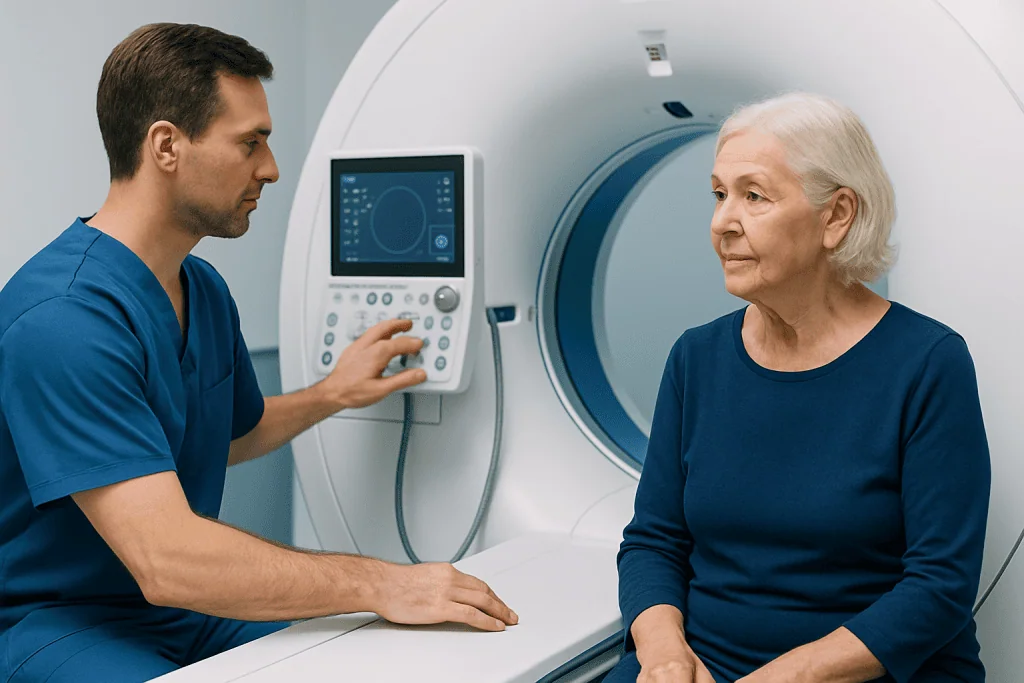
Brain imaging, such as MRI or CT, may be recommended to look for strokes, bleeding, tumors, normal pressure hydrocephalus, patterns of brain shrinkage, or other structural changes. In selected cases, more specialized tests may be used, such as detailed neuropsychological testing, sleep studies, electroencephalography, or biomarker tests. The choice depends on the symptoms, examination findings, and the clinical question.
Neuropsychological testing can be particularly useful when symptoms are subtle, when work or driving decisions are being considered, or when the pattern of strengths and weaknesses may help identify the type of cognitive disorder. The diagnosis may take more than one visit because cognition can be affected by mood, sleep, stress, pain, medications, and medical illness. A careful process helps avoid both underdiagnosis and overdiagnosis.
Treatment Options and Care Planning
Treatment depends on the cause. If cognitive symptoms are related to depression, sleep apnea, medication effects, thyroid disease, vitamin deficiency, infection, or uncontrolled vascular risk factors, addressing those issues may improve thinking or slow further decline. For neurodegenerative conditions, treatment focuses on symptom management, safety, maintaining function, caregiver support, and planning ahead.
Some medications may be considered for certain types of dementia or related symptoms, but they are not suitable for everyone and should be discussed with a qualified physician. Non-drug strategies are also central. These may include structured routines, simplified medication systems, memory aids, physical activity, cognitive stimulation, hearing and vision correction, fall prevention, and support for sleep and mood.
Care planning is not only medical. Families may need guidance about driving safety, cooking, finances, home supervision, legal documents, advance care planning, and caregiver stress. Early conversations are often easier and more respectful when the person can still share preferences. The care plan should be revisited over time because needs can change gradually.
Prevention, Self-care, and When to See a Doctor
No lifestyle habit can guarantee prevention of cognitive decline, but healthy routines can support brain and vascular health. Regular physical activity, a balanced diet, good sleep, social connection, hearing and vision care, mental engagement, and management of blood pressure, diabetes, cholesterol, and smoking all play a role. Protecting the head from injury and limiting alcohol are also sensible steps.
A doctor should be consulted when cognitive changes are persistent, progressive, noticed by others, or affecting independence. An appointment is also appropriate after a fall, new medication, hospitalization, major mood change, or sleep disturbance if thinking seems worse afterward. Bringing a medication list, examples of recent problems, and a family member’s observations can make the visit more useful.
Urgent medical care is needed for sudden confusion, new weakness or numbness, facial drooping, speech trouble, severe headache, seizure, high fever, major behavior change, or rapidly worsening alertness. These symptoms can reflect conditions that require immediate assessment. For international patients seeking evaluation, Acibadem International’s multidisciplinary specialists and JCI-accredited hospitals diagnose and treat cognitive and neurological conditions with coordinated care planning.
Frequently asked questions
Is memory loss always a sign of dementia?
No. Mild forgetfulness can happen with normal aging, stress, poor sleep, depression, medications, or medical conditions. Dementia is more likely when cognitive changes are progressive and interfere with everyday independence.
When should an older adult see a geriatric neurologist?
A visit is appropriate when memory, language, judgment, behavior, walking, or daily functioning has clearly changed from the person’s usual baseline. It is especially important if family members notice repeated problems, safety concerns, or worsening over time.
What is the difference between mild cognitive impairment and dementia?
Mild cognitive impairment means testing shows decline beyond normal aging, but the person remains mostly independent in daily life. Dementia means cognitive decline is significant enough to interfere with routine activities such as finances, medications, cooking, or safe navigation.
Can cognitive problems in older adults improve?
Sometimes they can, especially when symptoms are caused or worsened by medication effects, depression, sleep apnea, thyroid disease, vitamin deficiency, dehydration, infection, or sensory problems. Even when a progressive condition is present, treatment and support can improve safety, comfort, and daily function.
What should a family bring to the first appointment?
It helps to bring a current medication list, medical history, previous brain scans or lab results, and specific examples of cognitive or behavior changes. A family member or trusted caregiver can provide observations about daily function that the patient may not notice.
Are brain scans always needed for memory problems?
Not always, but MRI or CT may be recommended when symptoms are new, progressive, unusual, or accompanied by neurological signs. Imaging can help identify strokes, bleeding, tumors, hydrocephalus, or other structural causes that may affect thinking.
References
- World Health Organization
- National Institute on Aging
- Alzheimer’s Association
- American Academy of Neurology
- Mayo Clinic
This article is for general information only and is not a substitute for professional medical advice. Please consult a qualified doctor about your individual situation.
Explore treatments in Turkey — costs, top hospitals & a free quote
JCI-accredited · board-certified surgeons · reply within 24h
Check your numbers in seconds
BMI, calories, due date, blood pressure and 30+ more clinical calculators — free, instant, doctor-reviewed ranges.