

Flying to Turkey with Limited Mobility: Airport, Transfer, and Hotel Planning Tips

Flying to Turkey with limited mobility is easier with pre-booked airport assistance, accessible transfers, and hotel checks in Istanbul.
If you are flying to Turkey with limited mobility, planning a few details in advance can make your journey much smoother. This guide walks you through airport assistance, transfers, hotel checks, and practical ways to stay comfortable and confident from departure to arrival.
At a glance
- Best time to arrange assistance: At booking and again 48–72 hours before travel
- Main priorities: Airport support, step-free transfers, accessible room details
- Good to prepare: Mobility aid notes, medication list, emergency contacts
- Helpful support: Interpreter, patient coordinator, companion, airline special assistance
- Arrival planning: Allow extra time for immigration, baggage, and vehicle boarding
Start with a realistic door-to-door plan
When you are flying to Turkey with limited mobility, it helps to think beyond the flight itself. Your trip usually includes several separate stages: getting to your departure airport, check-in, security, boarding, the flight, arrival formalities, baggage collection, transfer to your hotel or hospital, and moving around once you arrive. Looking at the full journey in one plan can help you spot where you may need extra support.
Write down what you can do comfortably on your own and where you may need assistance. For example, you may be able to walk short distances but not stand in queues for long, or you may transfer independently from wheelchair to seat but need help with ramps and luggage. These details matter because airlines, airports, drivers, and hotels often provide different types of support.
If you are travelling for treatment, share your mobility needs early with your hospital coordinator. Acibadem International supports international patients with practical planning, and this can be especially helpful when you need accessible transfers, interpreter support, or a room setup that reduces unnecessary walking and strain.
Book airport assistance early and confirm the details
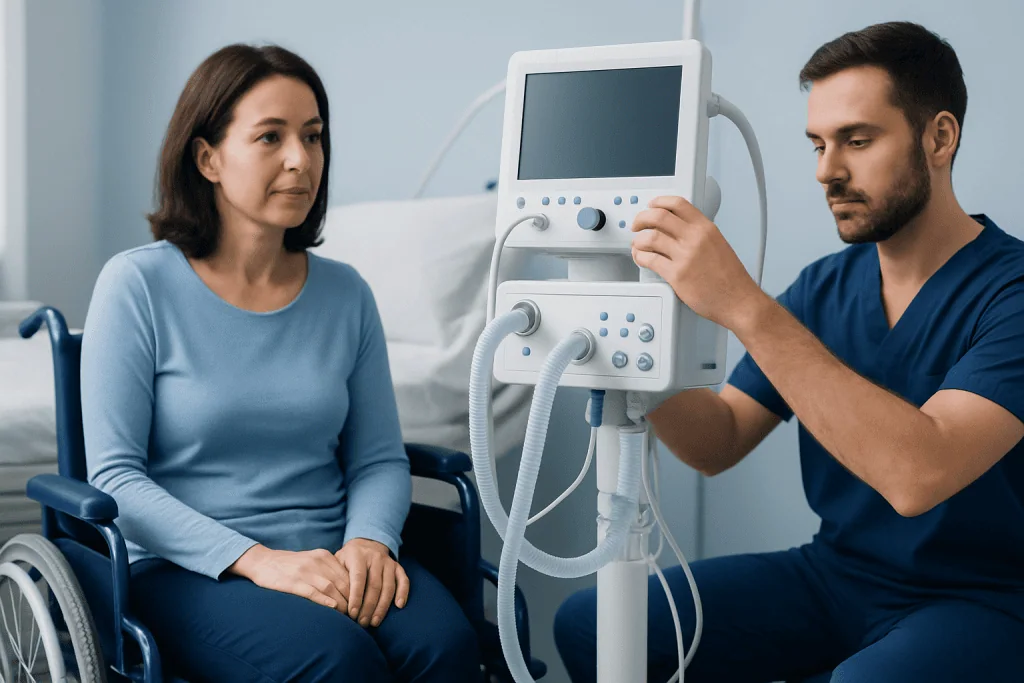
Most airlines and airports can arrange special assistance, but it is important to request it as early as possible. Ideally, do this when you book your flight, then confirm it again 48 to 72 hours before departure. Be specific about what you need: wheelchair assistance, help through check-in and security, support to the aircraft door, an aisle chair if needed, or assistance with connections.
Try not to use general phrases like “I need help at the airport” without more detail. It is better to explain your actual limitations, such as difficulty walking long distances, inability to climb aircraft stairs, need for help carrying hand luggage, or the need to remain with your own wheelchair until the gate if permitted. Clear information reduces surprises on the day.
If you use a wheelchair or scooter, ask the airline about size, battery type, and check-in rules. Some mobility devices require advance approval, especially if they contain batteries. Also ask how your device will be tagged, when it will be returned after landing, and what to do if there is any damage or delay in getting it back.
- Request assistance for both outbound and return flights.
- Ask whether you will board by jet bridge or lift vehicle.
- Check connection times carefully if changing planes.
- Keep your booking reference and assistance confirmation easy to access.
Prepare your documents, medication, and mobility equipment

Accessible travel goes more smoothly when your essentials are organised in one place. Keep your passport, flight details, hotel address, hospital contact details, insurance information, and emergency numbers together in a small pouch or travel wallet. If you are travelling for medical care, carry any referral letters, recent reports, and a simple summary of your condition and current treatment.
Pack medication in your hand luggage, in original packaging where possible, along with a written medication list. If you use pain relief, anticoagulants, inhalers, insulin, catheters, or other essential supplies, keep enough with you for delays. It can also help to carry a short note describing your mobility needs and any assistance required, especially if you are tired or stressed during travel.
For mobility aids, label each item with your name, phone number, and destination address. Take photos of your wheelchair, scooter, walker, or detachable parts before travel. If cushions, footrests, chargers, or joystick parts can be removed safely, ask whether these should travel in the cabin or be separately protected. A little preparation can make a big difference if staff need to identify or handle your equipment quickly.
Choose a transfer that is truly accessible, not just convenient
One of the most important parts of flying to Turkey with limited mobility is the journey from the airport to your hotel or hospital. Do not assume that a standard taxi will be suitable, even for a short trip. Ask in advance about vehicle height, door width, step-in level, luggage space, and whether the driver can assist with getting in and out safely.
If you use a wheelchair, ask whether the transfer is wheelchair-accessible in the way you actually need. Some travellers can transfer into a car seat and fold their chair into the trunk; others need a ramp or lift and space to remain seated in the wheelchair. Confirm this clearly before arrival, especially at busy airports such as Istanbul Airport where walking distances can be long.
Many international patients find it reassuring to have transfers coordinated in advance rather than searching for transport after landing. Acibadem International can help arrange travel logistics for patients, including airport-hospital-hotel planning, which can reduce stress if you are arriving after a long flight or attending appointments soon after landing.
It is also sensible to build in extra time. Immigration, baggage collection, and locating your driver may all take longer when you are using airport assistance. If possible, share your live flight details and make sure the pickup point is clearly described in writing.
Check hotel accessibility carefully before you arrive
An “accessible” room can mean different things at different hotels, so it is worth asking practical questions. Instead of only asking whether the hotel is accessible, ask about step-free entrance, elevator access, door widths, walk-in showers, shower seats, grab bars, bed height, room layout, and the distance from the room to reception or restaurant areas. Photos can be very helpful.
Think about what will matter most during your stay. You may want a room close to the elevator, a walk-in shower rather than a bathtub, space to turn a wheelchair, or a quiet room where you can rest between appointments. If fatigue is a concern, also ask whether breakfast, pharmacy access, and vehicle pickup points are easy to reach without long walks or steep slopes.
If you are travelling for treatment, choose accommodation that matches your daily routine rather than just your budget. A hotel that is slightly closer to the hospital, easier to navigate, and more comfortable after appointments can make the overall experience less tiring. Patient support teams, including those at Acibadem International, can often help you compare practical options based on your mobility needs.
- Ask for recent room photos, not only general hotel photos.
- Confirm whether the bathroom has a roll-in or step-in shower.
- Check whether companions can stay in the same room comfortably.
- Ask about ramps, automatic doors, and accessible toilets in common areas.
Make arrival day easier on yourself
Arrival day can feel more tiring than expected, even if the flight itself goes well. Long walks, waiting times, dehydration, unfamiliar signs, and handling baggage can all add up. Plan a light schedule for your first day in Turkey if possible, especially if you have pain, balance issues, fatigue, or swelling when sitting for long periods.
Wear clothing and shoes that are easy to manage during security checks and transfers. Keep a few essentials within easy reach in your hand luggage: medication, water bottle if allowed after security, light snacks, wipes, phone charger, a spare pad or brief, and any pressure-relief cushion or neck support you commonly use. Small comfort items can make airport waiting much easier.
If you have a hospital appointment soon after arrival, leave enough time for rest and transport delays. Acibadem International hospitals are used to supporting international patients, and interpreter or patient services teams can help you orient yourself once you arrive. Even so, giving yourself time to settle can make your first appointment feel calmer and more manageable.
Plan for safety, communication, and the journey home
Before you travel, save important numbers in your phone and keep a written backup. Include your airline, hotel, transfer contact, hospital coordinator, companion, and a family member at home. If you are concerned about language barriers, arrange written addresses in English and Turkish for your hotel and hospital. This is especially useful for drivers and at airport meeting points.
If your mobility changes after treatment or during your stay, update your return travel plan promptly. You may need more assistance for the journey home than you expected before departure. Contact the airline, hotel, and hospital team early if you will require a different transfer type, more wheelchair support, or additional time before flying.
Finally, remember that asking for help is part of good travel planning, not a last resort. Whether you are travelling independently or with a companion, clear communication and realistic pacing usually make the biggest difference. With thoughtful preparation, flying to Turkey with limited mobility can be much more comfortable, predictable, and manageable.
Step by step
- Map your full journey. List each stage from your home to the airport, flight, arrival, transfer, hotel, and hospital visits. This helps you identify where you need help with walking, waiting, lifting, seating, or bathroom access.
- Request airline and airport assistance. Book special assistance as early as possible and describe your needs clearly. Reconfirm the request 48 to 72 hours before departure and keep the confirmation with your travel documents.
- Arrange the right transfer. Choose a vehicle based on your actual mobility needs, not just distance or price. Confirm whether you can transfer into a seat or need to remain in your wheelchair, and ask exactly where the driver will meet you.
- Verify hotel accessibility details. Call or email the hotel with specific questions about entrance access, lift access, bathroom setup, and room layout. If possible, request photos and ask for a room that reduces walking and makes daily routines easier.
- Pack for comfort and delays. Keep medications, key documents, chargers, and essential personal items in your hand luggage. Label mobility equipment and carry enough supplies to manage unexpected waits or disruptions.
- Keep arrival day light. Avoid tight schedules immediately after landing if you can. Build in extra time for airport processes, transfer coordination, check-in, and rest before any medical appointments.
- Review the return journey before you fly home. Your support needs may change during your stay, especially after treatment. Reconfirm airport assistance, transfer plans, and luggage or mobility equipment arrangements before your return date.
Your checklist
- Passport, tickets, hotel and hospital addresses in one folder
- Special assistance requested for both flights and confirmed
- Medication packed in hand luggage with a current medication list
- Mobility aid labeled, photographed, and airline rules checked
- Accessible airport transfer booked with clear pickup instructions
- Hotel accessibility details confirmed in writing
- Emergency contacts saved on phone and written down
- Comfort items packed: cushion, charger, snacks, wipes, water plan
Key takeaways
- Plan your trip door to door, not just airport to airport.
- Request airport assistance early and describe your needs specifically.
- Confirm that your transfer and hotel are truly suitable for your mobility level.
- Keep medication, documents, and essential supplies in hand luggage.
- Allow extra time on arrival and before the return flight, especially if your needs may change.
Frequently asked questions
How early should I request airport assistance for a trip to Turkey?
It is best to request special assistance when you book your flight. Then confirm it again 48 to 72 hours before departure so the airline and airport have your latest details.
Can I take my own wheelchair on the flight?
In many cases, yes, but the airline will need details about the type, size, and any battery. Ask in advance how your wheelchair will be handled, when it will be returned after landing, and whether removable parts should travel separately.
Is a regular taxi in Istanbul suitable if I have limited mobility?
Not always. If you have difficulty with low seats, stepping up, folding equipment, or transferring safely, a standard taxi may be uncomfortable or impractical. Pre-booking an accessible or more suitable transfer is usually the safer option.
What should I ask a hotel before booking an accessible room?
Ask about step-free entrance, elevator access, bathroom layout, shower type, grab bars, bed height, and room space for mobility aids. If possible, request photos of the exact room type rather than relying on general hotel descriptions.
What if I need more help on the way home than on the way out?
This can happen, especially after treatment or a tiring stay. Contact your airline, hotel, and hospital coordinator as soon as possible to update your assistance request and transfer arrangements for the return journey.
Can Acibadem International help with practical travel planning?
For patients travelling for care, Acibadem International can help coordinate parts of the patient journey, such as hospital communication, interpreters, and travel or accommodation logistics. This can be especially useful if you want support aligning appointments with accessible transfers and a manageable stay.

More Patient Guides
Mobility Aids in Turkey: Renting a Wheelchair, Walker, or Crutches
Mobility aids in Turkey can be rented through medical suppliers, pharmacies, and hospital-linked services in Istanbul and other cities.
9 min read
How to Handle Food Allergies and Special Diets During Treatment in Turkey
Food allergies and special diets during treatment in Turkey can be managed safely by sharing your needs early and coordinating meals with…
9 min read
Traveling to Turkey with Food Allergies or Special Diet Needs
Traveling to Turkey with food allergies or special diet needs is manageable with planning, translated allergy cards, and hotel and hospital support…
9 min read