

Traveling to Turkey for Surgery Alone: How to Plan Safely

Traveling to Turkey for surgery alone can be safe with the right planning, hospital support, and recovery logistics in Istanbul or Turkey.
If you are traveling to Turkey for surgery alone, careful planning can make your trip safer, calmer, and easier to manage. This guide helps you organize support, transport, communication, and recovery so you know what to expect at each stage.
At a glance
- Best for: Patients coming to Turkey without a companion for planned surgery
- Main priority: Build practical support for arrival, discharge, and early recovery
- Key risks to reduce: Travel fatigue, language gaps, being alone after anesthesia, and poor logistics
- Helpful support: International patient coordinators, interpreters, and arranged transfers
- When to ask for extra help: If you have mobility limits, anxiety, complex surgery, or no local contact
Can you travel to Turkey for surgery alone?
Yes, many people do travel to Turkey for surgery alone, especially for planned procedures with a clear timeline and a structured hospital pathway. The key question is not only whether you can come alone, but whether you will have enough support before admission, on the day of treatment, and during the first days of recovery.
When you are by yourself, small practical issues matter more. Who will meet you at the airport? How will you get to the hospital if you feel tired? Who can help you understand discharge instructions if you are groggy after anesthesia? Planning these details early reduces stress and helps you focus on your care.
A good hospital should make solo travel more manageable, not more complicated. At Acibadem International, international patient services can help coordinate appointments, interpreter support, and transport planning, which is particularly useful if you do not have a friend or relative traveling with you.
Decide whether solo travel is realistic for your situation
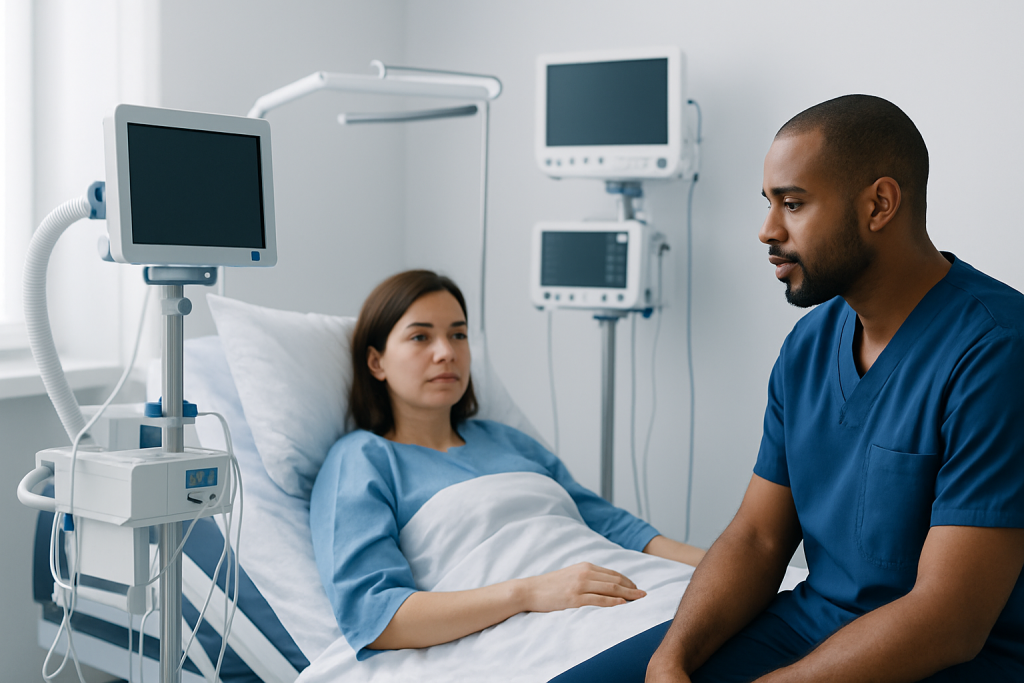
Before booking flights, ask your treating team whether being alone is medically appropriate for your specific procedure. Some surgeries are easier to manage independently, while others may require someone to stay with you for the first 24 to 72 hours because of anesthesia effects, restricted movement, drains, dressings, or a higher need for monitoring.
Be honest about your personal needs as well as the procedure itself. If you become anxious in unfamiliar environments, have trouble walking long distances, take multiple medicines, or have a condition that can change suddenly, solo travel may still be possible, but you may need a more formal support plan.
It helps to think in three phases:
- Before surgery: forms, tests, check-in, fasting, and communication
- Immediately after surgery: transport, prescriptions, meals, and mobility
- Early recovery: bathing, stairs, laundry, follow-up visits, and emergency contact
If any of these phases seem difficult alone, raise it early with your care coordinator. A realistic plan is far safer than assuming you will “manage somehow” once you arrive.
Choose support that covers more than the operation itself

When you are comparing hospitals or making arrangements, look beyond the operating room. Solo patients usually need the most help with coordination: confirming medical documents, arranging airport pickup, scheduling pre-op tests efficiently, organizing prescriptions, and making sure there is a clear discharge plan.
International patient departments can make a major difference here. In a large system such as Acibadem International, you may have access to multilingual coordinators, interpreters, and assistance with accommodation and local transport. That does not replace personal companionship, but it can remove many of the practical barriers that make traveling alone feel overwhelming.
Ask direct questions in advance. Will someone explain your daily schedule? Is interpreter support available during consultations? Can the hospital help you arrange a hotel close to the hospital? Is there a number you can call if you feel unwell after discharge? The clearer these answers are before travel, the safer and calmer your stay is likely to be.
Plan your arrival, accommodation, and first 72 hours carefully
The most vulnerable part of a solo medical trip is often not the surgery itself, but the transitions around it. After a long flight, even simple tasks like checking into a hotel, finding food, or locating the hospital can feel exhausting. Try to arrive at least a day or two before your pre-operative appointments so you are not rushing while jet-lagged.
Choose accommodation that supports recovery rather than sightseeing. Ideally, stay close to the hospital, with easy lift access, a private bathroom, reliable Wi-Fi, and nearby food options. If you may have reduced mobility after surgery, avoid steep hills, many stairs, or places that require frequent taxi changes.
Your first 72 hours deserve a written plan. Know who is collecting you from the airport, how you will reach the hospital, where your medicines will come from, and who you can call if you feel worse at night. Save these contacts in your phone and also keep them printed in case your battery dies.
If you are staying in Istanbul, allow extra time for traffic when traveling to appointments. A shorter distance to the hospital can matter more than a nicer hotel further away.
Prepare for communication, consent, and discharge while alone
One of the biggest concerns for solo patients is communication at important moments. You may need to discuss symptoms, sign consent forms, understand medication changes, or follow discharge instructions when you are tired or emotional. If English is not your first language, or if you prefer another language, ask for interpreter support in advance rather than on the day.
Bring a simple medical folder, both on paper and on your phone. Include your passport, insurance details if relevant, medication list, allergies, recent reports, emergency contacts, and the contact details of your coordinator. This helps if you are asked for information repeatedly at different points of your stay.
Discharge deserves special attention when you are alone. Ask for written instructions, not only verbal ones. Make sure you understand your medicines, wound care, showering rules, activity limits, warning signs, and the exact date of your next review. If possible, ask the team to go through these instructions slowly before you leave the hospital.
At Acibadem International, international patient teams can help bridge practical gaps between clinical care and travel logistics, which is especially useful when you do not have a companion taking notes for you.
Create a safety net for recovery and unexpected changes
Even if everything goes smoothly, recovery can feel lonely when you are in another country by yourself. Build a safety net before you leave home. Share your itinerary, hospital details, and room address with a trusted person. Agree on regular check-in times by message or video call so someone notices quickly if you are not responding as expected.
Also plan for things not going exactly to schedule. You may need to stay longer than expected, postpone your return flight, or rest more than planned before sightseeing or travel. Flexible bookings, extra medication supplies, and a small budget buffer can make these changes much easier to handle.
Know the red flags that should prompt urgent medical advice, such as fever, shortness of breath, increasing pain, heavy bleeding, fainting, confusion, or sudden swelling. Before discharge, ask exactly whom to contact during office hours and out of hours. Large hospital groups with organized follow-up pathways can be reassuring here because you know where to turn if something changes.
Finally, be kind to yourself about the emotional side of solo medical travel. It is normal to feel brave one hour and vulnerable the next. Practical preparation does not remove every worry, but it gives you structure and support when you need it most.
Step by step
- Check if solo travel is medically suitable. Ask your surgeon or coordinator whether your procedure is appropriate without a companion. Clarify how long you may need supervision after anesthesia and whether discharge to a hotel alone is acceptable.
- Choose a hospital with international coordination. Look for a provider that can help with more than surgery dates. Interpreter support, transfer planning, and clear follow-up communication are especially important when you are managing the trip alone.
- Book recovery-friendly accommodation nearby. Stay close to the hospital and make recovery easier than commuting. Prioritize lift access, a quiet room, private bathroom, and simple food options over location for tourism.
- Organize arrival and discharge transport in advance. Do not rely on finding transport while tired, fasting, or recovering. Pre-arranged airport and hospital transfers reduce stress and help you avoid unnecessary walking or confusion.
- Prepare a written medical and contact file. Keep your passport, reports, medication list, allergies, and emergency contacts together in one place. Store them on your phone and carry paper copies in case you need help quickly.
- Plan daily check-ins with someone you trust. Ask a friend or relative at home to check in with you at set times each day. This simple routine gives you emotional support and creates an extra safety layer if your condition changes.
- Understand your recovery plan before leaving hospital. Get written instructions about medicines, wound care, activity limits, warning signs, and your next appointment. If anything is unclear, ask again before discharge rather than trying to work it out later in your room.
Your checklist
- Confirm with the medical team that coming alone is suitable for your procedure
- Arrive at least 1-2 days before pre-op assessments if possible
- Book accommodation close to the hospital with lift access
- Arrange airport pickup and hospital transport before you travel
- Carry a full medication list, allergy list, and recent medical reports
- Save your coordinator, hospital, and emergency contacts in your phone
- Set daily check-in times with a trusted person at home
- Pack easy clothing, slip-on shoes, chargers, and paper copies of documents
- Ask for written discharge instructions and follow-up details
- Keep flexibility for a longer stay in case recovery takes more time
Key takeaways
- Traveling to Turkey for surgery alone can be safe when the procedure and recovery plan are suitable for solo travel.
- Your biggest needs are usually logistical: transport, communication, accommodation, and discharge support.
- Choose a hospital with strong international patient services, interpreter access, and clear follow-up pathways.
- Stay close to the hospital and plan the first 72 hours of your trip in detail.
- Build a remote support system with regular check-ins and clear emergency contacts.
Frequently asked questions
Is it safe to travel to Turkey for surgery alone?
It can be safe if your procedure is appropriate for solo travel and you plan carefully. The safest approach is to confirm this with your medical team and arrange support for arrival, discharge, and early recovery.
Do I need someone with me after surgery in Turkey?
That depends on the type of surgery, anesthesia, your mobility, and your overall health. Some patients manage independently, while others should have someone with them for the first day or two or need extra hospital-supported coordination.
What kind of help should I ask the hospital for if I am alone?
Ask about airport transfers, interpreter services, appointment scheduling, discharge guidance, and who to contact after hours. If you are staying near the hospital, ask whether they can also advise on accommodation and local transport arrangements.
How long should I stay in Turkey if I am traveling alone for surgery?
Your stay depends on the procedure, your follow-up schedule, and how quickly you recover. Build in extra time so you are not rushing home before your team confirms that travel is appropriate.
What is the best place to stay after surgery in Istanbul?
Choose somewhere close to the hospital, quiet, clean, and easy to access with minimal stairs. For solo recovery, practical comfort and short travel times are usually more important than tourist attractions.
How can I manage language barriers if I come to Turkey alone?
Ask for interpreter support before you travel, especially for consultations, consent, and discharge instructions. Large international hospitals, including Acibadem International, often coordinate multilingual support for overseas patients.
What should I do if I feel unwell after discharge and I am alone?
Contact the hospital or your coordinator using the number provided in your discharge instructions. Seek urgent medical help immediately if you develop severe pain, heavy bleeding, breathing problems, fainting, fever, or any symptom your team has told you is an emergency.

More Patient Guides
How Family Members Can Support a Patient During Treatment in Turkey
Family support during treatment in Turkey means helping with planning, communication, comfort and recovery while respecting the patient’s wishes.
9 min read
How Family Members Can Join Medical Discussions in Turkey Without Confusion
Family members in medical discussions in Turkey can join clearly with interpreters, consent planning, and question lists at hospitals like Acibadem Istanbul.
9 min read
Flying to Turkey for Surgery with a Companion: Who Should Come and Why
Flying to Turkey for surgery with a companion can make travel, hospital communication, and recovery easier in Istanbul or Turkey.
9 min read