

How Family Members Can Support a Patient During Treatment in Turkey
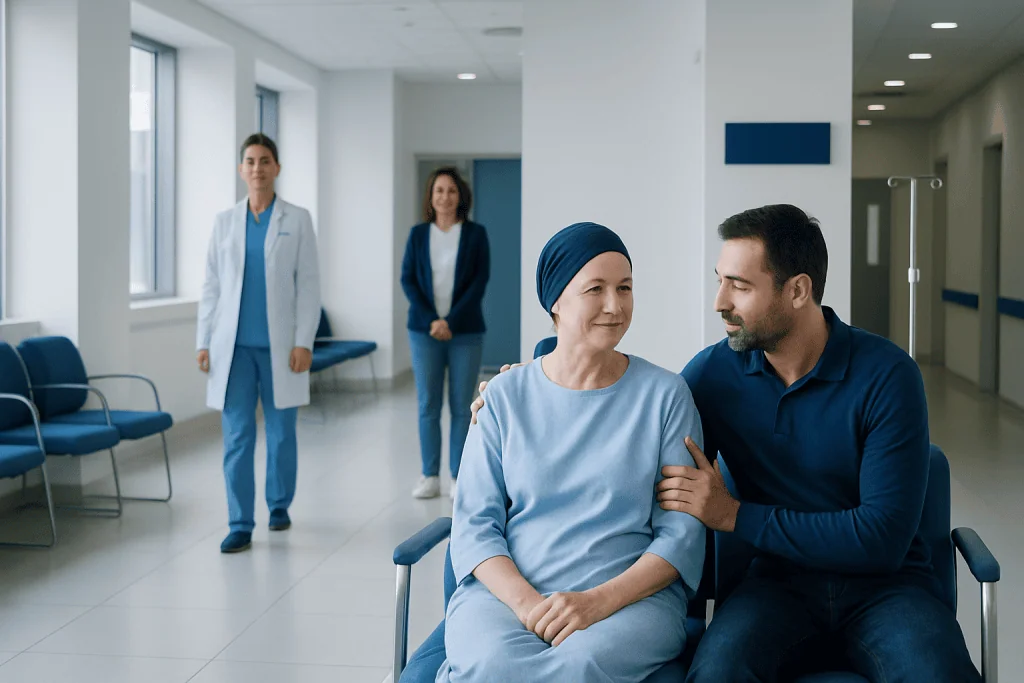
Family members can support a patient during treatment in Turkey by handling logistics, keeping documents organised, taking notes in appointments, using interpreter services rather than guesswork, and protecting the patient's rest and privacy. The most useful companions follow the patient's preferences rather than assuming, share tasks with other relatives, and look after their own wellbeing so their support stays steady throughout the trip.
You are probably the one booking flights, printing reports and quietly wondering how much help your loved one actually wants. That is a sensible place to start. There are many ways family members can support a patient during treatment in Turkey, and most of them have nothing to do with medicine. They have to do with organisation, communication and knowing when to step back.
This guide covers what to do before travel, during hospital days and through the first stretch of recovery. It also answers the practical questions companions ask most often, who can attend appointments, how paying for treatment works, and what the Turkish healthcare setting looks like from a visitor’s point of view, while keeping the patient’s comfort, privacy and independence at the centre.
At a glance
- Best role to play: Calm organiser, note-taker and steady emotional presence
- Most helpful tasks: Documents, travel logistics, appointment notes and daily practical help
- What to avoid: Assuming what help is wanted, speaking over the patient, or crowding their rest
- Communication: Use professional interpreters for medical conversations, not guesswork or apps
- When support matters most: Before travel, on treatment days, at discharge and in the first recovery days
- Your own limits: Rest, eat and share tasks: an exhausted companion helps no one
Your role as a family member or companion
When someone you care about travels abroad for medical care, you become their steady point of reference. In practice, family members can support a patient during treatment in Turkey by keeping paperwork in order, making travel days easier, remembering the questions the patient forgets to ask, and creating a calmer environment when they are tired or anxious. You do not need medical knowledge to be useful. Consistency, patience and clear communication usually matter more.
Support should follow the patient’s preferences, not yours. Some people want company at every step and active help with every task. Others want privacy and the feeling that they are still in charge of their own care. The only reliable way to know is to ask, before you travel: what do you want help with, what would you rather handle yourself, and when do you need quiet? Agreeing this early prevents most of the friction that companions and patients run into later.
Large hospital groups that regularly treat international patients, including Acibadem, run international patient services that take some of this weight off families, appointment coordination, interpreter arrangements, help navigating the building, and answers to practical travel questions. You can read more about how this works in practice in our guide on how Acibadem supports family members during a treatment journey. Knowing these services exist changes your job description: you are the patient’s advocate and companion, not their travel agent, translator and medical secretary all at once.
How to prepare before you travel
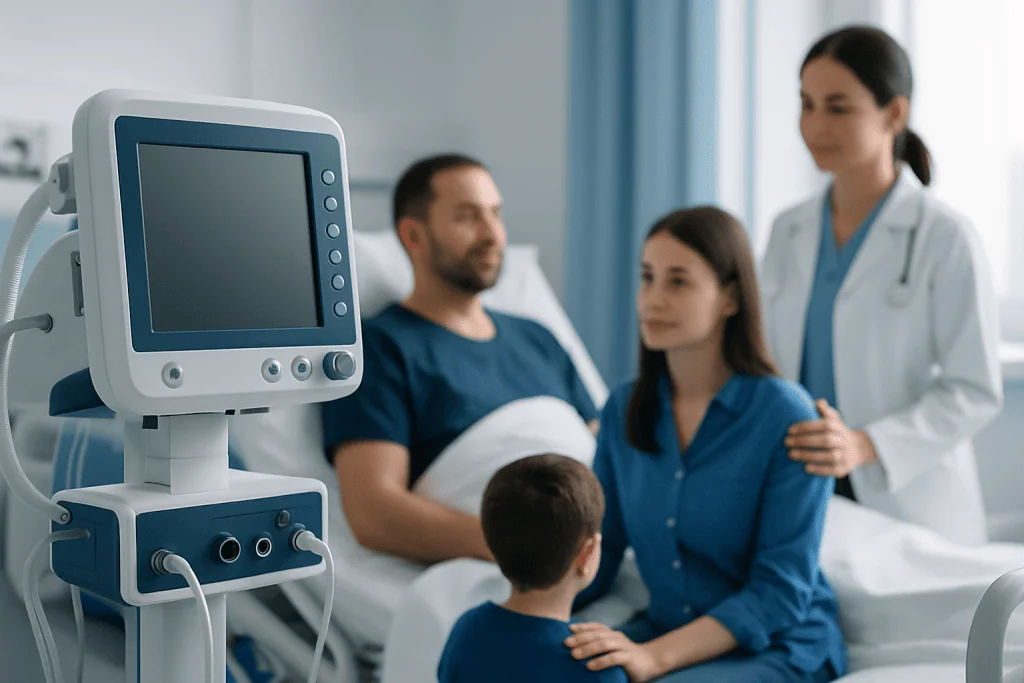
Most of the stress families feel in the first days in Turkey traces back to something that could have been settled at home. Start with documents. Gather passports, visas if required, medical records, imaging discs or digital files, a current medication list, allergy details, insurance papers and emergency contacts into one system, printed copies in a folder, plus secure digital versions you can open on a phone. If two of you are travelling, both should know where everything is.
Then plan the non-medical layer. Work out airport transfers, how far your accommodation sits from the hospital, whether the patient will need a wheelchair or other mobility support, and who steps in if plans shift. If the patient is likely to feel weak after consultations or procedures, staying close to the hospital shortens every difficult day; our guide on family accommodation planning during treatment in Turkey walks through how to choose.
Medicines deserve their own checklist. The patient’s regular medicines should travel in original packaging where possible, in hand luggage, with enough supply for delays. Keeping doses on time across time zones takes a little planning, so work out the schedule before you fly. Any question about changing, pausing or replacing a medicine belongs to the treating doctor, not to the family; your job is to make sure the current list is accurate and visible.
Finally, agree a communication plan for relatives at home before you leave. Decide who sends updates, how often, and through which channel. A patient recovering from a procedure should not be answering fifteen near-identical messages from cousins. One nominated messenger, one daily update, is usually enough, and it protects the patient’s rest.
- Create one shared folder, physical and digital, for travel and medical documents.
- Pack regular medicines in original packaging, in hand luggage.
- Write down the hospital address, main contact numbers and transport options.
- Build in buffer days in case the patient needs extra rest.
- Nominate one person to handle updates to the wider family.
Supporting the patient during consultations and treatment days

Family members are generally welcome to accompany patients to consultations in Turkey, provided the patient wants them there. Adult patients make their own decisions about their care and about who hears the details of it. Your presence in the room is a privilege the patient grants, not a right that comes with the relationship, and the most useful companions treat it that way.
On appointment days, your value is mostly as a second memory. Even when care is explained clearly, patients under stress retain less than they think. Keep a notebook or a phone note with the questions you both prepared, write down key instructions as they are given, and confirm the next step before you leave: which tests, what medication timing, when the follow-up happens, what discharge will involve. Let the patient answer questions themselves whenever they can. Step in only when they ask you to, or when fatigue makes it genuinely necessary.
If there is a language barrier, ask for professional interpreter support rather than improvising. A relative translating a medical conversation tends to filter, soften or summarise, usually with good intentions, and usually unhelpfully. There is a fuller discussion of this trade-off in medical interpreter or family member: who should help during appointments in Turkey. With an interpreter handling the language, you are free to do what only family can: notice how the patient is coping and remember what was said.
If the treatment involves surgery, agree in advance how you will be kept informed while it is under way. Hospitals with international patient teams typically have an established routine for this. Knowing the routine beforehand spares you hours of guessing in a waiting area.
Paying for treatment and understanding the Turkish healthcare setting
Companions often end up handling the administrative side, so it helps to understand how it works. Turkey runs a mixed healthcare system: a public system funded through national social insurance for residents, alongside a large private hospital sector. International patients are treated mainly in private hospitals and are not covered by Turkish public insurance, so yes, treatment is paid for, either directly by the patient, through private or travel insurance, or through an insurer or employer arrangement made in advance.
What treatment costs depends on the diagnosis, the procedures planned, the length of stay, the type of room, and what the quote includes, some quotes cover only the procedure, others bundle consultations, tests, hospital nights and follow-up. Hospitals prepare written quotes case by case after reviewing the patient’s medical information, and a serious quote will itemise what is and is not included. As the companion, the most useful thing you can do is read that document carefully, check what happens if the plan changes mid-treatment, and keep every invoice and receipt for insurance purposes. If insurance is involved, confirm before travel what the policy covers abroad and what documentation the insurer will require afterwards.
One more administrative point worth knowing: at intake, the care team will usually ask about the patient’s family medical history. The relatives who matter most for this are first-degree, parents, siblings and children, followed by grandparents, aunts and uncles. Conditions such as heart disease, diabetes and certain cancers in these relatives can be relevant to how care is planned. Helping the patient assemble this history before travel, while relatives at home can still be asked, is a quiet but genuinely valuable contribution.
Giving emotional support without adding pressure
Emotional support is not about finding the perfect words. Most patients simply need to feel listened to, respected and unhurried. Stay calm, keep your language simple, and leave room for mixed feelings: a person can be hopeful at breakfast and frightened by dinner, especially when they are tired, uncomfortable and far from home. Both moods are normal, and neither needs to be argued out of them.
Resist the pull to make every conversation about the treatment. Small routines do more than repeated reassurance: a familiar snack where permitted, a slow walk, something comforting to watch, or simply sitting together without talking. These fragments of ordinary life shrink the hospital in the patient’s mind.
Be honest rather than soothing. Do not promise outcomes, no one can, and patients usually sense when reassurance is hollow. A better pattern is to acknowledge what they are feeling and then bring the focus back to the next manageable step: the next meal, the next appointment, the next night’s sleep. If family expectations at home are running ahead of what the doctors have actually said, our guide on managing family expectations during treatment in Turkey covers how to keep everyone anchored to the same information.
Practical help during the hospital stay and recovery
Once treatment begins, practical support becomes your main job. Think in terms of small, concrete tasks: meals and hydration reminders, comfortable clothing, chargers, toiletries, transport between accommodation and hospital, and keeping the room or apartment orderly. When discharge instructions arrive, be the second pair of eyes, check the timings, the activity restrictions and the follow-up dates, and make sure both of you understand them the same way. Anything in those instructions that is unclear is a question for the treating team; they wrote the plan, and they are the only ones who can safely interpret it.
Recovery is tiring even after a straightforward plan. This is where family members can support a patient during treatment in Turkey most visibly: pacing the day, limiting visitors, filtering calls from home, and protecting rest without imposing it. The line between helping and hovering is real, and worth thinking about deliberately: our guide on how family members can help without disrupting recovery deals with exactly that balance. Offer help specifically (“Shall I handle the pharmacy run?”) rather than generally (“Let me know if you need anything”), and let the patient decline.
If you are accompanying an older relative, the practicalities shift: mobility, medication routines and fatigue all need more planning. Supporting an elderly patient during treatment in Turkey covers those adjustments in detail. And whatever the patient’s age, a well-organised discharge, follow-up plan understood, medicines collected, transport arranged, return-travel timing confirmed with the care team, is the single best gift a companion can give to the first week of recovery.
Respecting boundaries, privacy and your own wellbeing
Supporting someone well also means respecting what they choose not to share. Illness makes people feel exposed, and many patients do not want every detail of their treatment circulated to friends and extended family. Ask directly: what may I share, and with whom? Then follow that answer even when relatives push for more. Protecting the patient’s version of their own story protects their dignity and your trust.
Companions get tired too. You may be juggling logistics, long waits and worry, in an unfamiliar city, possibly in a second language. Eat at normal times, sleep when you can, and take short breaks away from the hospital without guilt. You do not need to be present every minute to be a good support person: you need to be reliable at the moments that matter, and that requires rest.
If several relatives are involved, divide the work explicitly. One person handles updates home, one manages transport and accommodation, one tracks documents and medicines. A simple structure stops tasks falling through gaps and, just as importantly, stops the patient being asked the same question three times by three well-meaning people.
Step by step
- Talk through expectations before the trip. Ask the patient what help they want, what they prefer to handle themselves, and how much company they want on hospital days. Settling this at home prevents most misunderstandings abroad.
- Organise documents, medicines and contacts. One folder, paper and digital, for passports, medical records, the medication list, insurance papers and hospital contacts. Make sure the patient’s medicines travel safely and stay on schedule.
- Learn what the hospital’s international team handles. Interpreters, scheduling, arrival logistics and companion guidance are usually part of the service at international centres such as Acibadem. Knowing this before you land tells you which jobs are yours and which are not.
- Be present at key appointments, if invited. Attend consultations and discharge discussions when the patient wants you there. Take notes, repeat back the important instructions, and confirm the next step before you leave the room.
- Keep the days predictable. Meals, hydration, transport, charged phones, a tidy room. Routine is the cheapest and most reliable comfort available to a patient far from home.
- Support recovery without taking control. Encourage rest and follow-up while respecting the patient’s independence. Offer specific help; accept refusals gracefully.
- Prepare the discharge and the journey home. Review the follow-up plan, medication instructions and activity guidance with the patient, and confirm with the care team that the planned travel timing suits their condition. Keep the return trip as low-effort as the arrival.
Your checklist
- Passport, travel papers and copies of key documents
- Medical reports, test results and a current medication list
- Family medical history notes, gathered before travel
- Hospital address, coordinator contact and emergency numbers
- Comfort items for the patient, loose clothing, chargers, familiar small things
- Notebook or phone note for questions and instructions
- Airport transfer plan and accommodation near the hospital
- Agreed update plan and one nominated messenger for relatives at home
- Your own essentials: rest, meals, and a way to take short breaks
Key takeaways
- Family members can support a patient during treatment in Turkey best through organisation, note-taking and calm presence, not medical expertise.
- Ask the patient how they want to be helped instead of assuming; adult patients decide who joins their appointments.
- Use professional interpreters for medical conversations and let hospital international teams carry the logistics they exist to carry.
- International patients pay for treatment privately or through insurance; read quotes carefully and keep every document.
- Protect the patient’s privacy and pace, and your own rest, because a steady companion is a useful one.
Frequently asked questions
Are family members allowed to join consultations in Turkey?
Generally yes, when the patient wants them there. Adult patients decide who attends their appointments and who hears their medical information. Companions are usually welcome at consultations and discharge discussions, and interpreter arrangements can include them. The patient’s preference is the deciding factor, not the family relationship.
Do you have to pay for hospital treatment in Turkey as an international patient?
Yes. Turkish public health insurance covers residents, not visiting international patients, so treatment is paid privately, through travel or private insurance, or through an arrangement made with an insurer or employer in advance. What a quote covers depends on the diagnosis, the planned procedures, the length of stay and what the hospital includes, so read the written quote carefully and check what happens if the plan changes.
What is the healthcare system like in Turkey?
Turkey has a mixed system: a public network funded through national social insurance for residents, alongside a substantial private hospital sector. International patients are treated mainly in private hospitals, many of which run dedicated international patient departments handling interpretation, scheduling and travel-related coordination for patients and their companions.
Which family members should be included in a patient’s family medical history?
First-degree relatives matter most: parents, siblings and children. Grandparents, aunts and uncles come next. Conditions such as heart disease, diabetes and certain cancers in these relatives can be relevant to care planning, so gathering this information before travel, while relatives at home can still be asked, is a genuinely useful task for a companion.
How can I help if I do not speak Turkish?
Do not rely on partial understanding or translation apps for important medical information. Hospitals that regularly treat international patients, including Acibadem, provide interpreter support for consultations. With a professional handling the language, you can focus on noticing how the patient is coping and remembering what was said.
What should I pack as a companion?
Document copies, chargers, a notebook, your own regular medicines, comfortable clothing and basic toiletries. Add a few small things that comfort the patient, as long as they suit the care setting. Pack for long waiting periods too, something to read, snacks and water make hospital days easier on you.
How do I avoid overwhelming the patient?
Keep questions simple, filter messages from home through one nominated person, and do not push for constant conversation. Offer specific help rather than open-ended offers, give the patient choices, and allow real quiet time. Presence without pressure is usually the most reassuring thing a companion can provide.
What if I feel stressed or exhausted as the companion?
That is common during medical travel. Share tasks with other relatives where possible, take short breaks away from the hospital, eat at normal times and rest when you can. Looking after yourself is not a luxury; it is what keeps your support steady for the whole trip.
Add us as a Preferred Source to see more of our trusted health content across Google Search, AI Overviews and Discover.

Update history
- PublishedAugust 4, 2026
- Medical review approvedSeptember 13, 2026
- Last content updateSeptember 12, 2026
References2
- CDC Yellow Book: Medical Tourism wwwnc.cdc.gov
- MedlinePlus: Caregivers medlineplus.gov
More Patient Guides
Medical Travel with a Companion: Who Should Come and Why
Medical travel with a companion can make treatment in Turkey easier by providing practical help, communication support and reassurance before and after…

How Family Members Can Help Without Disrupting Recovery
Family support during recovery helps when you listen, organize practical tasks and follow the care plan without taking over, in Turkey or…

Need a Family Member to Travel With You? A Companion Decision Guide
A companion travel guide for treatment in Turkey: decide who should travel with you, plan practical support, and prepare for Istanbul care.

Unexpected Overnight Stay in Turkey: What Patients and Companions Should Be Ready For
Unexpected overnight stay in Turkey? Here is what patients and companions should prepare for, from essentials and updates to hospital logistics in…