

Family Accommodation Planning During Treatment in Turkey

Start family accommodation planning as soon as your treatment dates are estimated. Choose lodging by real travel time to the hospital, not distance on a map, and confirm elevator access, bathroom safety and space for each companion. Check the hospital's companion and visiting rules before you travel, book with flexible extension terms, and plan meals, transport and laundry so the whole family can function day to day.
Where will your husband sleep the night after your surgery? Who watches the children while you sit in a morning appointment? These questions rarely appear on a treatment plan, yet they shape how a medical trip actually feels for everyone involved.
Where your family stays affects rest, hospital access and every small decision you will make together in an unfamiliar city. This guide covers family accommodation planning during treatment in Turkey in practical detail: what type of place to book, how close it should be, what to check for children and older relatives, and how to keep bookings flexible when medical schedules shift.
At a glance
- Best time to arrange lodging: as soon as your treatment dates are estimated, with flexible terms
- Main priority: safe, accessible accommodation measured by real travel time to the hospital
- Useful support: interpreter coordination, airport transfer and accommodation guidance from the international patient team
- For companions: plan rest, meals, transport and confirm hospital visiting rules in advance
- For children and older relatives: confirm space, routines, supervision, elevator access and bathroom safety
Why family accommodation planning during treatment in Turkey matters
Travelling for treatment is not only a medical journey. It is a family logistics project. Your companion may be handling communication, paperwork, mobility support, childcare and everyday decisions, often all in the same week. A well-chosen base reduces the friction in every one of those tasks.
Many international patients prefer to stay near the hospital, especially in the first days after arrival or around dense appointment schedules. Short journeys mean you arrive on time, get back to rest sooner and spend less energy on transport. That matters most when you have early-morning tests, frequent visits or limited stamina.
Good planning also protects the people supporting you. Companions need proper sleep, regular meals, laundry, internet access and somewhere quiet to pause. A rested companion makes fewer mistakes with paperwork, listens better in consultations and copes more calmly when plans change. If you want to think through the companion’s role more broadly, our guide on how family members can support a patient during treatment in Turkey pairs well with this one.
One more reason to plan early: treatment dates in Turkey can move. Test results, recovery pace or a doctor’s decision can extend or shorten a stay. Family accommodation planning during treatment in Turkey is less about finding the perfect room and more about building an arrangement that can bend without breaking.
Choosing the right type of accommodation
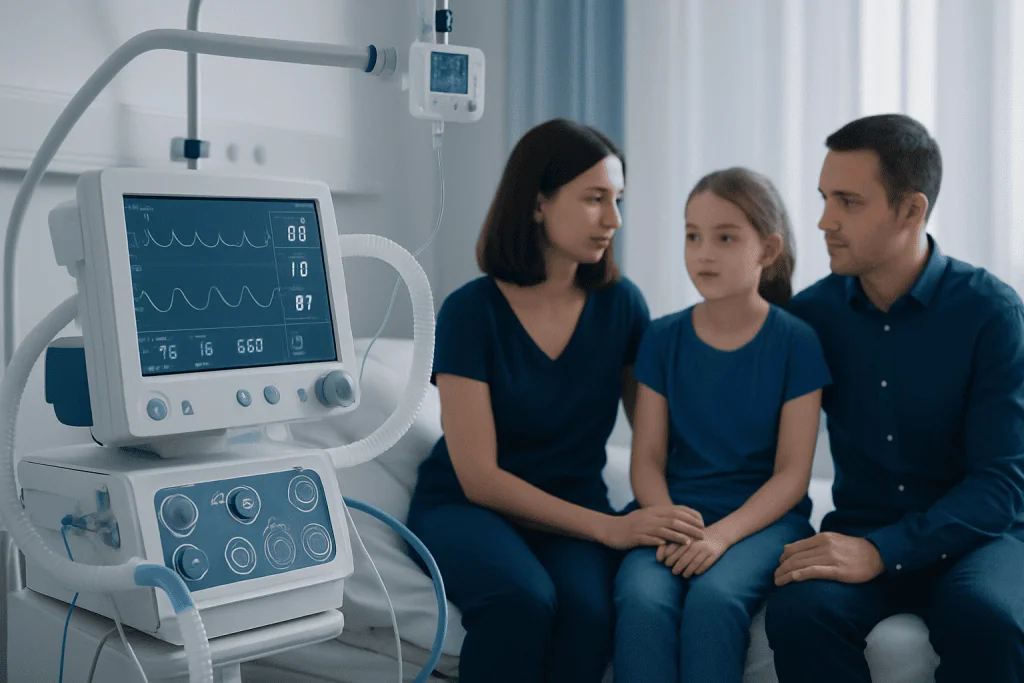
Your best option depends on treatment length, mobility, family size and whether children or older relatives are travelling with you. There is no single right answer, but there are predictable trade-offs.
| Option | Usually suits | Check before booking |
|---|---|---|
| Hotel near the hospital | Short stays, single companions, dense appointment schedules | Real travel time to the hospital, late check-out options, whether reception staff speak English |
| Serviced apartment | Longer stays, families with children, patients who want a home-like routine | Kitchen equipment, laundry access, minimum-stay rules, who to call if something breaks |
| Accessible room | Wheelchair users, limited mobility, post-surgical recovery | Step-free entrance, elevator size, walk-in shower or grab rails, door widths |
| Family or connecting rooms | More than one companion, children needing supervision | Actual bed configuration, extra-guest policies, whether children can be accommodated safely |
Ask blunt, practical questions before confirming anything. How far is it from the hospital in normal traffic? Is there an elevator, and does it fit a wheelchair? Can the bathroom be used safely by someone who has just had surgery? Is there space for a companion to rest separately from the patient? These details feel minor when booking online. They become very important at the end of a long hospital day.
If the patient will have reduced mobility on arrival or after discharge, read our guide on flying to Turkey with limited mobility before you book: it covers airport assistance, transfers and hotel accessibility questions in more depth.
Staying near the hospital: what to consider

Closeness is helpful, but measure it in real travel time, not kilometres. Istanbul and other large Turkish cities have heavy traffic at predictable hours. A location that looks close on a map may still require careful timing around morning and evening peaks. Check the route in a map application at the actual hour you would travel, not at midnight when you are booking.
Before you arrive, ask your patient coordinator which neighbourhoods are practical for your specific hospital campus. Acibadem’s international patient services support families with orientation around hospital access, transfer planning and accommodation preferences, which helps you avoid places that look attractive online but sit on the wrong side of a congested route.
Walk the daily journey in your mind, door to department. Will your companion travel back and forth several times a day? Then they need a safe walking route, reliable taxi access or a prearranged transfer. Will the patient be discharged to the accommodation? Then check whether the route home involves stairs, steep streets or long walking distances. A hillside apartment with a beautiful view is a poor choice for someone recovering from abdominal surgery.
Season matters too. Around national and religious holidays, both traffic and hotel availability change noticeably. If your dates fall in a busy period, our guide to planning medical travel to Turkey during peak holiday seasons explains what to book earlier and what to expect.
When to book, and how flexible to stay
Book as soon as your treatment dates are estimated, but treat those dates as a planning estimate, not a fixture. Medical schedules move for legitimate reasons: a test result may need repeating, recovery may take longer than expected, or a doctor may add a follow-up appointment before clearing you to fly.
This is why flexibility is often worth more than a small saving. Before paying, read the cancellation policy, the date-change policy and the extension terms. Ask directly: if the stay needs to grow by several nights, is the same room available, and on what terms? A property that answers this clearly is usually a property that handles medical travellers regularly.
A sensible pattern for many families is to firmly book the arrival period, the nights you are certain about, and keep later nights on flexible terms until the medical picture is clearer. Keep your patient coordinator informed of your accommodation dates so lodging and appointments stay aligned.
Planning for companions, children and older relatives
Every family member has different needs during a medical stay. A spouse or adult child may spend long hours at the hospital. Younger children need meals, sleep, play and constant supervision. Older relatives may need a quiet room, simple transport and short walking distances. Planning for each person separately prevents last-minute pressure landing on the patient.
If children are travelling, choose accommodation with enough space to keep a roughly normal routine. A small kitchenette, laundry access, a nearby market and reliable Wi-Fi make a longer stay far easier. Bring familiar snacks, books, school materials and comfort items from home. Decide in advance which adult supervises the children during hospital appointments: this should never be improvised on the morning of surgery. If some children are staying home instead, see our guide on planning childcare at home during treatment travel to Turkey.
For older relatives or companions with their own health conditions, confirm elevator access, bathroom safety, nearby pharmacies and places to sit and rest. Avoid very busy districts if noise and crowds will tire them. The goal is not luxury; it is a safe, calm base that keeps the family functioning.
Companions with regular prescriptions should plan how to carry enough of their own medication for the full stay, plus a margin for delays, and keep it in hand luggage. Any question about a medicine itself belongs to the prescribing doctor, not to travel planning.
Hospital companion rules and overnight stays
Companion policies vary by department, room type, patient condition and infection-control requirements. Some rooms allow one companion overnight; some units, intensive care being the obvious example, have limited visiting. Never assume a family member can sleep in the hospital room. Confirm the current rules for your specific department before you travel, then plan accommodation around the answer.
If an overnight companion is permitted, ask what the hospital provides and what your companion should bring: comfortable clothing, personal medication, chargers, basic toiletries, perhaps snacks. Even when a companion can stay in the room, keeping separate accommodation nearby is usually worth it. They need somewhere to shower properly, sleep well at least some nights and handle family logistics away from the ward.
Language is part of this planning too. Your companion may want to help in consultations, but medical conversations carry weight and precision matters. Our guide on whether a medical interpreter or a family member should help during appointments explains when professional interpretation is the safer choice. Acibadem’s international patient team can coordinate interpreter support so your companion is free to be family, not translator.
Daily living: meals, transport, laundry and communication
Accommodation is more than a bed. During treatment your family needs a workable daily system for food, transport, clean clothes, communication and small errands. Set it up before arrival, not after.
Meals. If the patient has dietary instructions from the medical team, the family follows them exactly and does not improvise medical diet decisions. For companions, nearby cafés, markets or a kitchenette reduce the daily burden. If anyone in the family has a food allergy or a special diet, plan it deliberately: our guide on handling food allergies and special diets during treatment in Turkey covers restaurant communication and safe alternatives.
Transport. Arrange the airport transfer in advance where possible, particularly for late arrivals or limited mobility. For daily hospital trips, decide between walking, taxi apps and prearranged transfers, and test the route once before any critical appointment.
Communication. At least one companion should have working mobile data, the hospital contacts saved, the accommodation address written in both Turkish and English, and offline maps. Save the patient coordinator’s number on every adult’s phone, not just one.
Laundry and errands. For stays beyond a few days, know where the nearest laundry option, pharmacy and market are before you need them. These small certainties keep hard days manageable.
Understanding accommodation costs without fixating on the nightly rate
Family accommodation costs vary widely with the city, the neighbourhood, the season, the room type and the length of stay. Rather than chasing the lowest nightly rate, look at the total cost of daily life. A cheaper place far from the hospital can quietly add taxi fares, travel time and fatigue every single day. A slightly dearer place with a kitchenette can pay for itself in simpler meals.
Before paying, confirm what the price includes: taxes, service charges, extra-guest fees, cleaning for longer stays. Ask how extensions are priced, because that is where treatment schedules most often collide with bookings.
Keep one simple family budget covering lodging, transport, meals, laundry, mobile data, children’s needs and a reserve for schedule changes. The same structural thinking applies to treatment itself: any honest cost figure depends on your diagnosis, the procedures involved, the length of hospital stay and your individual medical needs, which is why written quotes follow a medical review rather than a price list. If you are coordinating through Acibadem, ask what information is needed to align your accommodation dates with your appointment plan, clear communication removes most avoidable surprises.
Can foreigners use hospitals in Turkey?
Yes. Turkey has a large healthcare sector with both public and private hospitals, and private hospital groups in the major cities routinely treat international patients. Hospitals serving foreign patients typically operate international patient departments that handle appointment coordination, interpretation, documentation and practical orientation, which is exactly the support that makes family accommodation planning during treatment in Turkey easier to get right.
Practicalities for the family: everyone travelling should check entry requirements for their nationality well before departure, carry passports and travel insurance documents, and keep copies of medical correspondence accessible. Companions should also confirm their own travel insurance covers them for the full, possibly extended, stay.
International patients travel to Turkey for a wide range of care, commonly including dental treatment, eye procedures, orthopaedics, cardiology, oncology and cosmetic or reconstructive surgery. Whatever the treatment, the accommodation logic in this guide stays the same: access, rest, flexibility and a workable routine for the people around the patient.
Step by step
- Confirm the expected treatment timeline. Ask your international patient coordinator for the estimated arrival date, first appointment, likely hospital days and possible follow-up schedule. Treat it as a planning estimate, because medical timelines can change.
- Decide who truly needs to travel. List each family member’s role, caregiver, decision-maker, childcare support, emotional companion. Fewer travellers is simpler, but some patients genuinely benefit from a trusted person nearby throughout.
- Choose accommodation by access and routine. Weigh real travel time to the hospital, elevator access, bathroom practicality, bed arrangements, kitchen options and nearby services. For longer stays, prioritise routine over appearance.
- Check hospital companion and visiting rules. Ask whether a companion can stay overnight in your department and whether visiting hours apply. Policies differ by unit, room type and safety requirements.
- Book firmly for certain nights, flexibly for the rest. Read cancellation, date-change and extension terms before paying. Ask directly how an extended stay would be handled.
- Plan transfers and daily transport. Arrange the airport transfer in advance, especially for late arrivals or limited mobility. Save the hospital name, accommodation address and coordinator contact on every companion’s phone.
- Prepare a family logistics kit. Documents, personal medications, chargers, comfortable clothing, toiletries, children’s items and a folder for hospital papers, essentials in hand luggage in case checked bags are delayed.
- Build in rest time for everyone. Do not fill every free hour with errands or sightseeing around treatment days. Companions need recovery time too.
Your checklist
- Estimated treatment and follow-up dates shared by the hospital
- Accommodation address confirmed in both English and Turkish
- Travel time to the hospital checked at busy traffic hours
- Elevator, bathroom access and bed arrangements confirmed
- Hospital visiting and overnight companion rules clarified for your department
- Airport transfer and daily transport options planned
- Mobile data, chargers, power adapter and key contacts prepared for every adult
- Laundry, meals, pharmacy and market options identified nearby
- Flexible booking, extension and cancellation terms reviewed before payment
- Travel documents and insurance checked for every travelling family member
Key takeaways
- Start family accommodation planning during treatment in Turkey as soon as dates are estimated, but keep bookings flexible for schedule changes.
- Prioritise real travel time, rest, mobility needs and daily routine over appearance or the nightly rate alone.
- Confirm companion and visiting rules with the hospital before travel, policies differ by department and room type.
- Families with children or older relatives should plan space, meals, supervision and accessible routes deliberately, person by person.
- International patient services can help with interpreters, transfers and accommodation orientation, so you do not solve a new city alone.
Frequently asked questions
Should my family stay in a hotel or a serviced apartment during treatment in Turkey?
For short stays, a hotel near the hospital is usually simplest, reception support, housekeeping and easy daily access. For longer stays or families with children, a serviced apartment offers more space, laundry access and the option to cook simple meals. Decide based on treatment length, mobility, family size and how flexible the booking terms are.
Can a family member stay overnight with me in the hospital?
It depends on the department, room type, your condition and current safety policies. Some rooms allow one companion overnight; other units restrict visiting. Ask your international patient coordinator to confirm the rules for your specific department before you travel, and plan accommodation around the answer rather than assumptions.
How close should our accommodation be to the hospital?
Close enough for comfortable daily travel, especially during testing, admission and early recovery. Judge by real travel time in traffic, not distance on a map. A slightly farther place with reliable transport, an elevator and a practical bathroom can be a better choice than a nominally closer one on a difficult route.
How much does medical treatment in Turkey cost?
There is no single honest number, because cost depends on your diagnosis, the procedures involved, the length of hospital stay, the room type and your individual medical needs. Hospitals provide written quotes after reviewing your medical records. Budget accommodation, transport, meals and a reserve for schedule changes separately from the treatment quote itself.
Can foreigners go to hospital in Turkey?
Yes. Private hospitals in Turkey’s major cities routinely treat international patients, and hospitals serving foreign patients usually have international departments handling appointments, interpretation and paperwork. Check entry requirements for your nationality before travelling, and make sure every travelling family member carries a valid passport and appropriate travel insurance.
What are the most popular medical procedures in Turkey?
International patients commonly travel to Turkey for dental treatment, eye procedures, orthopaedics, cardiology, oncology, fertility care and cosmetic or reconstructive surgery, among others. Whatever brings your family, the accommodation principles are the same: safe hospital access, space for companions, flexibility for schedule changes and a routine that everyone can sustain.
What if our stay becomes longer than expected?
Timelines can change because of medical decisions, recovery needs or additional appointments. Choose accommodation with clear extension and cancellation terms, keep a small budget reserve, and stay in contact with your patient coordinator so lodging dates can be adjusted around the care plan rather than fighting against it.
Should children travel with the patient for treatment?
It is a personal decision based on the child’s age, the expected intensity of treatment, available supervision and the length of stay. Children can bring real comfort, but they need routine, meals, sleep and attention. If they travel, choose family-friendly accommodation and make sure another adult, not the patient, is responsible for them during hospital appointments.
Add us as a Preferred Source to see more of our trusted health content across Google Search, AI Overviews and Discover.

Update history
- PublishedJune 8, 2026
- Medical review approvedSeptember 13, 2026
- Last content updateSeptember 12, 2026
References2
More Patient Guides

Medical Travel with a Companion: Who Should Come and Why
Medical travel with a companion can make treatment in Turkey easier by providing practical help, communication support and reassurance before and after…

How Family Members Can Help Without Disrupting Recovery
Family support during recovery helps when you listen, organize practical tasks and follow the care plan without taking over, in Turkey or…

Need a Family Member to Travel With You? A Companion Decision Guide
A companion travel guide for treatment in Turkey: decide who should travel with you, plan practical support, and prepare for Istanbul care.

Unexpected Overnight Stay in Turkey: What Patients and Companions Should Be Ready For
Unexpected overnight stay in Turkey? Here is what patients and companions should prepare for, from essentials and updates to hospital logistics in…