

How to Plan Meals Around Surgery and Recovery in Turkey

Plan meals around surgery and recovery in Turkey with simple timing, hydration, shopping, and hotel tips for a smoother treatment trip.
Planning your meals before and after treatment can make your trip to Turkey more comfortable, especially when your appetite, schedule, and energy levels change. This guide helps you organize food, hydration, shopping, and practical support so you can focus on recovery rather than last-minute decisions.
At a glance
- Best for: International patients preparing for surgery and early recovery in Turkey
- Main goal: Keep eating simple, safe, and well-timed around your procedure
- Key practical points: Fasting rules, hydration, soft foods, shopping, and hotel-room meal planning
- Who can help: Your surgeon, anesthesiology team, dietitian if advised, and international patient services
- Common challenge: Low appetite, nausea, tiredness, and limited energy for shopping or cooking
Why meal planning matters before you travel
When you come to Turkey for surgery, food becomes part of your logistics plan, not just your daily routine. Procedure timing, fasting instructions, medications, jet lag, and recovery fatigue can all affect when and what you feel able to eat. A little planning before you fly can help you avoid missed meals, dehydration, or last-minute stress.
Your aim is not to create a perfect diet. It is to make eating easy, gentle, and reliable for a few days before treatment and during the early recovery period. Think in practical terms: where you will get breakfast if you must fast later, whether your hotel room has a fridge, who can pick up groceries, and what foods are easiest if your appetite is low.
If you are being treated at Acibadem International, the international patient services team can often help you think through practical points such as accommodation setup, interpreter support, and local logistics. That is especially helpful if you have dietary preferences, need help reading food labels, or want to arrange a smoother arrival in Istanbul or another city in Turkey.
What to eat in the days before surgery
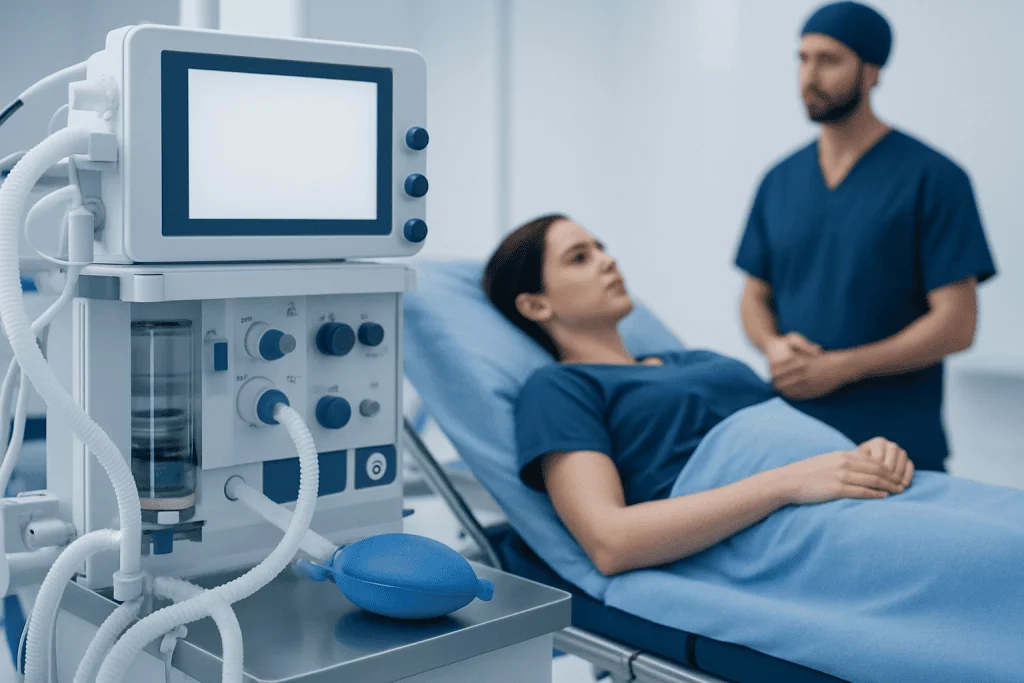
In the days leading up to surgery, most people do best with regular, balanced meals that are easy to digest and familiar. Focus on consistent hydration, adequate protein, fruits and vegetables, and simple carbohydrates such as rice, oats, bread, or potatoes. Unless your medical team gives special instructions, this is usually a better approach than trying a strict cleanse, fasting on your own, or changing your diet suddenly.
If your stomach is sensitive when you travel, choose meals that feel predictable for you. Soups, yogurt, eggs, toast, grilled chicken, rice, bananas, and soft cooked vegetables are often practical choices. Try not to rely heavily on rich restaurant meals, large portions, or very spicy foods right before surgery, especially if you are dealing with travel fatigue or anxiety.
It also helps to think ahead about protein and snacks for recovery. You may want to have simple items available in your room, such as crackers, plain biscuits, yogurt, kefir, milk, fruit puree, soup, oatmeal cups, or soft bread. If your doctor has advised a special diet because of diabetes, gastrointestinal conditions, allergies, or another medical issue, follow that plan rather than general travel advice.
- Keep meals regular and moderate rather than very heavy.
- Drink water regularly unless you have fluid restrictions.
- Limit alcohol before surgery unless your team says otherwise.
- Check with your care team before using herbal drinks, supplements, or protein powders.
Fasting rules and the night before your procedure
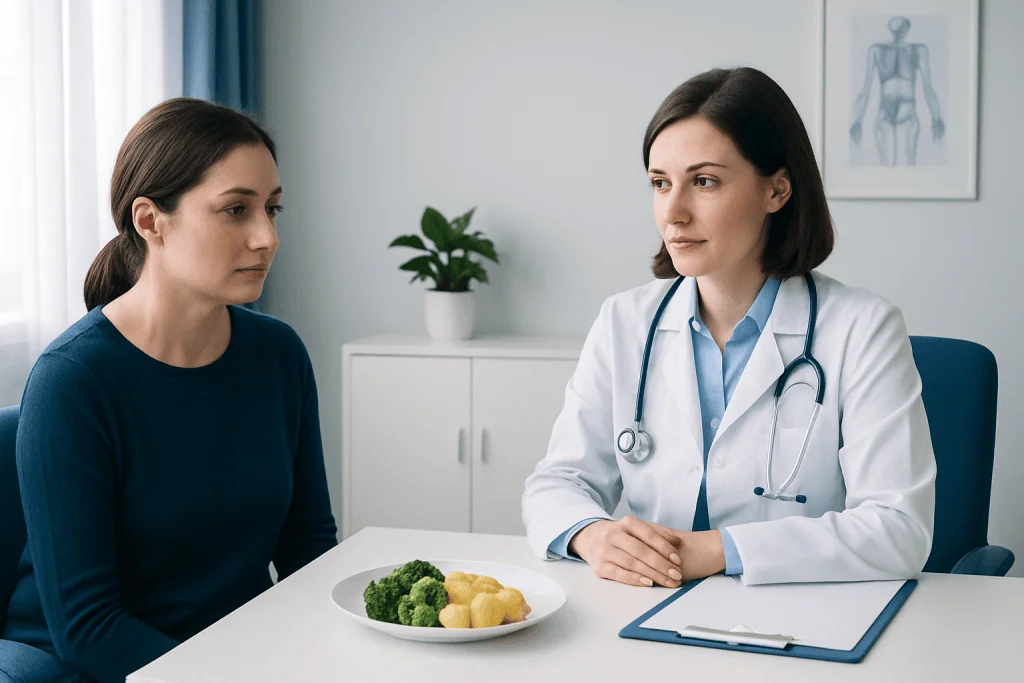
Your surgical team will give you specific fasting instructions, and those instructions always come first. They may tell you when to stop solid food, when to stop clear liquids, and whether you can take regular medications with a small sip of water. Follow the exact timing you receive, even if it differs from advice you have heard elsewhere.
The easiest way to manage the night before surgery is to plan your last allowed meal in advance. Choose something simple and satisfying rather than a heavy celebration dinner. Many patients feel more comfortable with a lighter evening meal and enough hydration earlier in the day, instead of trying to eat too much just before the fasting window begins.
If there is a language barrier, ask for the fasting instructions in writing or have them explained through an interpreter. Acibadem International hospitals support international patients with coordinated communication, which can reduce confusion around important details like food, drinks, medication timing, and arrival time on the day of surgery.
How to manage meals right after surgery
After surgery, your appetite may be low for a while, and that is common. You may feel sleepy, dry-mouthed, mildly nauseated, or simply uninterested in food. Usually, the best approach is to restart gradually and follow the team’s instructions about when to begin drinking and eating.
Once you are cleared to eat, start small. Clear fluids may come first, followed by soft, plain foods that are easy to tolerate. Think of food as gentle support rather than a test of how much you can eat. A few spoonfuls of soup, yogurt, toast, mashed potatoes, eggs, or porridge may be more realistic than a full restaurant meal on the first day.
Hydration matters just as much as food. Small, frequent sips can be easier than finishing a large bottle at once. If nausea, vomiting, swallowing difficulty, severe bloating, or inability to drink continues, tell your clinical team promptly rather than trying to push through it alone.
- Choose soft, mild foods first.
- Eat smaller portions more often.
- Avoid very greasy or spicy meals if your stomach feels unsettled.
- Ask before using over-the-counter remedies, teas, or supplements.
Smart food logistics for hotels, apartments, and companions
Your recovery will feel easier if food is within reach. Before you arrive, check whether your hotel or apartment has a mini-fridge, kettle, microwave, or room-service menu. Even a basic setup can make a big difference when you are tired and do not want to go out for every meal.
If you are traveling with a companion, ask them to help create a simple meal routine for the first few days. That might mean picking up breakfast items, keeping water by the bed, reheating soup, or making sure you eat something small before taking approved medications. If you are traveling alone, try to arrange grocery delivery, nearby pharmacies, or accommodation close to your hospital.
Patients visiting Acibadem International often appreciate having support with practical arrangements around the hospital stay, including guidance on local services and transport. That kind of coordination can be especially useful if you need special dietary items, want help understanding local grocery options, or prefer accommodation that supports quieter recovery.
Eating safely in Turkey while you recover
Turkey offers many convenient, nourishing foods, but early recovery is not the ideal time to experiment too much. Choose reputable restaurants, hotel dining, or groceries from established shops. If your stomach feels delicate, prioritize freshly prepared, simply cooked meals and avoid anything that has been sitting out too long.
Look for foods that are familiar in texture and easy to digest. In many places you can find soups, rice dishes, yogurt-based items, eggs, bread, grilled meats, soft cheeses, fruit, and cooked vegetables. If you have allergies, ask for help translating your needs clearly. Written notes on your phone can be useful for ingredients you must avoid.
Food safety also includes medication safety. Some patients assume herbal teas, appetite tonics, or supplements are harmless because they are natural. Around surgery, that is not always true. Always check with your clinical team before adding anything new, especially if you are taking pain medication, blood thinners, or antibiotics.
Step by step
- Ask for your eating and fasting instructions early. As soon as your procedure is scheduled, ask exactly when to stop solids and liquids and whether any medications should still be taken. Keep these instructions in writing on your phone so you and your companion can check them easily.
- Plan three simple pre-surgery meal options. Choose a few familiar meals that you know sit well with you, especially for the day before surgery. This avoids overthinking food when you are tired from travel or feeling anxious.
- Set up your room for easy recovery eating. Before surgery day, stock your room with water and a few gentle foods you can tolerate after you are cleared to eat. A fridge, kettle, and spoon can be surprisingly useful when your energy is low.
- Restart food slowly after the procedure. Follow the hospital team's guidance on when to drink and eat again. Begin with small amounts and increase gradually based on comfort rather than forcing a full meal too soon.
- Use your companion or support team wisely. Ask someone to handle food runs, delivery, or simple meal setup so you can rest. If you are with Acibadem International, use international patient support for practical coordination when needed.
- Watch for problems and speak up early. If eating or drinking becomes difficult because of nausea, pain, constipation, diarrhea, or poor appetite, tell your medical team. Small adjustments are often easier to make early than after you become dehydrated or exhausted.
Your checklist
- Written fasting instructions from your care team
- A refillable water bottle if allowed before the fasting cut-off
- Soft, easy-to-digest foods for your room after discharge
- A list of allergies, intolerances, and special diet needs
- Translator notes for key food restrictions if needed
- Confirmation that your hotel room has a fridge or kettle
- A plan for grocery delivery, room service, or a nearby shop
- Contact details for your hospital and international patient coordinator
Key takeaways
- Keep meals simple, familiar, and easy to digest before and after surgery.
- Follow fasting instructions exactly and get them in writing if possible.
- Stock your accommodation with gentle foods and drinks before the procedure.
- Restart eating slowly after surgery and prioritize hydration.
- Use hospital and international patient support for practical food and travel logistics.
Frequently asked questions
What should I eat the day before surgery in Turkey?
Most patients do well with light, balanced meals that are familiar and easy to digest. Unless your doctor gives special instructions, avoid very heavy, greasy, or unusually spicy meals and focus on hydration earlier in the day.
Can I eat at the hotel before going to the hospital?
Only if your fasting instructions still allow it. Always follow the exact cut-off times given by your surgical and anesthesiology team, even if your hotel breakfast is available earlier.
What foods are usually easiest after surgery?
Once you are cleared to eat, many people tolerate clear fluids and soft, mild foods best at first. Soup, yogurt, toast, porridge, mashed foods, eggs, and rice are often practical choices, but your team may give procedure-specific advice.
Should I bring protein powders or supplements for recovery?
Do not start supplements on your own around surgery without checking first. Some products, including herbal or 'natural' ones, may affect medications, bleeding risk, or digestion.
How can I manage meals if I am traveling alone?
Choose accommodation close to the hospital and make sure you have easy access to room service, delivery, or a nearby grocery store. It also helps to prepare a small in-room food supply before surgery so you are not searching for meals when you feel tired.
Can Acibadem International help with practical food-related concerns?
International patient services can often help you navigate practical logistics around your stay, including communication support and coordination that makes recovery easier. If you have dietary restrictions or need interpreters to clarify instructions, mention this early in your planning.
What if I feel nauseated and cannot eat after surgery?
Tell your care team promptly rather than waiting. Short-term nausea can happen, but persistent vomiting, inability to drink, or worsening symptoms should be reviewed so you can receive safe guidance and support.

More Patient Guides
Medical Power Adapters and Device Charging in Turkey: Patient Guide
Medical power adapters and device charging in Turkey usually require Type C or F plugs and 220–240V power. Bring the right adapter…
8 min read
Medical Travel to Turkey During Ramadan: What Patients Should Plan Ahead
Medical travel to Turkey during Ramadan is manageable with early planning for appointments, meals, medicines, transport, and rest in Istanbul.
9 min read
Food Allergies and Special Diets During Treatment in Turkey: What to Tell Your Care Team
Food allergies and special diets during treatment in Turkey should be shared early with your care team, hotel, and companion to help…
9 min read