Vagus Nerve Stimulation: When Is It Considered for Neurological Symptoms?

Vagus nerve stimulation is most commonly used for drug-resistant epilepsy and may be considered in selected other conditions. It does not usually replace medication completely, but it may help reduce symptom frequency or severity.
Key Takeaways
- Vagus nerve stimulation is most commonly used for drug-resistant epilepsy and may be considered in selected other conditions.
- It does not usually replace medication completely, but it may help reduce symptom frequency or severity.
- Evaluation involves neurology review, imaging or EEG when needed, and discussion of goals, benefits, and risks.
- The treatment uses an implanted device that sends regular signals to the vagus nerve in the neck.
- Benefits may develop gradually over months, and device settings can be adjusted over time.
Vagus nerve stimulation is a neuromodulation treatment that uses gentle electrical pulses to influence brain activity through the vagus nerve. It is most often considered when neurological symptoms, especially seizures, do not respond well enough to standard treatments.
Overview
Vagus nerve stimulation, often called VNS, is a form of neuromodulation. It works by delivering mild electrical impulses to the vagus nerve, a major nerve that connects the brain with several organs in the body. In neurological care, this approach is used to help influence brain networks involved in symptoms such as seizures.
VNS is not usually the first treatment offered. It is generally considered when symptoms continue despite appropriate medicines, or when other options are not suitable. The aim is often to improve symptom control, reduce episodes, and support quality of life rather than provide an instant cure.
The most established neurological use of VNS is for drug-resistant epilepsy. In some settings, it may also be discussed for carefully selected patients with other neurological or neuropsychiatric conditions, depending on specialist assessment and local practice. Because response varies from person to person, treatment planning is individualized.
When Is Vagus Nerve Stimulation Considered?
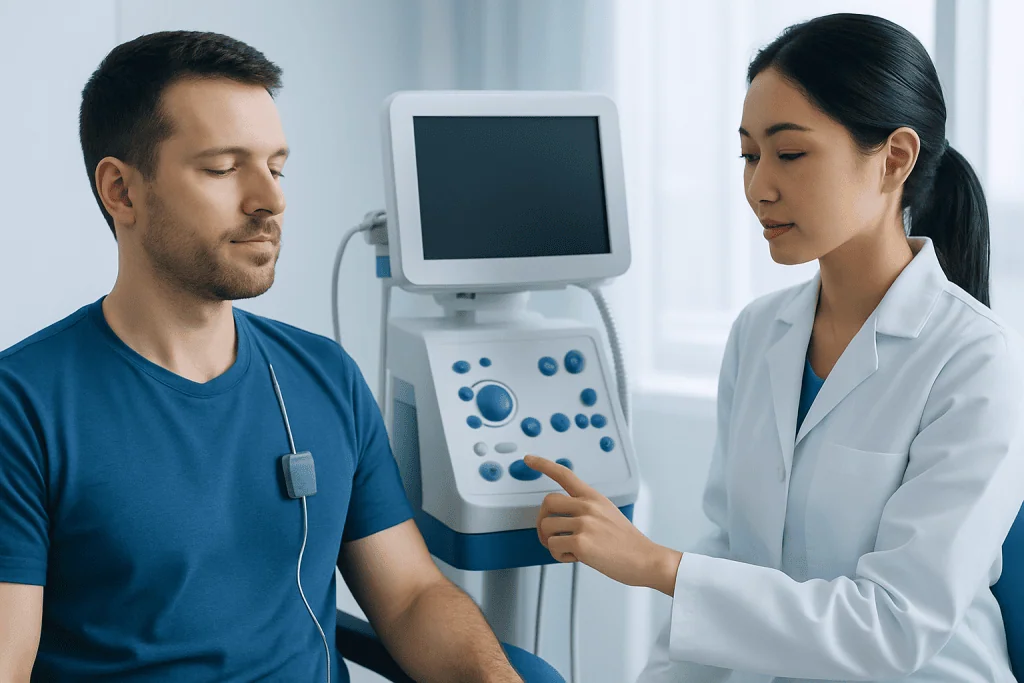
Doctors most often consider vagus nerve stimulation for people with epilepsy whose seizures are not adequately controlled with anti-seizure medications. This is sometimes called drug-resistant or refractory epilepsy. A person may be evaluated for VNS when medications have been tried appropriately but seizures still interfere with safety, daily life, learning, work, or sleep.
VNS may be discussed when brain surgery is not possible, is not preferred, or is unlikely to help because seizures arise from more than one area of the brain. In these situations, neuromodulation can be an important option within a broader epilepsy treatment plan. It may be considered alongside continued medication and ongoing follow-up for epilepsy.
In some cases, VNS is also considered for symptoms linked to treatment-resistant depression, although this falls outside core neurological use and depends on local approval and specialist expertise. Research is ongoing in other conditions, but established use remains selective. A neurologist or multidisciplinary team helps determine whether the expected benefits are likely to outweigh the burdens of implantation and follow-up.
How It Works and What the Procedure Involves

A VNS system usually includes a small pulse generator placed under the skin of the upper chest and a thin lead connected to the left vagus nerve in the neck. The device sends programmed electrical signals at regular intervals. These signals travel through the nerve to brain pathways that can affect seizure activity and other functions.
The implantation procedure is typically performed in an operating room under anesthesia. Small incisions are made in the chest and neck to place the generator and lead. The surgery itself is usually shorter and less invasive than brain surgery, but it still requires careful planning, recovery time, and wound care.
After implantation, the device is activated and adjusted during follow-up visits. Settings are changed gradually to balance benefit and side effects. Some systems also allow a patient or caregiver to use a handheld magnet to trigger an extra stimulation during a seizure or when warning symptoms appear, if the care team advises this.
As a neuromodulation approach, VNS may be part of a wider treatment pathway that can also include epilepsy surgery evaluation or other neuromodulation therapies when appropriate.
Symptoms and Conditions That May Lead to Evaluation
Repeated seizures despite medication are the main reason VNS is considered in neurology. These seizures may be focal or generalized, and they can range from brief awareness changes to convulsive episodes. For some people, the concern is not only seizure frequency but also injuries, emergency visits, prolonged recovery, or disruption of education, work, and independence.
A person may also be referred for VNS evaluation if side effects from medications are difficult to tolerate or if multiple medicines have not provided enough control. Symptoms that can prompt specialist review include blackout episodes, unexplained falls, staring spells, sudden muscle jerks, and recurrent seizure clusters.
Evaluation is especially important when the diagnosis is uncertain. Not every episode that looks like a seizure is epilepsy, and symptoms can overlap with fainting, sleep disorders, migraine, or movement disorders. A careful assessment helps ensure that VNS is being considered for the right reason and at the right time.
- Seizures continuing despite appropriate medication trials
- Seizure-related injuries or safety concerns
- Frequent episodes affecting daily life or school performance
- Intolerable medication side effects
- Unsuitability for resective brain surgery
Diagnosis and Pre-Treatment Assessment
Before recommending VNS, specialists confirm the diagnosis and review previous treatment history carefully. This often includes a detailed medical history, neurological examination, and review of seizure descriptions from the patient and family. Doctors also assess how often symptoms occur, what triggers may be present, and how much the condition affects daily activities.
Tests may include electroencephalography (EEG), brain MRI, blood tests, and in some cases prolonged video-EEG monitoring. These tests help define seizure type, look for structural causes, and determine whether other treatment options should be considered first. Some patients are also evaluated by epilepsy surgery teams before VNS is chosen.
The pre-treatment discussion covers realistic expectations, possible side effects, device maintenance, and the need for long-term follow-up. Doctors may review voice use, swallowing issues, sleep symptoms, and other health conditions because these can influence comfort with stimulation. Shared decision-making is an important part of choosing VNS.
Benefits, Limitations, and Possible Side Effects
Vagus nerve stimulation can help reduce seizure frequency and may lessen seizure intensity or shorten recovery time in some patients. Many people continue taking medication, but improved symptom control may allow better participation in school, work, social activities, and sleep routines. Benefits often build gradually, sometimes over several months after the device is activated and adjusted.
It is important to understand that VNS does not help everyone to the same degree. Some people have a noticeable reduction in seizures, while others have a more modest response. Complete seizure freedom is less common than partial improvement, so treatment goals should be clear from the beginning.
Common side effects are often related to stimulation and may include hoarseness, throat discomfort, coughing, a tingling sensation in the neck, or shortness of breath during stimulation cycles. These effects are often mild and may improve when settings are adjusted. As with any surgical procedure, there are also risks such as infection, pain, or device-related complications that should be discussed with the surgical team.
Patients with complex seizure disorders may also benefit from coordinated evaluation in centers that manage comprehensive epilepsy treatment through neurology, neurosurgery, imaging, and rehabilitation support.
Life After Implantation and Self-Care
Follow-up after VNS implantation is essential. The care team checks healing, activates the device if this has not already been done, and adjusts the stimulation settings over time. These visits help tailor the treatment to the patient’s symptoms and tolerance, and they are an important part of achieving the best possible benefit.
People with VNS usually continue their prescribed medications unless their doctor advises changes. Keeping a symptom diary can be helpful for tracking seizures, warning signs, sleep patterns, medication effects, and any stimulation-related symptoms. This information helps the neurologist decide whether settings or medications should be adjusted.
Patients should also ask about practical issues such as medical identification, airport security, MRI compatibility, and use of magnets or electronic devices. Certain scans or procedures may require special planning because of the implanted device. Clear communication with all healthcare providers is important.
Near the end of the battery life, the generator may need replacement through a smaller procedure. For international patients, Acibadem International’s multidisciplinary specialists and JCI-accredited hospitals provide assessment and treatment planning for neuromodulation conditions when VNS is being considered.
When to See a Doctor
A doctor should be consulted if neurological symptoms are recurring, worsening, or not responding well to current treatment. Repeated seizures, unexplained episodes of lost awareness, falls, or injuries deserve specialist review. Early reassessment can help confirm the diagnosis and open the door to additional treatment options, including VNS when appropriate.
Anyone who already has a VNS device should seek medical advice if there are signs of infection at the incision site, increasing pain, sudden voice changes that are severe, trouble swallowing, breathing difficulty, or concern that the device is not working properly. These problems are not always serious, but they should be checked promptly.
Emergency care is needed for prolonged seizures, repeated seizures without recovery in between, significant injury, severe breathing problems, or loss of consciousness that does not improve as expected. Ongoing neurological care remains important even when symptoms improve with treatment.
Frequently asked questions
What is vagus nerve stimulation used for in neurology?
In neurology, vagus nerve stimulation is mainly used for epilepsy that remains poorly controlled despite medication. It may help reduce how often seizures happen or how severe they are. In selected settings, it may also be considered for other conditions after specialist review.
Does VNS cure epilepsy?
VNS does not usually cure epilepsy. Its main role is to improve seizure control and support daily functioning. Many patients still need anti-seizure medications after implantation.
How long does it take for VNS to start working?
Some people notice changes within weeks, but benefits often develop gradually over months. The device settings are usually adjusted over time to find the best balance between symptom control and comfort. Regular follow-up is an important part of treatment.
What are the common side effects of vagus nerve stimulation?
Common side effects include hoarseness, coughing, throat discomfort, and a tingling or pulling feeling in the neck during stimulation. Some people notice mild shortness of breath or voice changes. These effects are often manageable and may improve with device adjustment.
Can a person still have MRI scans with a VNS device?
Some people with VNS can still have MRI scans, but special precautions may be needed. MRI compatibility depends on the specific device and the body area being scanned. The imaging team and the neurologist should always be informed before scheduling the scan.
Who is a good candidate for VNS?
A good candidate is usually someone with confirmed epilepsy whose seizures continue despite appropriate medicine trials, especially if standard brain surgery is not suitable. Suitability also depends on overall health, seizure type, treatment goals, and the expected balance of benefits and risks. A specialist team makes this decision after careful evaluation.
References
- National Institute of Neurological Disorders and Stroke
- International League Against Epilepsy
- American Academy of Neurology
- National Institute for Health and Care Excellence
- Epilepsy Foundation
This article is for general information only and is not a substitute for professional medical advice. Please consult a qualified doctor about your individual situation.
Explore treatments in Turkey — costs, top hospitals & a free quote
JCI-accredited · board-certified surgeons · reply within 24h
Add us as a Preferred Source to see more of our trusted health content across Google Search, AI Overviews and Discover.

More from the Health Library

Related Specialists

Dr. Hudheifa Yussuf Haji
Inpatient Clinic Physicians Clinical Service
Assoc. Prof. Dr. Onur Taşar
Cardiology
Dr. Hasan Cem Güneyli
Anesthesiology
Dt. Çiğdem Erginöz
Oral & Dental Health