

What to Eat After a Colonoscopy: A Gentle First-Day Menu and Foods to Avoid
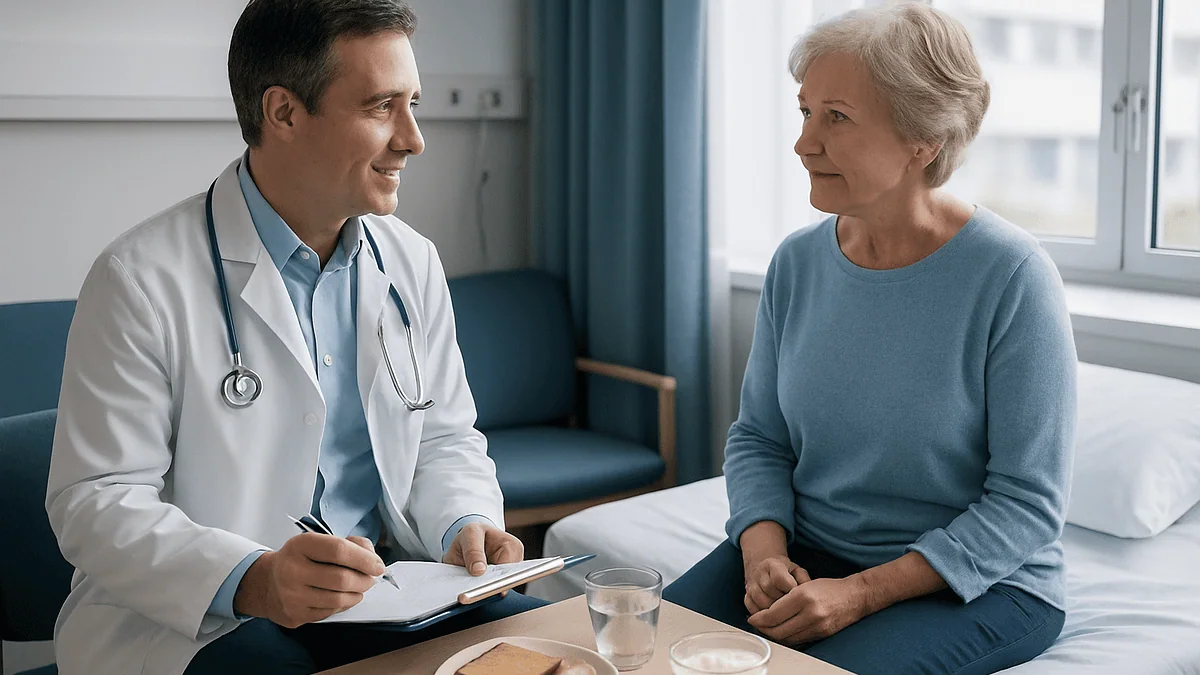
Key Takeaways
- Sedatives linger for about 24 hours after a colonoscopy, which is why driving, alcohol, and signing important documents stay off-limits for a full day, not just until you feel awake.
- The post-procedure bloating comes from air or carbon dioxide pumped into the colon during the exam, and a short walk clears it faster than lying still.
- There is no evidence-based blanket dairy ban after colonoscopy, yogurt is actually one of the better first foods, though a large high-fat dairy load can worsen day-one bloating.
- Bowel prep leaves you down on both fluid and electrolytes, so broth-based soup, which replaces sodium and water together, is arguably the smartest first real meal.
- Not having a bowel movement for a few days afterward is normal, because the prep emptied your colon completely and it takes time to refill.
- Studies sampling the microbiome around colonoscopy find it rebounds toward baseline on its own; steadily reintroduced fiber and fermented foods support that recovery better than any supplement protocol.
After a colonoscopy, begin with light, easy-to-digest foods and plenty of fluids: water, broth-based soups, crackers, scrambled eggs, yogurt, white rice, cooked vegetables, and soft fruit. Most people can return to their usual diet by the next day unless their care team advises otherwise. Avoid alcohol for at least 24 hours after sedation, and hold off on greasy, spicy, or very high-fiber meals until any bloating and cramping have settled.
Ask anyone who has just had a colonoscopy what they remember, and it’s rarely the procedure itself. It’s the snack. A sleeve of saltines and a small cup of apple juice in the recovery bay, eaten with the gratitude of someone who hasn’t touched solid food in roughly a day and a half.
Then comes the harder question, usually asked from the passenger seat on the way home: what now? A cheeseburger? Soup? Nothing? Discharge sheets vary wildly, some ban dairy, some ban nothing, some just say “resume normal diet” and leave you guessing what normal means for a colon that has just been rinsed clean.
The good news is that the evidence here is reassuring and refreshingly simple. Your gut recovers faster than you’d think. The trick is knowing which restrictions are real, which are folklore, and which few situations genuinely change the rules.
Can I Eat Right After a Colonoscopy?
Yes, and usually sooner than people expect. Once the sedation has worn off enough for you to swallow safely and you’ve been cleared to leave, most endoscopy units offer a light snack and something to drink on the spot. MedlinePlus discharge guidance is straightforward: unless your doctor tells you otherwise, you can generally return to regular foods after the test, though many people feel better easing in gently for the rest of the day.
There’s a reason the first bite feels so good. Standard bowel prep means you’ve had nothing but clear liquids for a day or more, and nothing at all for several hours before the procedure. Your stomach is empty, your blood sugar is on the low side, and your body is mildly dehydrated from the prep itself.
That combination argues for a specific strategy: eat soon, but eat small. A modest snack within the first hour, crackers, toast, a banana, steadies blood sugar without asking a sleepy digestive system to do heavy lifting. Sedatives slow gut motility temporarily, so a large, rich meal in the first few hours can sit uncomfortably and amplify the gas and bloating that follow the exam.
If your gastroenterologist gave you specific instructions, because polyps were removed, a biopsy was taken, or you have another gut condition: those instructions override everything in this article. Personalized advice from the person who just looked inside your colon beats any general guide.
Why Your Gut Wants Gentle Food for the First Few Hours
Understanding the mechanics makes the eating advice intuitive. During a colonoscopy, the physician inflates the colon with air or carbon dioxide to see the lining clearly. Cleveland Clinic notes that this trapped gas is the main reason people feel bloated and crampy afterward, and that passing it, sometimes noisily, is a normal and expected part of the first hours of recovery.
Layer on two other factors. First, sedation. The medicines used to keep you comfortable also relax the smooth muscle of the digestive tract, so everything moves a little slower until they clear. Second, emptiness. Bowel prep flushes out not just stool but a good portion of the fluid and fermentable material your gut normally works with. A colon that is inflated, sedated, and empty is simply not at its best for processing a plate of fried food.
None of this is dangerous: it’s just uncomfortable if you ignore it. Gentle foods ask less of the system while it reboots:
- Low in fat, because fat slows stomach emptying the most of any nutrient
- Low in insoluble roughage, so there’s less bulk moving through an irritated, gassy colon
- Not carbonated, since you already have more gas on board than you want
- Rich in fluid, to start reversing the dehydration from prep
By evening, most people who started gently feel close to normal. Those who celebrated with a large greasy meal at noon often spend the afternoon regretting it on the couch.
The Best First Foods After a Colonoscopy
Think of your first day as a soft-food day, not a punishment. Plenty of genuinely pleasant meals fit the bill, and NIH’s digestive disease institute simply advises following your doctor’s instructions about eating after the procedure, for most people, that means a light diet resuming quickly.
Foods that tend to go down easily in the first hours:
- Fluids first: water, diluted fruit juice, clear broth, herbal tea, and electrolyte drinks: the prep pulled fluid and salts out of you, and replacing both is the single most useful thing you can do
- Simple starches: crackers, white toast, white rice, plain pasta, mashed potatoes
- Soft proteins: scrambled or soft-boiled eggs, poached chicken or white fish, smooth nut butter in small amounts, tofu
- Gentle fruits and vegetables: bananas, applesauce, canned peaches or pears, well-cooked carrots, zucchini, or squash
- Yogurt and kefir: soft, hydrating, protein-rich, and a source of live cultures, more on the dairy question shortly
- Soup: arguably the ideal first real meal, since it delivers fluid, sodium, and calories in one warm, low-effort package
A sensible day one might look like crackers and juice at the clinic, chicken-and-rice soup for a late lunch, then eggs with toast and cooked vegetables for dinner. Nothing exotic, nothing heroic, just food your grandmother would have called “easy on the stomach,” which turns out to be exactly what the physiology supports.
What Should You Not Eat After a Colonoscopy?
There is no long forbidden list, and it helps to be honest about that up front. The colon lining isn’t fragile after a routine exam without polyp removal; you’re avoiding certain foods for comfort, not safety. Still, a handful of categories reliably make the first day worse.
- Fried and heavily fatty foods. Fat is the slowest nutrient to digest, and a sluggish, sedated gut handles it poorly. Fried chicken, loaded pizza, and creamy takeout are better tomorrow than today.
- Very spicy dishes. Capsaicin can irritate a gut that’s already a bit inflamed from prep and instrumentation, and it speeds transit at exactly the moment you’d rather things stay calm.
- Carbonated drinks. You are already carrying extra gas from the procedure; adding more from soda or sparkling water compounds the bloating.
- Big loads of raw roughage. An enormous raw salad, a pile of raw broccoli, corn, popcorn, all fine foods in general, all likely to ferment and bulk uncomfortably in a freshly emptied colon on day one.
- Alcohol. This one is about safety, not comfort. Sedation and alcohol interact, which is why guidance from MedlinePlus and Mayo Clinic puts alcohol off-limits for at least the first 24 hours.
Notice what’s missing from that list: dairy, meat, gluten, coffee. None of them are universally restricted after an uncomplicated colonoscopy, whatever a well-meaning relative or an old photocopied handout says. By the next day, assuming you feel well and were given no special instructions, the menu reopens completely.
Why No Dairy After a Colonoscopy? The Real Story
This is one of the most-searched questions on the topic, and the honest answer is that a blanket dairy ban has thin support. Some discharge sheets do advise limiting dairy for the first day, and the reasoning is plausible: bowel prep flushes out much of the gut’s contents, transit is temporarily disrupted, and for some people that makes lactose briefly harder to handle, more gas, more bloating, looser stool. If you’re already lactose-intolerant, day one after a colonoscopy is not the day your gut becomes forgiving about it.
But notice the gap between “some people feel gassy after milk on day one” and “nobody should touch dairy.” Major patient resources don’t impose a universal dairy restriction after routine colonoscopy; several actively suggest yogurt as a good early food because it’s soft, hydrating, and contains live cultures. That’s a meaningful contradiction to the folklore, and the folklore should lose.
A reasonable, evidence-honest approach:
- Yogurt and kefir: fine for most people from the first day, and arguably among the better choices
- A splash of milk in tea or coffee, a slice of cheese: fine if that’s normal for you
- A giant milkshake, a cream-heavy pasta, a cheese-laden burger: skip on day one, not because it’s dairy, but because it’s a large, high-fat load
- Known lactose intolerance: follow your usual strategy, perhaps a bit more strictly for a day or two
In other words, the problem was never the cow. It’s the quantity and the fat, on a day when your gut prefers modesty.
Can I Eat a Hamburger After a Colonoscopy?
People genuinely ask this, usually because the post-fast hunger is real and a burger is what the imagination serves up. The answer depends almost entirely on timing.
The day of the procedure: technically allowed for most people, practically unwise. A typical restaurant cheeseburger with fries is a large, high-fat meal, and fat is precisely what a sedated, gas-filled gut struggles with in the first hours. Many people who go straight from the endoscopy center to the drive-through spend the afternoon bloated and crampy. If the craving is non-negotiable, a smaller, plainer version, modest patty, plain bun, no fries, no soda, is the compromise your colon would negotiate for.
The next day: yes, for most people, without hesitation. Once sedation has fully cleared, gas has passed, and you’re eating and drinking comfortably, an uncomplicated colonoscopy places no restriction on burgers or anything else. MedlinePlus discharge guidance frames the default as a return to your regular diet unless your doctor says otherwise.
The exception: polyp removal. If tissue was removed, especially a larger polyp, your gastroenterologist may hand you specific instructions about diet, alcohol, activity, and certain blood-thinning medicines for several days. Those instructions win. When they conflict with your appetite, the appetite waits.
One gentle reframe worth carrying forward: colorectal screening exists because diet and lifestyle shape long-term colon health, and CDC now recommends regular screening starting at age 45. A burger the day after is fine. A pattern heavy in processed meat every day is a different conversation, and a better one to have with the exam behind you.
What About Coffee, Tea, and Alcohol?
Three drinks, three different answers.
Coffee and tea: generally fine once you’re home and drinking normally. Caffeine is a mild diuretic, though, and you’re starting the day already behind on fluids from the prep, so pair your coffee with water rather than making it your only beverage. If your stomach feels unsettled, a smaller cup or a switch to tea for the first day is kinder. Some people find strong black coffee on a completely empty, post-prep stomach triggers cramping; food alongside solves most of that.
Alcohol: a clear no for at least 24 hours, and this is the one drink rule with real teeth. The sedatives used during colonoscopy linger in your system well after you feel awake, and alcohol amplifies their effects on breathing, coordination, and judgment. Both MedlinePlus and Mayo Clinic patient guidance instruct patients to avoid alcohol for the first day after sedation. If polyps were removed, your care team may extend that window, alcohol can interact with bleeding risk and with any medicines you’ve been asked to pause or restart, so defer to their timeline.
Carbonated drinks: not dangerous, just counterproductive. The bloated, distended feeling after a colonoscopy comes from gas introduced during the exam; a fizzy drink adds more. Flat fluids, water, broth, diluted juice, electrolyte drinks, do the rehydration job better anyway.
By day two, assuming an uncomplicated exam and no contrary instructions, all three return to their usual place in your life.
Eating After Polyp Removal: When the Rules Change
Everything above describes recovery from a routine look-and-see colonoscopy. Polyp removal, a polypectomy, changes the picture, because there is now a small wound on the colon wall that needs days to heal.
Finding a polyp is common and usually not alarming; removing polyps is precisely how colonoscopy prevents many colorectal cancers rather than just detecting them, which is central to why the CDC recommends screening from age 45. But the aftercare is more specific, and it varies with the size and number of polyps and how they were removed.
Depending on the case, your gastroenterologist may ask you to:
- Stay on a light or soft diet for longer than one day
- Avoid alcohol for several days rather than 24 hours
- Temporarily avoid nuts, seeds, popcorn, or other hard, sharp-edged foods: a precaution some clinicians use after larger removals, though practice varies
- Pause or delay restarting blood-thinning medicines on a schedule set jointly with the prescribing clinician: these medicines reduce clotting, which is exactly why timing around a fresh removal site matters, and why the decision belongs to your doctors, not a blog
- Limit heavy lifting or strenuous exercise for a defined number of days
The key point: after polypectomy, your discharge instructions are not generic boilerplate. They’re calibrated to what was actually done inside you. If you left the center groggy and can’t remember what was said, extremely common, and one reason MedlinePlus advises having a companion present, call the office and ask them to repeat it. They expect that call.
How to Restore Gut Health After a Colonoscopy
Search results overflow with plans to “repopulate” your microbiome after bowel prep, so let’s be honest about what the evidence actually shows. Prep does temporarily disrupt the gut’s bacterial community: it flushes out enormous amounts of the material those microbes live in and on. But studies that have sampled the microbiome before and after colonoscopy generally find it drifts back toward its baseline on its own, without any special protocol. Your gut ecosystem is more resilient than the supplement aisle suggests.
That said, a few evidence-aligned habits genuinely support the rebound rather than merely accompanying it:
- Reintroduce fiber steadily. Fiber is the fuel gut bacteria ferment; it’s how you feed the community back to strength. Start with gentler soluble sources, oats, bananas, cooked vegetables, applesauce, and build back to whole grains, beans, and raw produce over the following days as comfort allows.
- Eat fermented foods. Yogurt, kefir, sauerkraut, kimchi, and miso deliver live cultures through food, an approach Harvard Health highlights as a sensible way to get probiotics without leaning on pills.
- Keep drinking. A well-hydrated colon moves contents normally, and normal transit is part of a normal microbial environment.
- Skip the dramatic gestures. There’s no good evidence that post-colonoscopy cleanses, restrictive “gut reset” diets, or megadose supplement stacks speed recovery, and restrictive eating removes exactly the fiber your microbes need.
As for probiotic supplements specifically: the research is mixed, strain-dependent, and far from a blanket endorsement. If you enjoy yogurt, you’re already doing the version with the best food-based support. Anything beyond that is optional, not essential.
Don't Skip This: Rehydrating After Bowel Prep
If this article could promote one item to the top of your post-colonoscopy list, it wouldn’t be a food at all. It would be fluids, and most people underestimate how far behind they are.
Bowel prep works by drawing water into the colon and flushing everything through. That water comes with electrolytes, sodium and potassium among them, and while you drink large volumes during prep, much of it exits promptly. Add the hours of fasting before the procedure, and many people arrive at their exam mildly dehydrated and leave it the same way. The headache, lightheadedness, and washed-out fatigue people blame on sedation are often partly a fluid deficit wearing a disguise.
Rehydrating well is not complicated:
- Drink steadily through the day rather than gulping a liter at once: a glass every hour or so is a comfortable rhythm
- Include some salt: broth-based soup is the quiet hero here, replacing sodium and fluid together in a form an empty stomach accepts gladly
- Potassium-rich soft foods, bananas, potatoes, orange juice, yogurt, cover the other main electrolyte
- An oral electrolyte drink is a fine shortcut, especially if you felt dizzy after the prep
- Use your urine as the gauge: pale yellow means you’re caught up; dark amber means keep going
People who prioritize fluids on day one consistently report feeling more like themselves by evening. It’s the least glamorous advice in this article and probably the most useful.
A Realistic Day-One Eating Timeline
Every recovery is a little different, but the arc of a comfortable first day is remarkably consistent. Here’s what it tends to look like for someone after an uncomplicated colonoscopy, with clearance to resume eating:
| When | What works well | Why it helps |
|---|---|---|
| First hour (recovery area) | Crackers, juice, water | Steadies blood sugar after the fast without taxing a sedated gut |
| Back home, late morning | Broth-based soup, toast, herbal tea | Rehydrates and replaces sodium; warm liquids can ease gas cramps |
| Afternoon | Yogurt, banana, applesauce; a short gentle walk | Soft nutrition plus movement, which helps trapped gas escape |
| Evening | Eggs or poached chicken, rice or potatoes, cooked vegetables | A real meal in low-fat, low-roughage form as motility returns |
| Next morning | Regular diet, unless told otherwise | Sedation cleared, gas passed: the default per standard discharge guidance |
| Days 2–5 | Build fiber back: whole grains, beans, fruit, salads | Refeeds the gut microbiome as comfort allows |
Treat the table as a shape, not a schedule. Some people are eating dinner-sized meals by 3 p.m. and feel fine; others want soup and an early night. Both are normal. The only fixed lines are the ones your care team drew: the 24-hour rules around alcohol and driving after sedation, and any polyp-specific instructions, and those aren’t shaped by how hungry you feel.
What Should You Not Do After a Colonoscopy?
Food gets most of the attention, but the more consequential rules for the first 24 hours are about what stays off the schedule entirely. All of them trace back to one fact: the sedative medicines used during the procedure impair reflexes, coordination, and judgment for hours after you feel alert. MedlinePlus and Mayo Clinic guidance converge on the same list.
- Don’t drive. Not home from the procedure, and not later that afternoon when you feel “basically fine.” You need a companion to take you home, and the driving restriction runs a full 24 hours. The same logic applies to cycling and operating machinery.
- Don’t drink alcohol. Covered earlier, worth repeating: it compounds sedation for at least 24 hours.
- Don’t sign anything that matters. Contracts, legal documents, major financial decisions, sedation measurably clouds judgment even when you feel sharp. Give it a day.
- Don’t return to strenuous exercise or heavy lifting until cleared, particularly after polyp removal, when your team may specify a longer pause.
- Don’t restart paused medicines on your own. If you were asked to hold certain medicines, blood thinners are the classic example, the restart timing is a clinical decision that belongs to the prescriber.
What you should do reads almost like a prescription for a pleasant sick day: rest, hydrate, eat lightly, take a short walk to help the gas move, and let someone else handle dinner. Most people are back to work and routine the following day.
What Normal Recovery Feels Like: Gas, Cramps, and the Missing Bowel Movement
Knowing what’s normal spares a lot of unnecessary worry, so here’s the unvarnished version.
Gas, and plenty of it. The air or carbon dioxide used to inflate your colon has to leave the way it came. Cleveland Clinic describes bloating and gas as the most common after-effects, typically easing over the first hours as you pass it. This is one context where flatulence is genuinely a sign of progress. Walking around the house speeds it along far better than lying still.
Mild cramping. Brief, wave-like abdominal cramps as the gas moves are expected. They should be mild and improving, not severe and escalating: that distinction matters, and the next section covers the escalating kind.
A quiet colon. Here’s the one that catches people off guard: you may not have a bowel movement for a few days, and that’s not constipation in the usual sense. The prep emptied your colon completely; it takes time for enough material to move through and accumulate before there’s anything to pass. Eating regular meals, restoring fiber, and drinking well will bring things back on schedule without intervention.
A trace of blood, sometimes. If a biopsy was taken or a polyp removed, a small amount of blood with the first bowel movement can be normal: your discharge instructions will say what to expect. More than a trace, or bleeding that continues, is a call-the-office situation.
Fatigue. Between the fasting, the prep, and the sedation, feeling wiped out for a day is common. Sleep is part of the treatment plan.
When to Call Your Doctor
Serious complications after colonoscopy are uncommon, but they exist, and they announce themselves in recognizable ways. Mayo Clinic and MedlinePlus guidance agree on the red flags: contact your care team promptly, or seek emergency care, if you develop severe or worsening abdominal pain (especially pain that makes your belly rigid or tender to the touch), fever or chills, repeated vomiting, more than a small amount of rectal bleeding, blood that keeps coming with successive bowel movements, black or tarry stools, dizziness or fainting, or chest pain and trouble breathing. These can signal bleeding at a biopsy or polypectomy site or, rarely, a perforation of the bowel wall, both treatable, and both treated best early.
A useful rule of thumb for the gray zone: normal recovery gets better hour by hour, while complications get worse. Cramping that fades through the afternoon is expected; pain that intensifies through the evening is not. A streak of blood after a polypectomy may be anticipated; passing clots is not. When your gut instinct says something is off, make the call, endoscopy teams field these questions every day, and no one will think you’re overreacting.
Keep your discharge paperwork and the unit’s phone number handy for the first week, particularly if polyps were removed, since delayed bleeding can occasionally appear several days after the procedure. It’s a small piece of preparedness that turns a frightening moment into a quick phone call.
Frequently asked questions
Why no dairy after a colonoscopy?
A universal dairy ban isn’t supported by evidence. Some discharge sheets suggest limiting dairy on day one because a freshly emptied gut can briefly handle lactose less well, causing gas or loose stool in sensitive people. But major patient resources don’t restrict dairy after routine colonoscopy, and yogurt is often recommended as a good early food. Skip large, high-fat dairy loads like milkshakes on day one; modest amounts are fine for most people.
Can I eat a hamburger after a colonoscopy?
By the next day, yes: an uncomplicated colonoscopy places no restriction on burgers once sedation has cleared and you’re eating normally. On the day of the procedure itself, a large greasy burger with fries is likely to cause bloating and cramping, because fat digests slowly and your gut is sedated and gas-filled. If polyps were removed, follow your gastroenterologist’s specific diet instructions before returning to heavier meals.
How soon can I eat after a colonoscopy?
Usually within the first hour, once sedation has worn off enough to swallow safely, most endoscopy units offer crackers and juice before you leave. Standard discharge guidance allows a return to regular foods unless your doctor says otherwise, though light, low-fat meals for the rest of the day are more comfortable for most people. Anyone who had polyps removed or biopsies taken should follow the individualized instructions they were given.
What should you not do after a colonoscopy?
For 24 hours after sedation: don’t drive, cycle, or operate machinery; don’t drink alcohol; and don’t sign contracts or make major decisions, because sedatives impair judgment even when you feel alert. Avoid strenuous exercise until cleared, especially after polyp removal, and never restart paused medicines such as blood thinners without your prescriber’s go-ahead. Rest, hydrate, eat lightly, and take short walks to help release trapped gas.
How do I restore gut health after a colonoscopy?
Mostly by getting out of your gut’s way, research sampling the microbiome around colonoscopy finds it returns toward baseline on its own. You can support that rebound by reintroducing fiber steadily (oats, bananas, cooked vegetables first, then beans and whole grains), eating fermented foods like yogurt, kefir, and sauerkraut, and staying well hydrated. Evidence for probiotic supplements is mixed and strain-dependent, so food-based sources are the better-supported starting point.
When will I have my first bowel movement after a colonoscopy?
It commonly takes a few days, and that’s expected rather than a problem. Bowel prep empties the colon completely, so there’s simply nothing to pass until you’ve eaten enough regular food to move through your system. Normal meals, gradually restored fiber, and plenty of fluids will bring things back on schedule. If you develop worsening pain, vomiting, or significant bloating along with the absence of stool, contact your care team.
Can I drink coffee after a colonoscopy?
Yes, once you’re home and drinking fluids comfortably. Coffee isn’t restricted after a routine colonoscopy, though it’s mildly diuretic and you’re starting out dehydrated from the prep, so pair it with water rather than making it your only fluid. Strong coffee on a completely empty stomach can trigger cramping in some people, so having food alongside helps. Alcohol is the drink with a firm 24-hour restriction, not caffeine.
What can I eat after a colonoscopy with polyp removal?
Follow the specific instructions your gastroenterologist gave you: they’re calibrated to the size and number of polyps removed. Teams may advise a soft or light diet for longer than a day, avoiding alcohol for several days, and sometimes temporarily skipping hard foods like nuts, seeds, and popcorn after larger removals. Timing for restarting any paused blood-thinning medicines is a decision for the prescribing clinician. If you can’t recall your instructions, call the office.
Is bloating and gas normal after a colonoscopy?
Yes: it’s the most common after-effect. The physician inflates the colon with air or carbon dioxide to see the lining, and that gas has to pass afterward, usually within the first hours. Gentle walking helps release it far better than lying still, and avoiding carbonated drinks keeps you from adding more. Mild, wave-like cramps as the gas moves are expected; severe or steadily worsening pain is not and warrants a call to your doctor.
Can I eat spicy food after a colonoscopy?
Better to wait until the next day. Spicy food isn’t dangerous after a routine colonoscopy, but capsaicin can irritate a gut lining that’s already mildly inflamed from prep and the procedure, and it speeds intestinal transit at a moment when your system prefers calm. Most people who eat very spicy meals on day one report more cramping and urgency. By day two, assuming you feel well and had no polyps removed, your usual spice level is back on the menu.
References
- MedlinePlus: Colonoscopy discharge
- Cleveland Clinic: Colonoscopy
- NIH NIDDK: Colonoscopy
- CDC: Screening for Colorectal Cancer
This article is for general information only and is not a substitute for professional medical advice. Please consult a qualified doctor about your individual situation.

More from the Blog
Chills Without Fever: What Your Body Might Be Signaling
Chills without a fever usually mean the body is losing heat or reacting to signals that mimic cold. Common causes include cold exposure, anxiety,…
How to Tell If You Have Appendicitis, and Whether It Can Go Away on Its Own
Appendicitis usually begins as a dull ache around the belly button that, over several hours, sharpens and settles in the lower right abdomen, often…
Food Poisoning Symptoms: The Timeline by Culprit and When It Is Serious
Food poisoning symptoms, nausea, vomiting, stomach cramps, diarrhea, and sometimes fever, usually begin between 30 minutes and 3 days after eating contaminated food, depending…
Heat Exhaustion vs Heat Stroke: The Difference That Saves Lives
Heat exhaustion causes heavy sweating, clammy skin, dizziness, nausea, and weakness, but the person still thinks clearly. Heat stroke is a medical emergency: body…
Is Hepatitis B Curable, and Does It Go Away?
Hepatitis B is not yet curable in the way many infections are, but it often goes away on its own. Most healthy adults who…
Is Ulcerative Colitis Hereditary or Autoimmune?
Ulcerative colitis is both: it has a hereditary component and it is driven by an immune system attacking the lining of the colon. Genes…