

Are Green Beans Good for You? Causes, Explanations, and Next Steps

Green beans are usually a healthy choice and fit well into balanced meals. They provide fiber, vitamins, minerals, and plant compounds with relatively few calories.
Key Takeaways
- Green beans are usually a healthy choice and fit well into balanced meals.
- They provide fiber, vitamins, minerals, and plant compounds with relatively few calories.
- Most concerns relate to preparation methods, digestive sensitivity, or specific medical conditions.
- Raw green beans are best eaten in moderation because cooking improves digestibility.
- Medical advice may be helpful if green beans trigger ongoing digestive symptoms or if a person has kidney disease, food allergy concerns, or difficulty swallowing.
Yes, green beans are generally good for most people. They are a low-calorie, nutrient-rich vegetable that can support digestion, heart health, and overall dietary balance, though some people may need to limit or prepare them differently.
Overview: Are Green Beans Good for You?
Yes, green beans are good for most people. They are a non-starchy vegetable that provides fiber, vitamins, minerals, and beneficial plant compounds while being naturally low in calories. For many people, they are an easy way to add more vegetables to meals without greatly increasing sugar, fat, or sodium.
In everyday practice, eating green beans is harmless for the vast majority of healthy adults and children when they are properly washed and prepared. Concerns usually relate not to the beans themselves, but to how they are cooked, portion size, or an underlying health issue such as digestive sensitivity, kidney disease, or a possible food allergy.
If a person develops red-flag symptoms such as severe abdominal pain, repeated vomiting, trouble breathing, swelling of the lips or throat, blood in the stool, or dehydration after eating, medical care is important. Otherwise, a doctor would usually review symptoms, eating patterns, medicines, and medical history before deciding whether testing is needed.
Green beans are also called string beans or snap beans. They can be eaten steamed, boiled, roasted, stir-fried, or added to soups and salads. Because they are versatile and widely available, they are often a practical choice for people trying to improve overall nutrition.
What Nutrition Do Green Beans Provide?
Green beans contain a mix of nutrients that support general health. They provide dietary fiber, vitamin C, vitamin K, folate, and small amounts of minerals such as potassium and magnesium. They also contain antioxidants and plant pigments that help protect cells from everyday oxidative stress.
One reason green beans are often recommended is that they are nutrient-dense without being energy-dense. In simple terms, they offer useful nutrition for relatively few calories. This can help people build satisfying meals while supporting healthy weight management and steady blood sugar patterns when green beans replace more heavily processed side dishes.
Fiber is one of their main advantages. It can support regular bowel habits, contribute to fullness after meals, and help maintain a healthy gut environment. People seeking broader digestive support may also benefit from learning about digestive health concerns when symptoms such as bloating, constipation, or discomfort persist.
- Fiber: supports digestion and fullness
- Vitamin C: helps with immune function and tissue repair
- Vitamin K: supports normal blood clotting and bone health
- Folate: important for cell function and growth
- Potassium: contributes to healthy fluid balance and muscle function
How Green Beans May Support Health
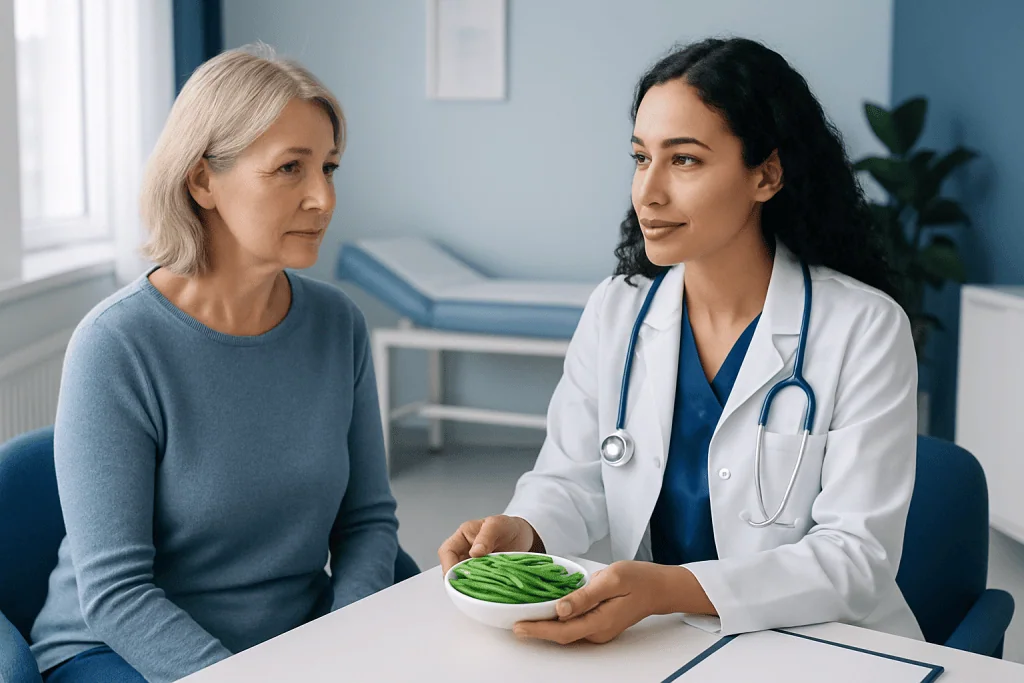
Green beans can support health in several practical ways. Their fiber and water content may help with digestive regularity, and their low calorie density can make meals feel more filling. For people who are trying to eat more vegetables consistently, green beans are often well tolerated and easy to include in family meals.
They may also fit well into eating patterns that support heart and metabolic health. When served with minimal added salt, butter, cream, or processed toppings, green beans can be part of an eating plan aimed at blood pressure control, cholesterol management, and long-term cardiovascular wellness.
Another benefit is flexibility. Green beans can be served as a side dish, mixed into grain bowls, paired with lean proteins, or added to soups. When a person is following a medically guided nutrition plan for conditions such as diabetes, green beans are often a useful vegetable choice because they are non-starchy and generally easier to fit into balanced meals than highly refined carbohydrates.
These benefits do not mean green beans are a treatment on their own. Rather, they are one healthy food that can support a broader pattern of balanced eating, physical activity, adequate sleep, and preventive medical care.
Possible Downsides, Sensitivities, and Who Should Be Careful
Although green beans are healthy for most people, they are not ideal for everyone in every situation. Some people notice gas, bloating, or mild abdominal discomfort after eating larger portions, especially if they are not used to high-fiber foods. This is usually manageable by starting with smaller servings and choosing cooked rather than raw beans.
Raw green beans contain natural compounds called lectins, which can be harder to digest in larger amounts. Normal cooking reduces these compounds and generally makes green beans easier on the stomach. For this reason, lightly cooked green beans are usually preferred over eating large amounts raw.
People with kidney disease may need individualized guidance about potassium and overall diet, especially if they have been told to limit certain vegetables. Those taking blood thinners should also keep dietary changes consistent, since green beans contain vitamin K. This does not necessarily mean avoiding them, but it does mean discussing major changes with a clinician.
Very rarely, green beans or ingredients used with them may trigger an allergic reaction. In some cases, symptoms may come from seasonings, sauces, or cross-contact with other foods rather than the beans themselves. Ongoing digestive symptoms may sometimes overlap with conditions such as irritable bowel syndrome, where food tolerance can vary from person to person.
How Preparation Changes Their Health Value
The health value of green beans depends a great deal on how they are prepared. Steaming, boiling, roasting, or sautéing with modest amounts of healthy oil can preserve their role as a nutritious side dish. These methods usually keep calories and sodium lower than casseroles or heavily processed convenience dishes.
Many of the concerns people associate with green beans come from added ingredients rather than the vegetable itself. Large amounts of butter, cream-based sauces, breaded toppings, or salty canned products can shift a healthy food into a much richer meal. When possible, choosing fresh or frozen green beans and seasoning them with herbs, garlic, olive oil, lemon, or spices may provide a better nutritional balance.
Canned green beans can still be part of a healthy diet, but they may contain more sodium. Rinsing them can help lower the salt content. For people with digestive sensitivity, cooking until tender may also improve comfort compared with eating them very crisp or raw.
If swallowing is difficult because of another medical condition, texture matters too. In that setting, green beans may need to be softened or modified, and a doctor may recommend assessment and digestive and swallowing rehabilitation as part of a broader care plan.
What a Doctor May Review if Green Beans Cause Symptoms
If a person feels unwell after eating green beans, doctors usually start with simple questions rather than assuming the beans are harmful. They may ask how the beans were prepared, how much was eaten, whether the symptoms happen with other foods, and whether there are signs of reflux, constipation, diarrhea, food intolerance, or allergy.
A medical review may also look at medicines, supplement use, hydration, and past digestive history. For example, bloating after green beans may reflect a general sensitivity to fiber, a change in gut habits, or another digestive issue rather than a problem specific to green beans. Depending on symptoms, a clinician may consider evaluation through gastroenterology care.
Testing is not always necessary. If symptoms are mild and occasional, adjusting portion size, cooking method, or overall meal composition may be enough. However, persistent or unclear symptoms can lead to further assessment, such as stool testing, blood work, allergy evaluation, or investigation for underlying gastrointestinal conditions.
This step-by-step approach is reassuring because it helps separate common, harmless reactions from problems that need treatment. In many cases, the answer is simply that the food is healthy but not being tolerated well in its current form or amount.
When to Seek Medical Care
Most people do not need medical care simply because they ate green beans. Temporary fullness, mild gas, or a small change in bowel habits can happen with many fiber-rich foods and often improves with smaller portions, slower eating, and better hydration.
Medical review is more important if symptoms are severe, repeated, or out of proportion to what was eaten. This includes severe abdominal pain, ongoing vomiting, persistent diarrhea, blood in the stool, fever, signs of dehydration, unexplained weight loss, trouble swallowing, or symptoms of allergy such as hives, wheezing, or swelling of the face, lips, or throat.
People with chronic kidney disease, inflammatory bowel symptoms, known food allergies, or major dietary restrictions may also benefit from personalized guidance before making significant diet changes. If a person needs a broader assessment, multidisciplinary specialists at Acibadem International and its JCI-accredited hospitals evaluate digestive and nutrition-related concerns for international patients.
Prompt care matters most when breathing is affected, swallowing becomes difficult, or there is severe weakness, fainting, or ongoing inability to keep fluids down. In these situations, urgent medical attention should not be delayed.
Practical Next Steps for Including Green Beans in a Healthy Diet
For most people, the simplest next step is to include green beans as part of a varied diet rather than viewing them as a special “superfood.” A balanced plate may include vegetables, a source of protein, whole grains or other high-quality carbohydrates, and healthy fats. Green beans work well within this pattern.
Starting with moderate servings can help, especially for people who are increasing fiber intake. Cooking the beans until tender, drinking enough water, and pairing them with other whole foods may improve comfort. If canned beans are used, lower-sodium options or rinsing before use may be preferable.
- Choose fresh, frozen, or low-sodium canned green beans when possible.
- Prefer steaming, roasting, or light sautéing over heavy sauces or processed toppings.
- Increase fiber gradually if green beans or other vegetables cause bloating.
- Keep vitamin K intake consistent if taking blood thinners, and ask a doctor before major changes.
- Seek medical advice if symptoms are persistent, severe, or associated with allergy signs.
Overall, green beans are a healthy choice for most people. The best results usually come from looking at the whole eating pattern, not one food alone, and adapting choices to personal tolerance and medical needs.
Frequently asked questions
Are green beans good for you every day?
For most people, green beans can be eaten regularly as part of a balanced diet. Daily intake is usually fine when meals include a variety of vegetables and the beans are prepared in a healthy way.
Are green beans better cooked or raw?
Green beans are generally easier to digest when cooked. Cooking also reduces natural lectins, so lightly cooked green beans are often the better choice for comfort and routine use.
Can green beans cause bloating or gas?
Yes, they can in some people, especially when eaten in large portions or when fiber intake rises suddenly. This is often mild and can improve with smaller servings, slower eating, and choosing cooked beans.
Are canned green beans still healthy?
Yes, canned green beans can still be a healthy option. The main issue is sodium, so lower-salt varieties or rinsing before eating may be helpful.
Should people with kidney disease eat green beans?
Some people with kidney disease can include green beans, but the right amount depends on their stage of disease and individual dietary plan. A doctor or dietitian can advise whether potassium or other nutrients need to be limited.
Do green beans help with weight management?
They can support weight management because they are low in calories and contain fiber and water, which may help with fullness. They work best as part of an overall healthy eating pattern rather than as a single solution.
References
- U.S. Department of Agriculture
- Academy of Nutrition and Dietetics
- National Institute of Diabetes and Digestive and Kidney Diseases
- American Heart Association
- Mayo Clinic
This article is for general information only and is not a substitute for professional medical advice. Please consult a qualified doctor about your individual situation.
Medical weight-loss options in Turkey — costs & eligibility
JCI-accredited · board-certified surgeons · reply within 24h
Check your numbers in seconds
BMI, calories, due date, blood pressure and 30+ more clinical calculators — free, instant, doctor-reviewed ranges.

More from the Health Library



Related Specialists

Prof. Dr. Hasan M. Tanyeri
Ear Nose & Throat
Dr. Umut Özbebit
Aesthetic Plastic & Reconstructive Surgery
Prof. Dr. Ömer Fatih Ölmez
Medical Oncology
Dr. Emre Kısa
Anesthesiology