Does Ozempic Cause Hair Loss? Causes, Explanations, and Next Steps

Hair loss while taking Ozempic is usually linked to weight loss-related shedding rather than direct damage to hair follicles. A common pattern is telogen effluvium, a temporary increase in shedding that can happen after physical stress, illness, or dietary change.
Key Takeaways
- Hair loss while taking Ozempic is usually linked to weight loss-related shedding rather than direct damage to hair follicles.
- A common pattern is telogen effluvium, a temporary increase in shedding that can happen after physical stress, illness, or dietary change.
- Nutrient gaps, thyroid problems, iron deficiency, hormonal shifts, and other conditions can also cause hair loss during treatment.
- Medical review is important if hair loss is sudden, patchy, associated with scalp symptoms, or lasts more than a few months.
- Balanced nutrition, gradual weight loss when possible, and review of other medical causes can support recovery.
Does Ozempic cause hair loss? In most cases, hair shedding during Ozempic use is not thought to be a direct drug effect and is more often related to rapid weight loss, reduced calorie intake, illness, or other triggers. The shedding is often temporary, but persistent, patchy, or severe hair loss should be assessed by a doctor.
Overview: Can Ozempic Be Behind Hair Shedding?
For most people, hair shedding that starts while taking Ozempic is harmless and temporary. Current understanding suggests that Ozempic itself is not a common direct cause of hair loss. Instead, the more likely explanation is the body’s response to rapid weight loss, reduced food intake, stress on the system, or another unrelated condition that happens around the same time.
This distinction matters. Hair follicles are sensitive to changes in metabolism, nutrition, hormones, and overall health. When the body goes through a significant shift, more hairs can move into the resting phase and shed several weeks or months later. This pattern is called telogen effluvium, and it can happen after weight loss, surgery, infection, childbirth, severe emotional stress, or restrictive eating.
Because Ozempic is used for type 2 diabetes and weight management, people may notice hair changes during a period when many factors are changing at once. Looking only at the medication can miss other common causes such as iron deficiency, thyroid disease, protein deficiency, or hereditary hair loss. A medical review helps separate temporary shedding from conditions that need treatment.
How Hair Loss May Happen During Ozempic Use
The most likely explanation is indirect rather than direct. Ozempic can reduce appetite and food intake, and some people lose weight quickly. When weight loss is rapid or nutrition becomes unbalanced, the body may conserve energy by shifting some hair follicles out of the active growth phase. The result is increased shedding, often noticed in the shower, on a brush, or on a pillow.
Telogen effluvium usually does not cause complete bald spots. Instead, hair may seem thinner all over the scalp, especially at the top or along the part line. Shedding often begins two to three months after the triggering event, so the timing may make it seem as though a new medicine is responsible even when the process started with earlier weight loss or illness.
Another reason hair loss may appear during treatment is that semaglutide-related nausea, fullness, or digestive symptoms can make it harder to meet daily protein and micronutrient needs. This does not happen to everyone, but when calorie intake drops sharply, low intake of iron, zinc, vitamin D, B vitamins, or protein can contribute to shedding. In some patients, the timing may overlap with other conditions such as hair loss or scalp disorders that were already developing.
Common Signs and What Pattern to Look For

Temporary shedding related to weight loss usually appears as diffuse thinning, meaning the hair seems less dense across the scalp rather than falling out in one sharply defined area. People may notice more loose hairs when washing or styling, a wider part, or a ponytail that feels thinner. The scalp often looks normal, without marked redness, scaling, or pain.
Some patterns suggest a different cause. Patchy hair loss can point to alopecia areata. Hair breakage instead of shedding can suggest damage from styling practices or chemical treatments. Flaking, itching, or inflammation may raise concern for a scalp condition. Receding at the temples or gradual crown thinning may be more consistent with hereditary pattern hair loss, which can become more noticeable during periods of increased shedding.
Helpful clues include when the shedding started, how quickly weight changed, whether appetite was significantly reduced, and whether there have been recent illnesses, surgeries, pregnancies, medication changes, or major stress. A doctor may also ask about fatigue, cold intolerance, heavy menstrual bleeding, or dietary restriction because these can point to iron deficiency, thyroid problems, or other underlying causes.
Other Causes to Consider Besides Ozempic
Not all hair loss that happens during Ozempic treatment is related to weight loss. Several common medical causes can appear at the same time and need to be considered. Thyroid disorders, iron deficiency, anemia, low protein intake, vitamin or mineral deficiencies, autoimmune disease, androgen-related hair loss, and recent infection are all recognized triggers for increased shedding.
Type 2 diabetes itself can affect overall health and may overlap with conditions that influence hair growth. Some people also have hair thinning from age, family history, menopause, or chronic stress that becomes more obvious after a temporary shedding episode. Medications other than Ozempic may contribute as well, depending on the person’s full treatment plan.
Doctors also consider scalp disease. Conditions such as seborrheic dermatitis, fungal infection, psoriasis, or scarring alopecias may cause hair loss with visible scalp symptoms. In some cases, an endocrine evaluation is useful, especially if hair changes occur together with weight changes, acne, irregular periods, or other signs of hormone imbalance. If needed, a clinician may coordinate care with specialists in thyroid diseases or dermatology.
- Rapid weight loss or restrictive eating
- Low protein, iron, zinc, vitamin D, or B12 intake
- Thyroid disease or hormonal shifts
- Stress, recent illness, surgery, or high fever
- Genetic pattern hair loss or scalp conditions
How Doctors Evaluate Hair Loss on Ozempic
The diagnostic process usually starts with a careful history rather than assuming the medicine is the sole cause. A doctor will ask when Ozempic was started, how much weight has changed, what the daily diet is like, whether nausea or vomiting reduced intake, and whether there were recent illnesses or stressful events. They will also review other medicines, supplements, family history, and any signs of endocrine or autoimmune disease.
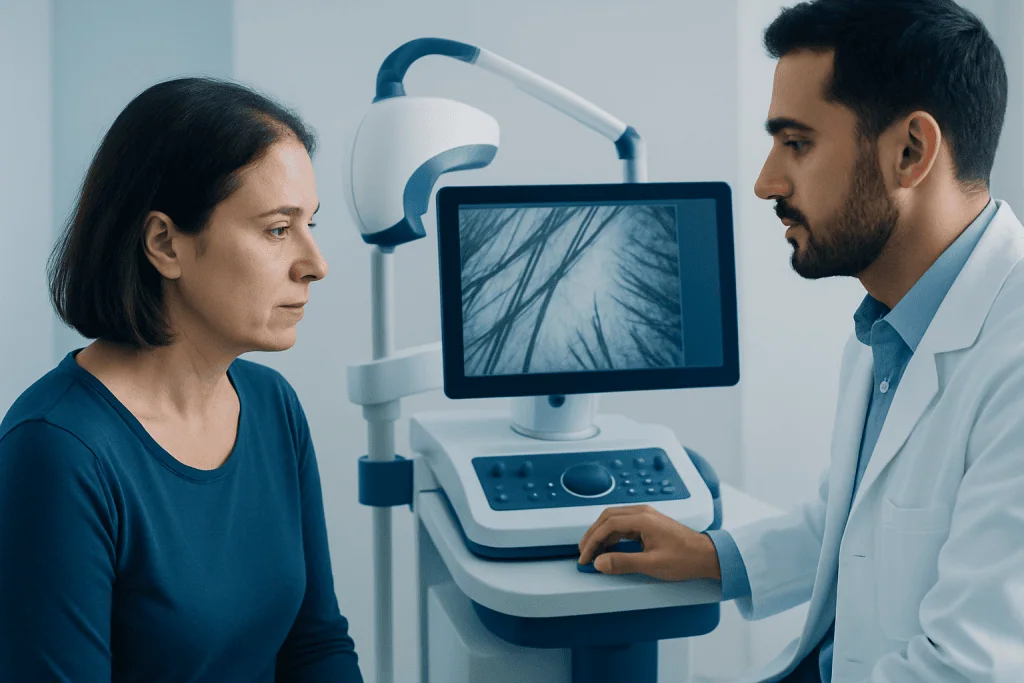
A scalp examination helps identify the pattern. Diffuse shedding with a healthy-looking scalp often supports telogen effluvium. Patchy loss, visible inflammation, scarring, scaling, or broken hairs may point to another diagnosis. In some cases, a pull test or close scalp examination is used to assess active shedding.
Blood tests may be recommended depending on symptoms and risk factors. These can include checks for iron stores, blood counts, thyroid function, vitamin levels, and other markers of nutritional or hormonal imbalance. If the diagnosis remains unclear, referral for dermatology evaluation may help confirm the cause and guide treatment. This step is especially useful when hair loss is prolonged, severe, or not following a typical recovery pattern.
Treatment and Recovery: What Usually Helps
When hair shedding is related to telogen effluvium, the main treatment is to address the trigger and support normal regrowth. That may mean improving nutritional intake, reviewing the rate of weight loss, treating iron deficiency or thyroid disease, and allowing time for the hair cycle to normalize. Many people begin to see improvement over several months once the underlying stressor has passed.
It is important not to stop Ozempic without medical guidance. For some patients, the benefits for blood sugar control or weight-related health are significant, and the best next step may be nutritional support rather than discontinuation. If appetite suppression is making it hard to eat enough, a doctor or dietitian can help plan smaller, protein-rich meals and balanced intake to reduce the risk of deficiency.
Depending on the cause, a doctor may recommend treatment for scalp inflammation, correction of vitamin or mineral deficiencies, or management of hereditary pattern hair loss. Supportive care can also help: gentle hair handling, avoiding tight hairstyles, limiting heat and harsh chemicals, and focusing on steady nutrition. For people with broader weight-management needs, review by specialists in weight-loss treatment options or endocrinology care may be appropriate when medication tolerance, metabolism, or associated conditions need a closer look.
When to Seek Medical Care
Most mild, diffuse shedding is not an emergency, especially if it began after rapid weight loss and the scalp looks normal. Even so, a medical review is sensible if the hair loss is distressing, continues for more than a few months, or seems to be worsening rather than stabilizing. Early assessment can help identify a treatable deficiency or another condition before it progresses.
Prompt medical attention is more important if hair loss is sudden, patchy, or associated with scalp pain, itching, redness, scaling, or scarring. Review is also warranted if there are symptoms such as marked fatigue, dizziness, heavy menstrual bleeding, brittle nails, constipation, cold intolerance, or other signs that suggest anemia, thyroid disease, or nutritional deficiency.
Anyone taking Ozempic should also seek care for significant nausea, vomiting, dehydration, or inability to maintain adequate food and fluid intake, because these issues can affect overall health as well as hair growth. Near the end of the evaluation pathway, patients who need coordinated assessment can be seen by multidisciplinary specialists; Acibadem International’s JCI-accredited hospitals diagnose and treat related endocrine, dermatologic, and nutritional concerns for international patients.
Frequently asked questions
Does Ozempic directly cause hair loss?
Hair loss is not generally considered a common direct effect of Ozempic on the hair follicle. When shedding happens during treatment, it is more often linked to rapid weight loss, reduced calorie or protein intake, stress on the body, or another medical cause.
Is hair loss from Ozempic permanent?
In many cases, no. If the cause is telogen effluvium related to weight loss or illness, the shedding is usually temporary and hair often regrows once the trigger is corrected and the hair cycle resets.
How long after starting Ozempic can hair shedding begin?
Hair shedding linked to a body stressor often starts two to three months after the trigger, not immediately. This delay can make it hard to tell whether the medication, the weight loss, or another change is the main factor.
Should someone stop Ozempic if hair is falling out?
A person should not stop Ozempic without speaking to the prescribing clinician. The best step is usually to review symptoms, diet, rate of weight loss, and possible nutrient or hormonal issues before making changes to treatment.
What tests might a doctor order for hair loss during Ozempic treatment?
Tests depend on the person’s history and symptoms, but may include blood counts, iron studies, thyroid tests, and checks for certain vitamin or mineral deficiencies. The doctor will also examine the scalp and review whether the pattern fits temporary shedding or another form of hair loss.
Can better nutrition help reduce shedding?
Yes, especially if reduced appetite has made it hard to get enough protein, iron, or other nutrients. A balanced eating plan and medical treatment of any deficiencies can support hair regrowth, although improvement may take several months because hair grows slowly.
References
- American Academy of Dermatology
- National Institute of Diabetes and Digestive and Kidney Diseases
- U.S. Food and Drug Administration
- National Institutes of Health
- Mayo Clinic
This article is for general information only and is not a substitute for professional medical advice. Please consult a qualified doctor about your individual situation.
Hair transplant in Turkey — costs, graft counts & a free assessment
JCI-accredited · board-certified surgeons · reply within 24h
Check your numbers in seconds
BMI, calories, due date, blood pressure and 30+ more clinical calculators — free, instant, doctor-reviewed ranges.