Arthrodesis: What Patients Need to Know
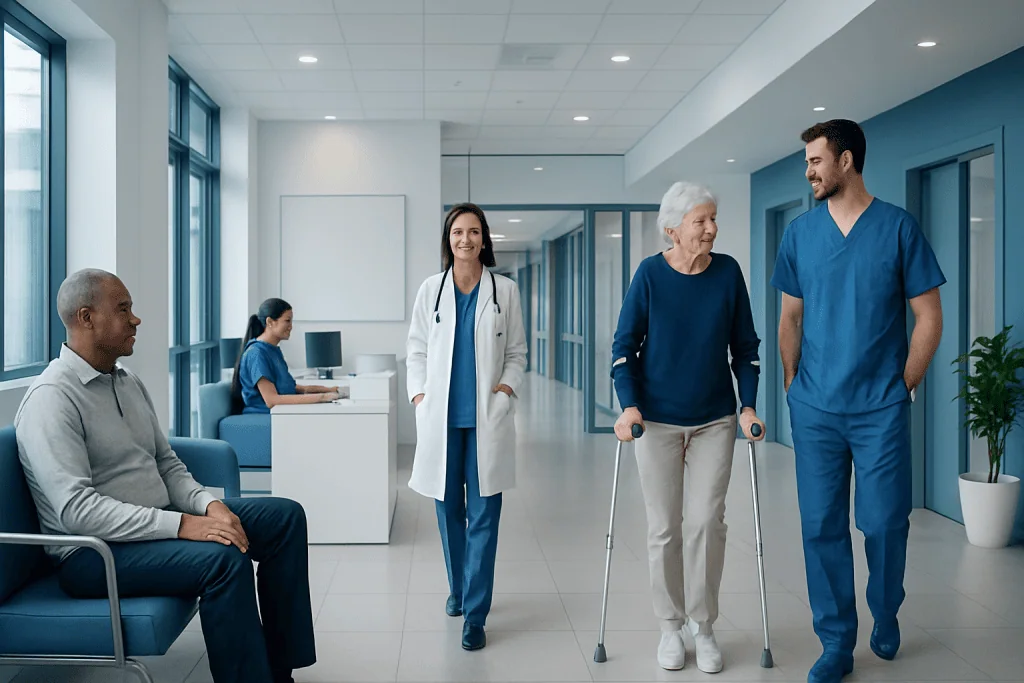
Arthrodesis means surgically fusing a joint so the bones heal into one solid unit. The goal is pain relief and stability, but the fused joint will no longer move.
Key Takeaways
- Arthrodesis means surgically fusing a joint so the bones heal into one solid unit.
- The goal is pain relief and stability, but the fused joint will no longer move.
- It is commonly used for joints affected by severe arthritis, injury, deformity, or instability.
- Recovery can take several months and often includes immobilization, limited weight-bearing, and rehabilitation.
- The right procedure depends on which joint is affected, overall health, and daily activity needs.
Arthrodesis is a surgery that permanently fuses a joint to reduce pain and improve stability when movement in that joint has become harmful or no longer useful. It is most often considered after other treatments have not provided enough relief.
Overview: What arthrodesis means
Arthrodesis is a surgical procedure that joins the bones of a joint together so they heal into one solid bone. In simple terms, it is also called joint fusion surgery. Doctors usually recommend it when a joint causes ongoing pain, instability, or deformity and when preserving motion is less important than creating a stable, pain-reduced joint.
This procedure can be used in different parts of the body, including the ankle, foot, wrist, fingers, spine, and sometimes other joints. The exact technique varies by location, but the principle is the same: the damaged joint surfaces are prepared, the bones are positioned carefully, and hardware such as screws, plates, or rods may be used to hold them together while they heal.
For many patients, the main benefit of arthrodesis is meaningful pain relief. Because the painful joint surfaces no longer move against each other, daily activities may become easier. However, the trade-off is permanent loss of movement in that joint, so the decision is individualized and made after a detailed discussion with an orthopedic specialist.
Why arthrodesis may be recommended
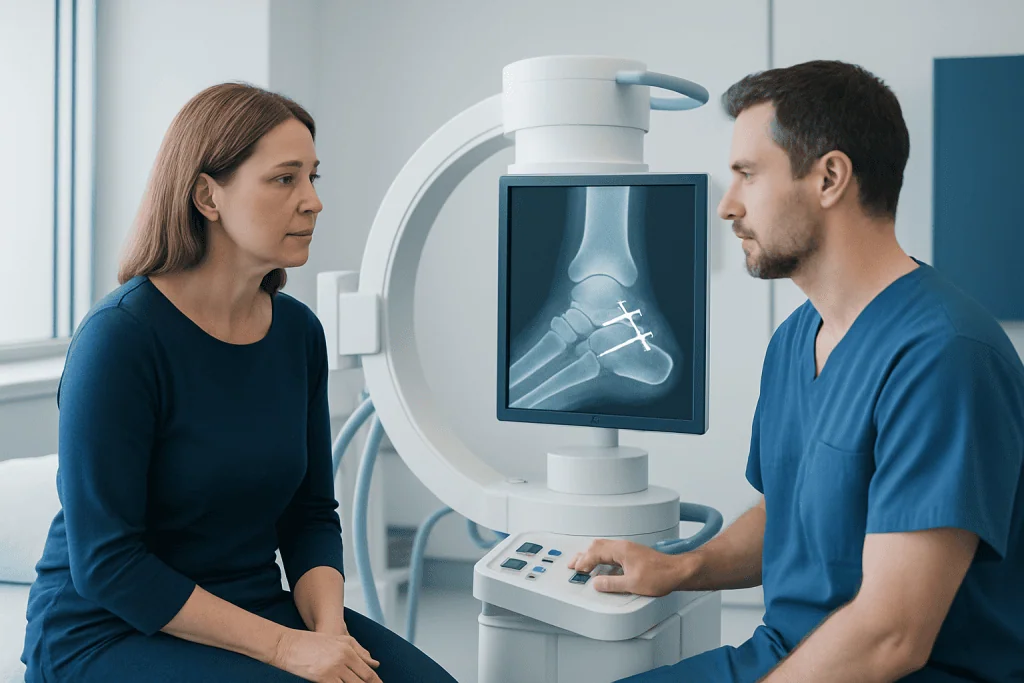
Arthrodesis is usually considered when more conservative treatments have not controlled symptoms well enough. These treatments may include rest, physical therapy, supportive footwear or braces, anti-inflammatory medicines, injections, or activity changes. If pain continues to limit walking, gripping, standing, or other basic functions, surgery may become an option.
Common reasons for arthrodesis include advanced osteoarthritis, inflammatory arthritis, severe joint damage after trauma, chronic instability, and certain deformities. In some cases, a previous surgery or joint replacement may not have worked as expected, and fusion may offer a more reliable solution for stability and pain control.
Doctors also look at how the joint is used in daily life. Some joints tolerate fusion better than others. For example, fusion in selected foot or wrist joints can reduce pain while still allowing the surrounding joints to compensate to some degree. In other situations, preserving movement with another procedure may be preferable, so treatment planning depends on anatomy, symptoms, age, activity level, and expectations.
When arthritis is the main problem, a doctor may compare fusion with other approaches used for arthritis or with reconstructive procedures such as joint replacement surgery if the affected area and patient profile make those options relevant.
Symptoms and conditions that can lead to joint fusion
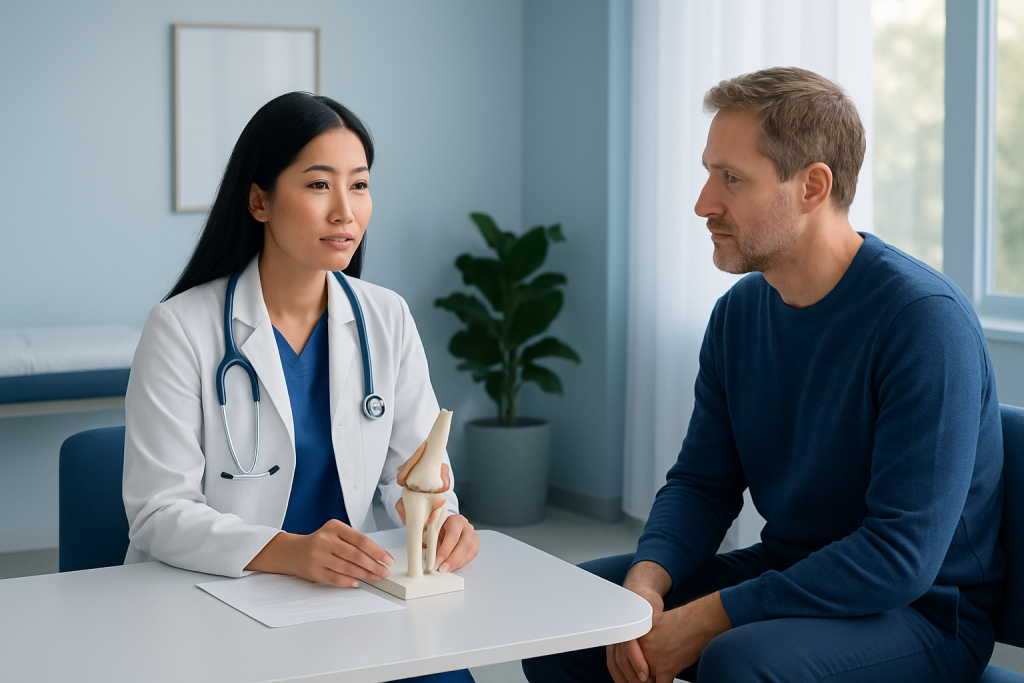
People who eventually need arthrodesis often have persistent joint pain that worsens with use and improves only partly with rest. The joint may feel weak, unstable, swollen, stiff, or deformed. Some patients describe grinding, catching, or a sense that the joint cannot safely support body weight or hand function.
Arthrodesis may be considered in several situations:
- Severe arthritis with loss of cartilage and painful bone-on-bone contact
- Fractures that heal poorly or leave the joint damaged
- Chronic ligament injury leading to instability
- Foot or hand deformities that interfere with movement or shoe wear
- Joint infections that have damaged the joint surfaces
- Nerve or muscle conditions that contribute to abnormal joint mechanics
Symptoms can differ depending on the joint involved. Ankle or foot disease may cause limping, difficulty climbing stairs, or pain during standing. Wrist or finger involvement may affect gripping, writing, or opening containers. Spinal fusion, a form of arthrodesis, is considered in selected cases of instability or degeneration and is evaluated separately from smaller joint fusions.
Because not every painful joint needs to be fused, careful diagnosis matters. Some symptoms may overlap with tendon problems, nerve compression, or inflammatory disease, including conditions such as rheumatoid arthritis. Identifying the true source of pain helps guide the most appropriate treatment.
How doctors diagnose the problem and plan surgery
Diagnosis begins with a medical history and physical examination. The doctor asks where the pain is located, how long it has been present, what makes it worse, and how it affects daily life. During the examination, joint alignment, swelling, tenderness, stability, range of motion, walking pattern, and nearby nerve and blood vessel function are assessed.
Imaging tests are an important part of planning. Standard X-rays often show joint narrowing, bone spurs, deformity, fractures, or poor alignment. In more complex cases, CT scans can provide a clearer view of bone structure, while MRI may be useful if the surgeon needs more information about cartilage, ligaments, or surrounding soft tissues.
The surgeon also evaluates bone quality, circulation, smoking status, diabetes control, and any history of infection, because these factors can affect healing. Some patients need blood tests or additional medical clearance before surgery. If there is any concern that pain may come from more than one location, further evaluation may be needed before deciding on fusion.
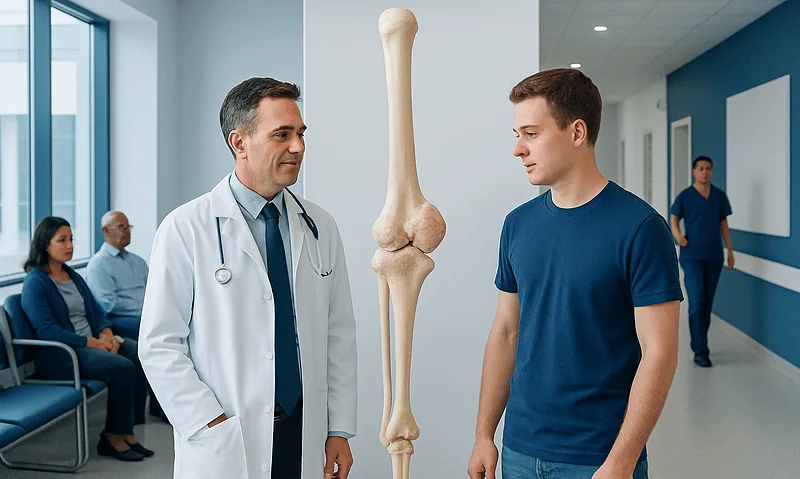
Shared decision-making is especially important. The doctor explains the likely benefits, the permanent loss of motion, expected recovery time, and possible alternatives. In some patients, a reconstructive approach such as hip replacement or knee replacement may be discussed for larger joints when preserving function through replacement is more appropriate than fusion.
What happens during arthrodesis
Arthrodesis is usually performed in a hospital or surgical center under regional or general anesthesia. The surgeon reaches the joint through an open incision or, in some cases, with minimally invasive techniques. The remaining damaged cartilage is removed so the bone surfaces can heal together directly.
Next, the bones are positioned in the most functional alignment for that part of the body. This step is very important because the final position affects comfort, walking pattern, grip, and overall function. The bones are then fixed in place with metal screws, plates, rods, staples, or other devices. Sometimes a bone graft is added to help fusion occur, especially if there is bone loss or a higher risk of nonunion.
The surgery itself is only one part of treatment. After the procedure, the fused area must be protected while healing begins. Depending on the joint, this may involve a cast, splint, boot, brace, or restricted movement plan. Some patients go home the same day, while others stay longer if the surgery is extensive or other medical conditions need monitoring.
Pain control, wound care, and prevention of complications are part of standard postoperative care. The orthopedic team gives specific instructions about activity, medications, bathing, driving, work, and follow-up appointments. Following these instructions closely supports the best possible healing.
Recovery, benefits, and possible risks
Recovery after arthrodesis is gradual. Bone fusion takes time, often several months, and the exact timeline depends on the joint involved, the surgical method, bone quality, and the person’s overall health. During early recovery, swelling and discomfort are expected, and patients may need crutches, a walker, or other support if the leg or foot is involved.
The main benefit of arthrodesis is that it can reduce pain from a severely damaged joint and improve stability. Many patients are able to return to daily activities with less pain once healing is complete. Still, the fused joint no longer moves, and nearby joints may take on more stress over time. This can sometimes lead to discomfort or wear in adjacent joints, especially after foot, ankle, or spinal fusion.
As with any surgery, there are risks. These include infection, bleeding, blood clots, nerve irritation, wound problems, persistent pain, hardware irritation, and failure of the bones to fuse fully, called nonunion. Smoking, poor circulation, uncontrolled diabetes, and some inflammatory conditions may increase the risk of slower healing or complications.
Physical therapy or guided rehabilitation may help patients regain strength, learn safer movement patterns, and return to work or exercise in stages. Good nutrition, avoiding tobacco, and keeping chronic conditions well managed can support recovery. Patients should contact their surgical team promptly if they notice increasing redness, fever, drainage, severe swelling, worsening pain, or changes in circulation or sensation.
Living well after arthrodesis
Life after arthrodesis often involves adaptation rather than limitation. Many people can walk, work, and exercise comfortably after healing, but they may need to adjust how they move. Supportive footwear, custom orthotics, joint protection strategies, and strengthening of nearby muscles can all help reduce strain on surrounding joints.
Weight management, regular low-impact activity, and attention to posture and body mechanics may improve long-term comfort. For hand or wrist fusions, occupational therapy can help with grip strategies and daily tasks. For foot or ankle fusion, the goal is often a stable, less painful gait rather than a completely normal range of movement.
Long-term follow-up may be recommended to monitor alignment, hardware, and the health of neighboring joints. This is especially important if symptoms change over time. A person who has had a fusion should tell future healthcare providers about the procedure, particularly before starting new physical activities or having other orthopedic treatment.
In selected cases, assessment by specialists in orthopedics, rehabilitation, pain management, or rheumatology may be useful. Acibadem International’s multidisciplinary specialists and JCI-accredited hospitals diagnose and treat musculoskeletal conditions for international patients when advanced evaluation or coordinated care is needed.
When to seek medical care
Medical advice should be sought if joint pain lasts for weeks, limits walking or hand use, causes repeated instability, or interferes with sleep and daily activities. Early assessment may help identify whether symptoms are due to arthritis, injury, deformity, or another condition and may allow non-surgical treatments to be tried first.
Urgent medical attention is important after an injury if there is severe pain, obvious deformity, inability to bear weight, numbness, coldness of the limb, or rapid swelling. After arthrodesis surgery, patients should contact their doctor promptly if they develop fever, increasing redness, drainage from the wound, calf pain, shortness of breath, or pain that is suddenly worse rather than gradually improving.
Not every painful joint requires fusion, and not every patient with advanced joint damage is best treated with arthrodesis. A qualified orthopedic specialist can explain the choices, expected benefits, and possible trade-offs so the treatment plan fits the joint involved and the patient’s goals.
Frequently asked questions
Is arthrodesis the same as joint replacement?
No. Arthrodesis permanently fuses a joint so it no longer moves, while joint replacement removes the damaged joint surfaces and replaces them with artificial components. The right choice depends on the joint involved, the cause of symptoms, activity needs, and the surgeon’s assessment.
Does arthrodesis relieve pain?
It often helps reduce pain when the pain comes from movement in a severely damaged joint. By stopping that painful movement, fusion can improve comfort and stability. However, results vary, and some people may still have symptoms from nearby joints or other conditions.
How long does arthrodesis recovery take?
Recovery usually takes several months, because the bones need time to fuse completely. The timeline depends on which joint is treated, whether weight-bearing must be limited, and how well the bone heals. Regular follow-up visits help the surgeon monitor progress.
Will the fused joint move again after surgery?
No. The purpose of arthrodesis is to stop motion at that joint permanently. Nearby joints may compensate for some lost movement, but the fused joint itself is not expected to bend or rotate after healing.
Who may not be a good candidate for arthrodesis?
Some patients may need a different approach if preserving joint motion is very important or if another procedure offers better function. Active infection, poor circulation, uncontrolled diabetes, and smoking can also affect healing and may need to be addressed before surgery. A specialist can explain individual risks and alternatives.
Can arthrodesis fail to heal properly?
Yes, although many fusions heal successfully, sometimes the bones do not fully join together. This is called nonunion. Risk may be higher in smokers or in people with poor bone quality, infection, or certain chronic medical conditions.
References
- American Academy of Orthopaedic Surgeons
- National Institute of Arthritis and Musculoskeletal and Skin Diseases
- National Health Service
- Mayo Clinic
- MedlinePlus
This article is for general information only and is not a substitute for professional medical advice. Please consult a qualified doctor about your individual situation.
Joint and spine care in Turkey — expert assessment & treatment
JCI-accredited · board-certified surgeons · reply within 24h