Bariatric Surgery: Sleeve Gastrectomy and Gastric Bypass Explained
Bariatric surgery is considered when obesity affects health and non-surgical approaches have not provided enough long-term benefit. Sleeve gastrectomy reduces stomach size and can lower appetite, while gastric bypass also changes how food travels through the digestive system.
Key Takeaways
- Bariatric surgery is considered when obesity affects health and non-surgical approaches have not provided enough long-term benefit.
- Sleeve gastrectomy reduces stomach size and can lower appetite, while gastric bypass also changes how food travels through the digestive system.
- Both procedures require lifelong healthy eating habits, vitamin and mineral monitoring, and regular medical follow-up.
- The best procedure depends on body weight, medical conditions such as reflux or diabetes, previous surgeries, and personal goals.
- Surgery is not a quick fix; it is part of a structured treatment plan involving nutrition, physical activity, behavioral support, and specialist care.
Bariatric surgery is a medical treatment for severe obesity that can support significant, long-term weight loss and improve obesity-related health conditions. Sleeve gastrectomy and gastric bypass are two of the most common operations, each with different effects on digestion, appetite, and follow-up needs.
Overview
Bariatric surgery, also called weight loss surgery, includes operations that help people with obesity lose weight and reduce the health risks linked to excess body fat. It is usually considered for adults with severe obesity, or for those with obesity-related conditions such as type 2 diabetes, high blood pressure, sleep apnea, fatty liver disease, or joint problems. The decision is made after a careful medical assessment, not based on weight alone.
The two most widely performed procedures are sleeve gastrectomy and gastric bypass. Both are usually done using minimally invasive laparoscopic techniques, where the surgeon operates through small incisions with a camera and specialized instruments. This approach often supports a shorter hospital stay and faster early recovery compared with open surgery, although every operation still carries risks and requires preparation.
Bariatric surgery works through several mechanisms. It can reduce the amount of food a person can comfortably eat, influence hunger and fullness hormones, improve insulin sensitivity, and support healthier eating patterns. Long-term success depends on the surgery and on ongoing lifestyle changes, including balanced nutrition, regular physical activity, and consistent follow-up with the bariatric team.
Who May Be a Candidate for Bariatric Surgery
Doctors generally consider bariatric surgery for people whose body mass index, or BMI, is in a range associated with significant health risk, especially when structured diet, exercise, and medical treatments have not led to adequate or lasting weight loss. Eligibility guidelines may vary by country and medical society, but the assessment usually includes BMI, obesity-related diseases, previous weight loss attempts, and overall fitness for anesthesia and surgery.
A complete evaluation often involves a bariatric surgeon, endocrinologist or internal medicine specialist, dietitian, psychologist or psychiatrist, anesthesiologist, and sometimes a cardiologist, pulmonologist, or gastroenterologist. This multidisciplinary approach helps identify conditions that should be treated before surgery and ensures that the person understands the long-term commitments after the procedure.
Important parts of the preoperative assessment may include:
- Medical history, medication review, and physical examination.
- Blood tests to check nutrition, blood sugar, liver function, thyroid function, and vitamin levels.
- Screening for sleep apnea, heart disease, reflux disease, or digestive disorders when appropriate.
- Nutrition education and discussion of eating habits, emotional eating, and expectations.
- Psychological assessment to support readiness, safety, and long-term coping strategies.
Sleeve Gastrectomy Explained
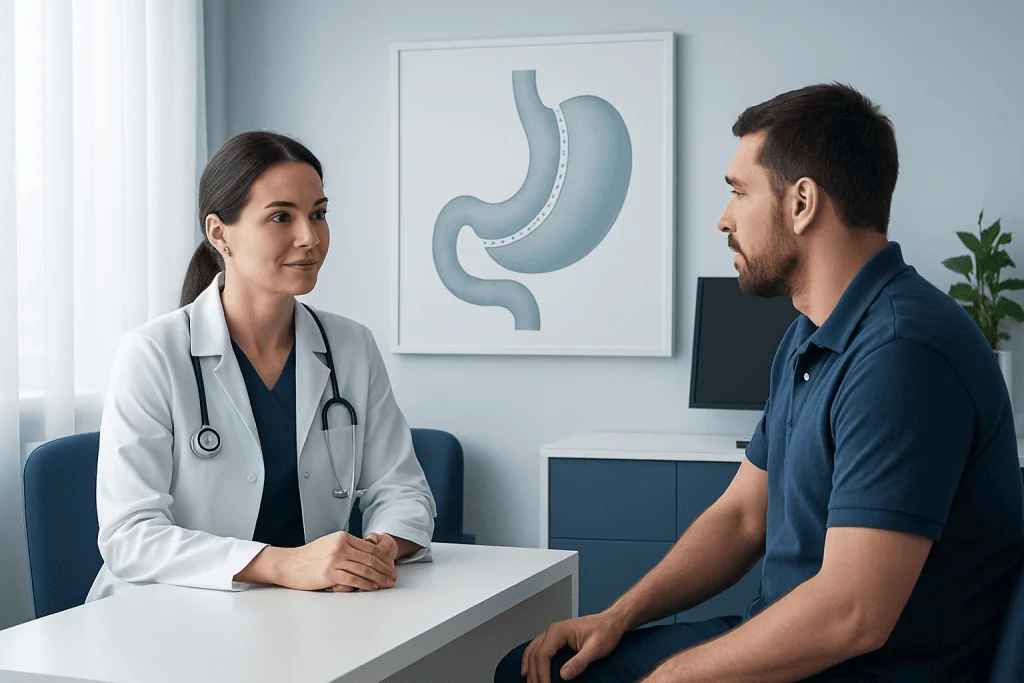
Sleeve gastrectomy, often called gastric sleeve surgery, removes a large portion of the stomach and creates a narrower, tube-shaped stomach. The intestines are not rerouted. Because the new stomach is smaller, meals must be smaller, and many people feel full sooner. The operation may also reduce levels of hunger-related hormones produced in the stomach.
One reason sleeve gastrectomy is commonly chosen is that it is technically simpler than gastric bypass and does not involve a new intestinal connection. It can be effective for weight loss and for improvement of many obesity-related conditions. However, it is still major surgery and requires lifelong attention to eating habits, hydration, protein intake, and nutritional supplements as advised by the care team.
Sleeve gastrectomy may not be the best option for everyone. People with significant gastroesophageal reflux disease, a large hiatal hernia, or certain esophageal conditions need careful evaluation, because reflux symptoms may persist or worsen after sleeve surgery. The bariatric surgeon will review digestive symptoms, endoscopy results if available, and individual risk factors before recommending a procedure.
Gastric Bypass Explained
Gastric bypass most commonly refers to Roux-en-Y gastric bypass. In this operation, the surgeon creates a small stomach pouch and connects it to a lower part of the small intestine. Food bypasses most of the stomach and the first part of the small intestine, while digestive juices meet food further along the digestive tract. This changes both the amount of food that can be eaten and the way nutrients and hormones are processed.
Gastric bypass can be particularly helpful for some people with type 2 diabetes or significant reflux disease, although individual results vary. Because it changes the digestive pathway, it may have a stronger effect on blood sugar control in some patients. It may also reduce acid reflux in selected cases, which is one reason it is sometimes considered when reflux is an important concern.
Because gastric bypass affects nutrient absorption, lifelong vitamin and mineral supplementation is especially important. Patients need regular monitoring for deficiencies such as iron, vitamin B12, folate, calcium, and vitamin D. They also learn to avoid certain eating patterns that may cause uncomfortable symptoms, such as dumping syndrome, which can occur when sugary or high-fat foods move quickly into the small intestine.
Benefits, Risks, and Possible Complications
The potential benefits of bariatric surgery include meaningful weight loss, better mobility, improved quality of life, and improvement or remission of some obesity-related conditions. Many patients experience better blood sugar control, lower blood pressure, reduced sleep apnea symptoms, and less strain on joints. These benefits are most durable when surgery is combined with long-term medical, nutritional, and behavioral support.
As with any major operation, bariatric surgery has possible risks. Early complications can include bleeding, infection, blood clots, leakage from staple lines or surgical connections, breathing problems, or reactions to anesthesia. Later issues may include reflux, narrowing, ulcers, gallstones, hernias, low blood sugar, weight regain, or nutritional deficiencies. The exact risk profile differs between sleeve gastrectomy and gastric bypass and depends on the patient’s health, surgical history, and postoperative care.
Patients can reduce risks by following preoperative instructions, stopping smoking if applicable, managing diabetes and blood pressure, and attending all follow-up visits. After surgery, warning symptoms such as persistent vomiting, worsening abdominal pain, fever, chest pain, shortness of breath, black stools, or inability to drink fluids should be reported urgently to a healthcare professional. Prompt assessment helps identify and treat problems early.
Recovery and Life After Surgery
Recovery begins in the hospital, where the team monitors pain control, hydration, breathing, walking, and tolerance of fluids. Many patients start with clear liquids and gradually progress through a staged diet plan. The timeline varies by hospital protocol and individual healing, but it usually moves from liquids to pureed foods, soft foods, and then small portions of regular-texture foods.
Long-term eating habits are central to success. Patients are generally advised to eat slowly, chew well, prioritize protein, avoid drinking large amounts with meals, and stop eating when comfortably full. Sugary drinks, frequent snacking, and high-calorie liquid foods can reduce weight loss results and may cause symptoms. Alcohol may have stronger effects after surgery and should be discussed with the medical team.
Follow-up care is lifelong. Regular visits allow the team to monitor weight loss, nutrition, mental health, medication needs, and any symptoms. Some medicines, including diabetes or blood pressure treatments, may need adjustment as health improves. Physical activity is introduced gradually, starting with walking and progressing as advised. Emotional support can also be valuable because body image, eating patterns, and social habits often change after surgery.
Choosing Between Sleeve Gastrectomy and Gastric Bypass
There is no single best bariatric operation for every person. Sleeve gastrectomy and gastric bypass can both be effective, but the choice should be individualized. The bariatric team considers BMI, age, eating patterns, diabetes status, reflux symptoms, previous abdominal surgery, medication use, pregnancy plans, and the patient’s ability to follow nutritional recommendations.
In general, sleeve gastrectomy may be preferred when a patient wants a procedure that does not reroute the intestines and has a lower risk of some malabsorption-related issues. Gastric bypass may be preferred in selected patients with significant reflux disease or when stronger metabolic effects are desired. However, these are general principles, not rules, and the final recommendation should come from a qualified bariatric surgeon after full evaluation.
Patients are encouraged to ask practical questions before surgery. These may include what weight loss can reasonably be expected, how existing medical conditions may change, what supplements will be needed, how often follow-up is required, and what symptoms should prompt medical attention. At Acibadem International, multidisciplinary specialists in JCI-accredited hospitals evaluate and treat bariatric patients, including international patients, with individualized diagnostic and surgical planning.
When to See a Doctor
A person should speak with a qualified doctor if obesity is affecting health, mobility, fertility, sleep, blood sugar, blood pressure, or daily life, especially if previous weight loss efforts have not been sustainable. A medical consultation does not mean surgery is required; it is an opportunity to understand all suitable options, including nutrition therapy, physical activity plans, behavioral care, medications, and surgical treatments.
Patients who have already had bariatric surgery should maintain regular follow-up even if they feel well. They should seek prompt medical advice for persistent nausea or vomiting, difficulty swallowing, dehydration, severe abdominal pain, fainting, signs of bleeding, symptoms of low blood sugar, or concerns about mood, eating behavior, or weight regain. Early support can often prevent small issues from becoming more difficult to manage.
Bariatric surgery is a long-term partnership between the patient and the healthcare team. With appropriate selection, careful surgery, and ongoing follow-up, many people can achieve meaningful health improvements. The safest next step is a personalized assessment with an experienced bariatric care team.
Frequently asked questions
Is bariatric surgery only about losing weight?
No. Weight loss is an important goal, but bariatric surgery is also used to improve obesity-related health conditions such as type 2 diabetes, high blood pressure, sleep apnea, and fatty liver disease. It is considered a metabolic and weight management treatment that requires long-term medical follow-up.
Which is better, sleeve gastrectomy or gastric bypass?
Neither procedure is best for everyone. Sleeve gastrectomy may be suitable for some patients because it does not reroute the intestines, while gastric bypass may be preferred in selected patients with reflux disease or certain metabolic needs. The best choice depends on a full medical evaluation and discussion with a bariatric surgeon.
Will the stomach stretch again after bariatric surgery?
The stomach pouch or sleeve can adapt over time, and patients may tolerate larger portions than in the early months after surgery. However, significant weight regain is usually related to a combination of factors, including eating patterns, physical activity, hormones, medications, and follow-up. Regular support helps patients maintain healthy habits.
Are vitamins necessary after bariatric surgery?
Yes, most patients need lifelong vitamin and mineral supplementation after bariatric surgery. This is especially important after gastric bypass, but sleeve patients also need monitoring. Blood tests help the care team adjust supplements and prevent deficiencies.
How long does recovery take after bariatric surgery?
Early recovery varies, but many patients gradually return to light daily activities within a short period, depending on their health and the surgeon’s advice. Eating progresses in stages from liquids to soft foods and then small regular meals. Full adjustment to new eating habits and energy levels takes longer and requires follow-up.
Can pregnancy happen after bariatric surgery?
Pregnancy is possible after bariatric surgery, and fertility may improve in some people as weight and metabolic health change. However, patients are usually advised to avoid pregnancy during the rapid weight loss phase and to plan pregnancy with their bariatric team and obstetrician. Nutritional monitoring is especially important.
Is bariatric surgery safe?
Bariatric surgery is commonly performed and can be safe for appropriately selected patients in experienced centers, but it is still major surgery with possible risks. Safety depends on careful preoperative assessment, surgical expertise, hospital protocols, and long-term follow-up. Patients should discuss individual risks and benefits with a qualified doctor.
References
- World Health Organization
- American Society for Metabolic and Bariatric Surgery
- International Federation for the Surgery of Obesity and Metabolic Disorders
- National Institute for Health and Care Excellence
- Mayo Clinic
This article is for general information only and is not a substitute for professional medical advice. Please consult a qualified doctor about your individual situation.
Sleeve Gastrectomy in Turkey — costs, top hospitals & a free quote
JCI-accredited · board-certified surgeons · reply within 24h
Check your numbers in seconds
BMI, calories, due date, blood pressure and 30+ more clinical calculators — free, instant, doctor-reviewed ranges.

More from the Health Library



Related Specialists

Dr. Tülin Turan Hizli
Pediatrics
Dr. Gürkan Metinyurt
Clinical Laboratory
Ebubekir Korkmaz
Physical Medicine & Rehabilitation
Dt. Alen Palancıoğlu
Oral Dental & Maxillofacial Surgery