Can Radiotherapy Cause Hair Loss: How It Works, Results and What to Expect
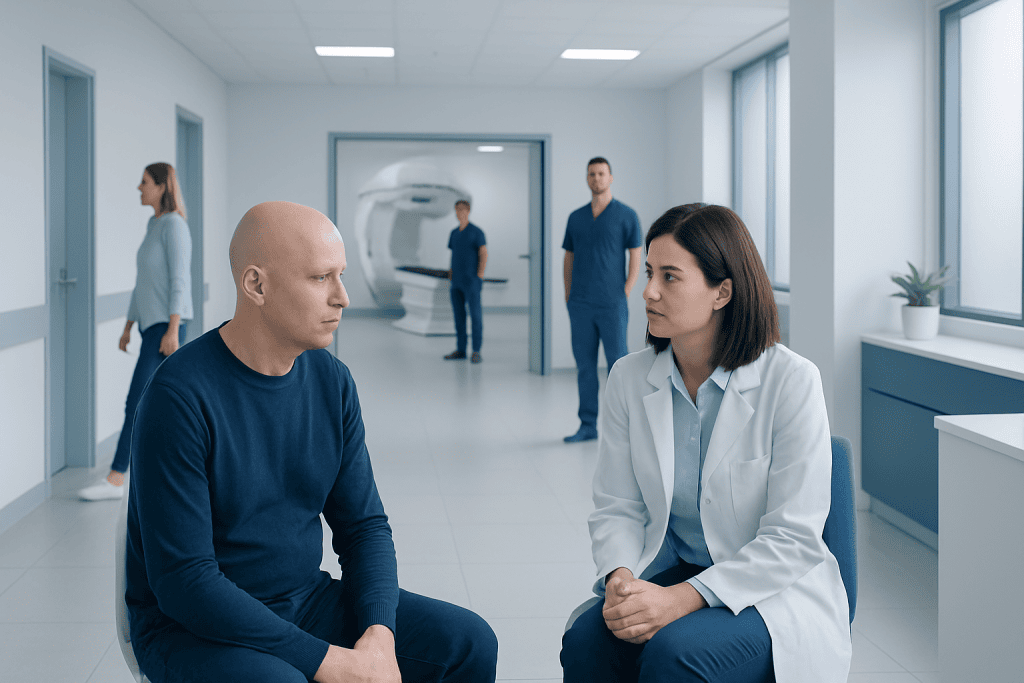
Radiotherapy-related hair loss is localized to the area exposed to radiation, unlike the more widespread hair loss that can occur with some chemotherapy medicines. Hair may begin to shed about two to three weeks after treatment starts, although timing varies.
Key Takeaways
- Radiotherapy-related hair loss is localized to the area exposed to radiation, unlike the more widespread hair loss that can occur with some chemotherapy medicines.
- Hair may begin to shed about two to three weeks after treatment starts, although timing varies.
- Lower radiation doses often lead to temporary hair loss, while higher doses can damage follicles enough to cause permanent thinning or baldness.
- Modern radiation planning aims to protect healthy tissue, but avoiding hair-bearing skin is not always possible when it is near the treatment target.
- A radiation oncologist can explain the expected location, degree, and likelihood of recovery before treatment begins.
Can radiotherapy cause hair loss? Yes. Radiation can cause hair loss in the part of the body receiving treatment, most often the scalp during treatment for brain or head and neck conditions; whether hair grows back depends largely on the radiation dose and treatment field.
Overview: Why Radiotherapy Can Affect Hair
Radiotherapy, also called radiation therapy, uses carefully planned high-energy radiation to damage cancer cells and stop them from dividing. Because radiation works only where the treatment beams or particles are directed, hair loss from radiotherapy is usually limited to the treated area. For example, radiation aimed at the brain may cause scalp hair loss, while treatment to the chest, pelvis, or another body area may affect hair only in that specific region.
Hair follicles are sensitive structures that continuously produce hair. When they are included in the radiation field, radiation can temporarily interrupt their activity or, at higher doses, permanently damage them. The result can range from mild thinning to a clearly defined patch of hair loss. The pattern often matches the area that received treatment and is not an indication that radiation has spread through the body.
Not everyone receiving radiotherapy loses hair. The likelihood depends on the body site being treated, total dose, treatment technique, how close the follicles are to the target, and individual factors. The oncology team should discuss this possible effect during treatment planning, including whether regrowth is expected.
How Radiotherapy Works and Why Hair Loss Is Localized
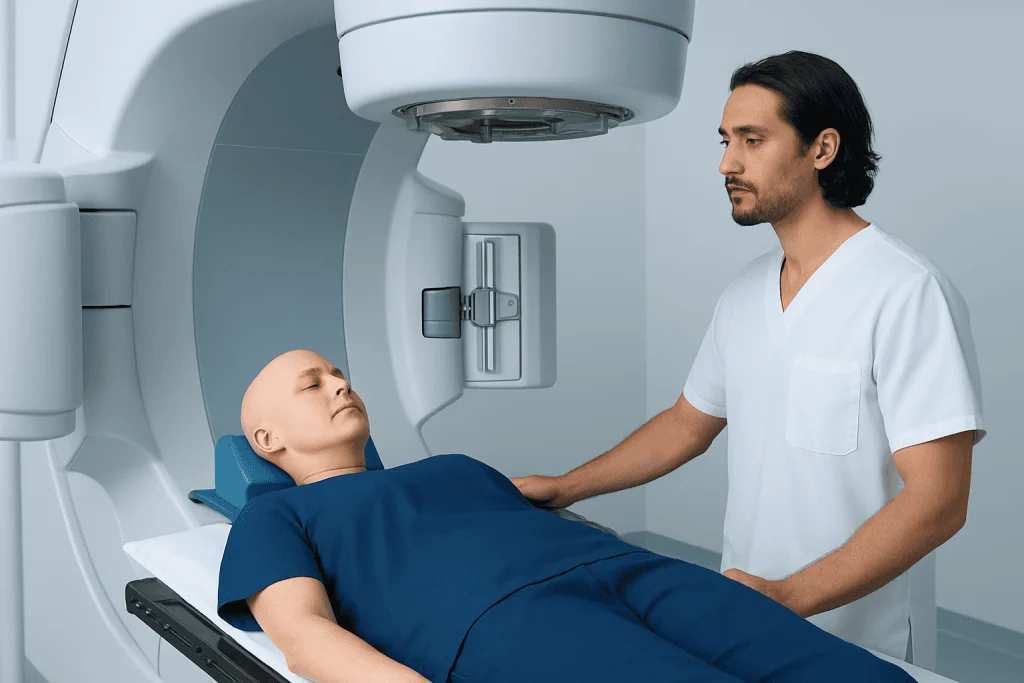
Radiotherapy is delivered externally by a treatment machine, or less commonly from a radiation source placed inside or near the body. Before treatment begins, imaging and computer-based planning help the radiation oncology team define the target area and identify nearby healthy tissues that need protection.
External-beam radiotherapy is usually given in a series of short outpatient sessions. Each session is painless, and the radiation is delivered only while the machine is operating. Radiation does not remain in the body after standard external treatment, and a person is not radioactive or a risk to family members after leaving the treatment room.
Hair loss occurs when hair follicles lie within or very close to the planned treatment field. Modern methods, including image-guided and highly conformal radiation techniques, can often reduce exposure to surrounding tissues. However, when a tumor or another treatment target is in the scalp, brain, face, neck, or skin, some exposure to hair follicles may be necessary to provide effective treatment.
Radiotherapy hair loss differs from chemotherapy-related hair loss. Some chemotherapy drugs circulate through the bloodstream and may cause diffuse shedding over the scalp and body. Radiation-related loss is generally sharply localized, though a person having both treatments may experience effects from each.
Who May Experience Hair Loss During Radiotherapy

The possibility of hair loss is assessed individually rather than determined by a diagnosis alone. It is most relevant when radiation is planned for the brain, scalp, head and neck, or areas of skin containing visible hair. Treatment to the pelvis may affect pubic hair, and radiation to other regions can affect hair in those local treatment fields.
Before treatment, the radiation oncologist reviews the reason for radiotherapy, the target location, previous treatments, imaging findings, and overall health. This consultation is also an opportunity to discuss expected skin changes, fatigue, swallowing symptoms, and other effects relevant to the treatment site. People who have had previous radiation in the same region may have different risks because normal tissue has already received some exposure.
The expected dose to the skin and hair follicles matters. Lower doses may cause a temporary pause in growth, while higher cumulative doses make lasting thinning or permanent hair loss more likely. It is not possible to predict regrowth with complete certainty for every individual, but the team can provide a realistic estimate based on the treatment plan.
For people treated for conditions involving the brain or nervous system, discussions may also include how radiation fits with surgery, drug therapy, observation, or rehabilitation. The recommended approach depends on the specific condition and should be decided with a multidisciplinary team.
What Happens During Treatment: Planning to Daily Sessions
Radiotherapy begins with a planning appointment, often called simulation. The team uses imaging, such as CT scanning and sometimes MRI, to map the treatment area. For treatment to the head, a customized mask or support may be made to help the person stay in the same position for every session. This improves accuracy and helps limit radiation exposure outside the intended area.
Specialists then design a personalized plan that balances coverage of the target with protection of nearby organs and tissues. This process can take time because the plan is checked carefully before treatment starts. The team should identify whether the scalp or another hair-bearing area will be in the radiation field and discuss likely hair changes before the first session.
During each treatment session, the person lies still while radiographers position them and verify alignment. The machine may move around the treatment couch, but it does not touch the person. The actual radiation delivery typically lasts only a short time, although the full appointment may take longer because of positioning and safety checks.
Most people continue with everyday activities as they are able during a course of treatment. However, appointments may be scheduled daily on weekdays for several weeks, depending on the condition and treatment plan. The care team can advise about work, travel, skin care, nutrition, and practical support needs.
Hair Loss Timeline, Regrowth, and Recovery
If hair loss occurs, it commonly begins around two to three weeks after radiotherapy starts, though it may happen earlier or later. The skin in the treated area may also become dry, sensitive, itchy, or darker, depending on skin tone and the treatment site. These changes usually develop gradually rather than immediately after a single session.
When follicles have not been permanently damaged, new hair often begins to grow several months after radiotherapy has finished. Regrowth may be slow, and the new hair can initially be finer, patchier, curlier, straighter, or a different color than before. In some people, it takes a year or longer to see the fullest degree of recovery.
Higher radiation doses can lead to permanent hair loss or lasting thinning in part of the treated region. If hair does not return as expected, the radiation oncologist or a dermatologist can assess other possible contributors, such as thyroid disease, nutritional deficiencies, stress, medicines, or additional cancer treatments. They can also discuss cosmetic and supportive options.
During recovery, gentle scalp and skin care is important. Mild, fragrance-free cleansing products, lukewarm water, soft brushing, and protection from sunlight or cold weather may help reduce irritation. Hair dyes, bleaching, tight hairstyles, heated styling tools, and harsh scalp products are best avoided until the skin has recovered and the care team confirms they are appropriate.
Benefits, Risks, and Ways to Manage Hair Changes
The main benefit of radiotherapy is its ability to treat cancer and certain non-cancerous conditions in a focused area. Depending on the clinical situation, it may help cure disease, reduce the risk of recurrence after surgery, slow disease growth, or relieve symptoms. Hair loss is considered alongside these potential benefits when the treatment plan is discussed.
Hair loss can be emotionally difficult, even when it is expected or temporary. People may prefer to cut their hair short before shedding begins, use a scarf, hat, wig, or hairpiece, or leave the area uncovered. There is no right choice; support should reflect personal comfort, culture, and daily needs. A cancer nurse or support service can help identify practical resources.
Scalp cooling is sometimes used to reduce hair loss from certain chemotherapy medicines, but it is generally not used to prevent radiation-related hair loss because the effect is caused by local radiation exposure. Similarly, no shampoo, supplement, or over-the-counter product has been proven to reliably prevent hair loss when follicles are in the radiation field.
It is important to tell the treatment team about painful skin reactions, blisters, open areas, increasing redness, discharge, fever, or concerns about wound healing. They can recommend safe skin care and assess whether a reaction needs medical treatment. Do not apply new creams, herbal products, or hair-growth treatments to irradiated skin without clinical advice.
When to Seek Medical Care
Hair loss itself during radiotherapy is usually an anticipated treatment effect, but it should still be discussed with the oncology team if it is distressing or appears different from what was expected. The team can confirm whether the pattern fits the treatment field and offer symptom relief, supportive care, or referral to dermatology when appropriate.
Promptly contact the cancer care team if the treated skin becomes severely painful, develops blisters or open sores, produces fluid or pus, or is associated with fever or feeling unwell. Medical advice is also important for new widespread hair loss outside the radiation area, sudden patches of loss before treatment begins, or scalp symptoms such as marked scaling, swelling, or tenderness.
Follow-up appointments remain important after radiotherapy ends. They allow clinicians to monitor treatment response, late effects, skin healing, and hair recovery. Acibadem International’s multidisciplinary specialists and JCI-accredited hospitals support diagnosis and treatment planning for international patients receiving cancer care.
Frequently asked questions
Can radiotherapy cause permanent hair loss?
Yes, permanent hair loss can occur when radiation exposure causes lasting damage to hair follicles. The risk is higher with larger total doses to hair-bearing skin. A radiation oncologist can explain the expected risk from the individual treatment plan.
How soon does hair fall out after radiotherapy?
Hair shedding often starts about two to three weeks after radiotherapy begins. The timing varies with the radiation dose, schedule, and body area treated. Some people experience thinning rather than complete hair loss.
Will hair grow back after radiotherapy?
Hair may grow back if follicles have only been temporarily affected. Regrowth often begins several months after treatment ends and can continue gradually for many months. New hair may initially look or feel different from the original hair.
Does radiation for breast cancer cause scalp hair loss?
Radiotherapy for breast cancer is directed at the breast and sometimes nearby lymph node areas, not the scalp. It does not usually cause scalp hair loss. However, hair in the directly treated skin area may be affected, and chemotherapy given separately may cause broader scalp hair loss.
Can anything prevent hair loss from radiotherapy?
There is no proven product that can reliably prevent hair loss when hair follicles must be included in the radiation field. Careful radiation planning can reduce exposure to healthy tissue where clinically possible. Gentle hair and scalp care can help protect sensitive skin during treatment.
Is radiotherapy hair loss different from chemotherapy hair loss?
Yes. Radiotherapy usually causes hair loss only in the area receiving radiation, while chemotherapy can cause more diffuse scalp or body hair loss because medicines circulate throughout the body. A person receiving both treatments may have a combination of these effects.
References
- American Cancer Society
- National Cancer Institute
- Cancer Research UK
- Macmillan Cancer Support
- European Society for Radiotherapy and Oncology
This article is for general information only and is not a substitute for professional medical advice. Please consult a qualified doctor about your individual situation.
Hair transplant in Turkey — costs, graft counts & a free assessment
JCI-accredited · board-certified surgeons · reply within 24h