Complex Regional Pain Syndrome: When Neuromodulation May Be Considered

Complex regional pain syndrome, or CRPS, causes pain that is out of proportion to the original injury and may involve swelling, color and temperature changes, and movement problems. Early diagnosis and multidisciplinary treatment can help improve function and quality of life.
Key Takeaways
- Complex regional pain syndrome, or CRPS, causes pain that is out of proportion to the original injury and may involve swelling, color and temperature changes, and movement problems.
- Early diagnosis and multidisciplinary treatment can help improve function and quality of life.
- Treatment often includes physical therapy, pain-relieving medicines, occupational therapy, and psychological support.
- Neuromodulation is usually considered only after standard treatments have not provided enough benefit.
- Spinal cord stimulation and dorsal root ganglion stimulation are examples of neuromodulation approaches used for selected CRPS patients.
Complex regional pain syndrome is a chronic pain condition that usually affects an arm, hand, leg, or foot after an injury or procedure. Neuromodulation may be considered for carefully selected people whose symptoms continue despite comprehensive treatment such as medicines, rehabilitation, and pain management.
Overview of complex regional pain syndrome
Complex regional pain syndrome, often called CRPS, is a long-lasting pain condition that most often develops in a limb after an injury, fracture, surgery, or sometimes even a minor trigger. The pain is usually more intense and persistent than would be expected from the original event. CRPS can affect the nerves, skin, blood flow, muscles, and joints in the involved area.
Doctors generally describe two forms. CRPS type 1 occurs without a confirmed major nerve injury, while CRPS type 2 occurs when a specific nerve injury is identified. In daily practice, both forms can look very similar, and the focus is usually on symptoms, function, and treatment needs rather than the label alone.
CRPS is considered a complex pain disorder because it may involve abnormal pain signaling in the nervous system, changes in inflammation, and altered control of circulation and sweating in the affected limb. For some people, symptoms gradually improve. For others, pain and stiffness may continue and begin to interfere with sleep, work, mobility, and emotional well-being.
Symptoms and how CRPS may affect daily life
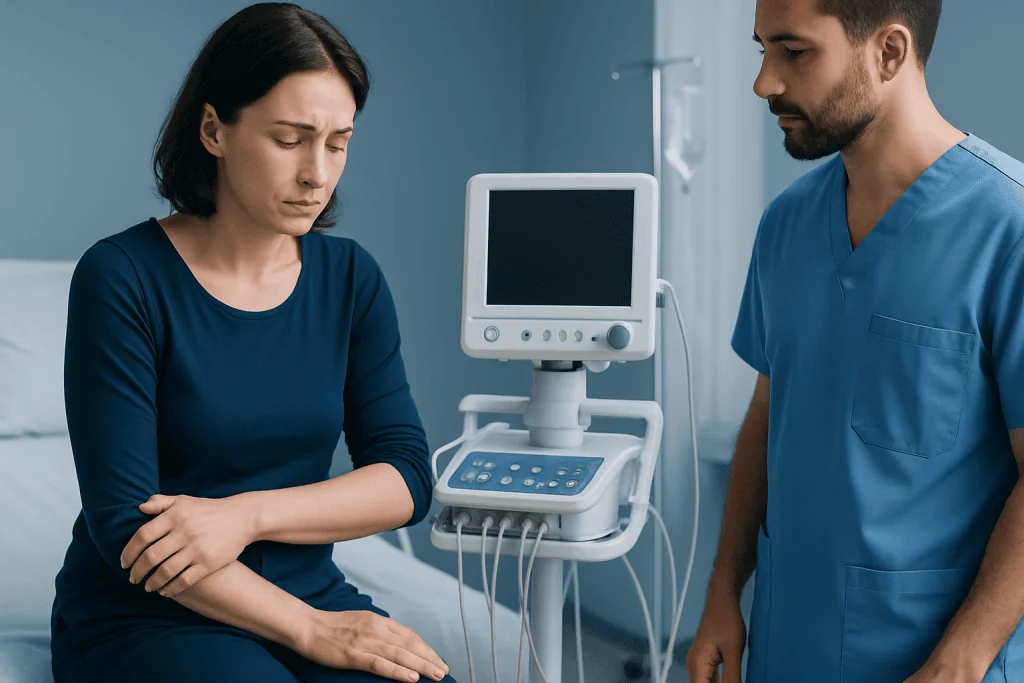
The most common symptom of CRPS is ongoing pain that may feel burning, stabbing, throbbing, aching, or extremely sensitive to touch. Even light contact from clothing, bedsheets, or a gentle breeze may feel uncomfortable. Pain often starts in one limb but may spread within the same limb over time.
Other symptoms can include swelling, changes in skin temperature, color changes such as redness or a bluish appearance, unusual sweating, and altered nail or hair growth. The affected area may look shiny or thin. Muscles can become weak, and joints may become stiff, making normal movement harder.
As CRPS continues, a person may avoid using the painful limb. This can lead to loss of strength, reduced range of motion, and greater difficulty with walking, dressing, writing, or daily tasks. The condition can also affect mood, concentration, and sleep, which is why treatment often works best when it addresses both pain and function together.
- Pain out of proportion to the original injury
- Marked sensitivity to touch or temperature
- Swelling and changes in skin color or warmth
- Stiffness, tremor, weakness, or reduced movement
- Changes in sweating, nails, or hair growth
Causes and risk factors
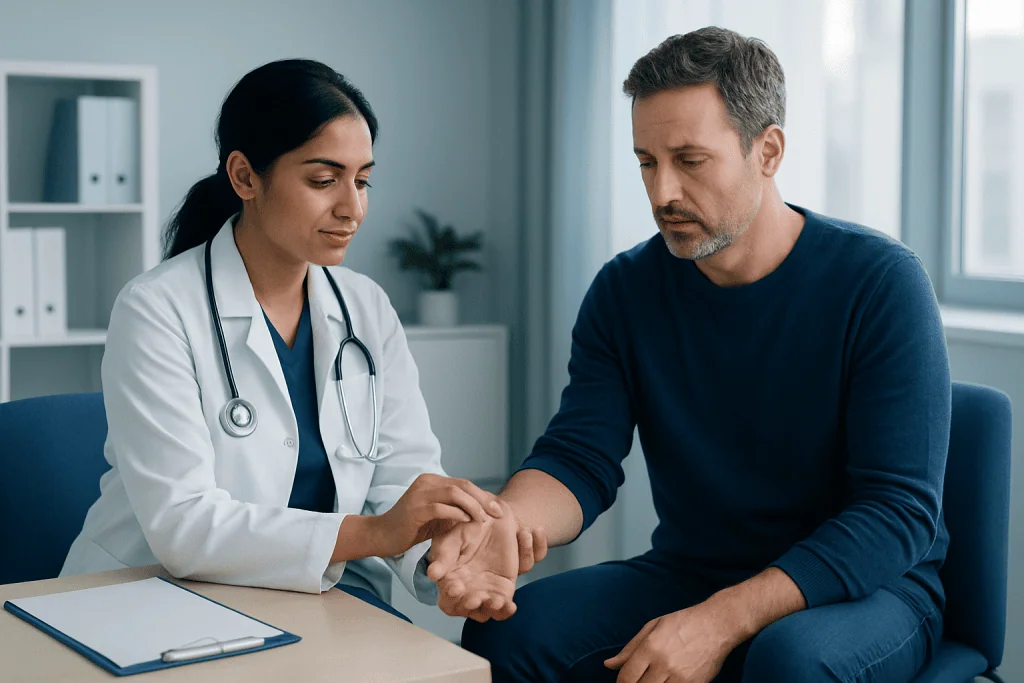
The exact cause of CRPS is not fully understood. It is thought to result from a combination of changes in the peripheral nerves, spinal cord, and brain that amplify pain signals. Inflammation and changes in the autonomic nervous system, which helps control blood flow and sweating, may also play a role.
CRPS often begins after a fracture, sprain, crush injury, surgery, injection, or period of immobilization in a cast or splint. In some cases, the trigger seems relatively minor compared with the severity of symptoms that follow. This does not mean the pain is imagined; rather, it reflects a real disturbance in how the nervous system is processing pain and body signals.
Not everyone who has an injury develops CRPS, and doctors cannot always predict who will be affected. Possible risk factors may include prior nerve injury, severe limb trauma, prolonged immobility, and certain pain sensitivity patterns. Emotional stress does not cause CRPS, but living with persistent pain can make symptoms harder to manage and may increase the burden of the condition.
How CRPS is diagnosed
There is no single blood test or scan that proves CRPS. Diagnosis is mainly based on a careful medical history, physical examination, and the pattern of symptoms and signs over time. Doctors often use established clinical criteria to determine whether CRPS is the most likely explanation for the pain.
The evaluation usually includes questions about the original injury, timing of symptoms, pain qualities, and changes in skin color, temperature, swelling, sweating, and movement. The examination may compare both limbs to look for differences in sensation, strength, range of motion, and circulation. Because other conditions can look similar, testing is often used to rule out alternatives.
Depending on the situation, tests may include X-rays, MRI, bone scans, nerve studies, or blood tests. These tests do not diagnose CRPS by themselves, but they can help exclude problems such as infection, blood clot, inflammatory arthritis, nerve compression, or a different neuropathic pain condition. A pain specialist, neurologist, rehabilitation physician, or orthopedic specialist may all be involved in assessment.
Standard treatment options before neuromodulation
Most people with CRPS begin with a comprehensive treatment plan that combines rehabilitation and pain management. Physical therapy is often a central part of care because gentle, progressive movement can help reduce stiffness, improve circulation, and restore confidence in using the affected limb. Occupational therapy may also help a person regain function in everyday activities.
Medicines may be used to reduce pain and improve participation in therapy. Depending on the individual case, these may include pain relievers, medicines commonly used for nerve pain, or anti-inflammatory approaches. Some people may benefit from targeted procedures such as sympathetic nerve blocks, though results vary and these are usually part of a broader treatment strategy rather than a stand-alone solution.
Psychological support is also important. Chronic pain can affect sleep, mood, and coping, and pain-focused counseling or cognitive behavioral strategies may help reduce distress and improve self-management. In some patients, care overlaps with approaches used for neuropathic pain or advanced chronic pain management, especially when symptoms become persistent and function is significantly limited.
Treatment usually works best when started early and coordinated by a multidisciplinary team. If symptoms remain severe despite appropriate rehabilitation, medications, and interventional pain management, doctors may discuss whether a neuromodulation approach such as spinal cord stimulation is appropriate.
When neuromodulation may be considered
Neuromodulation refers to treatments that alter pain signaling in the nervous system using carefully controlled electrical stimulation. In CRPS, it is generally considered for selected patients who continue to have significant pain and disability despite appropriate conservative treatment. The goal is not necessarily to eliminate pain completely, but to reduce it enough to improve movement, sleep, and overall quality of life.
The best-known neuromodulation option for CRPS is spinal cord stimulation. This involves placing thin electrodes near the spinal cord to deliver electrical impulses that change how pain signals are processed. Another option in some cases is dorsal root ganglion stimulation, which can target pain in specific body regions more precisely. These approaches may be especially relevant when pain remains localized to one limb.
Before a permanent device is placed, patients usually undergo a thorough assessment. This may include review by pain medicine, neurology, rehabilitation, and sometimes psychology specialists to confirm that the diagnosis is appropriate and expectations are realistic. A temporary trial is commonly performed first to see whether stimulation provides meaningful relief and functional improvement.
Neuromodulation is only one part of care, not a replacement for rehabilitation. Even if a patient responds well, ongoing physical therapy, activity pacing, and pain self-management remain important. For some individuals with complex pain syndromes, related pain interventions such as pain management or specialist evaluation in functional neurosurgery may also be part of treatment planning.
Benefits, limits, and what to expect from neuromodulation
For carefully selected patients, neuromodulation may reduce pain intensity, improve tolerance of movement, support participation in rehabilitation, and lessen the day-to-day impact of CRPS. Some people also report better sleep and reduced reliance on pain medicines. Outcomes vary, and a positive trial period is one of the best indicators that the treatment may be worthwhile.
It is important to understand the limits of this approach. Neuromodulation does not cure CRPS, and not everyone responds. A person may still have pain flares, need ongoing therapy, or require device adjustments over time. Regular follow-up is needed to optimize the settings and monitor results.
As with any implanted device procedure, there are potential risks, including infection, discomfort at the implant site, lead movement, or the need for revision. Doctors explain these risks carefully before treatment and compare them with the potential benefits in each individual case. Shared decision-making is especially important because the right choice depends on symptom severity, treatment history, goals, and overall health.
Self-care, follow-up, and when to see a doctor
People living with CRPS often benefit from consistent routines that support gentle movement and reduce avoidance of the affected limb. Home exercises recommended by a therapist, activity pacing, sleep hygiene, and stress management can all help. Heat or cold should be used cautiously and only with professional guidance because the affected limb may respond differently than expected.
Regular follow-up matters because symptoms can change over time. A doctor may adjust medicines, update rehabilitation goals, or reassess whether more advanced options are appropriate. New swelling, worsening weakness, skin changes, or loss of function should not be ignored, especially if they appear suddenly.
Medical attention is important if severe pain persists after an injury or surgery, especially when it is accompanied by swelling, color or temperature changes, or increasing sensitivity. Early evaluation may improve the chance of timely treatment. Near the end of the care pathway, some patients seek assessment in specialist centers; Acibadem International’s multidisciplinary specialists in JCI-accredited hospitals diagnose and treat CRPS and related pain conditions for international patients.
Frequently asked questions
What is complex regional pain syndrome?
Complex regional pain syndrome is a chronic pain condition that usually affects an arm or leg after an injury, fracture, surgery, or immobilization. It causes pain that is greater than expected and may also lead to swelling, skin color changes, temperature differences, and movement problems.
Is CRPS the same as normal healing pain after an injury?
No. Some pain is expected during healing, but CRPS involves pain and sensitivity that are unusually severe or prolonged compared with the original injury. The affected limb may also show changes in circulation, sweating, and movement that are not typical of routine recovery.
When is neuromodulation considered for CRPS?
Neuromodulation is usually considered when a person still has significant pain and disability after appropriate standard treatment, including rehabilitation and medication-based pain management. Doctors look at the diagnosis, symptom pattern, treatment history, and whether the person is likely to benefit from a trial of stimulation.
What types of neuromodulation are used for CRPS?
The most common options are spinal cord stimulation and, in some cases, dorsal root ganglion stimulation. Both use electrical signals to change how pain messages are processed, but they target different parts of the nervous system.
Does neuromodulation cure complex regional pain syndrome?
Neuromodulation does not cure CRPS. Its purpose is to reduce pain and improve function enough to support daily activities and rehabilitation. Some people benefit significantly, while others may have only partial improvement or may not respond.
Can CRPS improve with early treatment?
Yes, early recognition and treatment may improve outcomes for some people. Prompt rehabilitation, pain control, and regular follow-up can help reduce stiffness, maintain function, and prevent the affected limb from becoming increasingly difficult to use.
References
- National Institute of Neurological Disorders and Stroke
- International Association for the Study of Pain
- National Institute of Arthritis and Musculoskeletal and Skin Diseases
- Cleveland Clinic
- Mayo Clinic
This article is for general information only and is not a substitute for professional medical advice. Please consult a qualified doctor about your individual situation.
Neuromodulation in Turkey — costs, top hospitals & a free quote
JCI-accredited · board-certified surgeons · reply within 24h
Add us as a Preferred Source to see more of our trusted health content across Google Search, AI Overviews and Discover.

More from the Health Library

Related Specialists

Dr. Erkan Adnan Kelebek
Coronary Intensive Care Unit
Dr. Civan Kalafat
Gynecology & Obstetrics
Demet Orhan
Physical Medicine & Rehabilitation
Prof. Dr. Ahmet Tulga Ulus
Cardiovascular Surgery