Endosteal Implant: How It Works, Recovery, and What to Expect
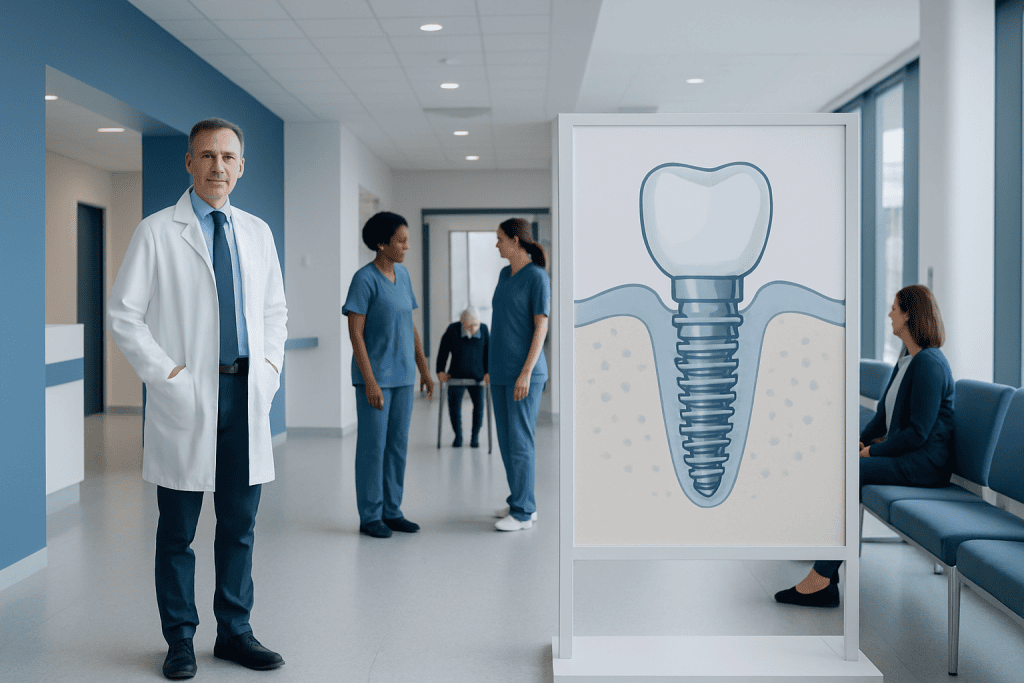
An endosteal implant is surgically placed in the jawbone and acts as an artificial tooth root. It usually involves several stages, including evaluation, implant placement, healing, and attachment of the final restoration.
Key Takeaways
- An endosteal implant is surgically placed in the jawbone and acts as an artificial tooth root.
- It usually involves several stages, including evaluation, implant placement, healing, and attachment of the final restoration.
- Good candidates typically have healthy gums, adequate jawbone, and a commitment to oral hygiene and follow-up care.
- Recovery is gradual; minor soreness often improves within days, while bone integration takes months.
- Benefits include stability and bone support, but risks such as infection, implant failure, or nerve irritation can occur.
An endosteal implant is a dental implant placed directly into the jawbone to replace the root of a missing tooth and support a restoration such as a crown, bridge, or denture. For many people, it offers a stable, long-term option when the bone and gum tissues are healthy enough to support healing.
Overview: what an endosteal implant is and how it works
An endosteal implant is the most commonly used type of dental implant. It is a small biocompatible post, usually made of titanium or a similar material, that is placed into the jawbone where a tooth root used to be. Over time, the surrounding bone heals around the implant in a process called osseointegration, helping create a stable foundation for a replacement tooth.
Once healing is complete, the implant can support a crown for one missing tooth, a bridge for several teeth, or part of a denture for wider tooth loss. This is different from removable replacements because the support comes from the jawbone rather than from resting only on the gums. As a result, many people find the bite feels more secure and natural.
Endosteal implants are not placed and restored in a single identical way for everyone. The exact approach depends on the number of missing teeth, the condition of the gums, the amount of available bone, and general health factors that may affect healing. In many cases, patients first discuss options for dental implant treatment after a detailed oral and imaging assessment.
Who may be a good candidate
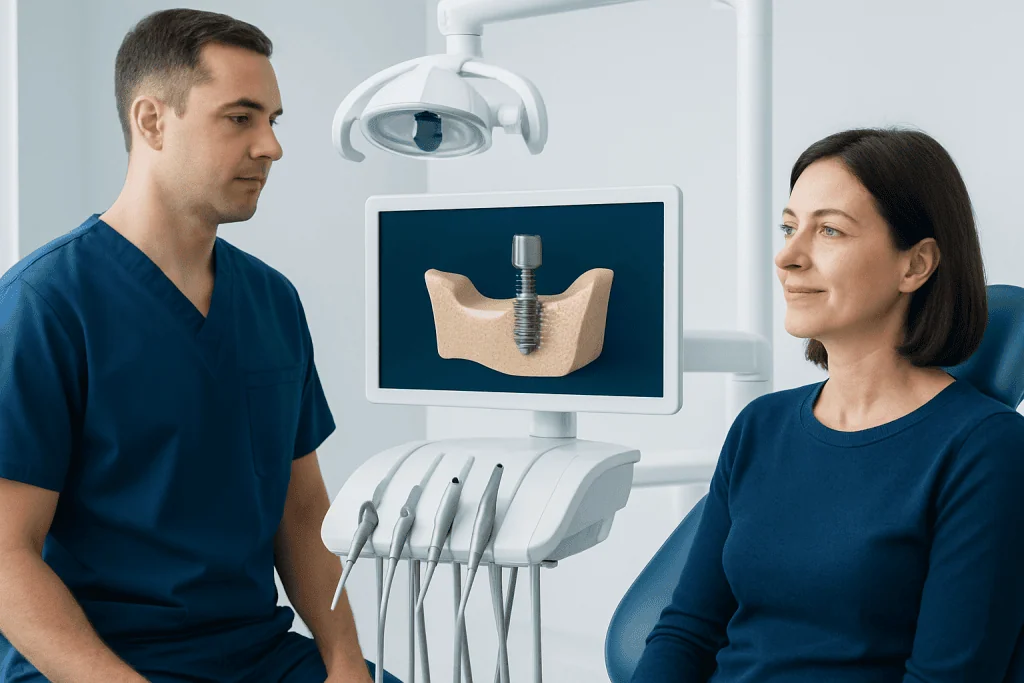
A person may be a good candidate for an endosteal implant if they have one or more missing teeth, healthy enough gum tissue, and enough jawbone to hold the implant securely. If bone volume is limited, some people may still be candidates after additional preparation such as bone grafting or sinus lifting, depending on the implant site.
General health matters too. Conditions that affect healing, such as poorly controlled diabetes, heavy tobacco use, certain immune-related disorders, or treatments that influence bone metabolism, may raise the risk of complications. These issues do not always prevent implant treatment, but they often require careful planning and coordination with a doctor or dentist.
Oral habits are also important. A patient who can maintain daily brushing, flossing, and regular dental visits is more likely to do well in the long term. Teeth grinding, untreated gum disease, and active dental infection may need to be addressed first, sometimes alongside care for gum disease or other oral conditions before implant placement is considered.
Step by step: how the procedure is usually done

The process starts with planning. A dentist or oral and maxillofacial surgeon reviews the medical history, examines the mouth, and often uses dental X-rays or 3D imaging to study bone shape, nearby nerves, and sinus position. This planning stage helps determine the safest implant size, angle, and timing, especially when a tooth has recently been removed.
If a damaged tooth is still present, it may need to be extracted first. In some situations, implant placement can happen at the same visit as extraction, but in others the site is allowed to heal before surgery. If the jawbone is too thin or soft, a grafting procedure may be recommended first or at the same time to improve support.
During implant surgery, the clinician makes a small opening in the gum, prepares the bone with precise instruments, and places the implant into the jaw. The gum is then closed over or around the implant depending on the technique used. Local anesthesia is standard, and some patients also receive sedation depending on the complexity of care.
After the implant is placed, the jawbone gradually bonds to it over several weeks to months. Once enough healing has occurred, an abutment is attached to connect the implant to the visible restoration. A custom crown, bridge, or implant-supported denture is then fitted, sometimes as part of broader prosthodontic treatment to restore comfort, chewing, and appearance.
Recovery timeline and what to expect after surgery
Recovery after endosteal implant placement happens in phases. In the first few days, mild bleeding, swelling, bruising, and soreness can occur around the surgical area. Many people manage this with the aftercare instructions given by their clinician, including a soft diet for a short period, careful oral hygiene, and prescribed or recommended medications.
Within about one to two weeks, the gum tissue usually shows early healing and any sutures may dissolve or be removed, depending on the type used. Most people can return to normal daily activities quite quickly, although strenuous activity may be limited for a short time. The timeline can be longer if several implants were placed or if bone grafting was done.
The deeper healing phase takes longer because the bone must integrate with the implant surface. This can take a few months and is one reason the final tooth replacement is sometimes delayed. During this period, temporary restorations may be used in selected cases, but the clinician usually tries to avoid excessive pressure on a new implant while it heals.
Good follow-up care matters throughout recovery. Patients are usually advised to keep the area clean, avoid smoking, attend review visits, and report increasing pain, pus, fever, or a loose-feeling implant. If bite pressure needs adjustment later, a review with specialists in oral and dental health may help protect the implant and surrounding teeth.
Benefits and possible risks
One of the main benefits of an endosteal implant is stability. Because it is anchored in the jawbone, it can feel more secure than a removable option and may help support efficient chewing and clearer speech. It can also help preserve bone in the area by providing functional stimulation, something that may be reduced after a tooth is lost.
Implants can be used in several ways, from replacing one tooth to helping stabilize larger restorations. They do not rely on adjacent natural teeth in the same way some traditional bridges do, which may help conserve healthy tooth structure. Many patients also appreciate that the final restoration is designed to match the surrounding teeth as closely as possible.
At the same time, implant treatment is a surgical procedure and carries risk. Possible complications include infection, bleeding, delayed healing, sinus problems for upper jaw implants, nerve irritation causing numbness or tingling, and failure of the implant to fuse with bone. Risk may be higher in people with poor oral hygiene, uncontrolled medical conditions, or heavy smoking.
Long-term problems can also happen if inflammation develops in the tissues around the implant. This may begin as irritation of the gums and progress to bone loss if not treated. Regular checkups are important because problems such as peri-implantitis may not always cause major symptoms at first.
Diagnosis, planning, and alternatives to consider
Diagnosis and treatment planning for an endosteal implant are individualized. The clinician assesses the thickness and height of the jawbone, the position of nearby anatomical structures, the condition of the gums, the way the upper and lower teeth meet, and the patient’s overall goals. Imaging, impressions or digital scans, and bite analysis may all be part of the planning process.
Not every missing tooth needs to be replaced with an implant. Depending on the situation, alternatives may include a conventional bridge, a removable partial denture, or full dentures. In some cases, preserving the space without immediate replacement may be discussed, although this can allow neighboring teeth to shift and may affect chewing or appearance over time.
For some people, implants are part of a wider oral rehabilitation plan rather than a single isolated procedure. This may involve treatment for gum disease, tooth extraction, bone reconstruction, or correction of bite issues first. Clear planning helps set realistic expectations about the number of appointments, healing stages, and the maintenance required afterward.
Self-care and long-term maintenance
After an endosteal implant is restored, daily care remains essential. The implant itself cannot decay like a natural tooth, but the surrounding gum and bone can still become inflamed if plaque builds up. Brushing twice a day, cleaning between teeth and around the implant, and attending regular professional cleanings are all important parts of long-term care.
Patients may be advised to use specific cleaning aids based on the type of restoration, such as floss threaders, interdental brushes, or water-based cleaning devices. A clinician may also recommend a night guard if there are signs of clenching or grinding, since repeated heavy forces can strain both implants and natural teeth.
Lifestyle choices can influence long-term success. Avoiding tobacco, managing chronic health conditions, and reporting changes such as bleeding gums, bad taste, swelling, or discomfort early can help prevent more serious problems. With appropriate maintenance and follow-up, many endosteal implants continue to function well for years.
When to seek medical care
A person should contact a dentist or doctor if they have ongoing tooth loss, trouble chewing, dentures that feel unstable, or jaw changes after losing a tooth and want to discuss whether an endosteal implant may be appropriate. Evaluation is also important if there is active gum disease, mouth pain, or infection, because these issues may need treatment before implant surgery.
After implant placement, prompt medical or dental review is needed for increasing rather than improving pain, significant swelling, fever, pus, persistent bleeding, a loose implant, or new numbness in the lip, tongue, or chin. These symptoms do not always mean a serious complication, but they should be assessed without delay.
For international patients who need coordinated evaluation and treatment, Acibadem International’s multidisciplinary specialists and JCI-accredited hospitals diagnose and treat dental implant conditions with individualized planning and follow-up.
Frequently asked questions
What is the difference between an endosteal implant and other types of dental implants?
An endosteal implant is placed directly into the jawbone and is the most commonly used implant type. Other designs, such as subperiosteal implants, sit on or above the bone under the gum and are used less often in modern practice.
How long does an endosteal implant take to heal?
Initial gum healing often happens over about one to two weeks, but full bonding between the implant and bone usually takes several months. The exact timeline depends on the person’s health, bone quality, and whether additional procedures such as grafting were needed.
Is getting an endosteal implant painful?
The procedure is usually done with local anesthesia, so the area is numbed during surgery. Some soreness, swelling, or bruising afterward is common, but many people find it manageable with routine aftercare and clinician guidance.
Can anyone get an endosteal implant?
Not everyone is an immediate candidate. Healthy gums, adequate jawbone, and the ability to heal well are important, and some people need treatment for gum disease, smoking cessation support, or bone grafting before an implant is placed.
How long does an endosteal implant last?
An endosteal implant can function for many years when it integrates well and is maintained properly. Long-term outcome depends on oral hygiene, regular follow-up care, bite forces, smoking status, and overall health.
What are the signs that something may be wrong after implant surgery?
Warning signs include worsening pain after the first few days, pus, persistent bleeding, fever, a bad taste that does not improve, or a loose-feeling implant. Numbness or tingling that develops or persists should also be assessed promptly.
References
- American Dental Association
- National Institute of Dental and Craniofacial Research
- Mayo Clinic
- Cleveland Clinic
- European Association for Osseointegration
This article is for general information only and is not a substitute for professional medical advice. Please consult a qualified doctor about your individual situation.
Explore treatments in Turkey — costs, top hospitals & a free quote
JCI-accredited · board-certified surgeons · reply within 24h