Eye Health: Early Warning Signs You Shouldn’t Ignore

Sudden vision loss, new flashes, many floaters, or a curtain-like shadow need urgent assessment. Eye pain, severe redness, or light sensitivity can signal infection, inflammation, or pressure-related problems.
Key Takeaways
- Sudden vision loss, new flashes, many floaters, or a curtain-like shadow need urgent assessment.
- Eye pain, severe redness, or light sensitivity can signal infection, inflammation, or pressure-related problems.
- Blurred vision, double vision, and difficulty seeing at night should not be ignored, especially if they are new or worsening.
- Some eye symptoms are linked to health conditions such as diabetes, high blood pressure, migraine, or autoimmune disease.
- Regular eye exams are important even without symptoms, because some serious eye diseases develop silently.
Medically reviewed by the Acıbadem International Medical Board — June 20, 2026
Many eye problems begin with subtle symptoms that are easy to dismiss. Knowing the early warning signs can help people seek timely care, protect vision, and identify conditions that may affect overall health.
Overview
The eyes can provide early clues that something is not quite right, either within the eye itself or elsewhere in the body. While tiredness, screen use, dry air, or allergies can cause temporary discomfort, some symptoms deserve closer attention. Changes in vision, eye pain, marked redness, or new visual disturbances may be the first signs of a condition that benefits from prompt diagnosis and treatment.
Many people wait for symptoms to become severe before seeking care. This can delay treatment for problems such as retinal tears, glaucoma, infections, inflammation, or cataracts. In other cases, eye symptoms may be related to diabetes, high blood pressure, thyroid disease, migraine, or neurologic conditions. Recognizing warning signs does not mean assuming the worst; it means taking symptoms seriously enough to have them assessed.
Some important eye diseases progress quietly at first. Glaucoma, diabetic eye disease, and age-related changes may not cause obvious symptoms early on. That is why routine eye examinations remain essential, even for people who feel their vision is normal. A trained eye specialist can identify changes long before they noticeably affect daily life.
Symptoms That Should Not Be Ignored
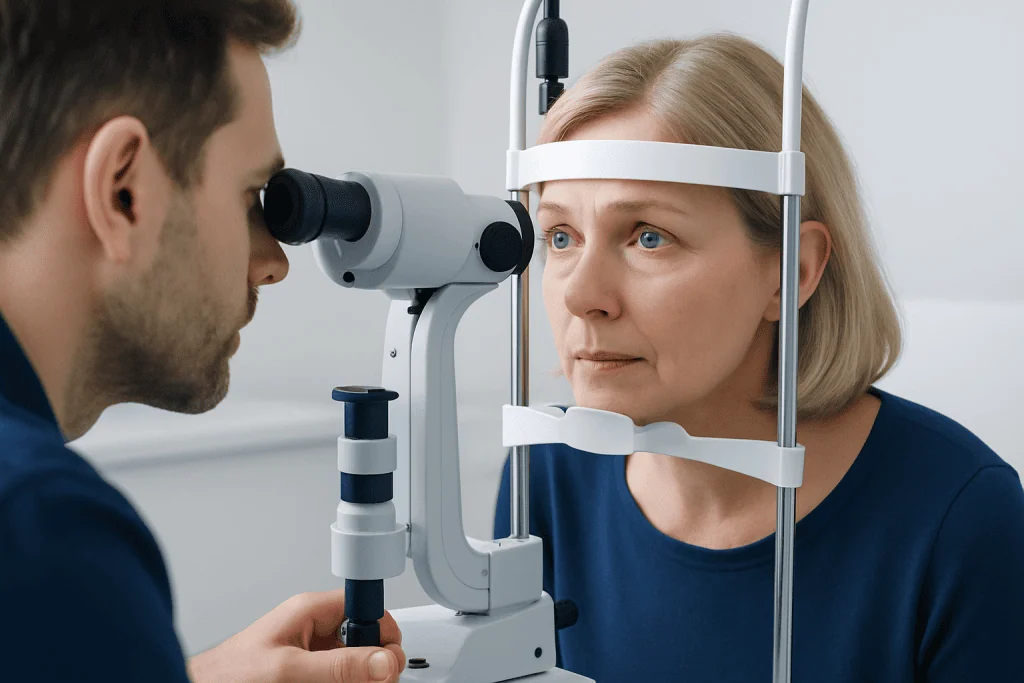
One of the most important warning signs is a sudden change in vision. This may include sudden blurring, dimming, distortion, loss of part of the visual field, or complete loss of vision in one or both eyes. Even if the symptom improves quickly, it should still be evaluated. Temporary episodes can sometimes be linked to circulation problems, migraine, or retinal issues.
New flashes of light, a sudden increase in floaters, or the sensation of a dark curtain or shadow moving across the field of vision can suggest a retinal tear or detachment. These symptoms are especially important when they appear suddenly rather than gradually. Prompt assessment may help protect sight.
Eye pain is another symptom that should not be ignored, especially when it is severe, persistent, or associated with headache, nausea, blurred vision, or sensitivity to light. Pain may come from infection, injury, inflammation, corneal problems, or increased pressure inside the eye. Pain is less common in some chronic eye diseases, which is why the absence of pain does not always mean a problem is minor.
Other warning signs include persistent redness in one or both eyes, discharge, swelling, double vision, halos around lights, increasing light sensitivity, and trouble seeing at night. A child who squints, sits very close to screens, rubs the eyes often, or seems to avoid visual tasks may also need an eye evaluation. Symptoms that are new, one-sided, worsening, or linked to systemic illness deserve particular attention.
Common Causes and Risk Factors
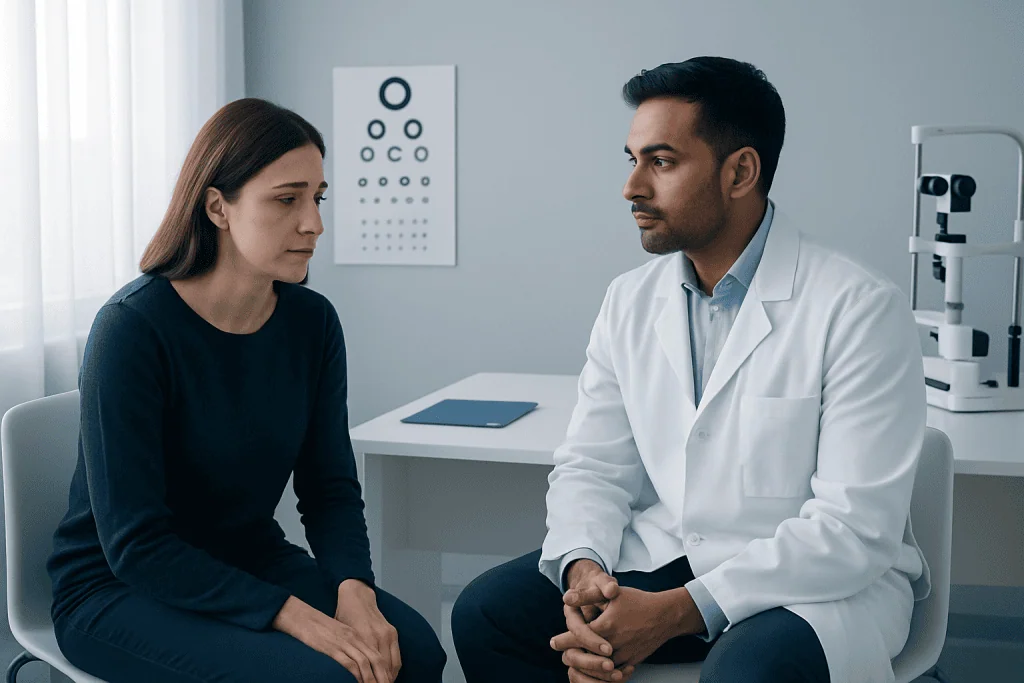
Early eye warning signs can come from many different causes. Some are relatively common and manageable, such as dry eye, eye strain, allergy, or conjunctivitis. Others may involve the cornea, lens, retina, optic nerve, or eye pressure. Examples include glaucoma, cataracts, retinal detachment, uveitis, and diabetic retinopathy. Because symptoms can overlap, a professional examination is often needed to identify the true cause.
Age is one of the strongest risk factors for several eye conditions. As people get older, the risk of cataracts, macular degeneration, glaucoma, and vitreous changes increases. Chronic health conditions also play a major role. Diabetes can damage the retina over time, high blood pressure can affect blood vessels in the eye, and autoimmune conditions may trigger inflammation.
Other factors include a family history of eye disease, smoking, long-term sun exposure without eye protection, eye injury, certain medications such as corticosteroids, and heavy screen use that worsens dryness and fatigue. Contact lens misuse can increase the risk of irritation and serious corneal infection. People with high myopia may also be more prone to retinal problems.
Some symptoms have neurologic or vascular causes rather than an eye cause alone. Double vision, drooping eyelids, unequal pupils, or sudden visual loss can sometimes be related to stroke, nerve problems, or impaired blood flow. This is another reason not to dismiss abrupt or unusual symptoms, even if the eye looks normal from the outside.
How Eye Problems Are Diagnosed
Diagnosis starts with a careful history. The doctor will usually ask when symptoms began, whether they came on suddenly or gradually, and whether they affect one eye or both. Associated symptoms such as pain, headache, light sensitivity, flashes, trauma, or recent illness can help guide the evaluation. A review of medications, medical history, and family history is also important.
An eye examination may include vision testing, checking eye movements, examining the pupils, and measuring eye pressure. The front of the eye can be assessed with a slit-lamp microscope, while dilating drops may be used to examine the retina and optic nerve more closely. These steps help detect problems involving the cornea, lens, vitreous, retina, and optic nerve.
Depending on the findings, additional tests may be recommended. These can include retinal imaging, optical coherence tomography, visual field testing, corneal assessment, or ultrasound of the eye. If a broader medical problem is suspected, blood tests or neurologic imaging may also be needed. The goal is not only to identify the eye symptom, but also to understand what is causing it.
Regular screening is especially important for people at higher risk, including those with diabetes, a family history of glaucoma, previous eye surgery, older age, or longstanding use of contact lenses. Even people without symptoms may benefit from periodic examinations because some conditions progress silently before noticeable vision changes develop.
Treatment Options
Treatment depends entirely on the cause. Mild dryness or eye strain may improve with environmental adjustments, screen breaks, hydration, and lubricating drops recommended by a clinician. Allergy-related symptoms may respond to avoiding triggers and using appropriate medicines. Infections, however, require a proper diagnosis because bacterial, viral, and other causes are treated differently.
More serious conditions often need specialist treatment. Elevated eye pressure may be managed with medication, laser treatment, or surgery. Cataracts can be treated when they begin to interfere with vision and daily activities, often through cataract surgery. Retinal tears or detachments may require urgent laser treatment or surgery, while inflammatory conditions may need targeted medicines and close monitoring.
When diabetes affects the eyes, controlling blood sugar and blood pressure remains essential, but eye-specific treatment may also be required. This can involve laser therapy, injections, or other procedures used for retinal disease treatment. If a patient has severe pressure-related disease or optic nerve damage, a doctor may discuss options used in glaucoma treatment.
Care is often multidisciplinary when eye symptoms are linked to broader health issues. Internists, endocrinologists, neurologists, and ophthalmologists may all contribute to diagnosis and management. Near the end of the care journey, patients may also consider experienced centers such as Acibadem International, where multidisciplinary specialists in JCI-accredited hospitals diagnose and treat eye conditions for international patients.
Prevention and Self-Care
Not every eye problem can be prevented, but healthy habits can lower risk and help preserve vision. Wearing sunglasses with UV protection, using protective eyewear during sports or hazardous work, and avoiding smoking all support long-term eye health. Good control of diabetes, blood pressure, and cholesterol also reduces the risk of damage to the retina and blood vessels.
Screen-related strain is very common. Taking regular breaks, blinking often, adjusting room lighting, and keeping screens at a comfortable distance may help reduce dryness and fatigue. People who wear contact lenses should follow hygiene instructions carefully, avoid sleeping in lenses unless specifically advised, and never rinse lenses or storage cases with tap water.
Nutrition can also support eye health. A balanced diet rich in leafy greens, colorful vegetables, fruits, and sources of omega-3 fats may be beneficial for overall eye function. Staying hydrated may help with dry eye symptoms, while adequate sleep can reduce irritation and visual fatigue.
Routine eye examinations remain one of the most effective preventive steps. They can detect changes before symptoms become obvious and may identify early retinal diseases or pressure-related damage. People with diabetes, a family history of glaucoma, previous eye problems, or age-related risk should ask a qualified doctor how often they should be checked.
When to See a Doctor Urgently
Urgent medical attention is important if there is sudden vision loss, sudden double vision, severe eye pain, or a rapid onset of flashes, floaters, or a shadow over the vision. These symptoms can be associated with retinal detachment, acute glaucoma, vascular problems, or neurologic emergencies. Prompt assessment offers the best chance of preventing complications.
People should also seek prompt care for redness with pain, light sensitivity, or reduced vision; discharge with worsening discomfort; eye injury; or symptoms after chemical exposure. Contact lens wearers should be especially careful, because corneal infections can develop quickly and may threaten vision if treatment is delayed.
Less urgent symptoms still deserve a planned medical review if they persist or recur. These include gradually worsening blurred vision, trouble reading, frequent headaches with visual strain, halos around lights, persistent dryness, or increasing difficulty with night driving. While these symptoms are not always emergencies, they may still signal conditions that benefit from treatment.
In general, a useful rule is simple: any new, persistent, one-sided, or rapidly worsening eye symptom should be assessed by a qualified eye professional. Reassurance is appropriate when symptoms are minor and short-lived, but uncertainty should not prevent someone from asking for expert advice.
Frequently asked questions
Are flashes and floaters always serious?
Not always. Some floaters are common with aging, but a sudden increase in floaters, especially with flashes or a shadow in the vision, should be checked promptly because it can signal a retinal tear or detachment.
Is eye redness usually an emergency?
Eye redness can happen with dryness, allergy, or irritation, which are often not emergencies. However, redness combined with pain, light sensitivity, discharge, or reduced vision should be assessed soon by a doctor.
Can general health conditions affect the eyes?
Yes. Diabetes, high blood pressure, autoimmune disease, thyroid problems, and some neurologic conditions can all affect vision and eye health. In some cases, eye symptoms are one of the first clues that a broader health issue is present.
How often should someone have an eye exam?
The best schedule depends on age, medical history, vision needs, and risk factors. People with diabetes, a family history of glaucoma, previous eye disease, or older age often need more regular examinations, so it is wise to ask an eye specialist for personalized advice.
Can screen use permanently damage the eyes?
Screen use does not usually cause permanent eye damage, but it can lead to dryness, blurred vision, and eye strain. Taking regular breaks, blinking often, and adjusting the screen setup can make symptoms more comfortable.
What should someone do if vision suddenly becomes blurry in one eye?
Sudden blurring in one eye should not be ignored, especially if it is accompanied by pain, flashes, headache, or a dark area in the vision. Prompt medical assessment is important because the cause may involve the retina, blood flow, eye pressure, or a neurologic condition.
References
- American Academy of Ophthalmology
- National Eye Institute
- Centers for Disease Control and Prevention
- World Health Organization
- Royal College of Ophthalmologists
This article is for general information only and is not a substitute for professional medical advice. Please consult a qualified doctor about your individual situation.
Explore treatments in Turkey — costs, top hospitals & a free quote
JCI-accredited · board-certified surgeons · reply within 24h