Functional Cognitive Disorder: Memory Complaints Without Dementia?

Functional cognitive disorder involves real cognitive symptoms, but not the typical pattern of dementia. Attention, stress, anxiety, depression, poor sleep, pain, and health worries can all contribute to symptoms.
Key Takeaways
- Functional cognitive disorder involves real cognitive symptoms, but not the typical pattern of dementia.
- Attention, stress, anxiety, depression, poor sleep, pain, and health worries can all contribute to symptoms.
- Diagnosis is based on history, cognitive assessment, and ruling out other causes when needed.
- Treatment focuses on education, managing contributing conditions, sleep and lifestyle support, and psychological therapies when appropriate.
- New, rapidly worsening, or clearly progressive symptoms should always be assessed by a doctor.
Functional cognitive disorder is a condition in which a person has genuine concerns about memory or thinking, but the pattern does not fit dementia or another progressive brain disease. Symptoms are real and can be distressing, yet many people improve with clear diagnosis, treatment of contributing factors, and practical coping strategies.
Overview
Functional cognitive disorder, often shortened to FCD, describes problems with memory, concentration, word-finding, or mental clarity that are very real to the person experiencing them. However, the overall pattern does not suggest a degenerative condition such as dementia. Instead, the brain’s cognitive processes may be disrupted by how attention, stress, mood, fatigue, or symptom monitoring are functioning in daily life.
People with FCD may say they are forgetful all the time, lose track of conversations, struggle to focus, or feel as if their thinking has become unreliable. These symptoms can affect work, relationships, confidence, and independence. Importantly, having these complaints does not automatically mean a person is developing Alzheimer’s disease or another neurodegenerative illness.
One of the key features of FCD is a mismatch between how severe the symptoms feel and what is seen on examination or formal testing. For example, a person may report major memory failures yet perform inconsistently, or do better when distracted from monitoring their memory. This does not mean symptoms are imagined. It means the difficulty may be related to brain function rather than ongoing brain cell loss.
FCD can overlap with problems such as anxiety, depression, sleep disturbance, chronic pain, fatigue, or other neurological disorders. A careful assessment helps distinguish it from mild cognitive impairment, dementia, delirium, medication effects, or other medical causes of memory change.
Symptoms
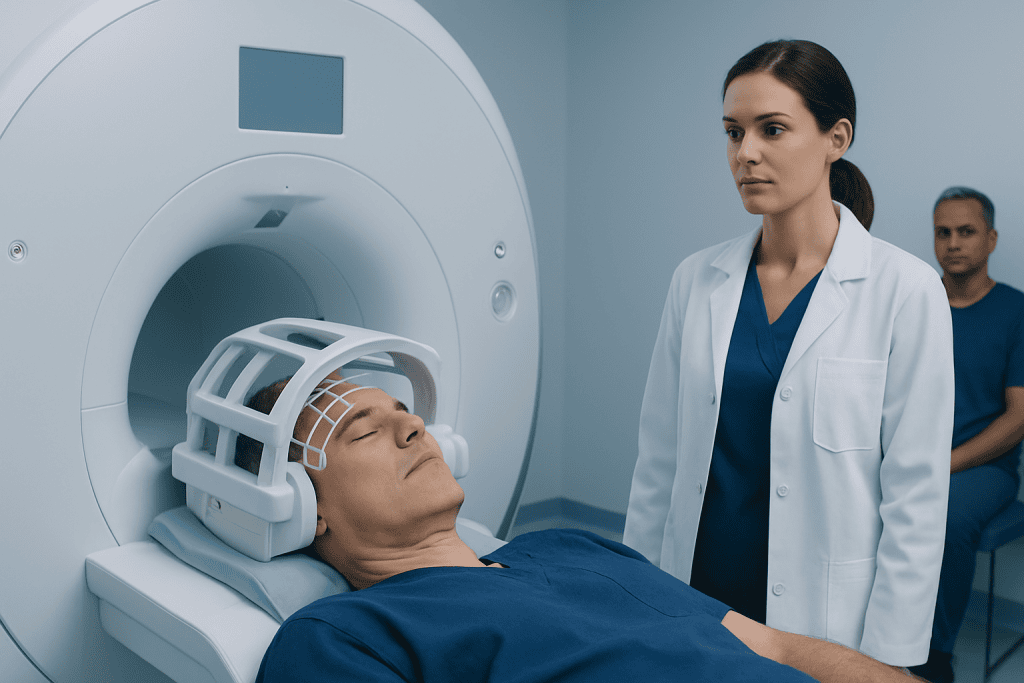
Symptoms of functional cognitive disorder vary from person to person. Many describe forgetfulness in everyday life, such as misplacing items, losing the thread of a discussion, missing appointments, forgetting why they entered a room, or struggling to recall names and words. Others notice poor concentration, mental slowness, difficulty multitasking, or a general sense of “brain fog.”
A common pattern is that symptoms become worse during stress, tiredness, busy environments, or times of emotional strain. Some people are highly alert to every small lapse and begin checking themselves repeatedly. This extra self-monitoring can make normal slips seem more frequent and can actually interfere with attention and memory, creating a frustrating cycle.
Another clue is inconsistency. A person may feel unable to remember information in one situation but recall it well in another, especially when relaxed or engaged. Family members may notice that the person functions better than they believe they do. At the same time, the distress is genuine and should never be dismissed.
Symptoms that need more urgent medical evaluation include rapidly worsening confusion, getting lost in familiar places, problems managing finances or medications, major personality change, speech difficulty, weakness, seizures, or loss of consciousness. These features may point to a different neurological or medical condition and should be assessed promptly.
Causes and Risk Factors

Functional cognitive disorder does not have one single cause. It is usually best understood as the result of several interacting factors. Attention plays an important role. Memory works best when the brain has properly focused on information in the first place. If attention is divided by worry, fatigue, pain, or constant self-checking, it becomes harder to register and retrieve information smoothly.
Mental health conditions are common contributors. Anxiety can make a person hyperaware of normal memory slips and create fear about serious illness. Depression may reduce concentration, motivation, and mental speed. Health anxiety, panic symptoms, and stress after a major life event can also affect cognition. In some people, FCD occurs alongside functional neurological symptoms such as dizziness, tremor, or non-epileptic episodes.
Sleep problems are another major factor. Poor sleep, insomnia, obstructive sleep apnea, and irregular sleep schedules can all impair attention and memory. Chronic pain, migraine, fatigue syndromes, hormonal changes, alcohol excess, and certain medicines may also make thinking feel less clear. Sometimes people first notice symptoms after an illness, surgery, bereavement, or burnout.
FCD can occur at different ages, including in younger and middle-aged adults, which is one reason it often differs from typical dementia presentations. Even so, age, family history, vascular risk factors, and other medical conditions still matter because they can influence whether another diagnosis should be considered and investigated.
How Functional Cognitive Disorder Is Diagnosed
Diagnosis starts with a detailed clinical history. The doctor asks what symptoms are happening, when they began, how they affect daily life, and whether they are stable, fluctuating, or progressive. They also review mood, sleep, medications, alcohol use, stress, medical history, and family history of cognitive disorders. Input from a family member or close friend can sometimes help build a fuller picture.
A neurological examination and cognitive assessment are usually part of the evaluation. The aim is not only to look for impairment, but also to recognize the typical pattern of FCD. This may include inconsistencies between severe reported problems and relatively preserved everyday function, variable performance during testing, or stronger recall when attention is supported. In some cases, a specialist may suggest neuropsychological evaluation to assess memory, attention, language, and executive function in more detail.
Tests may be recommended to exclude other causes. These can include blood tests for thyroid disease, vitamin deficiencies, infection, inflammation, or metabolic problems. Brain imaging may be advised if symptoms are new, unusual, focal, or concerning for another diagnosis. If sleep apnea is suspected, a sleep evaluation may also be useful. When appropriate, doctors may also assess for Alzheimer’s disease or other neurodegenerative conditions, especially if there is clear progression over time.
A positive diagnosis of FCD is important. It is not simply “nothing found.” Rather, it means the clinician has identified features that fit a functional pattern and has considered alternative causes. This clear explanation can be reassuring and is often the first step toward improvement.
Treatment Options
Treatment is tailored to the individual and usually focuses on the factors that are driving or maintaining symptoms. Education is central. Understanding that symptoms are real but not necessarily due to dementia can reduce fear and help break the cycle of over-monitoring and avoidance. Many people benefit from learning how attention works and why stress or fatigue can make memory feel worse.
If anxiety, depression, trauma-related symptoms, or health worries are present, treatment for these conditions can improve cognition. This may include counseling, structured psychotherapy, stress management, or medication when prescribed by a qualified clinician. For some people, psychiatric support or neuropsychiatric care is an important part of recovery. Cognitive rehabilitation strategies may also be helpful, especially when they focus on routine-building, pacing, and practical memory supports rather than repeated self-testing.
Managing sleep, pain, migraine, fatigue, and other physical contributors is equally important. Doctors may review medications that can affect alertness or memory. If the assessment suggests another neurological issue, specialist care may be recommended, including neurology evaluation and treatment for underlying conditions that can affect cognition.
There is no single medicine specifically for FCD itself. Instead, treatment aims to improve function and quality of life by addressing the full picture. In selected cases, a multidisciplinary approach can be useful. Near the end of the care pathway, some international patients may seek assessment at centers such as Acibadem International, where multidisciplinary specialists in JCI-accredited hospitals evaluate and treat cognitive and neurological conditions.
Prevention and Self-care
There is no guaranteed way to prevent functional cognitive disorder, but many self-care measures can reduce symptom intensity and support clearer thinking. Regular sleep, physical activity, hydration, balanced meals, and limiting excess alcohol all help the brain work more efficiently. Keeping treatment plans for anxiety, depression, pain, or chronic illness up to date can also make a meaningful difference.
Practical memory strategies are often useful. These may include using a calendar, phone reminders, a single place for keys and important items, written to-do lists, and consistent daily routines. The goal is not to prove that memory is failing, but to reduce mental load and improve confidence. Trying to multitask less and focusing on one task at a time can also support attention.
Stress reduction matters. Many people find benefit in relaxation techniques, mindfulness, breathing exercises, pacing activities, and taking regular breaks from intense screen use or work demands. It can also help to reduce repeated self-checking, such as constantly testing one’s memory or searching online for signs of dementia. These habits often increase anxiety and make symptoms feel stronger.
If there are signs of a sleep disorder, talking to a doctor is worthwhile because treating sleep problems can improve concentration and recall. Some people with ongoing difficulty may also benefit from structured medical check-up plans to review contributing health factors and track changes over time in a balanced, supportive way.
When to See a Doctor
Anyone with persistent memory complaints or changes in thinking should consider a medical assessment, especially if symptoms are affecting work, driving, finances, medication management, or daily routines. A doctor can help identify whether the pattern fits FCD or whether another cause needs attention. Early assessment is particularly helpful because worry about dementia can be very distressing and may itself worsen symptoms.
Prompt medical review is especially important if symptoms are clearly worsening over time, if there is new confusion, if a person gets lost in familiar places, or if family members notice loss of independence. Sudden changes in speech, weakness, severe headache, seizures, fainting, fever, or altered consciousness require urgent care, as they may signal a different medical emergency.
People who have depression, severe anxiety, panic attacks, traumatic stress, or sleep problems alongside memory complaints should also seek support. Treating these conditions may improve thinking and reduce distress. Follow-up matters too, because monitoring over time can confirm the diagnosis and ensure that any new warning signs are not missed.
In short, memory complaints without dementia are common and deserve careful, respectful evaluation. Functional cognitive disorder is a recognized and treatable explanation for many people, and a supportive care plan can help restore confidence and daily function.
Frequently asked questions
Is functional cognitive disorder the same as dementia?
No. Functional cognitive disorder can cause real and upsetting memory or concentration symptoms, but the pattern does not fit a progressive neurodegenerative disease like dementia. A careful assessment is needed because the two can feel similar at first.
Can someone with functional cognitive disorder do well on memory tests?
Yes, and this is one reason diagnosis can be confusing. Some people report severe day-to-day problems but perform relatively well or inconsistently on formal testing, especially when attention is supported. This pattern can help specialists recognize FCD.
What makes functional cognitive disorder worse?
Stress, anxiety, depression, poor sleep, chronic pain, fatigue, illness, and constant self-monitoring can all worsen symptoms. Busy environments and multitasking may also make attention less efficient, which then affects memory.
Can functional cognitive disorder improve?
Many people do improve, especially when they receive a clear explanation and treatment for contributing factors. Better sleep, mental health support, practical coping tools, and reducing fear about dementia can all help daily functioning.
Does functional cognitive disorder mean the symptoms are psychological or imagined?
No. The symptoms are real and can significantly affect quality of life. The term “functional” means there is a problem in how brain processes are working rather than clear evidence of progressive brain damage.
When should a person worry that memory loss may be something more serious?
A person should seek medical review if symptoms are steadily worsening, causing loss of independence, or occurring with getting lost, language problems, personality change, weakness, or confusion. Sudden or severe changes need urgent medical care.
References
- National Institute on Aging
- Alzheimer's Association
- National Health Service
- American Academy of Neurology
- World Health Organization
This article is for general information only and is not a substitute for professional medical advice. Please consult a qualified doctor about your individual situation.
Dementia in Turkey — costs, top hospitals & a free quote
JCI-accredited · board-certified surgeons · reply within 24h
Add us as a Preferred Source to see more of our trusted health content across Google Search, AI Overviews and Discover.

Neurosurgery
Surgical treatment of the brain, spine and nervous system, including minimally invasive and functional procedures.
72 specialists in this unit