Gi Surgeon: An Evidence-Based Patient Guide

A GI surgeon treats surgical conditions of the esophagus, stomach, intestines, colon, rectum, gallbladder, liver and pancreas. Many digestive symptoms do not require surgery; assessment often starts with medical evaluation, blood tests, imaging or endoscopy.
Key Takeaways
- A GI surgeon treats surgical conditions of the esophagus, stomach, intestines, colon, rectum, gallbladder, liver and pancreas.
- Many digestive symptoms do not require surgery; assessment often starts with medical evaluation, blood tests, imaging or endoscopy.
- Minimally invasive laparoscopic or robotic approaches may be suitable for some procedures, but the best technique depends on the condition and individual anatomy.
- Recovery time varies widely by procedure, overall health and whether surgery is planned or urgent.
- Persistent abdominal pain, gastrointestinal bleeding, jaundice, bowel obstruction symptoms or unexplained weight loss need timely medical assessment.
A GI surgeon, also called a gastrointestinal or digestive surgeon, is a specialist who performs operations involving the digestive tract and related organs when surgery is the safest or most effective option. They work closely with gastroenterologists, radiologists, oncologists, dietitians and other specialists to plan care before and after an operation.
What Is a GI Surgeon?
A GI surgeon is a doctor trained to diagnose and surgically treat conditions affecting the gastrointestinal, or digestive, system. This includes the esophagus, stomach, small intestine, colon, rectum, anus, gallbladder, bile ducts, liver and pancreas. In many health systems, GI surgery is part of general surgery, with surgeons developing additional experience in upper gastrointestinal, colorectal, hepatobiliary, pancreatic or weight-loss procedures.
Surgery is not the first treatment for every digestive concern. A GI surgeon becomes involved when a condition may benefit from an operation, when less invasive treatment has not worked, or when urgent treatment is needed. They may also review imaging and test results, explain surgical and non-surgical alternatives, and help patients understand what recovery may involve.
GI surgeons commonly work in multidisciplinary teams. For example, a person with suspected colorectal cancer may be assessed by a gastroenterologist, radiologist, pathologist, medical oncologist and colorectal surgeon. This coordinated approach helps ensure that treatment is tailored to the diagnosis, stage of disease and the person’s general health.
Conditions a GI Surgeon May Treat
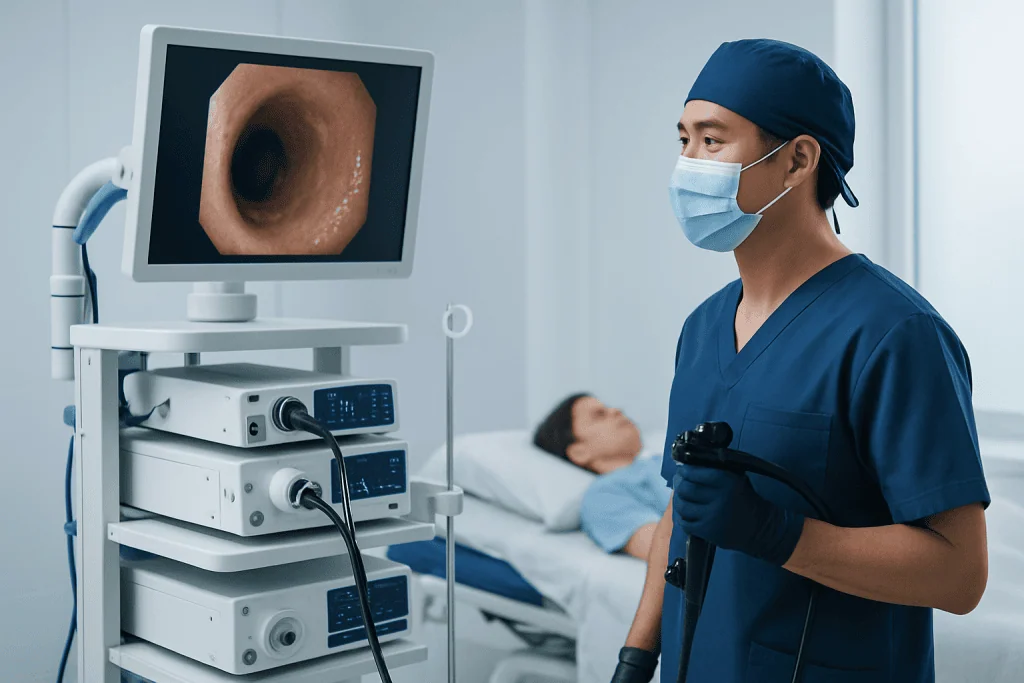
The range of conditions managed by a GI surgeon is broad. Some are common and benign, such as gallstones causing repeated pain, appendicitis, hemorrhoids, hernias, diverticular disease or inflammatory bowel disease complications. Others involve narrowing, perforation, bleeding, infection, blockage or abnormal growths in the digestive tract.
A GI surgeon may also treat cancers of the esophagus, stomach, colon, rectum, pancreas, liver or bile ducts. Surgical treatment can be used to remove a tumor, relieve a blockage, obtain tissue for diagnosis, manage complications or reconstruct the digestive tract after disease is removed. Cancer care may involve chemotherapy, radiation therapy, targeted medicines or other treatments before or after surgery.
Examples of situations that may prompt surgical review include:
- Symptomatic gallstones or inflammation of the gallbladder
- Appendicitis or a bowel obstruction
- Large, recurrent or complicated abdominal wall hernias
- Severe diverticulitis, bowel perforation or abscess
- Colon or rectal polyps that cannot be removed endoscopically
- Digestive tract cancers or suspicious masses
- Selected complications of Crohn’s disease or ulcerative colitis
Not every symptom points to a surgical condition. Indigestion, altered bowel habits or abdominal discomfort can have many causes, so a careful diagnosis is important before treatment decisions are made.
How a GI Surgeon Assesses a Patient

The first consultation usually begins with a detailed history. The surgeon asks about symptoms, their timing and severity, previous illnesses and operations, medicines, allergies, family history, nutrition, smoking and alcohol use. They also perform a physical examination and consider how symptoms affect daily activities.
Diagnosis may require blood tests, stool tests, ultrasound, CT, MRI, endoscopy or colonoscopy. In some cases, a biopsy is needed to identify the type of tissue or confirm cancer. The surgeon reviews these findings alongside input from other clinicians to establish whether surgery is appropriate and, if so, how urgently it is needed.
Before planned surgery, patients commonly have preoperative testing to assess anesthesia and surgical risks. This may include heart and lung evaluation, medication review and advice about eating, drinking, bowel preparation or temporarily stopping certain medicines. Patients should not stop prescribed blood thinners, diabetes medicines or other treatments without instructions from their care team.
GI Surgery: Approaches and What Happens Step by Step
GI surgery can be performed as open surgery, laparoscopic surgery or, in selected settings, robotic-assisted surgery. Open surgery uses a larger incision and may be necessary for complex disease, severe inflammation, emergency operations or when direct access is safest. Laparoscopic and robotic techniques use small incisions, a camera and specialized instruments; they may reduce incision-related discomfort and shorten recovery for some people, but are not suitable for every case.
The details depend on the procedure, but a planned operation often follows a similar pathway:
- Preoperative preparation, consent and review with the surgical and anesthesia teams
- Anesthesia, usually general anesthesia for major abdominal operations
- Access to the surgical area using an open or minimally invasive technique
- Treatment of the problem, such as removing an inflamed organ, repairing a hernia, removing diseased bowel or reconnecting healthy bowel segments
- Closure of incisions and transfer to a recovery area for monitoring
Some bowel procedures require a temporary or permanent stoma, an opening on the abdominal wall that allows stool to pass into a pouch. Whether this is needed depends on the location of disease, safety of bowel reconnection and the urgency of surgery. The surgical team should explain this possibility in advance whenever circumstances allow.
For conditions such as severe obesity, surgery may be considered after a structured assessment of health, nutrition, previous weight-management efforts and readiness for long-term follow-up. Information about bariatric surgery can help patients understand how these procedures change the digestive system and why lifelong nutritional monitoring matters.
Who May Be a Candidate, and What Are the Benefits?
Candidacy for GI surgery depends on the diagnosis, severity of symptoms, expected benefit, alternatives and the person’s overall health. A surgeon considers factors such as age, heart and lung function, nutritional status, prior abdominal operations, medication use and whether surgery is elective or urgent. Shared decision-making is important: patients should understand what surgery is intended to achieve and what it cannot guarantee.
Potential benefits vary by procedure. Surgery may relieve painful or dangerous symptoms, remove diseased tissue, restore bowel continuity, prevent recurrence of certain complications, improve the ability to eat or pass stool, or contribute to curative cancer treatment. For people with cancer, the intended role of surgery may be cure, local control, symptom relief or support for other treatments.
A surgeon may recommend observation, medicine, endoscopic treatment or lifestyle measures instead of surgery when these are likely to provide a reasonable outcome with less risk. For example, some gallstones do not cause symptoms and do not need an operation, while some colorectal polyps can be managed during colonoscopy. The most appropriate plan is individualized rather than based on a single test result.
Recovery Timeline and Aftercare
Recovery after GI surgery is highly individual. After a minor laparoscopic procedure, some people return home the same day or after one night and gradually resume light activities over days to weeks. Major bowel, pancreatic, liver or cancer surgery usually involves a longer hospital stay and recovery period that may extend over several weeks or months.
In hospital, the team monitors pain control, breathing, circulation, wound healing, bowel function and nutrition. Early, supported movement is usually encouraged to reduce complications such as blood clots and chest infections. Eating is restarted according to the procedure and recovery; some people begin with liquids and progress gradually, while others may need specialized nutritional support.
At home, patients should follow instructions on wound care, showering, activity limits, diet, medicines and follow-up appointments. It is common to feel tired during recovery, especially after major surgery. Contact the clinical team promptly for increasing pain, fever, persistent vomiting, worsening redness or drainage from a wound, inability to keep fluids down, new shortness of breath, leg swelling or changes that cause concern.
When a stoma is created, specialist stoma nurses provide practical teaching, supplies and ongoing support. Many people adapt well over time, but questions about food, skin care, travel and activity should be discussed early with the care team.
Risks, Safety and When to Seek Medical Care
All operations have potential risks. These may include bleeding, infection, blood clots, reactions to anesthesia, injury to nearby structures, delayed return of bowel function, leakage where bowel has been joined, hernia formation and the need for further treatment or surgery. The likelihood of a complication varies with the procedure, the reason for surgery and individual health factors.
A GI surgeon explains relevant risks and the measures used to reduce them, such as antibiotics when indicated, blood-clot prevention, careful anesthesia planning and enhanced recovery pathways. Patients can support safer care by sharing an accurate medication list, discussing smoking or alcohol use honestly, following preparation instructions and attending follow-up visits.
When to seek medical care: urgent assessment is appropriate for severe or rapidly worsening abdominal pain, a hard or markedly swollen abdomen, repeated vomiting, vomiting blood, black or bloody stools, yellowing of the skin or eyes, fainting, high fever with abdominal symptoms, or inability to pass stool or gas with pain and vomiting. These symptoms can have different causes, but they should not be ignored.
For non-urgent but persistent concerns, such as unexplained weight loss, ongoing trouble swallowing, a lasting change in bowel habits, recurrent rectal bleeding or continuing abdominal pain, a doctor can arrange appropriate evaluation. Acibadem International’s multidisciplinary specialists and JCI-accredited hospitals provide assessment and treatment for digestive surgical conditions for international patients.
Frequently asked questions
What is the difference between a gastroenterologist and a GI surgeon?
A gastroenterologist primarily diagnoses and treats digestive conditions using medicines, nutrition guidance and procedures such as endoscopy and colonoscopy. A GI surgeon performs operations when surgery is needed. They often work together, particularly for complex disease, polyps, inflammatory bowel disease complications and cancer.
Does seeing a GI surgeon mean surgery is certain?
No. A consultation helps determine whether surgery is likely to help and whether non-surgical options are appropriate. The surgeon may recommend further tests, monitoring, medicine, endoscopic treatment or referral to another specialist.
How should a patient prepare for a GI surgery consultation?
It is helpful to bring previous test results, imaging reports, medication and allergy lists, and details of prior surgeries. Patients may also write down symptoms, questions and health goals. A family member or trusted support person can help with note-taking if desired.
Is minimally invasive GI surgery always better?
Minimally invasive surgery can offer benefits for selected procedures, including smaller incisions and potentially faster recovery. However, open surgery may be safer or more effective in certain situations. The appropriate approach depends on the diagnosis, anatomy, surgical complexity and the surgeon’s assessment.
How long does recovery from digestive surgery take?
Recovery ranges from days after some minor procedures to several weeks or longer after major abdominal surgery. Bowel surgery, cancer surgery and emergency operations commonly require more recovery time. The care team can provide a more personalized timeline after discussing the planned procedure.
What symptoms should prompt urgent assessment after GI surgery?
Patients should contact their surgical team or seek urgent care for severe or increasing abdominal pain, fever, repeated vomiting, wound drainage or redness that is worsening, breathing difficulty, chest pain, leg swelling, or heavy bleeding. The correct response depends on symptom severity and local emergency guidance.
References
- World Health Organization
- American College of Surgeons
- National Institute of Diabetes and Digestive and Kidney Diseases
- National Cancer Institute
- National Health Service
This article is for general information only and is not a substitute for professional medical advice. Please consult a qualified doctor about your individual situation.
Persistent digestive symptoms? Get evaluated in Turkey
JCI-accredited · board-certified surgeons · reply within 24h

More from the Health Library

Fda Approved Cellular and Gene Therapy Products Hemophilia List 2024: How It Works, Results and What to Expect

Hand Foot and Mouth Disease Blister Treatment: How It Works, Results and What to Expect

Rehab for Brain Injury: An Evidence-Based Patient Guide
Related Specialists

Dt. Anil Yavuzyilmaz
Oral & Dental Health
Dr. Emin Yıldırım
Emergency Service
Assoc. Prof. Dr. Esma Kobak Tur
Neurology
Assoc. Prof. Dr. Çağrı Örs
Orthopedic Surgery & Traumatology