

Hot Flashes During Period: A Complete Clinical Guide for Patients

Hot flashes during period are often related to changing estrogen and progesterone levels around menstruation. They may occur with sweating, flushing, chills afterward, sleep disruption, or a racing heartbeat.
Key Takeaways
- Hot flashes during period are often related to changing estrogen and progesterone levels around menstruation.
- They may occur with sweating, flushing, chills afterward, sleep disruption, or a racing heartbeat.
- Other causes can include perimenopause, thyroid disorders, infections, medications, anxiety, or low blood sugar.
- Tracking symptoms with the menstrual cycle can help a doctor identify patterns and possible triggers.
- Medical review is important if hot flashes are new, severe, frequent, or linked with missed periods, heavy bleeding, weight loss, or chest symptoms.
Hot flashes during period are episodes of sudden warmth, flushing, and sweating that can occur before or during menstruation, often because hormone levels shift across the menstrual cycle. While they are commonly linked to normal hormonal changes, they can also be influenced by stress, medications, thyroid problems, or the menopause transition, so persistent or severe symptoms deserve medical attention.
Overview: can hot flashes happen during a period?
Yes. Hot flashes during period can happen, and many people notice sudden waves of heat, facial flushing, sweating, or feeling overheated around the days before bleeding starts or while menstruation is underway. In many cases, these episodes are connected to normal hormonal fluctuations in the menstrual cycle rather than a dangerous problem.
That said, menstrual hot flashes are not always caused by the period itself. They may also be associated with the menopause transition, stress, sleep disruption, certain medicines, thyroid imbalance, or other medical conditions. The key is to look at the full pattern: when symptoms happen, how intense they are, and whether they come with other changes such as irregular periods, palpitations, or weight changes.
Because people often associate hot flashes only with menopause, they can be confusing or worrying when they occur during reproductive years. A careful assessment can usually clarify whether they fit a menstrual hormone pattern or whether another cause should be considered. For those with recurring cycle-related symptoms, keeping a symptom diary can be especially helpful.
What hot flashes during period feel like
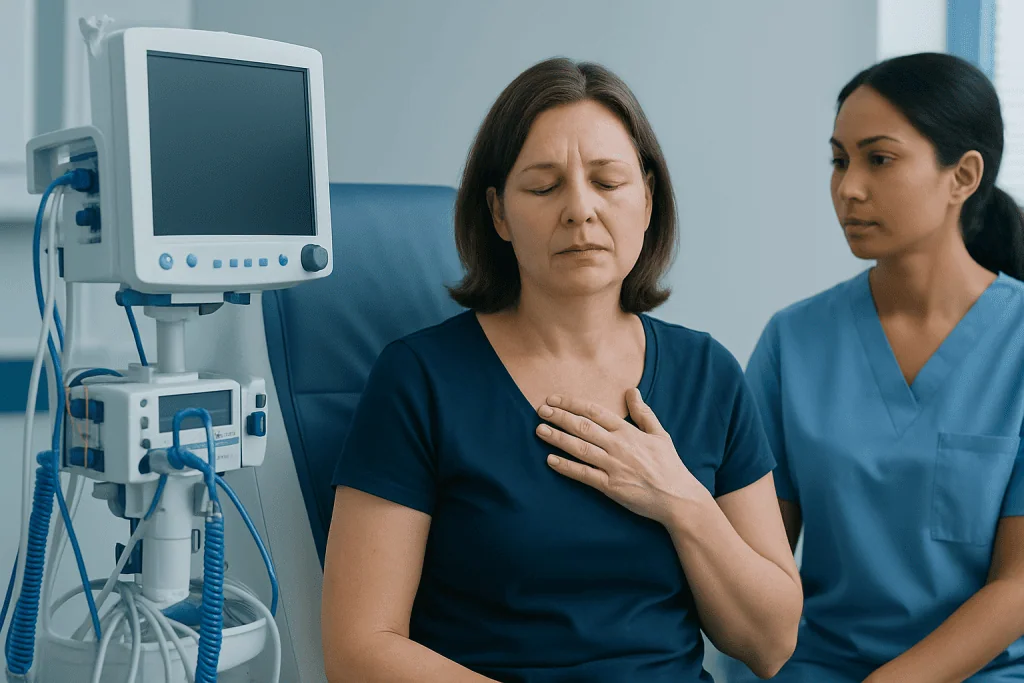
A hot flash is a sudden sensation of heat that usually starts in the chest, neck, or face and then spreads. The skin may look red or feel warm, and sweating is common. Some people then feel chilled as the episode passes. A hot flash may last a few seconds or several minutes, and intensity can vary from mild warmth to a more disruptive event.
When hot flashes are linked to the menstrual cycle, they may appear in the days leading up to a period, on the first days of bleeding, or occasionally around ovulation. They can happen during the day or wake a person from sleep as night sweats. They may also overlap with familiar premenstrual symptoms such as mood changes, bloating, cramps, fatigue, or headaches.
Common features can include:
- sudden warmth in the face, neck, chest, or whole body
- flushing or reddening of the skin
- sweating or damp clothing
- chills after the heat passes
- temporary fast heartbeat or a fluttering feeling
- sleep interruption, especially if symptoms happen at night
Not every episode of feeling warm is a hot flash. Fever, overheating from the environment, panic symptoms, or low blood sugar can feel similar. This is one reason why the timing, triggers, and associated symptoms matter.
Why they happen: menstrual hormones and other causes
The most common explanation for hot flashes during period is hormonal fluctuation. Estrogen and progesterone do not stay at one level throughout the month. In the days before menstruation, both hormones fall. In some people, this change can affect the body’s temperature regulation, making them more sensitive to warmth and more likely to experience flushing or sweating.
Estrogen influences the brain centers that help control body temperature. When estrogen levels shift or drop, the body may react as if it is overheated even when body temperature is normal. This is also one reason hot flashes are common in perimenopause and menopause. If someone in their 40s or, sometimes, late 30s has hot flashes with changing cycle length, skipped periods, or sleep disturbance, the menopause transition may be part of the picture. Helpful background can be found on menopause and cycle-related hormonal changes.
Other possible causes should also be considered, especially if symptoms are new or do not clearly track with the menstrual cycle. These include thyroid disorders such as hyperthyroidism, anxiety or panic episodes, infection, anemia, low blood sugar, and side effects from some medications or supplements. Less commonly, certain endocrine or inflammatory conditions can contribute.
Risk factors or triggers that may make menstrual hot flashes more noticeable include stress, poor sleep, alcohol, caffeine, spicy foods, smoking, overheating, and being in a warm environment. For some, hot flashes are not caused by one single factor but by an interaction between hormonal shifts and lifestyle triggers.
How doctors evaluate hot flashes around a period
Evaluation usually starts with a detailed history. A doctor may ask when the hot flashes occur in relation to the menstrual cycle, how long they last, whether periods are regular, and whether there are symptoms such as heavy bleeding, pelvic pain, headaches, weight change, tremor, anxiety, or sleep problems. Bringing a diary that tracks symptoms, menstrual dates, and possible triggers can make patterns easier to identify.
A physical examination may be recommended depending on the overall picture. In some cases, no testing is needed if the pattern is mild, predictable, and clearly tied to the cycle. If symptoms are frequent, severe, or suggest another condition, laboratory tests may be used to look for thyroid disease, anemia, pregnancy, infection, or hormone-related issues.
Further gynecologic assessment may be considered if hot flashes occur with irregular periods, very heavy bleeding, pelvic symptoms, or fertility concerns. Depending on symptoms, the doctor may also evaluate conditions such as polycystic ovary syndrome (PCOS). When menstrual changes or pelvic symptoms need closer review, imaging such as pelvic ultrasound may be part of the assessment.
Treatment options and symptom relief
Treatment depends on the cause. If hot flashes during period are mild and linked to normal menstrual hormone shifts, the main goal is symptom control and trigger reduction. If an underlying condition is identified, treatment is directed at that problem. There is no one-size-fits-all plan, and decisions are based on age, cycle pattern, medical history, and whether symptoms affect quality of life.
Self-care steps often help. Wearing light layers, keeping the bedroom cool, using breathable fabrics, and avoiding known triggers such as excess caffeine, alcohol, or spicy foods may reduce episodes. Regular sleep, hydration, stress management, and gentle physical activity can also support temperature regulation and overall hormonal well-being.
For people whose symptoms are more disruptive, a doctor may discuss medical treatment options. These can include approaches aimed at hormonal balance or at symptom relief, depending on the cause and whether pregnancy is possible or desired. If hot flashes appear related to perimenopause or other hormone changes, evaluation through gynecology care or, when appropriate, endocrinology assessment may help guide treatment safely.
When periods are very irregular or there are multiple hormone-related symptoms, treatment may also involve managing underlying reproductive or endocrine conditions. The most suitable option should always be individualized after discussion with a qualified clinician, especially because some therapies are not appropriate for everyone.
Prevention and self-care between cycles
Although hormonal changes cannot be completely prevented, some people can reduce the frequency or intensity of hot flashes by identifying patterns and preparing for higher-risk days in the cycle. A menstrual tracking app or paper diary can record hot flashes, flow, sleep, stress, diet, and exercise. Over time, this can reveal whether symptoms cluster before the period, during heavy flow days, or after poor sleep or certain foods.
Supportive habits are often worthwhile even when symptoms are mainly hormone-related. These include consistent sleep schedules, regular meals to avoid feeling faint or shaky, limiting tobacco exposure, and using relaxation methods such as paced breathing, yoga, or mindfulness. If night sweats are a problem, keeping water nearby and choosing moisture-wicking bedding may improve comfort.
Simple self-care strategies include:
- dressing in removable layers
- keeping rooms cool or using a fan
- cutting back on alcohol, caffeine, and spicy foods if they trigger symptoms
- staying hydrated
- managing stress and prioritizing sleep
- seeking medical advice before starting supplements marketed for hormone balance
Natural or over-the-counter remedies are not automatically safe for every person, especially those with thyroid conditions, liver disease, blood clot risk, or a history of hormone-sensitive disorders. A clinician or pharmacist can help review what is appropriate.
When to seek medical care
Hot flashes during period are often manageable, but medical review is important when symptoms are persistent, severe, or changing. A doctor should be consulted if hot flashes are new, happen often outside the menstrual cycle, disturb sleep regularly, or interfere with daily activities. Evaluation is also appropriate if there are irregular periods, missed periods, very heavy bleeding, fertility concerns, or symptoms suggesting perimenopause at an unexpectedly early age.
Prompt medical attention is needed if hot flashes come with chest pain, fainting, shortness of breath, high fever, unexplained weight loss, or severe palpitations. These features are not typical simple menstrual hot flashes and may point to another condition that should be assessed quickly.
For international patients who need assessment, Acibadem International’s multidisciplinary specialists and JCI-accredited hospitals diagnose and treat menstrual, hormonal, and endocrine conditions with individualized care. The most suitable specialist may be a gynecologist, endocrinologist, or primary care doctor depending on the symptom pattern.
Frequently asked questions
Is it normal to have hot flashes during a period?
It can be normal for some people to experience hot flashes during a period, especially around the time hormone levels are dropping before menstruation. However, if symptoms are new, severe, or accompanied by irregular periods or other concerning changes, a medical review is sensible.
Why do I get hot flashes right before my period starts?
Hot flashes right before a period are often related to the fall in estrogen and progesterone that happens in the late luteal phase of the menstrual cycle. These hormonal changes can affect the body's temperature-control system and trigger brief episodes of warmth, flushing, or sweating.
Do hot flashes during period mean early menopause?
Not necessarily. While hot flashes can be a sign of perimenopause, they can also happen during regular menstrual cycles because of normal hormonal fluctuations. If they occur with skipped periods, changing cycle length, or symptoms such as vaginal dryness or sleep disruption, a doctor may consider the menopause transition.
Can stress make menstrual hot flashes worse?
Yes. Stress can make the body more reactive and may increase awareness or intensity of hot flashes. Poor sleep, anxiety, caffeine, and alcohol can also make episodes more noticeable around the menstrual period.
What tests might be needed for hot flashes during period?
Not everyone needs tests. If symptoms are frequent, severe, or not clearly linked to the menstrual cycle, a doctor may check for pregnancy, thyroid problems, anemia, infection, or hormone-related issues based on the history and examination.
How can someone relieve hot flashes during a period at home?
Practical steps include dressing in layers, keeping the room cool, staying hydrated, and avoiding known triggers such as alcohol, spicy foods, or too much caffeine. Tracking symptoms, protecting sleep, and using stress-reduction techniques may also help reduce episodes over time.
References
- American College of Obstetricians and Gynecologists
- Office on Women's Health
- National Institute for Health and Care Excellence
- Mayo Clinic
- Endocrine Society
This article is for general information only and is not a substitute for professional medical advice. Please consult a qualified doctor about your individual situation.
Explore treatments in Turkey — costs, top hospitals & a free quote
JCI-accredited · board-certified surgeons · reply within 24h
Add us as a Preferred Source to see more of our trusted health content across Google Search, AI Overviews and Discover.
Check your numbers in seconds
BMI, calories, due date, blood pressure and 30+ more clinical calculators — free, instant, doctor-reviewed ranges.

More from the Health Library



Related Specialists

Prof. Dr. Yılmaz Büyükuncu
General Surgery
Dr. Mehrdad Rezaeımıyandoab
Radiology
Prof. Dr. Vahit Emre Özden
Orthopedic Surgery & Traumatology
Dr. İlke Karagöz
Aesthetic Plastic & Reconstructive Surgery