How Long Do Edibles Last? Causes, Explanations, and Next Steps

Edibles often last longer than inhaled cannabis because they are absorbed through the digestive system and processed by the liver. Onset is delayed, so taking more too soon is a common reason people feel stronger or longer-lasting effects than expected.
Key Takeaways
- Edibles often last longer than inhaled cannabis because they are absorbed through the digestive system and processed by the liver.
- Onset is delayed, so taking more too soon is a common reason people feel stronger or longer-lasting effects than expected.
- Effects vary with dose, THC content, body size, food intake, alcohol or other drugs, and individual sensitivity.
- Most symptoms are temporary, but red flags such as severe agitation, chest pain, breathing problems, or unresponsiveness need prompt medical care.
- Doctors usually diagnose edible intoxication based on symptoms, timing, other substances taken, and vital signs rather than one single test.
Medically reviewed by the Acıbadem International Medical Board — July 24, 2026
How long do edibles last? In many people, the main effects begin after 30 minutes to 2 hours, peak around 2 to 4 hours, and can last 6 to 12 hours, though some drowsiness, brain fog, or anxiety may linger into the next day. Most episodes improve with time and supportive care, but severe confusion, chest pain, trouble breathing, seizures, or loss of consciousness need urgent medical attention.
Overview: how long do edibles last?
For most adults, edible cannabis products cause noticeable effects for about 6 to 12 hours, with some residual tiredness, slowed thinking, dry mouth, or low-grade dizziness lasting longer. The strongest effects often happen later than people expect because edibles must pass through the stomach and liver before entering the bloodstream.
In many cases, this experience is unpleasant but not dangerous, and symptoms gradually fade with rest, hydration, and time. A common problem is taking an additional dose too early because nothing seems to be happening at first. That delayed onset can lead to a higher total dose and more intense or prolonged effects.
The exact timeline depends on several factors, including the amount of tetrahydrocannabinol (THC), whether the product also contains cannabidiol (CBD), whether it was taken on an empty stomach, and whether alcohol or other drugs were involved. Children, older adults, and people with heart disease or mental health conditions may be more vulnerable to complications and may need earlier medical review.
What timeline is typical after taking an edible?
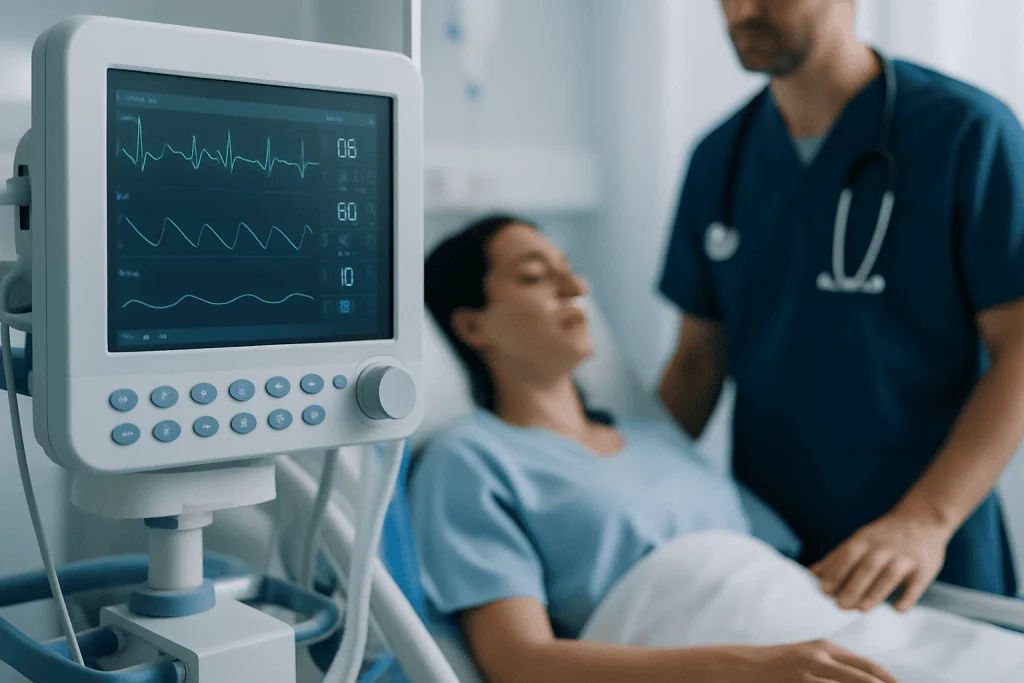
Although experiences vary, a typical edible follows a broad pattern. Early effects may start in 30 minutes to 2 hours, become strongest after about 2 to 4 hours, and then slowly wear off over several more hours. Some people still feel off-balance, sleepy, or mentally slowed the next morning, especially after a high dose.
Several patterns are common:
- Onset: usually delayed compared with smoking or vaping.
- Peak: often later and stronger than expected.
- Duration: commonly 6 to 12 hours, sometimes longer with larger doses.
- After-effects: fatigue, poor concentration, and dry mouth can linger into the next day.
Products are not all the same. Gummies, baked goods, chocolates, drinks, and homemade edibles can release THC differently. Homemade products can be especially unpredictable because the THC may not be evenly mixed, making one serving much stronger than another.
Because the body converts THC into another active compound in the liver, edible effects can feel more intense and long-lasting than inhaled cannabis. This is one reason edible experiences are harder to judge in real time and why patience is important after any dose.
Why edibles can last so long

Edibles last longer mainly because of how the body processes them. After swallowing, the ingredients move through the digestive tract and are absorbed more slowly than inhaled cannabis. The liver then changes THC into 11-hydroxy-THC, an active metabolite that can produce strong and sometimes more sedating psychoactive effects.
Food in the stomach can change the timeline. A full meal may delay the onset, which sometimes tricks people into thinking the dose was too low. However, once absorption happens, effects can still become pronounced and prolonged. Taking another serving while waiting is a frequent reason symptoms become unexpectedly intense.
Other substances can also change the experience. Alcohol, sedatives, sleep medications, stimulants, or other recreational drugs may increase dizziness, confusion, anxiety, palpitations, or impaired judgment. In some situations, cannabis-related symptoms may overlap with problems such as panic attack symptoms or dehydration, which can make the situation feel more frightening.
Symptoms that may occur and what influences them
Common edible symptoms include drowsiness, lightheadedness, dry mouth, red eyes, slower reaction time, increased appetite, nausea, anxiety, and a distorted sense of time. Some people feel relaxed, while others feel restless, suspicious, or panicky. Higher doses are more likely to cause confusion, difficulty walking, vomiting, or a racing heartbeat.
How a person feels depends on more than just the edible itself. Important influences include body size, tolerance, age, liver function, recent meals, THC concentration, and whether the person is new to cannabis. A person who rarely uses THC may develop stronger symptoms from a dose that another person considers mild.
Children and pets can become ill from accidental exposure because even small amounts may affect them much more strongly. Older adults may also be more susceptible to low blood pressure, falls, and confusion. In rare cases, severe anxiety, psychosis-like symptoms, or worsening of an underlying mental health condition can happen, especially with very high-THC products.
Longer-lasting vomiting, severe abdominal pain, or repeated episodes of nausea may raise concern for another condition rather than a simple prolonged edible effect. Doctors may also consider gastroenteritis or other digestive causes depending on the symptoms and timing.
When to seek medical care
Most people do not need emergency treatment, but certain warning signs should not be ignored. Medical care is appropriate if the person is hard to wake, has trouble breathing, has chest pain, collapses, has a seizure, becomes violent or severely agitated, or seems profoundly confused. The same is true for a child, pregnant person, older adult with frailty, or anyone with significant heart disease who develops concerning symptoms after an edible.
Urgent evaluation is also wise if symptoms are not improving, if there was possible exposure to other substances, or if the product source is uncertain. Very rapid heart rate, persistent vomiting, dehydration, severe panic, hallucinations, or injury from a fall are practical reasons to get help. If there is any concern about poisoning or an unintentional overdose, contacting local emergency services or a poison center is a sensible next step.
Once red flags are excluded, many people can be observed in a calm setting with reassurance, water, and avoidance of driving or making important decisions. If symptoms involve severe anxiety or persistent fast heartbeat, doctors may evaluate for other causes, including dehydration or a heart rhythm problem, and may use tests such as electrocardiography (EKG) when needed.
How doctors evaluate prolonged edible effects
There is usually no single test that tells a doctor exactly how intoxicated someone is from an edible. Diagnosis is mainly based on the story of what was taken, when it was taken, the estimated amount of THC, and whether alcohol, prescription medicines, or other drugs were also used. Doctors also assess vital signs, alertness, hydration, and safety.
If symptoms are mild and the history is clear, extensive testing may not be necessary. However, medical teams may order tests when symptoms are severe, unusual, or could reflect another illness. Depending on the situation, this may include blood sugar testing, blood work, urine studies, heart monitoring, or imaging.
The main goal is to rule out dangerous look-alikes such as stroke, infection, head injury, severe dehydration, or heart disease. A person with chest pressure, fainting, or marked shortness of breath may need evaluation similar to that used for other urgent conditions. In selected cases, doctors may use cardiac check-up services or additional monitoring if symptoms suggest a cardiovascular issue rather than cannabis effects alone.
If repeated vomiting is prominent, clinicians may also look for fluid loss or electrolyte imbalance and provide supportive treatment. Some patients benefit from assessment in an emergency department, especially if they cannot keep fluids down, are too confused to stay safe, or have another medical condition that makes symptoms riskier.
Treatment, recovery, and self-care
There is no instant antidote that reverses edible intoxication in the way people often hope. Treatment is usually supportive: a quiet environment, rest, fluids, and observation while the body metabolizes the THC. Reassurance can help because fear and panic often make symptoms feel worse.
Doctors may treat specific problems such as dehydration, nausea, or severe agitation. Monitoring is tailored to the symptoms. Someone who is sleepy but breathing normally and gradually improving may only need time and supervision, whereas a person with chest pain, persistent vomiting, or significant mental status changes needs closer medical care.
At home, it is safest not to drive, cook on the stove, climb ladders, swim, or make important financial or legal decisions until fully recovered. Alcohol and other sedating substances should be avoided because they may worsen drowsiness or confusion. If ongoing anxiety remains after the main effects fade, it can help to discuss symptoms with a clinician, particularly if there is a history of panic, depression, or psychosis.
For international patients who need evaluation, Acibadem International’s multidisciplinary specialists in JCI-accredited hospitals diagnose and treat a wide range of intoxication-related symptoms and look-alike conditions. If symptoms point to another problem, care may involve services such as emergency care or referral to the appropriate specialty team.
Reducing risk in the future
The safest way to avoid prolonged edible effects is not to use products with THC, especially if there is a history of severe anxiety, psychosis, uncontrolled heart disease, pregnancy, or use of medications that may interact. For people who do choose to use legal cannabis products where permitted, avoiding repeated dosing during the first few hours is one of the most important harm-reduction steps.
Reading the label carefully matters, but labels are not a guarantee of identical effects. Products can differ in serving size, THC amount, and the balance of THC and CBD. Homemade items are especially difficult to dose accurately. Keeping all cannabis products in child-resistant containers and stored out of sight and reach is essential.
It also helps to avoid mixing cannabis with alcohol or sedative drugs and not to use edibles before driving or operating machinery. Anyone who repeatedly experiences troubling symptoms, or who is using cannabis to manage pain, sleep, or mood, should speak with a qualified doctor to discuss safer alternatives and whether another medical issue needs attention.
Frequently asked questions
How long do edibles last compared with smoking cannabis?
Edibles usually last much longer than smoked or vaped cannabis. Inhaled effects often begin within minutes and wear off sooner, while edibles can take 30 minutes to 2 hours to start and may last 6 to 12 hours or more.
Why did the edible hit me hours later?
This delayed effect is common because the product must be digested and then processed by the liver. If a person takes more while waiting, the later combined effect can feel much stronger and last longer than expected.
Can edible effects last into the next day?
Yes. After a high dose, some people feel sleepy, foggy, slow to concentrate, or mildly dizzy the next morning. These lingering effects usually improve with rest and time, but persistent or severe symptoms should be reviewed by a clinician.
What should someone do if they took too much of an edible?
They should move to a calm, safe place, avoid driving, sip water if able, and have a trusted adult stay with them. If there is chest pain, trouble breathing, seizures, severe confusion, or the person is difficult to wake, urgent medical care is needed.
Do body size and food intake affect how long edibles last?
Yes, they can. Taking an edible with or after food may delay the onset, and individual factors such as body size, tolerance, age, and liver metabolism can all change how strong and how long the effects feel.
Can a doctor test exactly how high someone is from an edible?
Not precisely. Doctors usually rely on symptoms, timing, and the history of what was taken, while using tests mainly to rule out dehydration, heart problems, low blood sugar, or other conditions that can look similar.
References
- Centers for Disease Control and Prevention
- U.S. Food and Drug Administration
- National Institute on Drug Abuse
- Substance Abuse and Mental Health Services Administration
This article is for general information only and is not a substitute for professional medical advice. Please consult a qualified doctor about your individual situation.
Explore treatments in Turkey — costs, top hospitals & a free quote
JCI-accredited · board-certified surgeons · reply within 24h